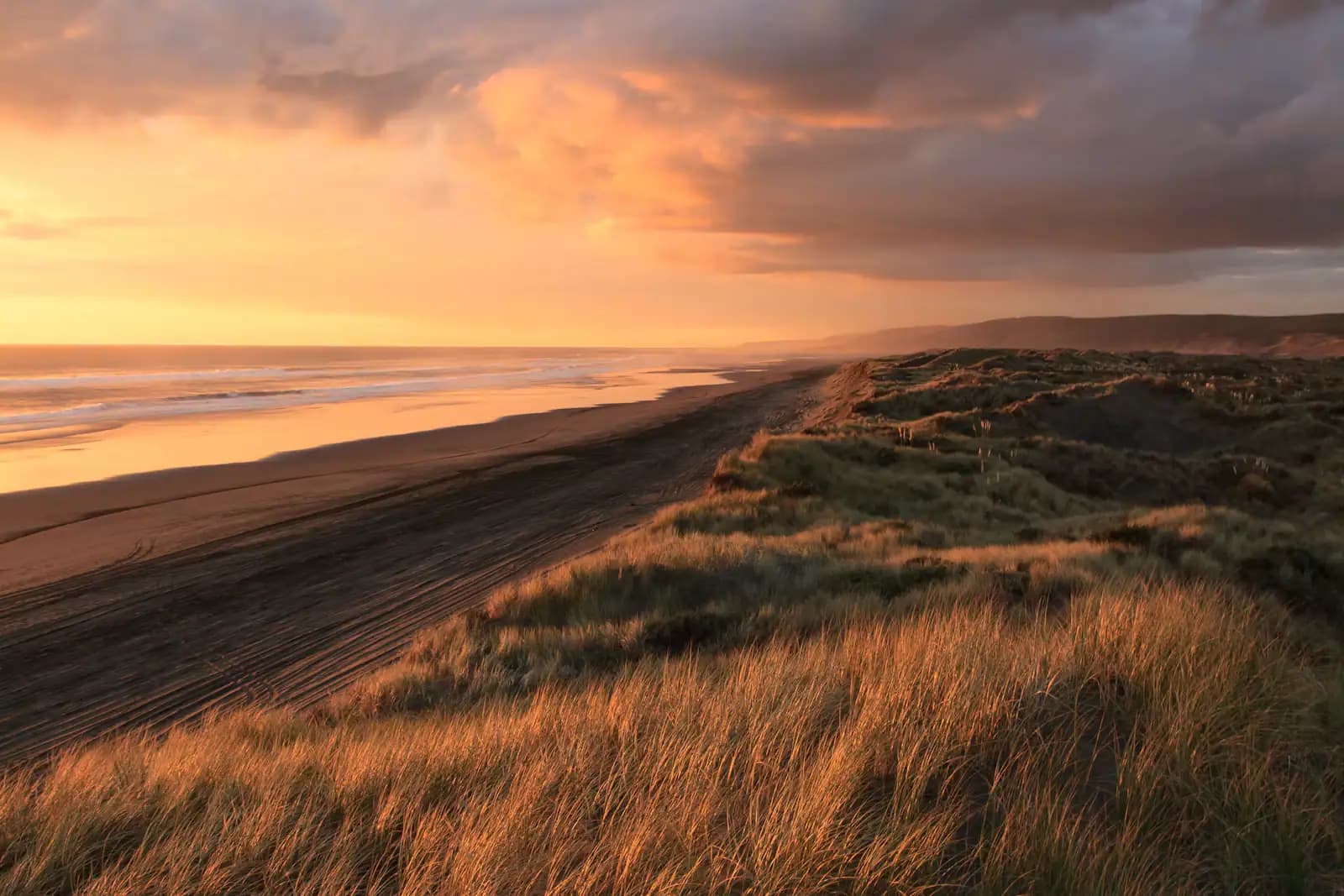
Most destinations have wildlife somewhere near the edges. Sanibel organised itself around it. When the causeway opened in 1963 and Lee County's plan for this sand contemplated something in the order of 30,000 dwelling units, the islanders incorporated as a city in 1974 specifically to stop it. The plan they wrote instead cut that figure to roughly 9,000, capped buildings at three storeys, kept commerce off the beach and described the place in its own charter as a barrier island sanctuary. That is not a marketing line; it is a zoning document, and everything a visitor notices here follows from it. No traffic signals. No building taller than the tree line. A very large share of a sixteen-square-mile island that cannot be built on at all.
Four institutions do the work. The J.N. "Ding" Darling National Wildlife Refuge holds more than six thousand acres of mangrove, impoundment and tidal flat along the northern side. The Sanibel-Captiva Conservation Foundation owns and manages land through the island's interior and runs the water quality, sea turtle and shorebird monitoring, along with a native plant nursery and the Sanibel Sea School. The Clinic for the Rehabilitation of Wildlife is a working wildlife hospital that treats a couple of hundred species a year and lets the public in to watch how. And the city itself enforces the rules the other three depend on.
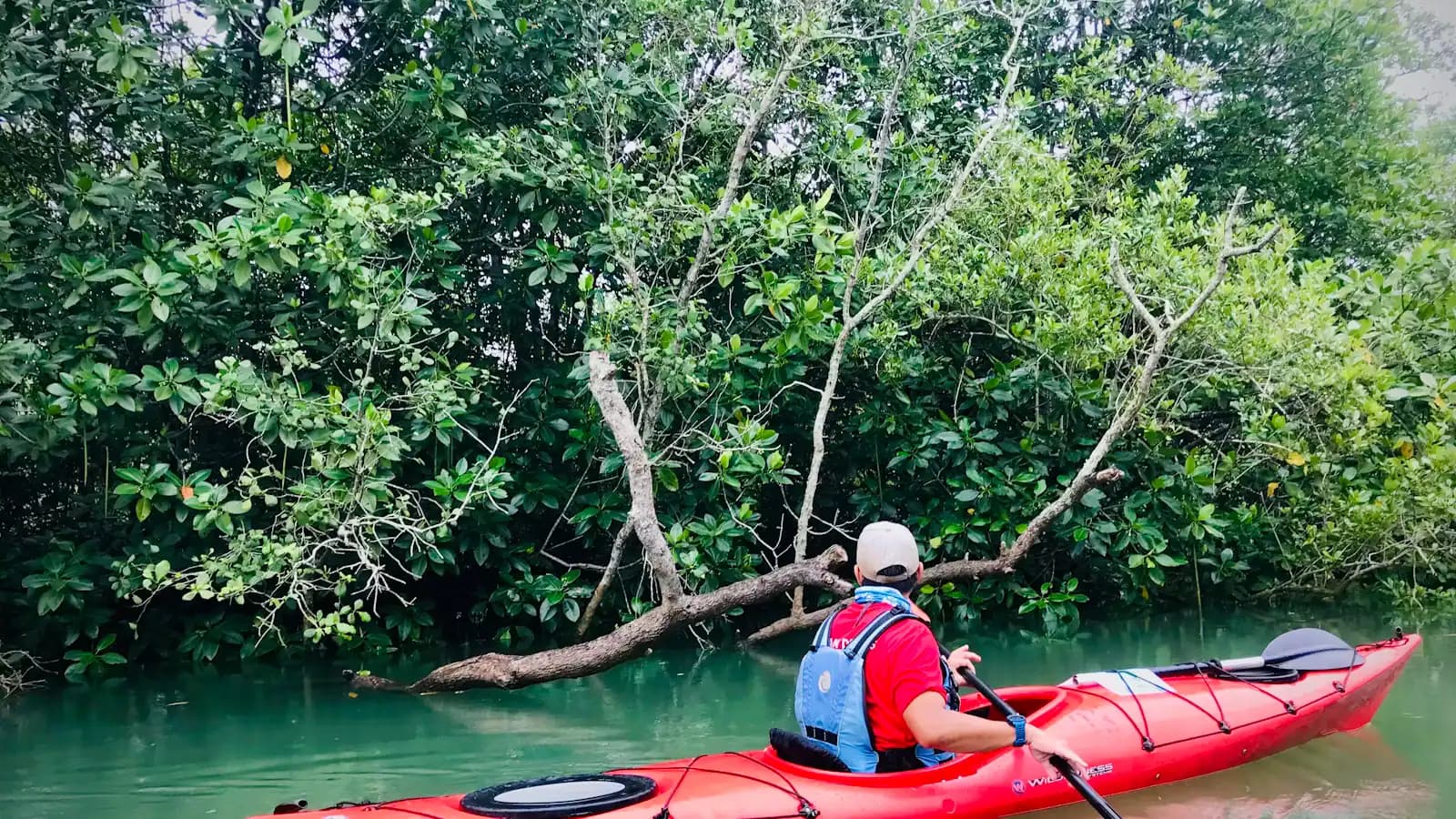
The habitats stack up quickly across a narrow island. Open Gulf beach on the south shore. A ridge of coastal scrub and hardwood behind it. A freshwater slough, the Sanibel River, running most of the island's length through the middle, which is unusual on a barrier island and produces a completely different species list from the salt water. Then mangrove, tidal flat and sound on the north side. You can walk through all four inside an hour. The refuge holds one of the largest undeveloped mangrove systems left in the country, and mangrove here is not scenery: it is the nursery the snook, redfish and tarpon of this coast grow up in before they ever reach open water.
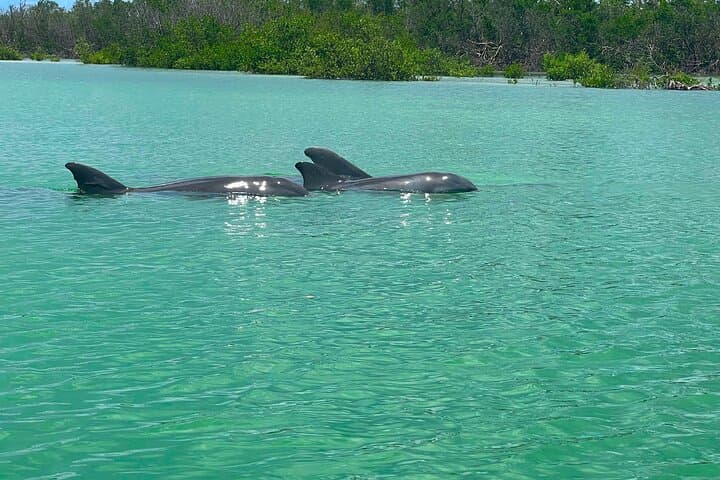
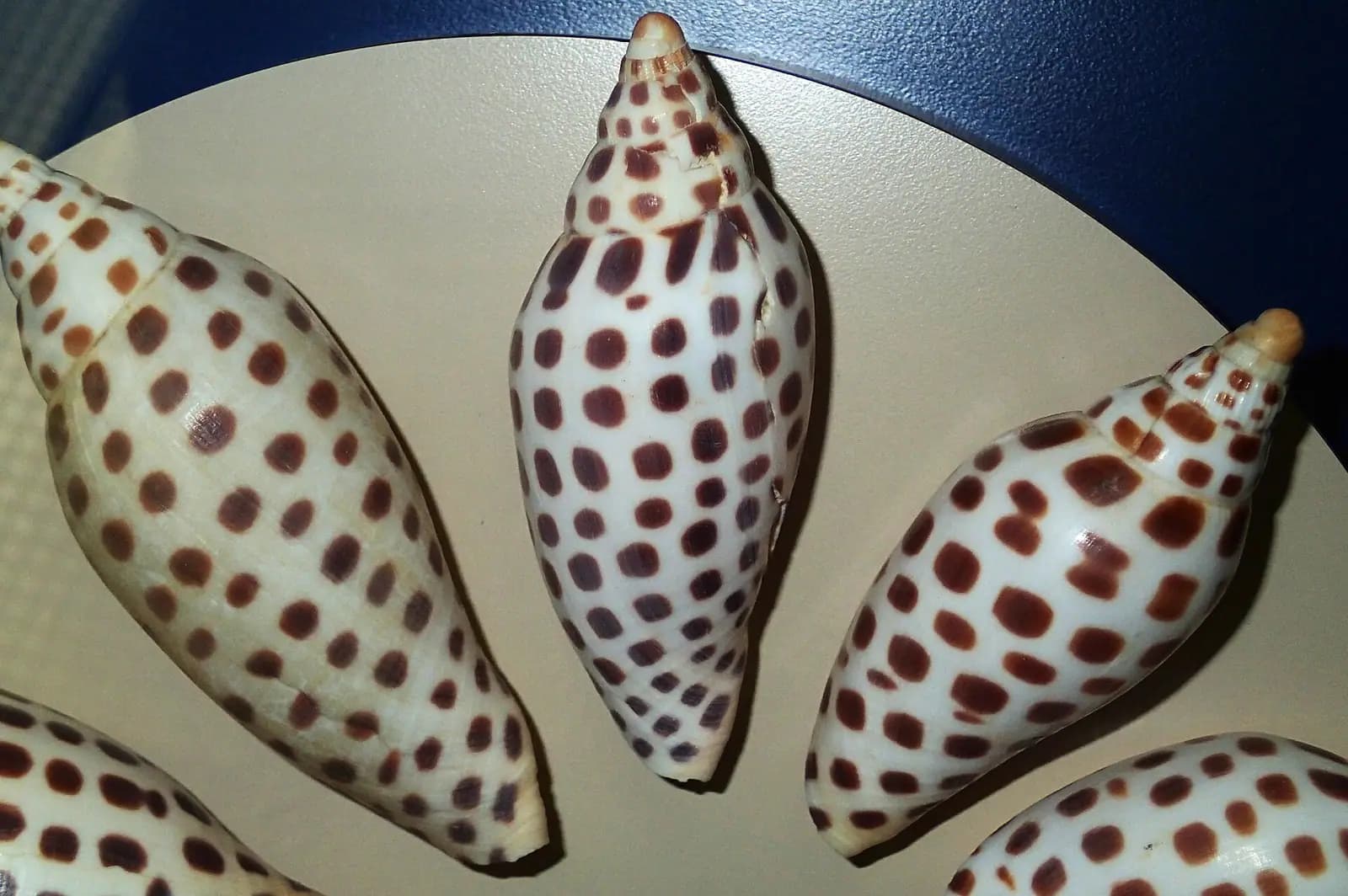
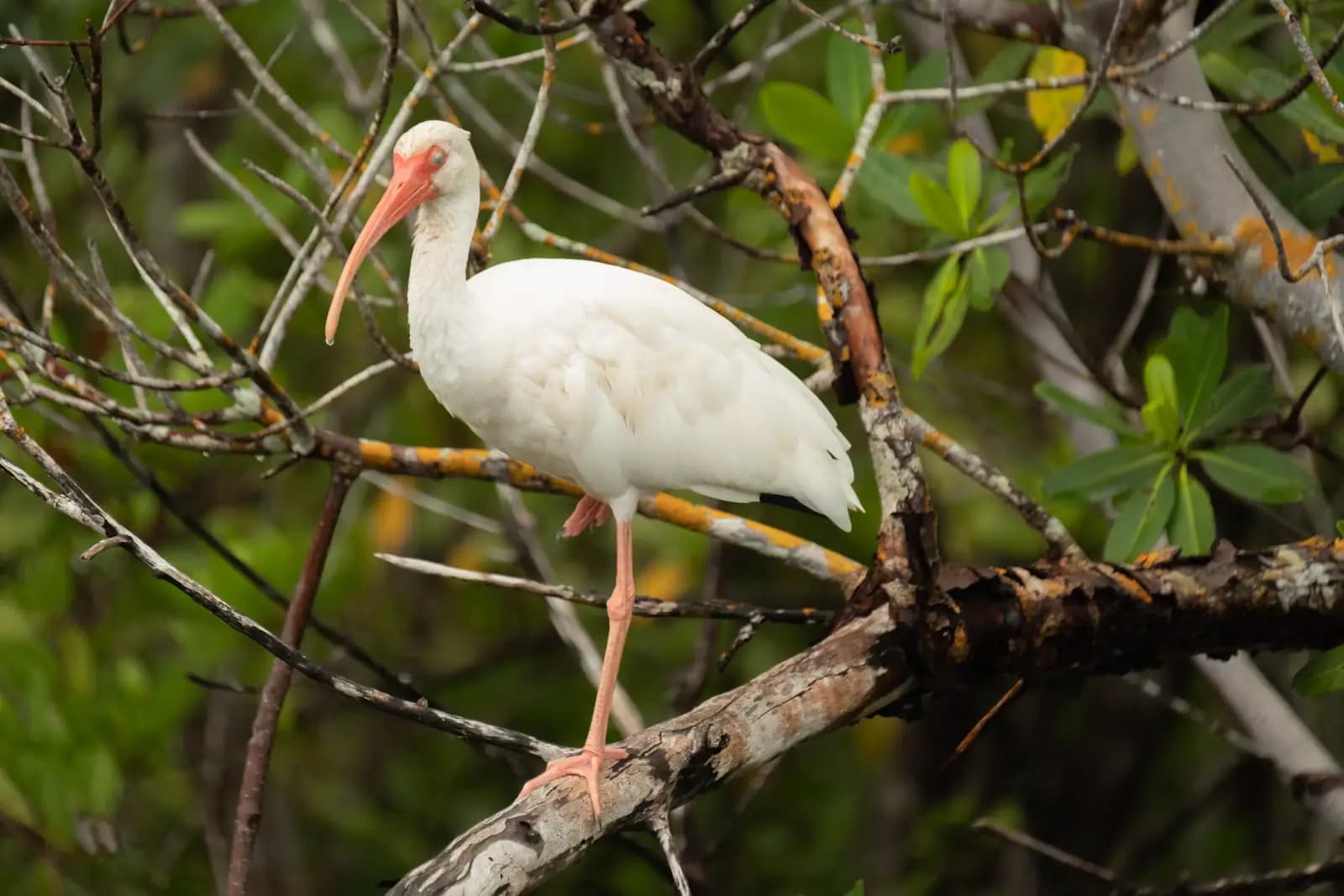
What you will realistically see: alligators, wading birds in quantity, ospreys, dolphins, manatees if you are patient and lucky, gopher tortoises, and more molluscs than anywhere else in North America. What you will probably not see, however long you stay: bobcats and river otters, which live here and keep their own hours.
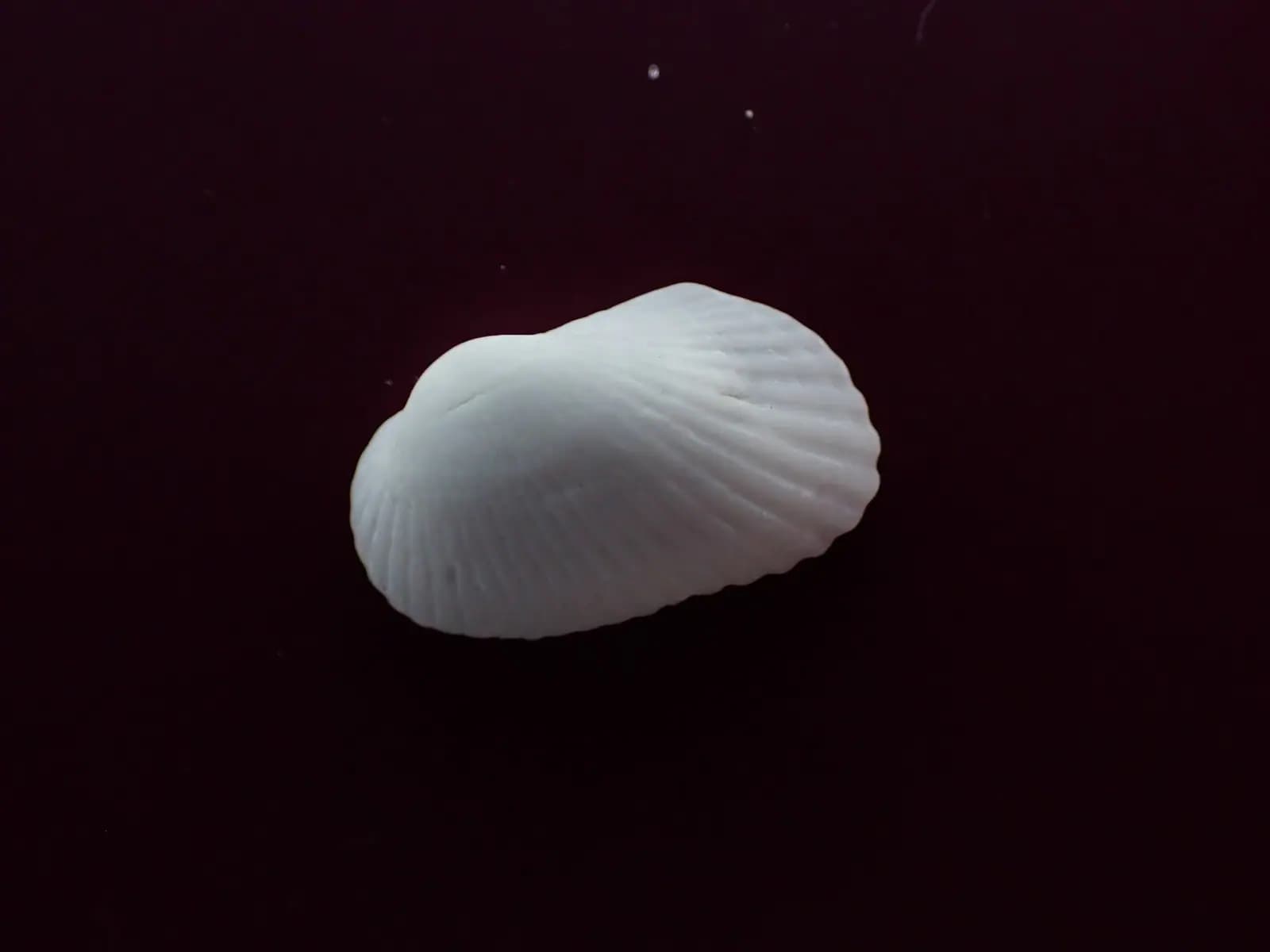
One rule governs the lot, and it is the same one that governs the beach. Taking a live shell inside the City of Sanibel has been illegal since 1995, out to half a mile offshore, and the ban covers sand dollars, sea stars and sea urchins. On this island a shell is not a souvenir with an animal inconveniently attached. It is the animal.