Set the expectation before you book. Sanibel has no theme park, no water park, no arcade, no boardwalk and no pier attractions. The island zoned that sort of thing out decades ago and has no intention of zoning it back in. If your children need to be entertained by something with a queue and a height restriction, this is the wrong island and Orlando is three hours away.
What Sanibel has instead is a beach that gives a child something to find every twenty feet, and that turns out to be remarkably durable. Shelling is the rare holiday activity that a four-year-old and a grandparent can do at the same time, at the same pace, and both come back pleased with themselves.
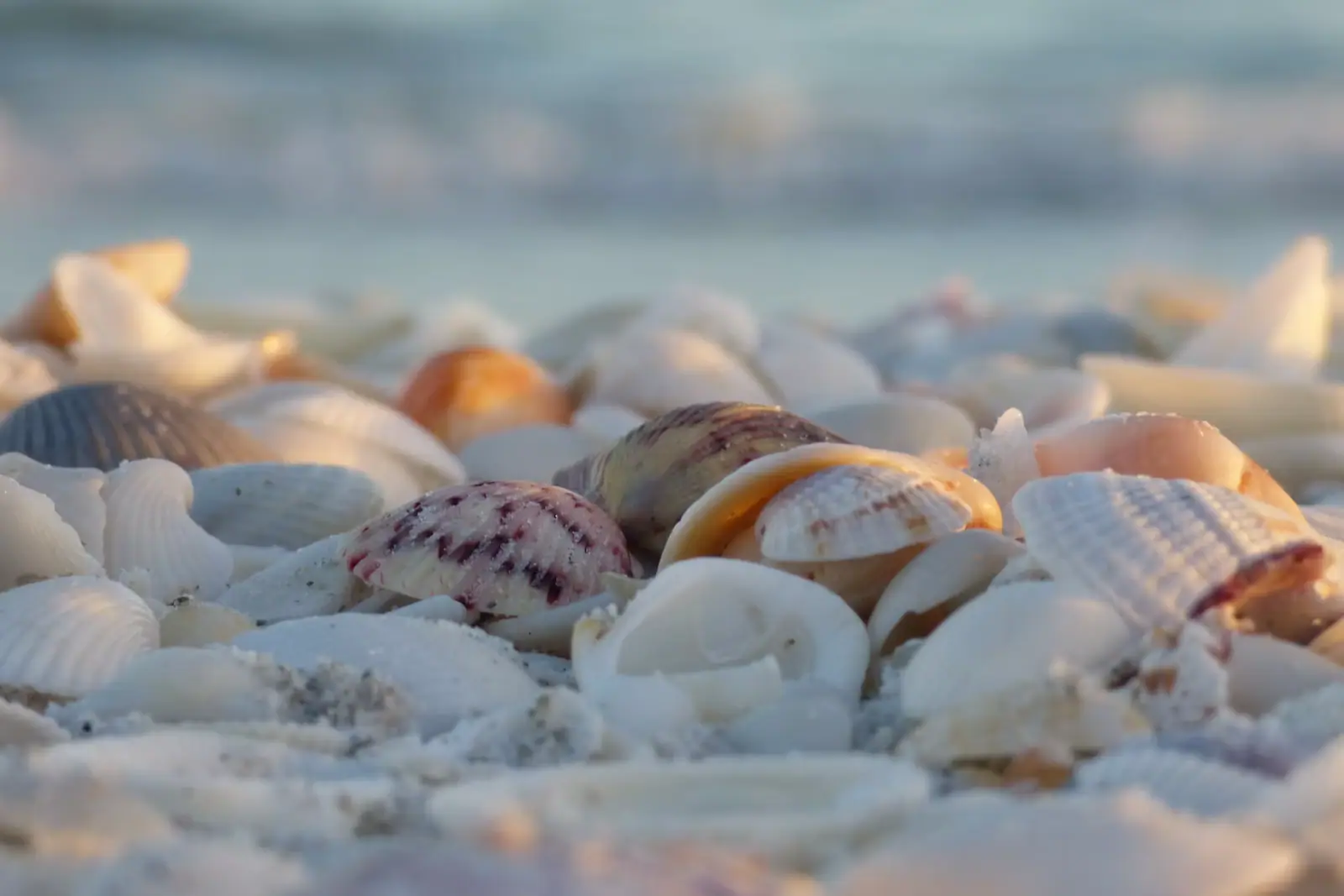
The thing that actually works: the shells
A bucket of sea water, a mesh bag and a low tide will occupy most children for longer than any screen.
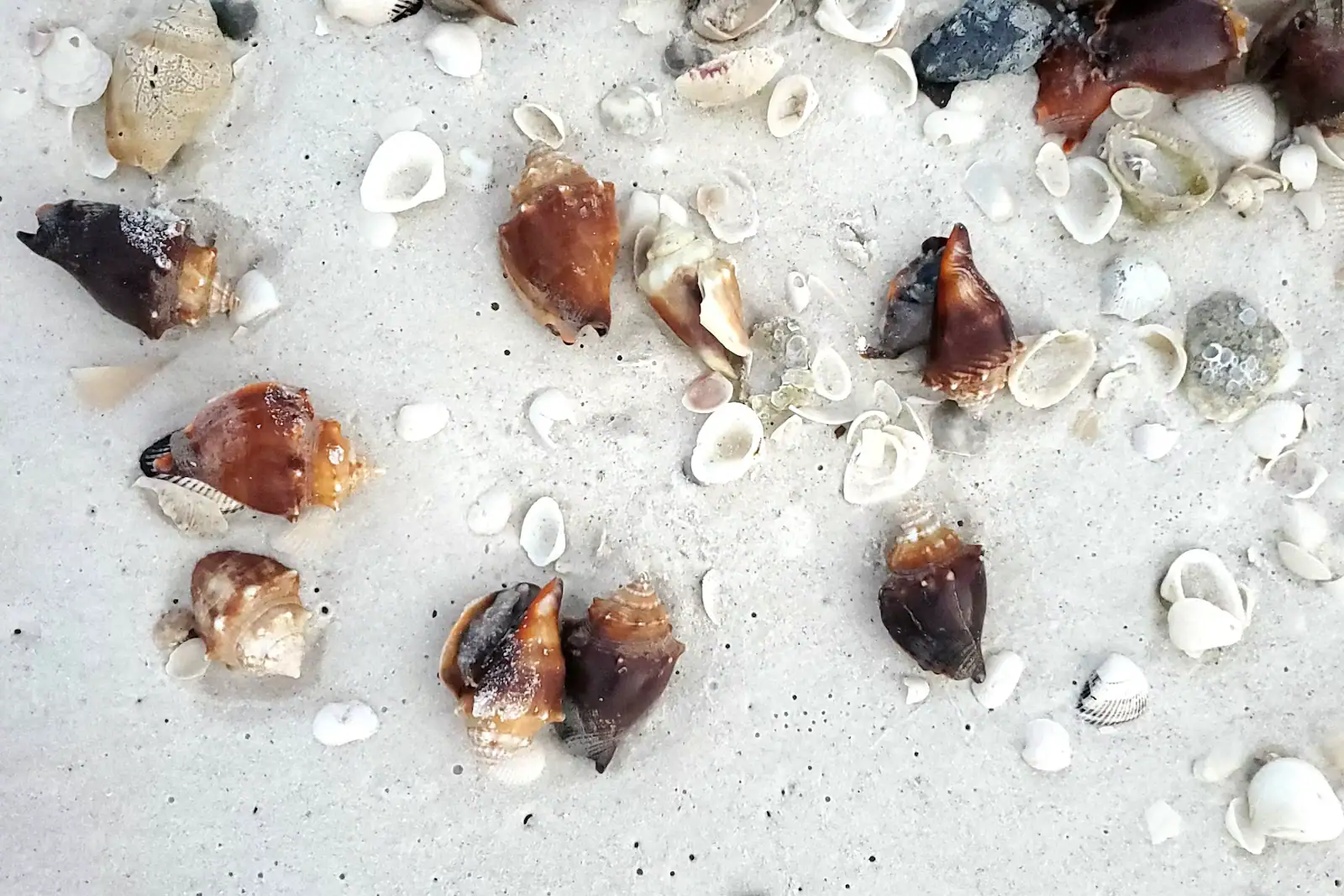
Give it structure and it lasts the week. Set a challenge — find one of each colour, find the smallest whole shell, find something nobody can identify. Learn three species properly on day one rather than twenty badly. A calico scallop, a coquina and a fighting conch are enough to start.
Teach the rule first, and teach it as a rule rather than a suggestion. If there is an animal in it, it stays. Turn every shell over. A sand dollar that is brown or grey and slightly furry is alive; a white, hard, smooth one is not. Live shells, sea stars and sea urchins may not be taken from this island, and that is law carrying a fine of up to $500. Children take this extremely seriously once it is explained, and it is a genuinely good lesson delivered by an actual beach.
Then teach the second rule: put anything living back in the water, not on the dry sand.
Which beach for which age
| Beach | Suits | Why |
|---|---|---|
| Bowman's Beach | Any age | The fullest facilities on the island — playground, picnic area, restrooms, showers. The walk in from the lot keeps the crowd thin |
| Gulfside City Park | Toddlers and small children | Shade, calm shelving water, picnic tables. Shade on a Florida beach is worth planning around |
| Tarpon Bay Beach | Easy days, bike days | Small, simple, close to mid-island and reachable by bicycle |
| Lighthouse Beach Park | Older children | The lighthouse, the point where bay meets Gulf, birds working the flats. Busiest lot on the island |
| Blind Pass and Turner | Shelling only | Best heavy shells, but the current through the pass makes them poor swimming beaches for children |
Every city lot costs five dollars an hour, paid by app, enforced around the clock. A paid session moves with you between city beach parks, which matters when a toddler decides after forty minutes that this beach is wrong.
Indoors, and for weather
The Bailey-Matthews National Shell Museum & Aquarium is the island's best wet-weather answer and genuinely good regardless. It is the only museum in the United States devoted to shells and the animals that make them, and the aquarium half is the part children care about: living molluscs in tanks, including octopus, and staff who will identify whatever is in your bag. The aquarium gallery reopened in March 2024 after Hurricane Ian destroyed it, and the expanded shell hall followed in late May 2025.
CROW, the Clinic for the Rehabilitation of Wildlife, treats injured native animals on the island and runs a visitor education centre with cameras into the treatment areas. Guided campus tours run on weekdays and require booking ahead. Hours are limited and weekday-only, so check before you plan a morning around it.
The Sanibel Historical Museum & Village is a collection of relocated early-twentieth-century island buildings — a schoolhouse, a post office, a packing house — staffed by volunteer docents. It closes for part of the summer each year, so confirm it is open for your dates. Several buildings have steps and narrow doorways.
The refuge's Visitor & Education Center has exhibits and a film and is free to enter. It is closed on Fridays along with Wildlife Drive, and has been shut for periods since 2022 for storm repairs and reconstruction; check its status separately.
On the water
Sanibel Sea School, now part of the Sanibel-Captiva Conservation Foundation, runs marine science camps and half-day courses for children — a few hours of hands-on beach and water science rather than a lecture. Sessions are deliberately small and book out in season.
Tarpon Bay Explorers, the refuge concession, runs guided kayak trails through the mangrove, tram tours of Wildlife Drive with a naturalist, and boat cruises. Kayaking a mangrove tunnel is the single best two hours on the water for a family here. Note that the touch tank was still listed as unavailable following hurricane damage at the time of writing, so do not build a day around it without checking.
Dolphin trips run from both islands and bottlenose dolphins are common in these waters. Ask how long the trip is and how many people are aboard before booking; a ninety-minute trip on a small boat beats three hours on a large one for most children.
Bikes, and how far they will actually go
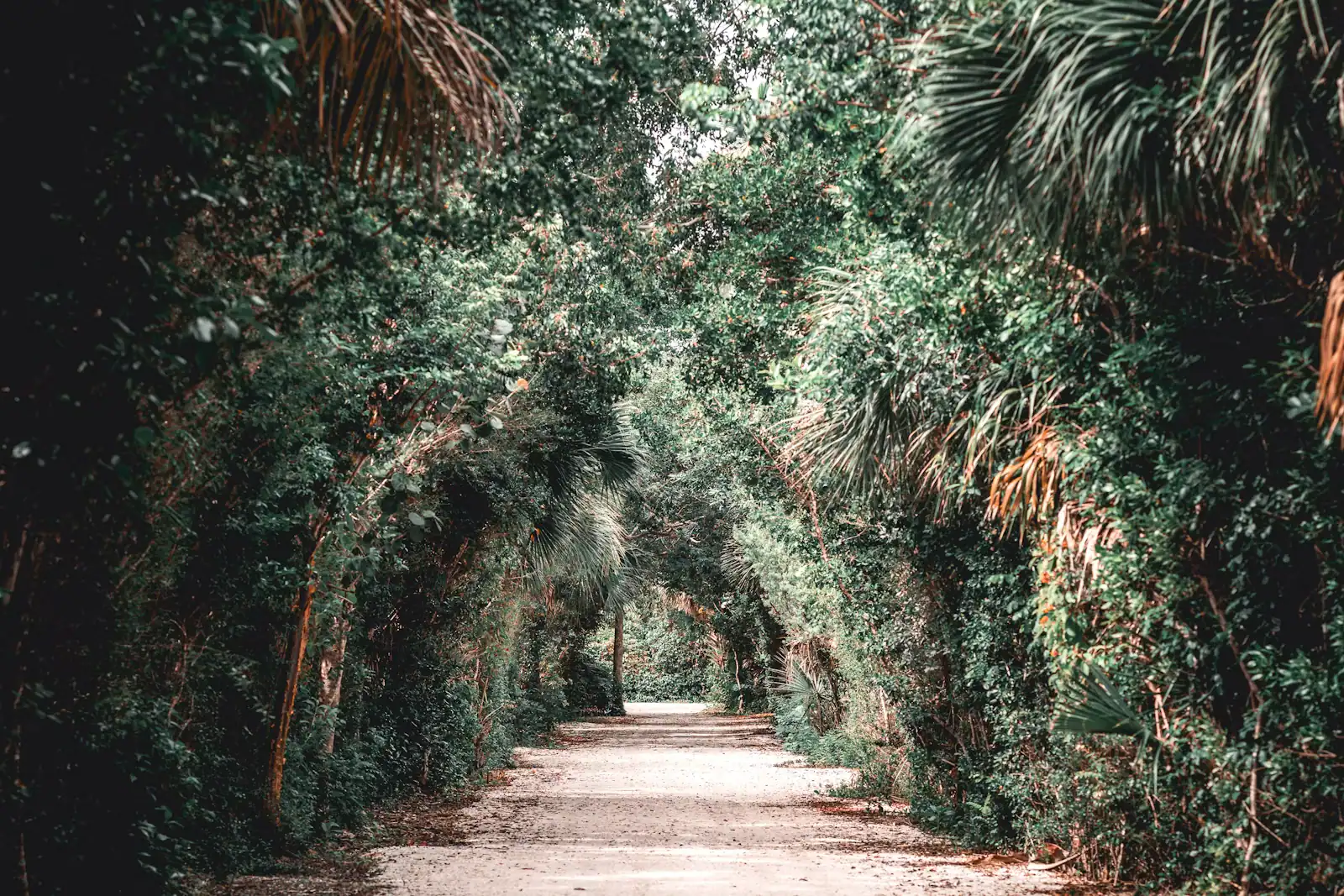
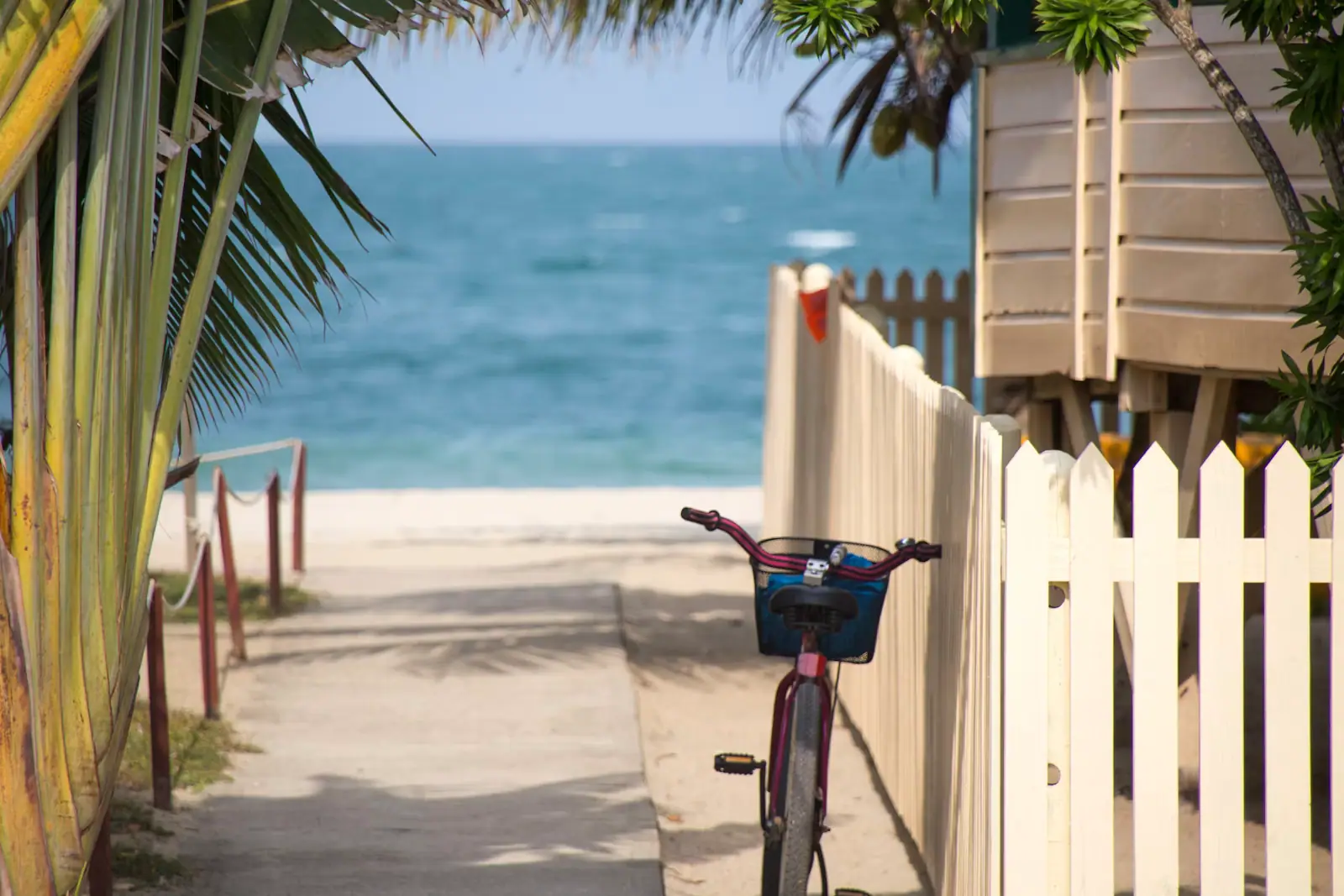
The shared-use path is flat, separated from traffic and reaches every beach park, which makes Sanibel one of the better family cycling destinations in Florida.
Realistic ranges: a seven- to nine-year-old will manage four to six miles in total with a beach or an ice cream in the middle. Ten and up can do the Bowman's Beach run. Trailers, tag-alongs and child seats are all available from rental shops, and weekly rates with delivery are much better value than daily ones.
Florida law requires helmets under 16. Ride single file with an adult at the back. And drill the driveway crossings on day one — the path crosses driveways and side roads constantly, and that, rather than speed, is where the risk is.
Do not take children on Captiva Drive beyond the Blind Pass Bridge. The separated path ends there and the shoulder is narrow.
The honest downsides
Distances are short but everything is spread along one road, so a day with a nap in it involves crossing the island twice.
There is very little for teenagers in the evening. The island goes quiet early, and that is the deal.
No-see-ums come off the mangrove and the freshwater slough at dawn and dusk and are worse than mosquitoes. Repellent goes in the beach bag, not the car.
Summer afternoons bring hard thunderstorms with real lightning, on a schedule reliable enough to plan around: out early, indoors by one, back out at five.
And there are alligators in the freshwater slough that runs down the middle of the island. They are not a reason to avoid the paths. They are a reason to keep children and dogs back from pond edges, never to feed anything, and to treat every ditch with water in it as occupied.
A day that works with young children
6:45 Out of the door. Somebody will complain; it stops within ten minutes of arriving at the beach.
7:00 On the sand an hour before low tide. The material the night's tide left is still lying where it fell, the lot is nearly empty, and the temperature is pleasant for the only time in the day during summer.
9:00 Back for breakfast. This is also when the beach lots start filling, so you have dodged that entirely.
10:00 Naps, pool, shade. Do not fight the middle of the day.
1:00 Indoors deliberately. The shell museum, the refuge visitor centre, or the rental with the shells spread out on a towel being sorted and named.
4:00 Second outing. A short bike ride, the playground at Bowman's, or a paddle on the bay side where the water is flat.
6:00 Sunset somewhere. If you want it over water rather than down the beach, that means Blind Pass or crossing to Captiva.
Dark by eight, which on this island is genuinely dark. Take a torch, keep it aimed at your feet, and keep it off the sand entirely during turtle nesting season.
The safety briefing worth actually giving
Assume nobody is watching the water. Lifeguard provision on these beaches is limited and should not be relied on. Swim near other people and keep small children within arm's reach.
Keep shoes on in the water. The city still warns that storm debris remains buried in the sand and the shallows in places.
Blind Pass is not a swimming beach. The current through the channel between the islands is strong, and it is strongest on a falling tide when the water looks calmest.
Stay back from every pond, ditch and canal bank. The Sanibel Slough holds alligators and the ditches connect to it. Feeding one is a crime in Florida, and the city rewrote its policy after a fatal attack on the island in 2004.
Leave the beach at the first thunder. The open sand is the worst place in Southwest Florida to wait out a summer storm.
Between mid-April and the end of October there are turtle nests on these beaches. Level whatever your children dug before you leave, knock the castle walls flat, carry the buckets and chairs back to the car, and keep every light off the sand after dark. To something the size of a fifty-cent piece, a hole in the sand is a pit with no way out of it.
Last updated
Opening hours, ordinances and prices move with the season. We re-check this guide rather than rewrite it, and the date above is the last time someone did. How we research and correct.