Skip to content
Menu

We earn a commission if you book through this link. You pay the same price.

Search

Things to Do

The Ding Darling Wildlife Refuge

Last updated

Sanibel's Ding Darling refuge: the four-mile Wildlife Drive, the $10 fee, the Friday closure, why the tide decides everything, and which trails are open.

Dense mangrove shoreline with arching prop roots meeting still green waterUnsplash

Start with three facts, because between them they decide whether your visit is any good. The J.N. "Ding" Darling National Wildlife Refuge is closed every Friday, all year, with no exceptions. Its Wildlife Drive is four miles long, one-way, and has a 15 mph limit that is enforced rather than suggested. And the birds you came to see are only spread out across the mud where you can watch them for the couple of hours either side of a falling tide. Arrive on a Friday and you will find a gate. Arrive at high water on a Tuesday and you will find a lot of beautiful, empty water.

The refuge occupies the whole northern flank of Sanibel, facing Pine Island Sound across the mangrove. The Fish and Wildlife Service puts it at more than six thousand acres, of which roughly 2,620 are a congressionally designated Wilderness set aside in 1976. It protects one of the largest undeveloped mangrove systems left in the country, and more than 245 bird species have been recorded inside it. Sanibel is about sixteen square miles in total, so a very large share of the island is not developable and never will be.

It is named for Jay Norwood Darling, a Pulitzer-winning newspaper cartoonist who ran the federal Biological Survey in the 1930s, designed the first Federal Duck Stamp, and wintered on these islands. The refuge was established in 1945 and later carried his name. The story matters because it explains the institution's character: this is a place run for wildlife, with visitor access permitted around the edges, not a park built for people with animals in it. Signs tell you to stay in the vehicle in places. They mean it.

Practically, entry to the Wildlife Drive has been ten dollars per vehicle and one dollar for anyone arriving on a bicycle or on foot, with federal passes accepted. The Visitor and Education Center is free. Hours on both have moved more than once since 2022, and the centre was closed again through part of 2026 for Hurricane Ian recovery construction while the drive stayed open. Check the refuge's own page in the week you travel rather than trusting a figure in any article.

The rest of this page is about getting the timing right, what lies beyond the Drive, and how to get onto the water rather than just alongside it.

Our picks

The ones we would book

  • Editor's Pick

    Best guided way through the mangrove tunnels

    Why we chose it

    The paddle into the marked trail on the bay side is the one experience here that no road or tram reaches. Flat sheltered water, mangrove crabs on the prop roots, herons at arm's length and near-total quiet. Book a morning departure on a falling tide if the schedule offers one, and reserve well ahead between January and April.

  • Best Value

    Best way to see the Drive without doing the driving

    Why we chose it

    A naturalist-led tram run along the four miles, about ninety minutes, costing a fraction of a private guide. The real value is the pair of trained eyes: a guide picks a reddish egret out of a line of white waders and explains why it is dancing. Worth it for anyone whose group would otherwise argue about stopping.

  • Best for Families

    Best trip when children need to be in the boat, not the car

    Why we chose it

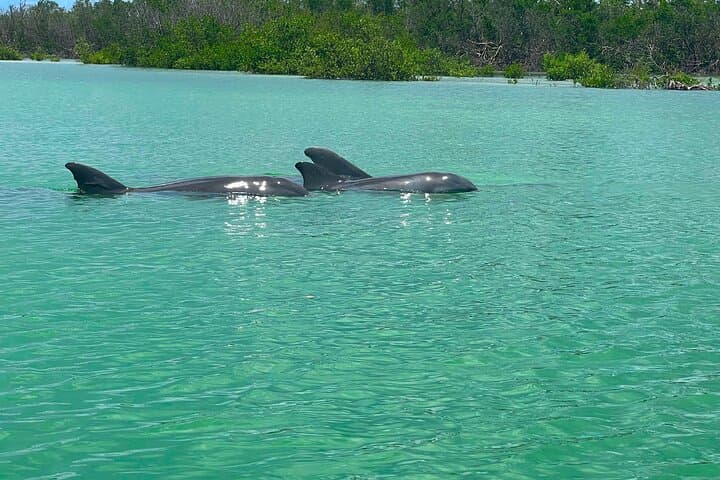
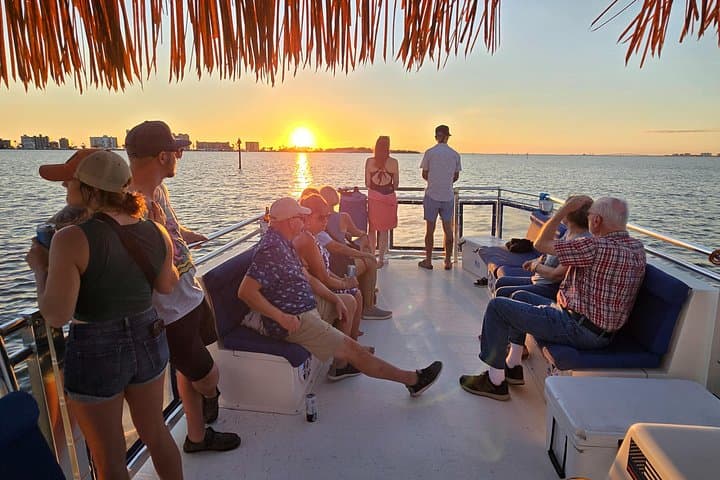
    A short covered-pontoon run on the bay finds dolphins in the first mile and keeps everyone shaded, which matters more than it sounds by eleven in the morning. Two hours is about the limit before attention goes. Better than the Drive for under-eights, who rarely last four miles at fifteen miles an hour.

    Southwest Florida Sunset Sail

    Wildlife Watching

    Southwest Florida Sunset Sail (opens in a new tab)

    Best for FamiliesFree cancellationInstant confirmation
    514 reviews

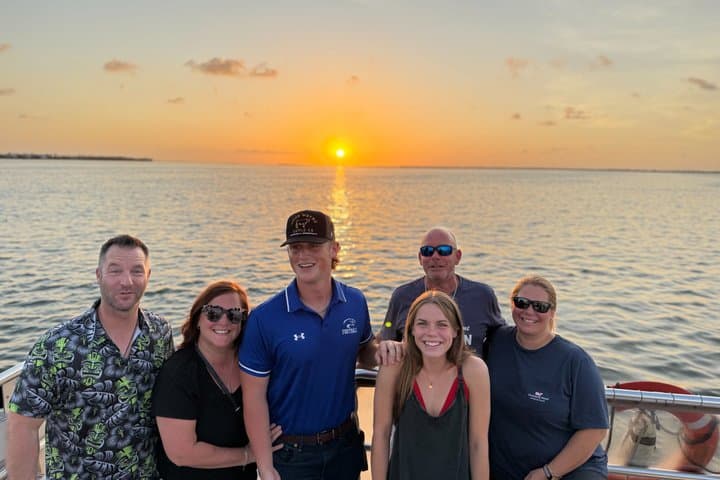
    SWFL sunsets are the best, and there is no better place to watch them than from the deck of our 36ft. Sailing Catamaran, "Copacetic". The…

    2 hours

    Prices checked

    from $70
  • Small Group

    Best small boat for photographers and birders

    Why we chose it

    Six people rather than twenty changes what the captain can do: hold position on a feeding flat, approach from the right side for the light, and wait. The people who care about the difference between a reddish egret and a little blue heron should pay for the smaller boat and the slower pace.

    Sunset Cruise Fort Myers Beach

    Private and Luxury

    Sunset Cruise Fort Myers Beach (opens in a new tab)

    Small GroupFree cancellationInstant confirmation
    23 reviews

    Join us for a scenic 90 minute cruise at sunset that blends comfort, adventure, and the wonders of nature. Book your spot today and…

    1–2 hours

    Prices checked

    from $47.92
  • Sunset

    Best way to end a day inside the refuge system

    Why we chose it

    The rookery paddle works on a simple idea: get on the water late, stop, and let the birds come to you as they return to roost. Numbers build over about half an hour and the noise is remarkable. Departure times shift by more than an hour across the year, so check the time rather than assuming.

Wildlife Drive: four miles, one direction, closed Fridays

When to go

The Drive is a narrow one-way road along a dike between impounded water and mangrove, and it is the reason most people come. You can take it by car, by bicycle, on foot, or on the concession's tram.

Closed every Friday. The Drive, the Visitor and Education Center, the nature store and the Indigo Trail all shut on Fridays, all year round. This is the single most common wasted journey on the island. Federal holidays have been treated inconsistently in recent notices, so if your visit falls on one, check.

Gate hours move. The Drive has typically opened at seven in the morning and closed in the evening, with the closing time shifting through the year and revised by notice more than once since 2022. Do not plan a sunset run on a remembered time.

Fifteen miles per hour. It is enforced, and it is also the only sensible speed: at anything faster you will drive past the birds you paid to see. The full four miles takes about an hour if you are stopping, considerably longer if you have a camera.

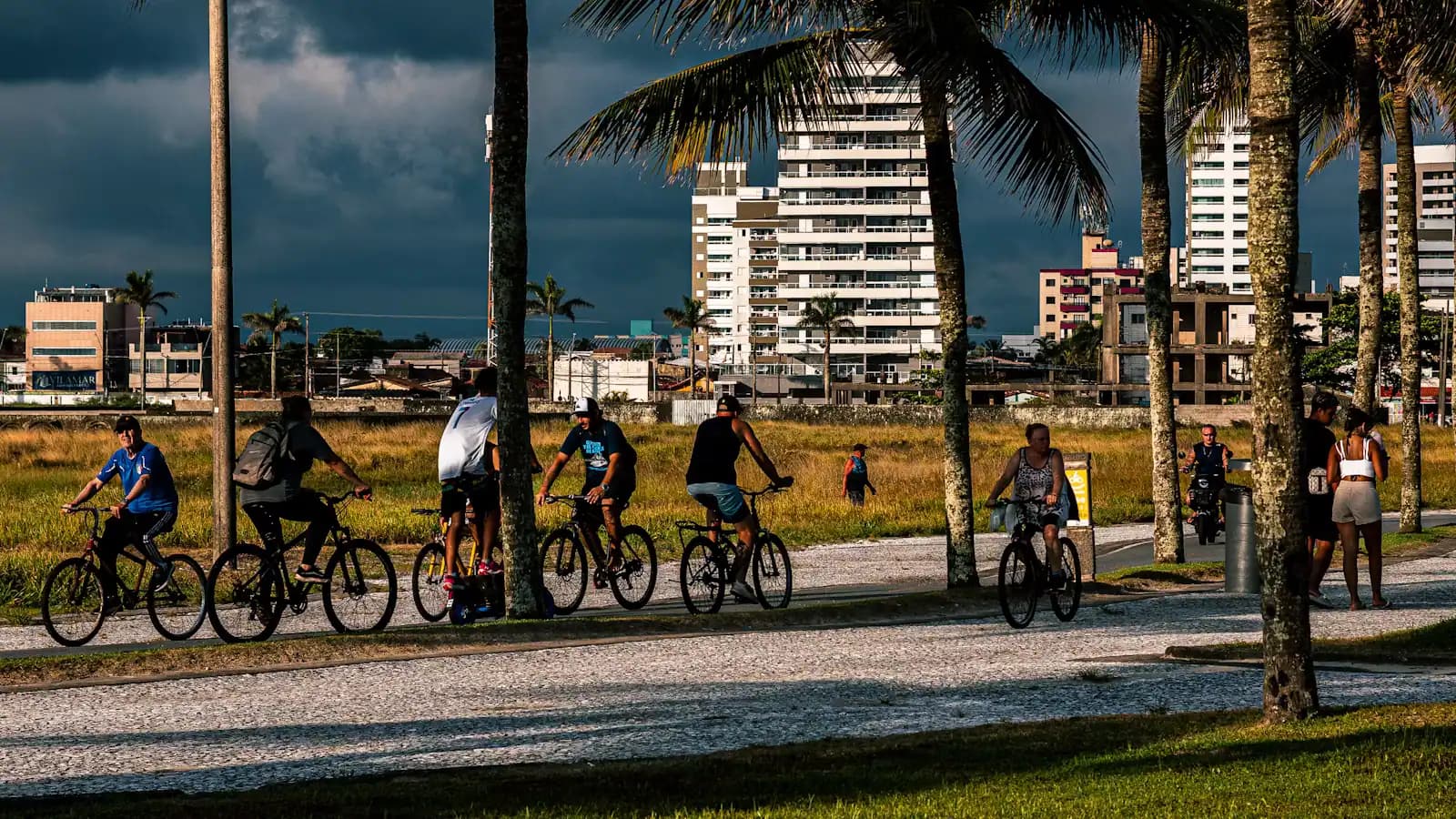
Bicycles are the better vehicle. A dollar rather than ten, no queue at the gate, and you can stop anywhere rather than waiting for a pull-out. The road is flat, and the shared-use path connects it to most of the island.

There are pull-outs, an observation tower and a couple of short spurs off the Drive. Take binoculars. Much of what is worth seeing is a hundred yards out on the flats.

Go on a falling tide, or do not bother

Shallow estuary water running between low mangrove islands at low tideUnsplash
Shallow estuary water running between low mangrove islands at low tide

When to go

This is the single most useful sentence on the page, and almost nobody tells visitors: time your visit to the tide, not to your day.

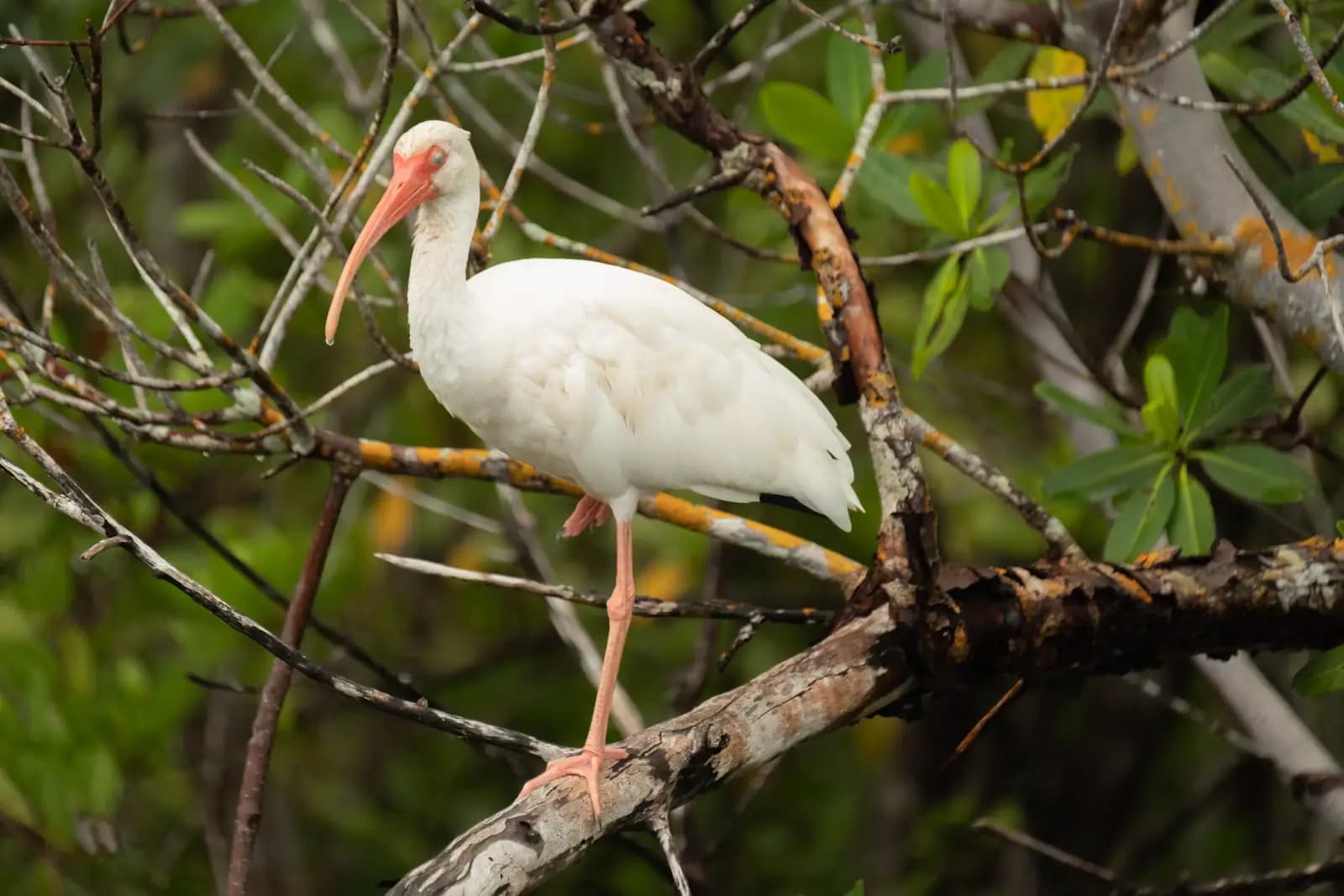
The impoundments and flats along the Drive drain and fill with the Gulf. At high water the birds are dispersed into the mangrove and the mud is under a foot of water. As the tide drops, the flats come up as a sheet of wet mud full of small fish and crustaceans, and the wading birds concentrate onto it to feed. That is when a roseate spoonbill is forty feet from the road sweeping its bill through the shallows rather than a pink dot in the distance.

Aim for the two hours after high water, so you arrive as the level is falling and the feeding starts. A dead low tide can be almost as quiet as a high one, because the birds have finished and moved on.

Tide tables for Point Ybel at the island's eastern tip are close enough for planning. The range here is small, often only a foot or two, but the flats are so level that a small drop uncovers a great deal of ground.

Layer that onto the time of day and you have your answer. Early morning on a falling tide is the best combination the refuge offers: cool, quiet, the light low and behind you if you are heading west along the Drive, and the traffic thin. Late afternoon on a falling tide is the second best, and considerably better than any morning on a rising one.

The trails and tracts beyond the Drive

The Wildlife Drive is not the whole refuge, and the rest of it is where you escape the cars.

Indigo Trail runs from behind the Visitor and Education Center out along a dike, about four miles there and back, and leads to the Wildlife Education Boardwalk. Entry has been a dollar a person. It closes on Fridays with everything else. This is the best walking on the refuge and the quietest way to see the same water the Drive shows you.

Calusa Shell Mound Trail is a third-of-a-mile boardwalk loop through a mound built by the Calusa, the people who ran this coast before Europeans arrived. It has been closed for repairs, so check before you plan around it.

Wulfert Keys Trail is a short spur off the western end of the Drive, out towards the sound, and rewards anyone willing to stand still for ten minutes.

The Bailey Tract is the one to know about. It sits away from the main refuge, off Tarpon Bay Road in the middle of the island, and it is free and open from sunrise to sunset with no gate and no Friday closure. About a hundred acres of interior freshwater wetland with a network of flat paths around shallow ponds. Black-necked stilts nest here from April. Alligators are present, and the ponds are small enough that you will see them.

The Perry Tract is a small parcel near Gulfside City Park. Between them, these outlying pieces are how you visit the refuge on a Friday.

Getting onto the water rather than alongside it

The refuge's concession, Tarpon Bay Explorers, operates from Tarpon Bay Road at the island's middle, and it is the only commercial operation permitted inside the refuge. A stated share of what you spend there goes back to the Fish and Wildlife Service, which is a rare thing to be able to say about a tour booking.

The tram tour covers the Wildlife Drive with a naturalist, runs about ninety minutes, and is the right choice if nobody in your party wants to drive at 15 mph while everyone else looks at birds. The guide will find things you would drive past.

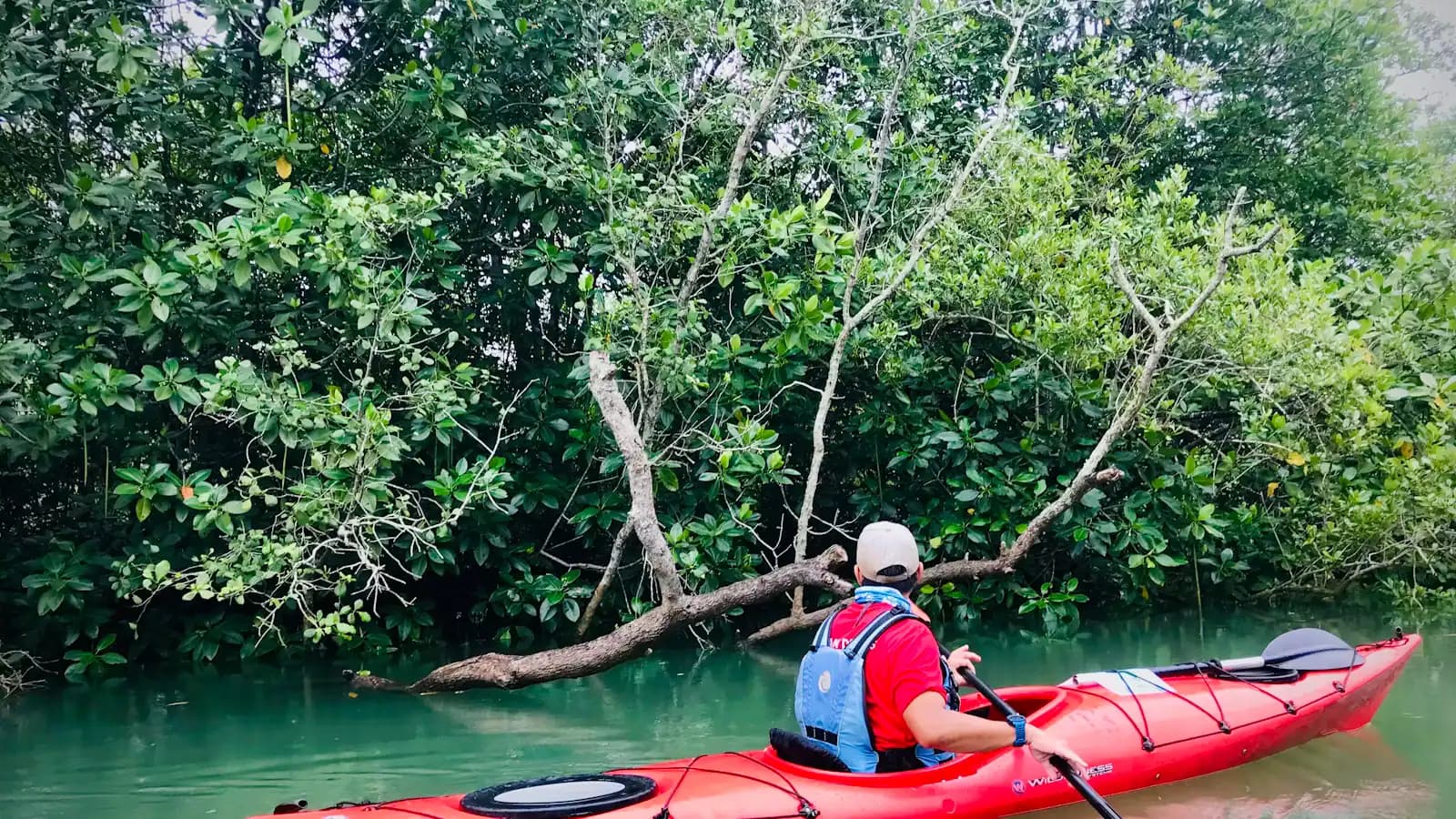
The kayak trail tour is the one to take if you can only take one. It leads into a marked trail through the mangrove tunnels on the bay side, water that no road reaches and no tram sees. Mangrove crabs on the prop roots, wading birds at arm's length, and complete quiet.

The sunset rookery paddle works on a different principle: you park the boats and wait while birds come in to roost for the night.

The nature and sealife cruise is the covered-pontoon option for anyone not up to paddling, and the one that finds dolphins in Tarpon Bay.

Reserve rather than turn up, particularly between January and April. The operation also takes a short maintenance break in September, and the touch tank has remained out of service since hurricane damage, so check what is actually running.

The refuge since Ian

Hurricane Ian crossed this island on 28 September 2022 and the refuge took the surge along its whole length. Recovery here has been measured in years and is still going on, which is worth knowing before you build a day around a particular building.

The Wildlife Drive itself has been open and working for some time, and the birdlife has come back strongly: the impoundments and the flats are a natural system and they repair themselves faster than a car park does. Mangrove damage was severe in places and is visible as dead grey stands among the green.

The built infrastructure has been slower. The Visitor and Education Center has closed for further Hurricane Ian recovery construction more than once, including a stretch of 2026 during which the Drive stayed open and the centre did not. The Calusa Shell Mound Trail boardwalk has been closed for repairs. The concession's touch tank has remained out of service.

None of that spoils a visit. It does mean that the single most useful thing you can do before driving over is to open the refuge's own site and read the current notices, because the position has changed repeatedly and will change again. Treat this page as background and the refuge's notice board as the authority.

Book it

Everything else we track

Some links below go to Viator, our booking partner. We earn a commission on bookings made through them — at no extra cost to you, and with no influence on what we recommend.

What is out there, month by month

How they compare

More than 245 bird species have been recorded here. This is what a visitor realistically encounters, and when.

SeasonWhat is happeningWhat you are most likely to see
January to MarchThe peak. Winter residents and migrants overlap and the water is lowWhite pelicans in numbers, roseate spoonbills, reddish egrets, waders on every flat, raptors overhead
March to AprilNesting begins and some birds leaveOspreys at their nesting peak, spoonbill adults departing for their own breeding grounds while juveniles stay, stilts nesting at the Bailey Tract, alligators bellowing
May to JulyQuieter and hotter, but with specialitiesMangrove cuckoos are most often found in May, yellow-crowned night herons nest through to June, sea turtles nesting on the Gulf side
August to OctoberLow season, high heat, afternoon stormsTurtle hatchlings from August, shorebirds moving through, the fewest people you will ever share the Drive with
November to DecemberThe build-upWhite pelicans arriving in growing numbers, waterfowl returning, comfortable temperatures

Beyond the birds: American alligators are present year-round and are genuinely easy to see at the Bailey Tract. Florida manatees use these waters except in real cold. Dolphins are in Tarpon Bay all year. Bobcats, river otters, marsh rabbits and raccoons live here and are seen far less often, mostly at first and last light.

The rules, and why a refuge is stricter than a park

Before you book

A National Wildlife Refuge exists for the wildlife. Public access is a permitted secondary use, which is why the rulebook feels tighter than at a state park.

Stay in the vehicle where the signs say so. Along much of the Drive you may get out only at marked pull-outs. Stepping down onto the dike to get closer to a bird flushes it off the feeding it came for.

Do not feed anything, ever. Feeding an alligator changes its behaviour permanently and is how animals end up being destroyed. It is also illegal in Florida.

No drones. They are prohibited across the refuge system, and a drone over a roost empties it.

Leashed dogs only, and not everywhere. Check which areas allow them before you arrive with one in the car.

Take nothing. Collecting on refuge land is not the same question as collecting on a city beach, and the refuge is not a shelling destination in any case. On the island generally, remember that taking a live shell has been illegal inside the City of Sanibel since 1995, out to half a mile offshore, and that sand dollars, sea stars and sea urchins are all covered by that ban.

Keep back from the water's edge where alligators are present, and keep children close there. The ponds at the Bailey Tract are small, which makes them lovely and also means the margin is narrow.

On the ground

Where to go

Every place below has its own page — hours, parking, what it costs and what to expect when you get there.

  • A roseate spoonbill with pink wings spread standing in shallow water

    Nature preserve

    J.N. "Ding" Darling National Wildlife Refuge

    Around 5,200 acres of mangrove estuary named after a newspaper cartoonist, covering a large share of the island. Closed one day a week.

    1.5–5 hoursWildlife Drive costs $10 per vehicle, or $1 per cyclist and pedestrian over 15. The Bailey Tract is free.

  • A beach cruiser bicycle leaning against a white picket fence at the head of a sandy beach access path

    Trail

    Sanibel Shared Use Path

    Free

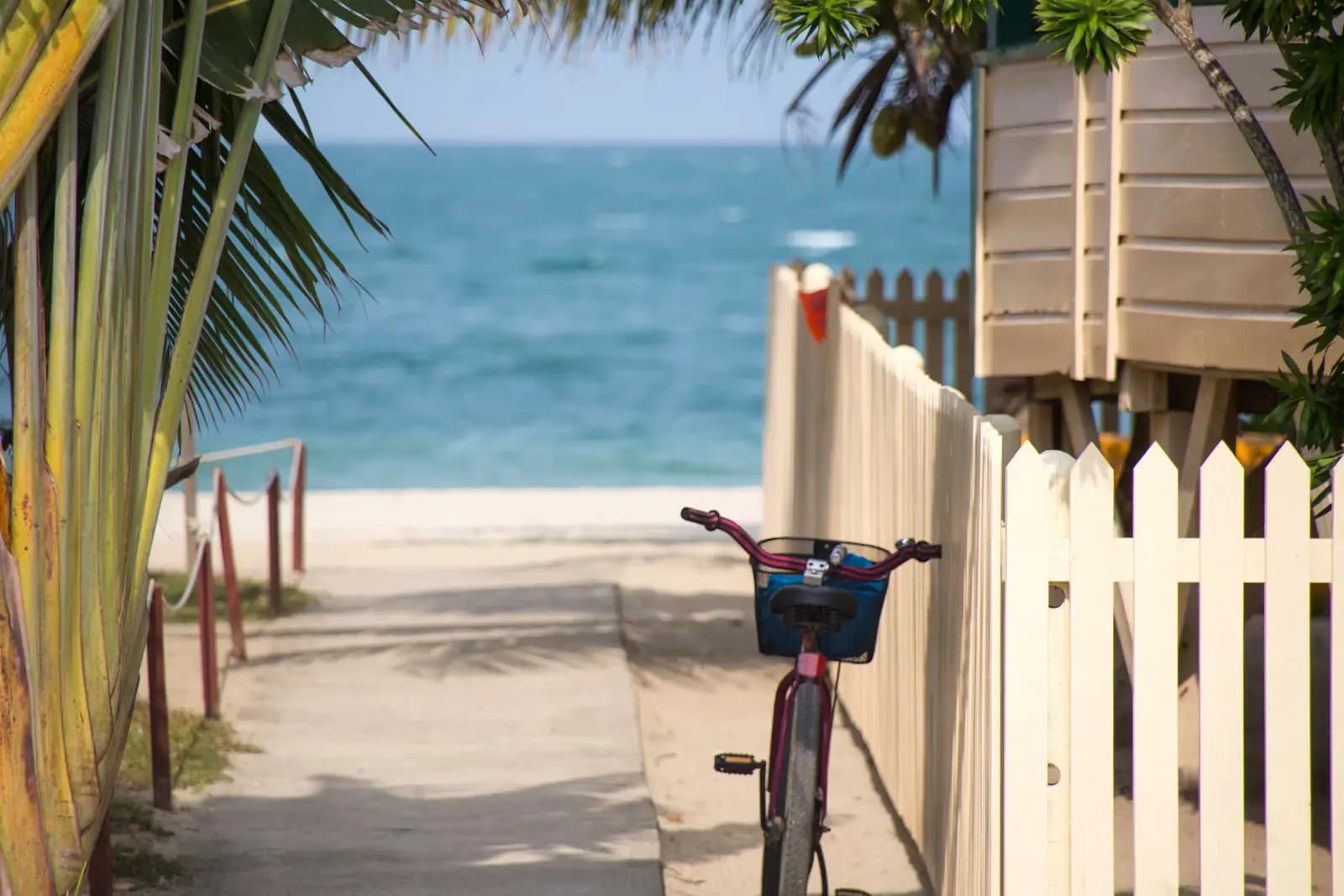
    Twenty-five-plus miles of separated paved path from the lighthouse to Blind Pass, on an island with no traffic signal to stop you.

    1–5 hoursFree to use. Bicycle hire and refuge entry are separate costs.

  • A tight flock of white pelicans standing together in shallow water

    Wildlife

    Wildlife Drive

    Four miles, one way, through mangrove and tidal flat. Closed every Friday, and worth far more on a falling tide than a full one.

    1–3 hours$10 per vehicle, $1 per cyclist or pedestrian over 15, free for ages 15 and under.

  • Mangrove prop roots arching over shallow clear water in a narrow channel

    Wildlife

    Tarpon Bay Explorers

    The refuge's licensed concession and the only way onto the water inside Ding Darling. Kayaks, trams, pontoons and bikes.

    1.5–4 hoursPaid tours and rentals, priced per activity. Parking is free.

  • A fish-eating bird perched on a slim branch against a green background

    Wildlife

    Clinic for the Rehabilitation of Wildlife (CROW)

    A wildlife hospital where the goal is release, so what you watch is surgery on a camera feed rather than animals on display.

    1–2 hoursAdmission charged for the Visitor Education Center, with guided tours ticketed separately.

  • Dense low wetland vegetation spreading out towards a distant treeline

    Nature preserve

    SCCF Nature Center and Erick Lindblad Preserve

    Free

    The foundation that has shaped this island since 1967 — with trails still partly closed and a public front door that has moved.

    1–2.5 hoursTrails are free and open sunrise to sunset. Parking at the trailheads is free.

Straight answers

Questions people actually ask

What day is Ding Darling closed?

Friday, every week, all year. The Wildlife Drive, the Visitor and Education Center, the nature store and the Indigo Trail all close on Fridays. It is the most common wasted journey on the island. Federal holidays have been handled inconsistently in recent notices, so check those separately. If you are on Sanibel on a Friday, the Bailey Tract off Tarpon Bay Road is part of the same refuge, is free, and stays open sunrise to sunset.

How much does it cost to drive Wildlife Drive?

Entry has been ten dollars per vehicle and one dollar per person arriving by bicycle or on foot, with federal interagency passes accepted. The Visitor and Education Center is free to enter. The Indigo Trail has carried a one dollar charge. Fees are set federally and can change, so check the refuge's own page before you go. Cycling in is both cheaper and, on a four-mile one-way road at fifteen miles an hour, often more enjoyable.

How long does Wildlife Drive take?

The road is four miles, one-way, with a 15 mph limit. Driving it without stopping takes about twenty minutes; doing it properly, with pull-outs and the observation tower, takes an hour to ninety minutes. With a camera or a scope, allow two hours or more. Cyclists take roughly the same time as a stopping car. The guided tram tour runs about ninety minutes and covers the same ground with a naturalist.

What is the best time of day to visit Ding Darling?

Time it to the tide rather than the clock. The wading birds concentrate on the flats as the water falls, so arrive within about two hours after high tide and you will see feeding birds close to the road. Early morning on a falling tide is the best combination: cooler, quieter and better light. A high tide at any hour disperses the birds into the mangrove and leaves you looking at water.

What birds can you see at Ding Darling?

More than 245 species have been recorded. The ones visitors come for are roseate spoonbills, which are present year-round, and reddish egrets, which feed with a distinctive lurching dance. White pelicans arrive in growing numbers from October through December and winter in large groups. Ospreys nest heavily in March, yellow-crowned night herons from April to June, and mangrove cuckoos are most often found in May. January to March is the strongest period overall.

Can you bike Wildlife Drive?

Yes, and it is arguably the better way to do it. Cyclists pay one dollar rather than ten, skip the vehicle queue at the gate, and can stop anywhere rather than waiting for a pull-out. The road is flat and the speed limit for cars is fifteen miles an hour, so you are not being overtaken at speed. Sanibel's shared-use path connects the refuge entrance to most of the island, so you can ride there as well.

Are there alligators at Ding Darling?

Yes. American alligators are present year-round throughout the refuge, and the easiest place to see one is the Bailey Tract, where the ponds are small and the paths run close to the water. Keep back from the edge, keep children and dogs close, and never feed one, which is both illegal in Florida and the reason problem animals end up being destroyed. Males bellow in spring, which is worth hearing.

Is Ding Darling fully open after Hurricane Ian?

Not entirely. The Wildlife Drive has been open and the birdlife has recovered well, but the built infrastructure is still being worked on years later. The Visitor and Education Center has closed more than once for recovery construction, including part of 2026 while the Drive remained open, and the Calusa Shell Mound Trail boardwalk has been closed for repairs. Read the refuge's current notices in the week you travel rather than relying on any article.