Skip to content
Menu

We earn a commission if you book through this link. You pay the same price.

Search

Things to Do

Sanibel Island with Kids

Last updated

Sanibel Island with kids: shelling, the bike path, the refuge and the aquarium, plus the honest downsides — no arcades, hot afternoons and real alligators.

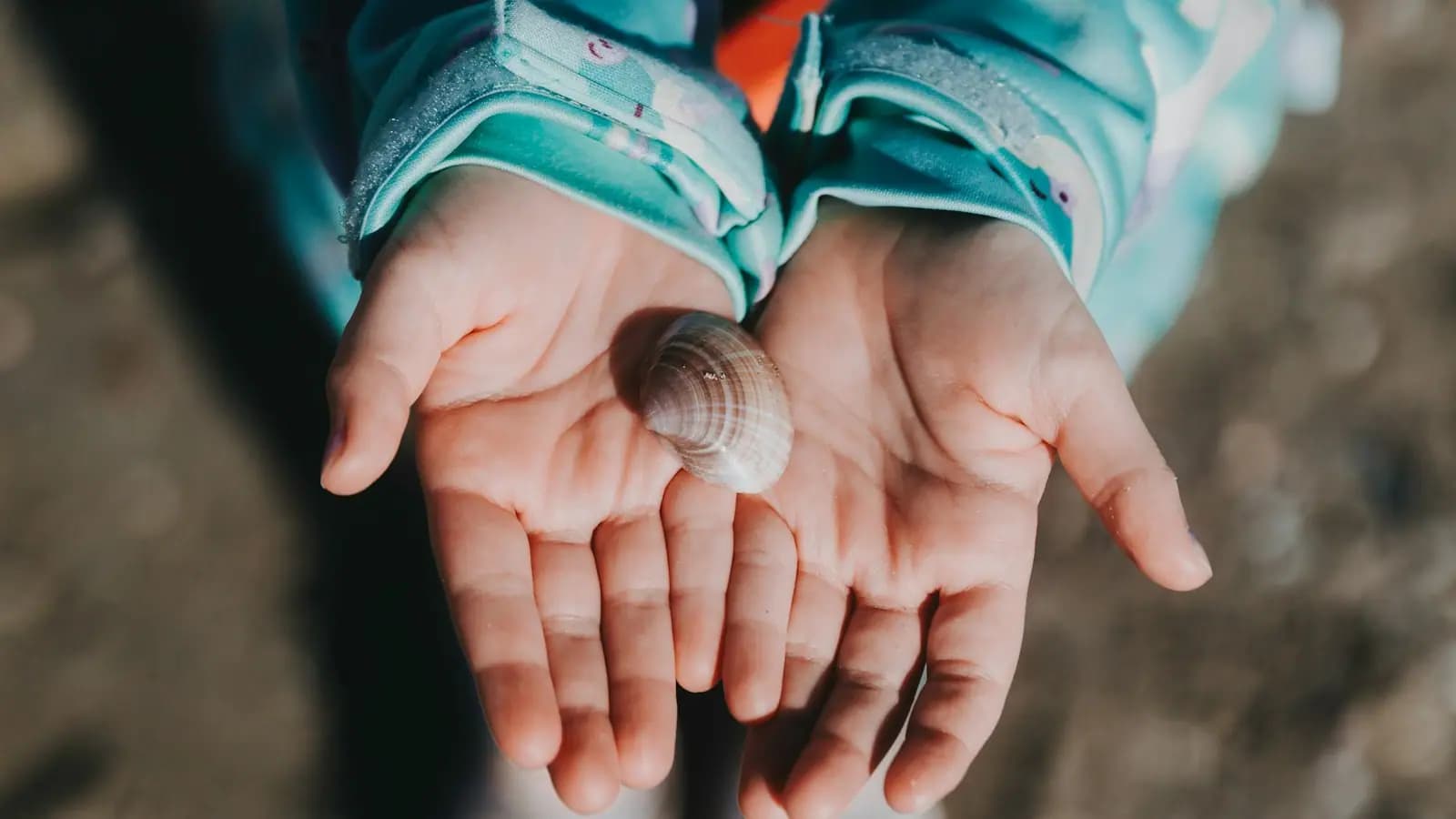
A child holding a single small seashell in cupped hands on a beach

Sanibel is a good island for children and a poor one for entertaining them. The distinction matters, because it decides whether your family will love the week or spend it looking for something to do.

There is no pier with rides. No arcade strip, no water park, no mini-golf empire, no go-karts, and the island's height ordinance means no resort tower with a lazy river either. What replaces all of that is an island where a seven-year-old can safely ride a bike to the beach on a path separated from the road, spend two hours filling a bucket with shells nobody minds them taking, and watch an alligator from a boardwalk in the afternoon. If that sounds like your family, this is close to an ideal destination. If your children measure a holiday in queues and screens, be honest with yourself now.

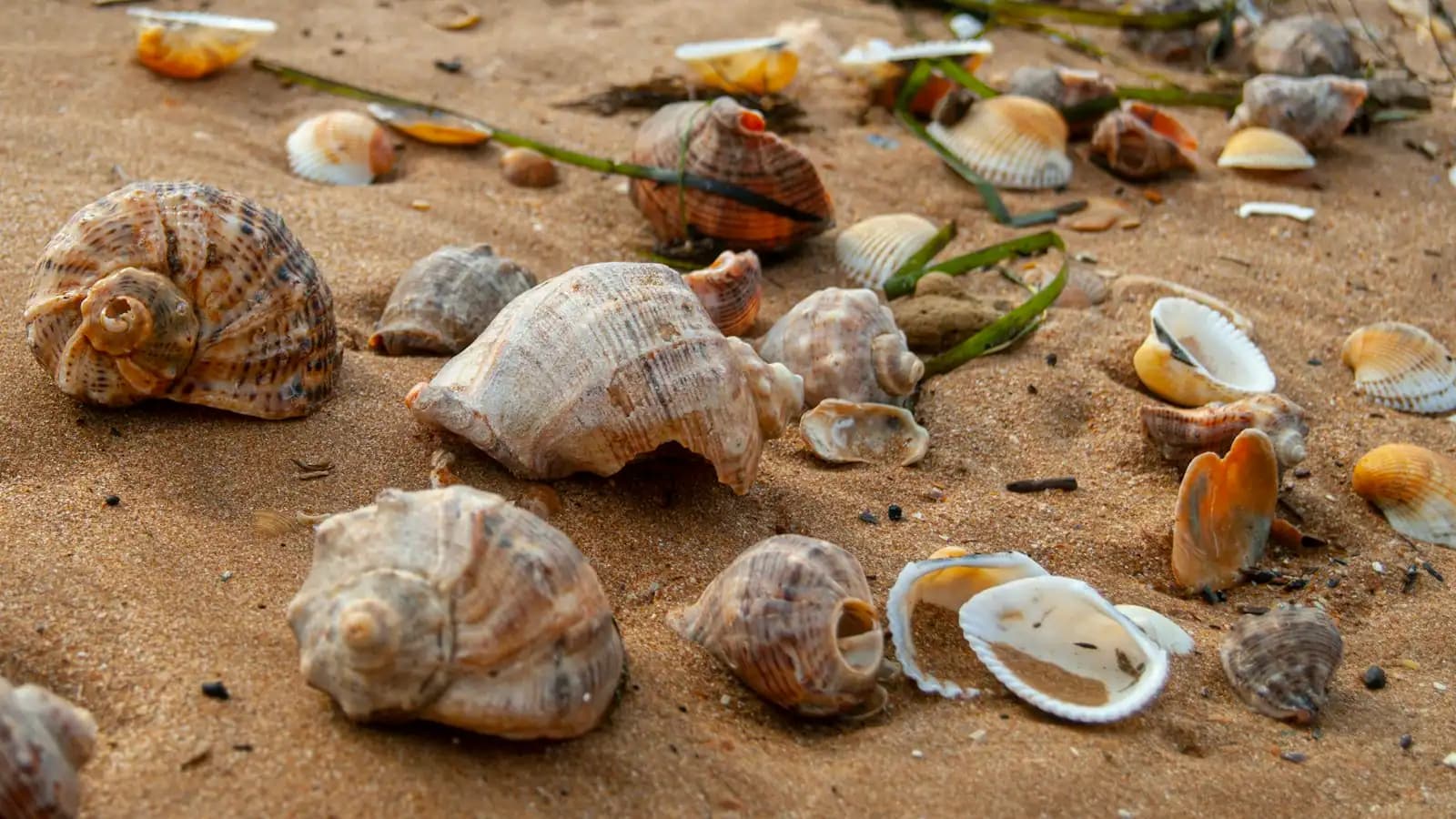
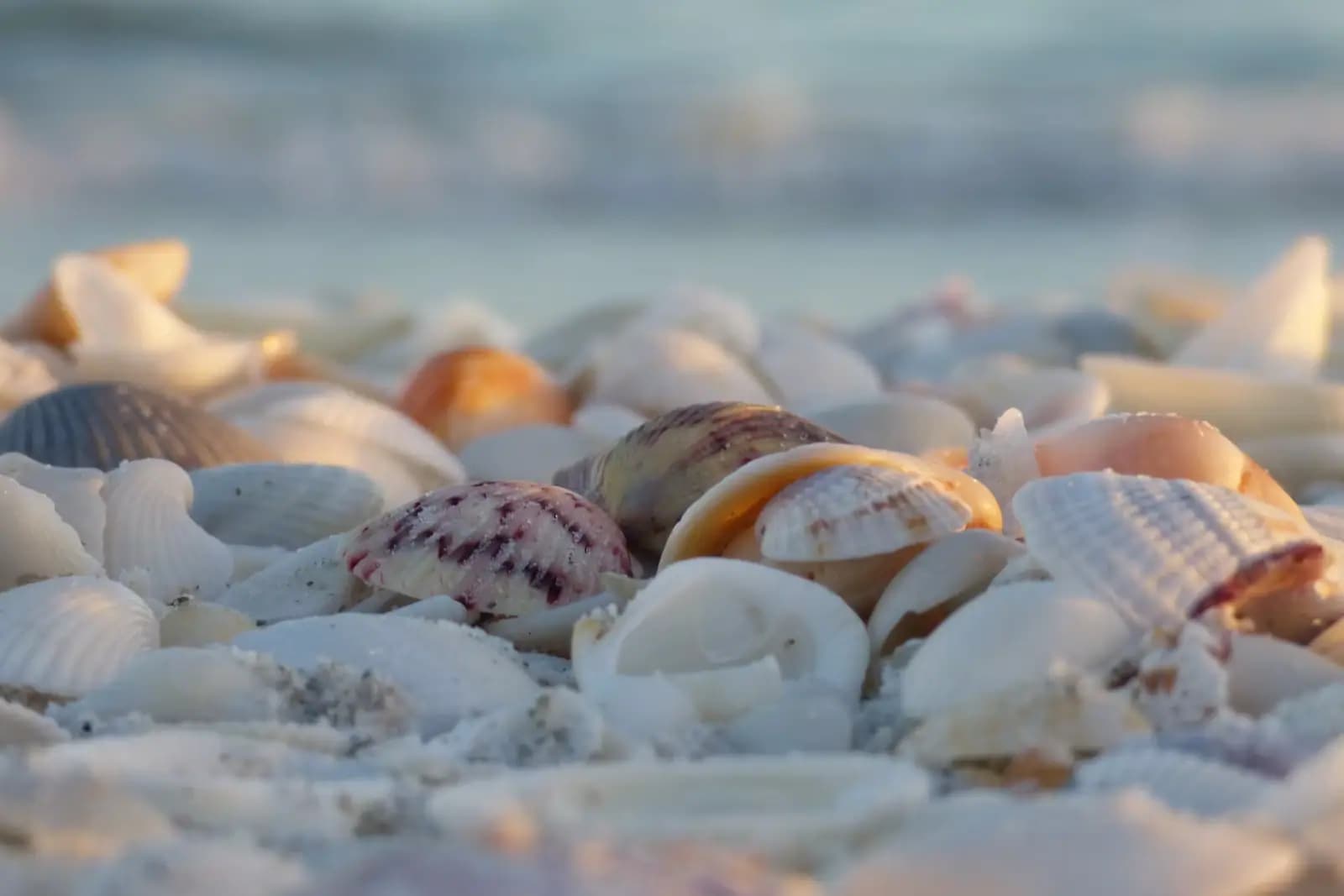
The great advantage here is that the best activity is free, endlessly repeatable and requires no equipment. Shelling absorbs children in a way nothing organised does, partly because it is a treasure hunt with genuinely variable results, and partly because they are better at it than you are — they are closer to the ground and they have not learned to walk past the small stuff. Give a child a mesh bag and a low tide and you have bought yourself ninety minutes.

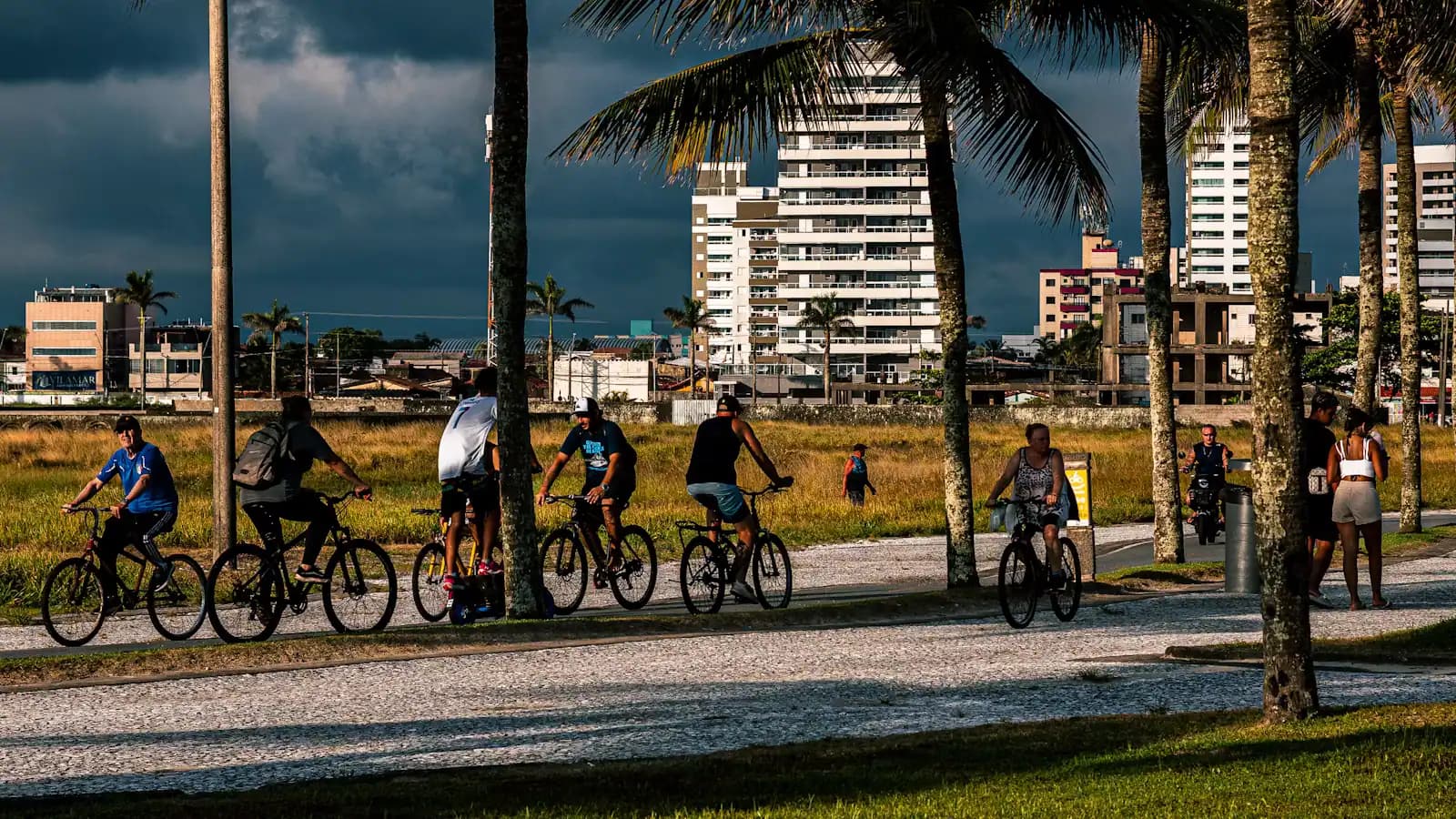
The second advantage is scale. The island is small, flat and slow. There are no traffic signals, the speed limits are low, the shared-use path runs more than 26 miles from the lighthouse at the eastern point out to the Blind Pass Bridge, and it is separated from the road rather than painted onto it. Families who would never let a child cycle at home let them cycle here by about day three.

The honest complications are heat, insects, cost and water. Summer afternoons are genuinely punishing for small children and the storm arrives most days between two and five. No-see-ums bite hardest at dawn and dusk near the mangroves and go straight through ordinary window screens. Beach parking is charged by the hour at every park and adds up over a week. And alligators live in the island's fresh water, which means the ponds, the Sanibel River and the refuge impoundments — not the Gulf, but close enough that the rule about keeping children and dogs back from pond edges is not decorative.

What follows is organised by the age of the child, because a four-year-old and a twelve-year-old want completely different things from this island.
Our picks

The ones we would book

  • Best for Families

    Best family boat trip

    Why we chose it

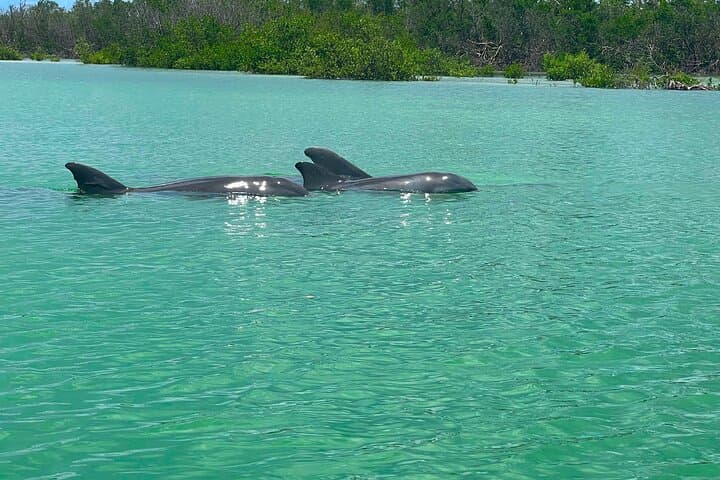
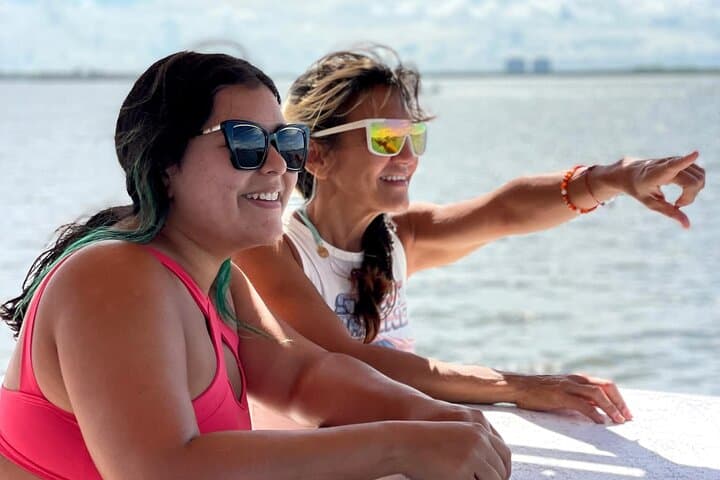
    Short, shaded and on sheltered water. A ninety-minute to two-hour naturalist trip on the bay side keeps everybody comfortable and puts dolphins, wading birds and the mangrove edge within easy sight. Ask about a restroom aboard before booking, and take a morning departure so nobody is doing this in the afternoon heat.

    The dolphins can be so curious!

    Involves Animals

    Dolphin and Manatee Adventure Tour of Fort Myers (opens in a new tab)

    Best for FamiliesFree cancellationInstant confirmation
    3K reviews

    Come join us for a once in a lifetime experience that is great for all skill levels. There are only a few places on earth to see the West…

    2 hours

    Prices checked

    from $76.68
  • Best Value

    Best-value outing for a family of four

    Why we chose it

    Four tickets is where prices bite, so the trips that make sense are the shorter shared departures in the lower band rather than a private hire. You give up flexibility on timing and keep the guide, the wildlife and the water. Check whether under-12s are discounted; on this coast they usually are.

  • Best for Beginners

    Best first paddle with children

    Why we chose it

    A guided trip on the sheltered mangrove trails, in doubles with an adult in the back, suits children from about seven. The water is flat, the wildlife is at eye level and a guide keeps the group together in channels that all look identical. Choose a mid-tide departure so nobody ends up pushing a boat over mud.

  • Editor's Pick

    Best half day for a shell-obsessed child

    Why we chose it

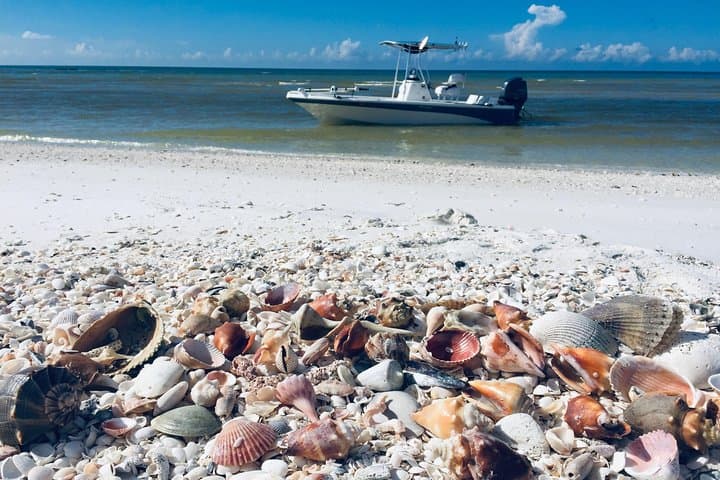
    A shelling trip to a beach with no road to it. The difference between a picked-over wrack line and an untouched one is enormous to a child who has been finding fragments all week, and a captain running the falling tide will put you there at the right hour. Bring a mesh bag and expect a full one.

    Shelling Tours - Fort Myers Beach / Naples

    Short term availability

    Shelling Tours - Fort Myers Beach / Naples (opens in a new tab)

    Editor's PickFree cancellationPrivate tour
    80 reviews

    On this trip, Guests will be exploring the local Islands around Fort Myers and Naples area. The Islands are well known for their excellent…

    2 hours

    Prices checked

    from $350
  • Best Private Tour

    Best private trip with a mixed-age group

    Why we chose it

    Worth it with grandparents and toddlers in the same party, because you set the departure time, the length and the turnaround point. Half-day charters are the usual booking and the per-head cost stops looking steep at five or six people. Say when you book that you want shade and short stretches between stops.

With toddlers and under-fives

This age does better here than on most Florida islands, because the entertainment is at ground level and requires nothing.

The Gulf-side beaches shelve gently and the water is usually calm, which makes Tarpon Bay Beach and Gulfside City Park good choices — both have short walks from the car park, which matters when you are carrying a child and a bag. Bowman's Beach has better shelling but a footbridge and a few hundred metres of path between the car and the sand, which is a long way with a toddler and a wagon.

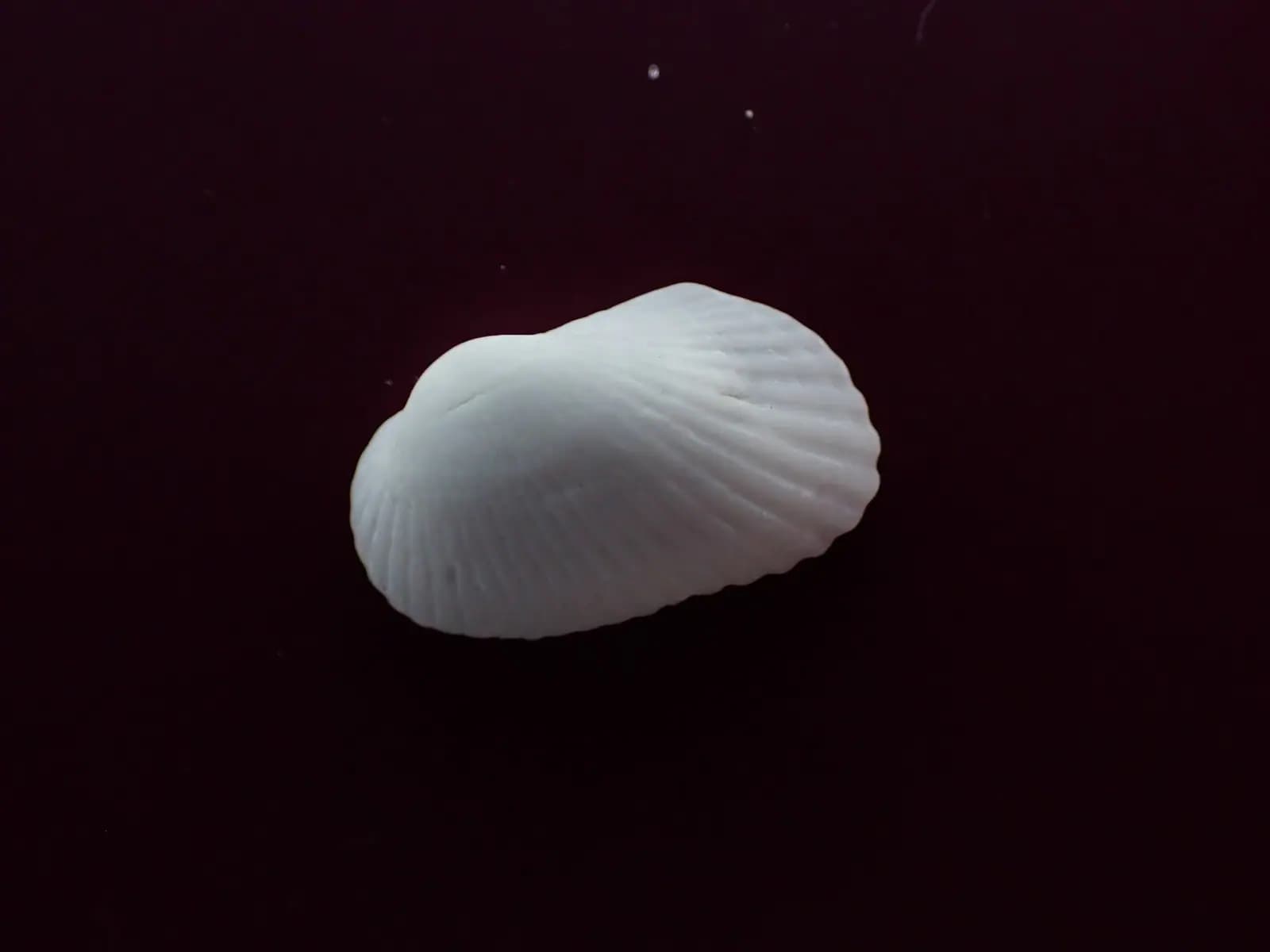
Shelling works from about three. The trick is to give them a category rather than a quota: only white ones, only ones with a hole in them, only pairs still hinged together. That last one doubles as a teaching moment about live shells.

A short tram trip on Wildlife Drive works better than a self-drive at this age, because they can look out of both sides and are not strapped in.

Two practical notes. Shade is scarce on these beaches — bring your own, because the Australian pines that used to provide it in places came down in 2022 and the replacement vegetation is young. And the afternoon nap is not negotiable in summer; plan the beach for the morning and the air conditioning for the middle of the day.

With children aged about five to eleven

The island's sweet spot. This is the age at which Sanibel stops being a beach and starts being a place with things in it.

Bikes. Rent them for the week rather than the day. Once a child can ride the path confidently, the whole island opens up and you stop being a taxi service. Only Class 1 pedal-assist e-bikes are permitted on the path, so the throttle-style e-bike you may be used to at home is not an option.

The shell museum and aquarium. The single best indoor hour on the island for this age group, because it closes the loop: the animals in the tanks downstairs made the empty shells they have been collecting all week. The live molluscs moving through sand tend to be the thing they talk about afterwards.

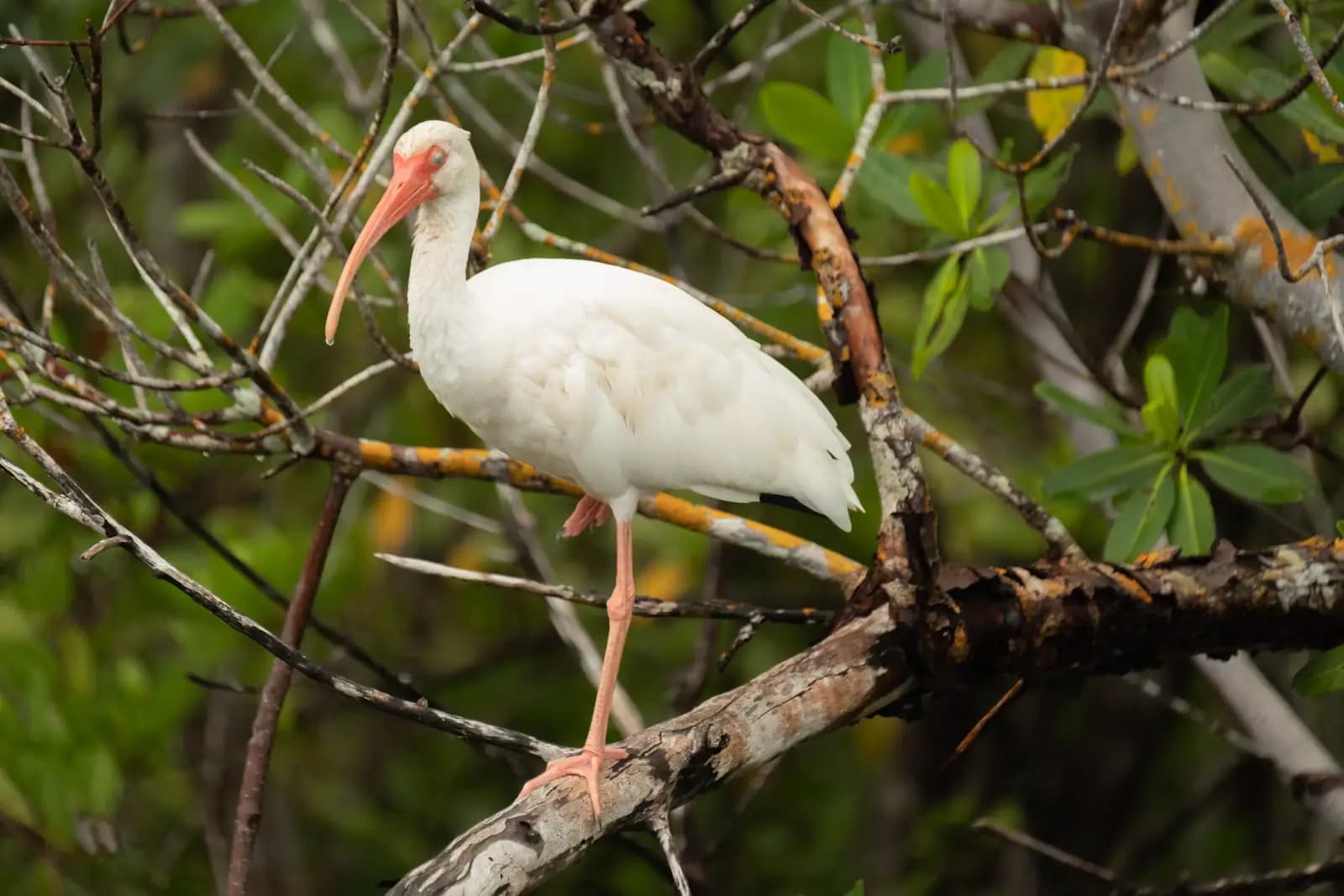
Wildlife Drive. Give them the binoculars and a checklist. Roseate spoonbills are the easy win — a large pink bird is impossible to be bored by — and alligators on the bank hold attention indefinitely. Go on a falling tide and not on a Friday, when the drive is closed all year.

Kayaking. From about seven with an adult in a double, on the sheltered mangrove trails rather than in the Gulf. Guided is better than hired for a first outing.

The wildlife hospital. CROW, on Sanibel-Captiva Road, treats native animals brought in by residents, and its education centre connects directly to everything they have been looking at outside. Confirm current opening before making the trip.

With teenagers

The hardest age here, and worth planning for rather than hoping about.

What works is anything with a skill attached. Paddleboarding on the bay side, a fishing trip, learning to identify what they are picking up rather than just collecting it, a long ride out to the western end of the island and back. The marine science and surf-style day programmes that operate on the island in season are aimed squarely at this group and are usually the thing that turns the week around.

What does not work is expecting an evening. Sanibel has restaurants and very little else after dark, by design. If your teenager's holiday requires a boardwalk, an evening crowd and something open at ten, plan one day trip off the island to Fort Myers Beach and set expectations accordingly.

The compensating advantage is independence. A fourteen-year-old can take a bike to the beach here in a way that is simply not possible in most American holiday destinations, because the path is separated, the island is small, and the traffic is slow. Parents who have never let a child out of sight at home tend to loosen up by the middle of the week.

Phone signal is generally fine. Wet weather is the enemy, because there is no indoor teenage infrastructure at all beyond the museum.

When it is too hot, too wet or the beach has failed

Local tips

You will need one or two of these in any week longer than four days.

  • The shell museum and aquarium. The reliable answer, and better in the middle of the day than first thing.
  • The Bailey Tract. Free, flat, shaded in stretches, about three miles of trails, and open on Fridays when Wildlife Drive is not. Good for alligator-spotting from a safe distance.
  • The Sanibel Historical Village. Nine relocated historic buildings and the story of the farming island that existed before the causeway. Check the calendar first — it closes for the summer months and reopens in mid-October.
  • A bookshop afternoon. The island's independent bookshops are a genuine institution and a reasonable place to lose an hour.
  • Lunch somewhere with a view of water. An underrated move with children who have had enough sun.

For pure heat rather than rain, the answer is usually to move the day rather than change it: beach at seven, indoors from eleven to three, back out at four. Families who fight the Florida clock have a worse week than families who accept it.

And if the shelling has been poor all week — which happens, usually after a long flat calm — book a boat. Getting to sand that has not been walked is the one thing money reliably fixes here.

Book it

Everything else we track

Some links below go to Viator, our booking partner. We earn a commission on bookings made through them — at no extra cost to you, and with no influence on what we recommend.

What to tell children before they get on the beach

Before you book

A short list, and worth doing properly on day one.

Live shells stay. Taking a shell with the animal still inside is illegal on Sanibel, and that includes sand dollars, sea stars, sea urchins and conchs. The test children can apply themselves: if it is still in two halves joined together, if something soft moves inside, if there is a little door sealing the opening, or if a sand dollar is furry and brownish rather than white and bleached, it goes back in the water.

Fill in the holes. Sea turtles nest on these beaches from May into October and a hatchling can be trapped by a hole a child dug in the afternoon. Knock down castles before you leave. Keep torches off the beach after dark.

Fresh water is not for paddling. Alligators live in the ponds, the Sanibel River, the refuge impoundments and the golf course water. Stay back from the edge, particularly at dawn and dusk, and never let anyone feed one.

Blind Pass is not a swimming spot. The water near the bridge deepens abruptly and the current through the pass is strong. Walk down the beach away from the bridge before anyone gets in.

Shuffle your feet in the shallows. Stingrays rest in the sand in the warmer months. Sliding your feet rather than stepping gives them warning, which is all that is needed.

Heat and sun. The Gulf breeze is deceptive. Rash vests are more reliable than reapplication, and the middle of a summer day is not beach time for small children.

On the ground

Where to go

Every place below has its own page — hours, parking, what it costs and what to expect when you get there.

  • A roseate spoonbill with pink wings spread standing in shallow water

    Nature preserve

    J.N. "Ding" Darling National Wildlife Refuge

    Around 5,200 acres of mangrove estuary named after a newspaper cartoonist, covering a large share of the island. Closed one day a week.
    1.5–5 hoursWildlife Drive costs $10 per vehicle, or $1 per cyclist and pedestrian over 15. The Bailey Tract is free.

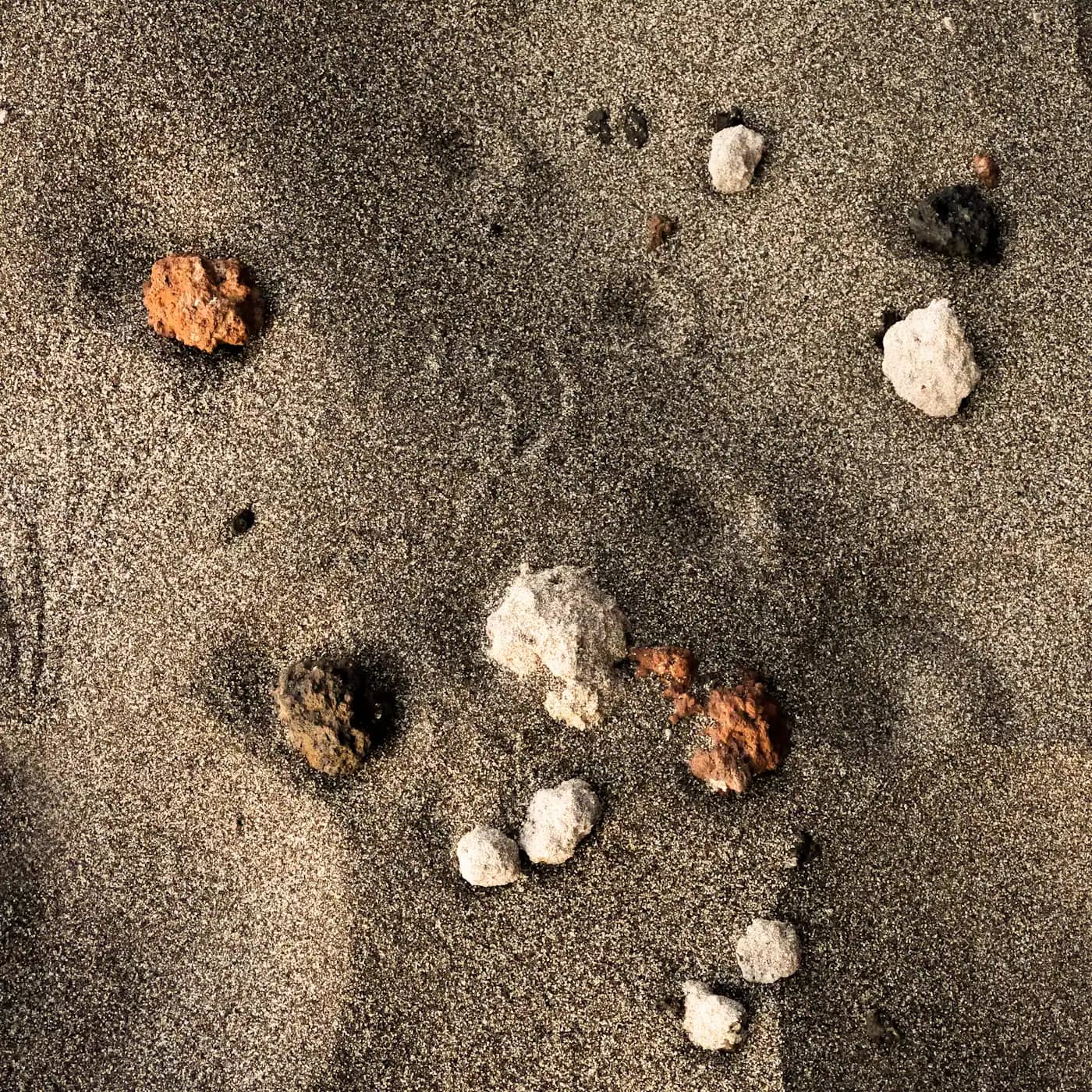
  • A scatter of small shells and pebbles part-buried in damp grey sand

    Beach

    Bowman's Beach Park

    Free

    The island's largest lot, and a quarter-mile walk over a bayou footbridge before you reach sand. The walk is what keeps it empty.

    2–6 hoursFree to enter. Parking is $5.00 per hour, enforced 24 hours a day.

  • A beach cruiser bicycle leaning against a white picket fence at the head of a sandy beach access path

    Trail

    Sanibel Shared Use Path

    Free

    Twenty-five-plus miles of separated paved path from the lighthouse to Blind Pass, on an island with no traffic signal to stop you.

    1–5 hoursFree to use. Bicycle hire and refuge entry are separate costs.

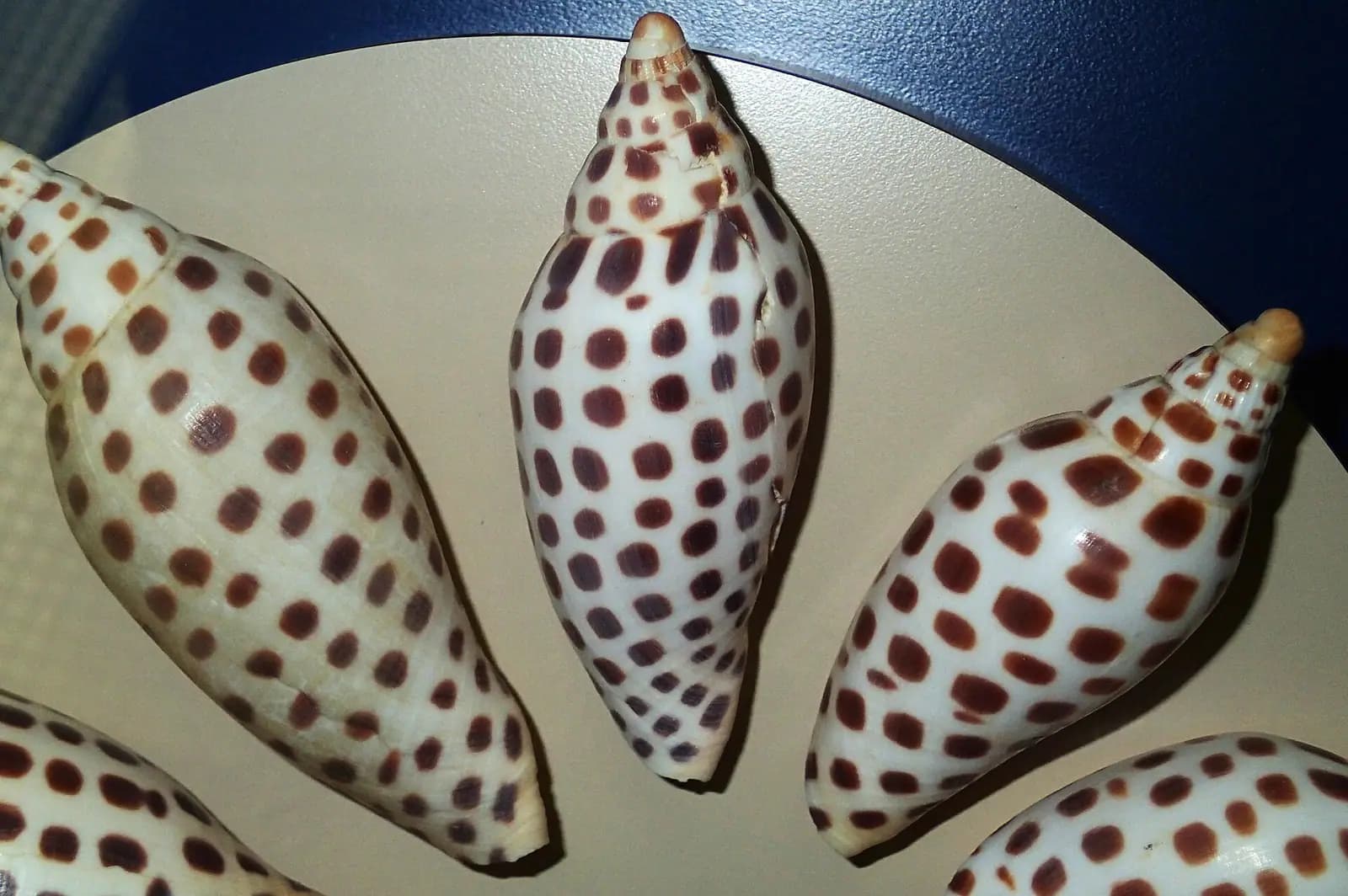
  • A close-packed group of patterned seashells in warm browns and creams

    Museum

    Bailey-Matthews National Shell Museum & Aquarium

    The only museum in the country devoted to shells and the animals that make them — and now an accredited aquarium as well.

    1.5–3 hoursAdults $25, seniors and veterans $20, youth and students $15, children 5–11 $10, under 5 free.

  • A fish-eating bird perched on a slim branch against a green background

    Wildlife

    Clinic for the Rehabilitation of Wildlife (CROW)

    A wildlife hospital where the goal is release, so what you watch is surgery on a camera feed rather than animals on display.

    1–2 hoursAdmission charged for the Visitor Education Center, with guided tours ticketed separately.

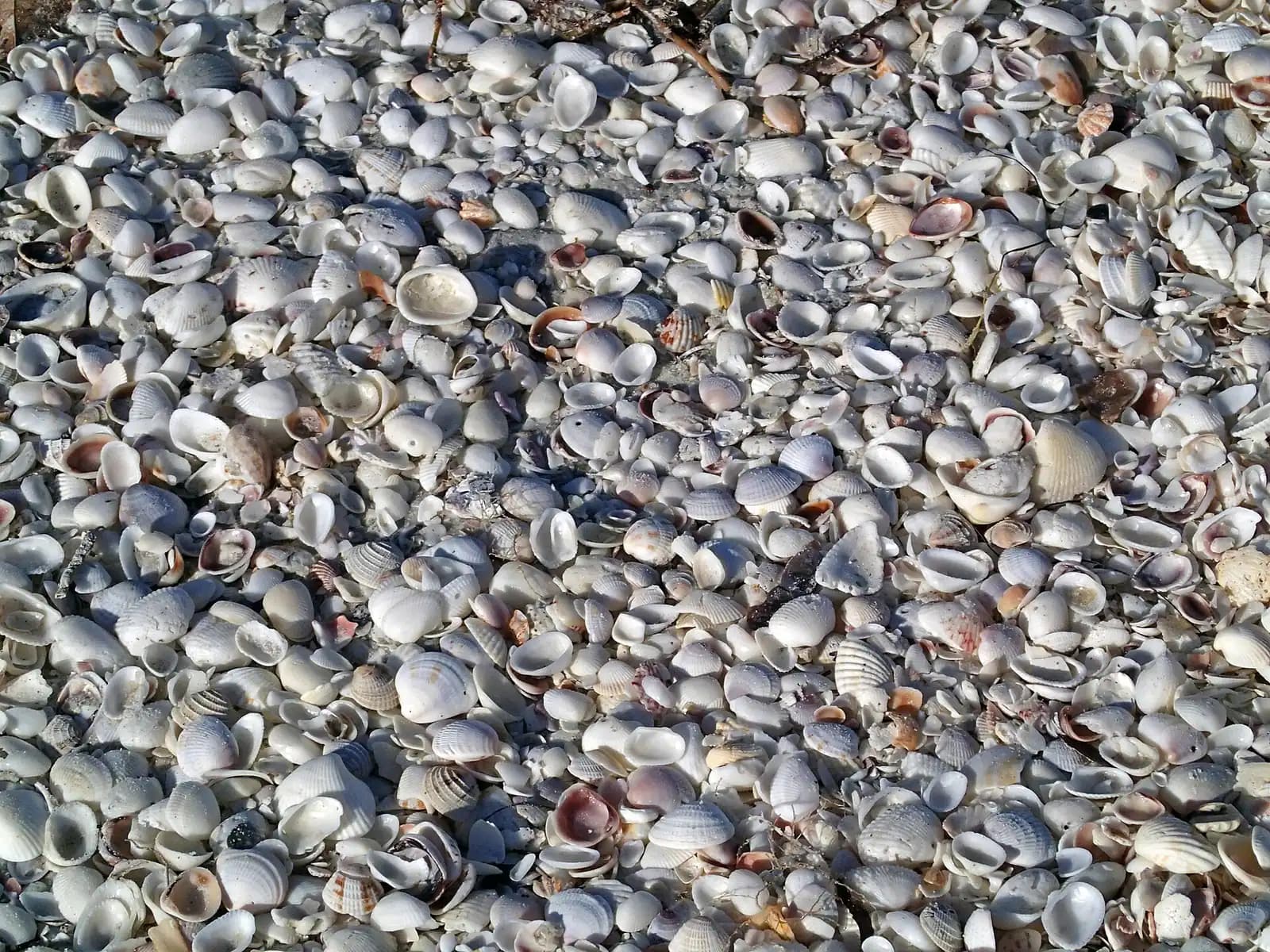
  • A dense bed of small pale seashells heaped together on wet sand

    Beach

    Lighthouse Beach Park

    Free

    The island's east point, where the Gulf beach and San Carlos Bay meet — and the biggest beach lot on Sanibel at 162 spaces.

    1.5–5 hoursBeach access is free. Parking is $5.00 per hour, enforced 24 hours a day.

  • A sandy path running beneath an arch of overhanging coastal trees

    Beach

    Gulfside City Park (Algiers Beach)

    Free

    Locals call it Algiers. A shaded pavilion, a gently shelving shore, and only 46 spaces to fight over.

    2–6 hoursNo entry charge. The 46-space lot costs $5.00 an hour, charged around the clock.

  • People standing waist deep on a bright sand flat with a small boat moored beyond them

    Entertainment

    Sanibel Sea School

    A marine science school on Periwinkle Way where children spend the session in the water rather than looking at it through glass.

    3–6 hoursPaid by programme. Day courses, camps and guided walks are priced separately.

  • A shaded sandy path running under arching trees between low vegetation

    Historic site

    Sanibel Historical Museum & Village

    The island's surviving pioneer buildings, moved onto one site off Dunlop Road. Closed for the season from August to mid-October.

    1–2 hoursSelf-guided: adults 19+ $20, youth 6–18 $10, children 5 and under free. Parking is free.

  • A bicycle leaning against a pale fence beside palm foliage on a sunny day

    Shopping

    Periwinkle Way

    Free

    Sanibel's main street and the birthplace of its bike path network. No traffic lights, no chain fast food, shops set back behind planting.

    1–4 hoursFree. The plaza car parks along the street are free to customers.

  • Clear shallow water over a rippled pale sand bottom seen from directly above

    Beach

    Tarpon Bay Road Beach Park

    Free

    Under an acre of Gulf access in the middle of the island, with the car park a quarter-mile back up the road.

    1–4 hoursFree to enter. Parking is $5.00 per hour at the lot a quarter-mile north.

Straight answers

Questions people actually ask

Is Sanibel Island good for families with young children?

Yes, provided your family enjoys beaches, bikes and wildlife rather than organised entertainment. The Gulf-side beaches shelve gently, shelling occupies children for hours at no cost, the bike path is separated from traffic, and the refuge and shell museum both hold a young child's attention. What the island deliberately does not have is a pier, an arcade, a water park or any nightlife.

What is there for kids to do on Sanibel when it rains?

The Bailey-Matthews National Shell Museum and Aquarium is the main indoor option and is genuinely good for this age group, because the live animals downstairs explain the shells they have been collecting. The Sanibel Historical Village is the other, but it closes through the summer and reopens in mid-October. Beyond that the island is short on indoor entertainment, so most families move the day rather than replace it.

Can children cycle safely on Sanibel?

More safely than almost anywhere comparable. The shared-use path runs more than 26 miles from Lighthouse Beach Park to the Blind Pass Bridge, physically separated from the road rather than marked on it, and connects the beaches, shops and the refuge. There are no traffic signals on the island and speeds are low. Only Class 1 pedal-assist e-bikes are allowed on the path — no throttle models and no scooters.

Are there alligators on Sanibel beaches?

Not on the Gulf beaches. Alligators live in the island's fresh and brackish water: the refuge impoundments, the Sanibel River, interior ponds and golf course water. That is close enough that the rules matter — keep children and dogs well back from pond edges, take particular care at dawn and dusk, and never feed one, which is illegal and is what causes an animal to become dangerous and then be removed.

What age can children start shelling on Sanibel?

About three, and they are often better at it than adults because they are closer to the ground. Give them a category rather than a number to find — only white ones, only ones with a hole, only pairs still joined — which keeps them occupied and doubles as a way of teaching the live-shell rule. A mesh bag drains and does not end up full of wet sand.

Can kids take sand dollars home from Sanibel?

Only if they are already dead. Taking a live sand dollar is illegal on Sanibel, along with live starfish, sea urchins, conchs and any shell with the animal still in it. The test a child can apply: a living sand dollar is brownish and covered in fine moving fuzz, while one you may keep is bleached white and hard. If there is any doubt, put it back in the water.

Is Sanibel or Captiva better with kids?

Sanibel, for most families. It has the bike path network, the refuge, the shell museum, more beach parks with parking and facilities, and dogs are permitted on leash. Captiva is narrower and more resort-oriented, has no equivalent path system, and does not allow dogs on its beaches. Captiva makes an excellent day out from Sanibel, particularly for the sunset at the northern end.

What should you bring to Sanibel with children?

Shade, because the beaches have very little natural cover and the vegetation lost in 2022 is still growing back. Rash vests rather than relying on reapplying sunscreen. A mesh shell bag each. Insect repellent for dawn and dusk, particularly anywhere near mangroves. Binoculars for the refuge. Water shoes for the shell-graded sand, which is harder on bare feet than soft quartz beaches are.