Skip to content
Menu

We earn a commission if you book through this link. You pay the same price.

Search

Tours

Sanibel Fishing Charters

Last updated

Sanibel sits at the mouth of the Caloosahatchee, which decides the fishing. Charter types, costs, shore spots and the water-quality question answered.

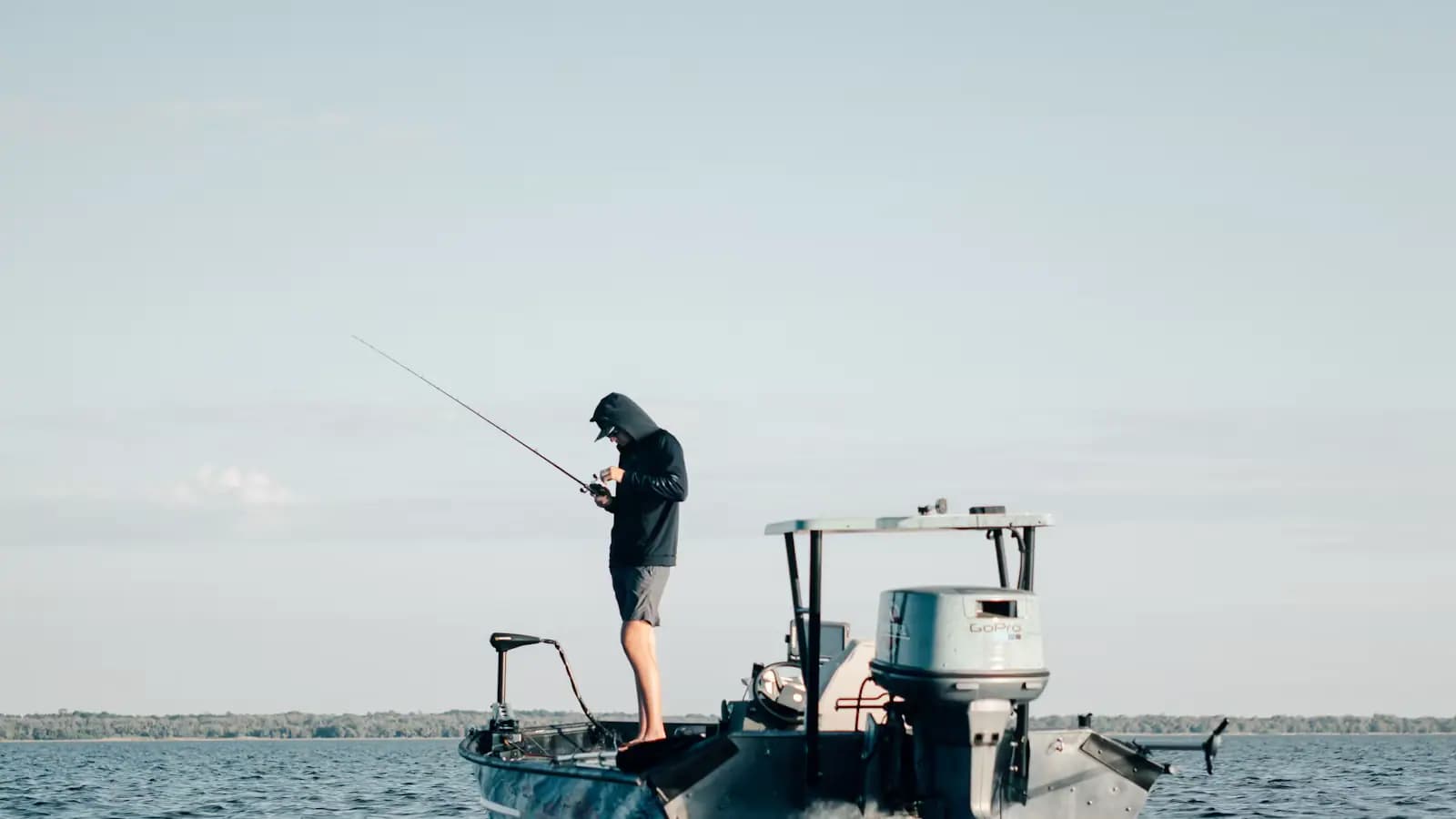
An angler standing on the bow platform of a shallow-draft boat casting across open waterUnsplash

Ask a captain on these islands what decides a fishing day and you will not get an answer about wind. You will get an answer about water — its colour, its salinity, and what the Caloosahatchee has been doing for the past fortnight.

Sanibel lies across the mouth of that river. The Caloosahatchee drains a very large watershed and, in some years, carries managed releases from Lake Okeechobee down to the coast, and all of it empties into San Carlos Bay right at the island's eastern end. Fresh water and nutrients arriving in quantity change where fish hold, how clear the water runs and, in a bad year, whether the inshore fishery is worth booking at all. No other fishing destination on this coast sits quite so directly in front of a river of that size. It is the thing that makes fishing here different, and it is the thing most listings will not mention.

What is on offer either side of the island is genuinely good. North and west, Pine Island Sound is a shallow island-studded estuary running for miles toward Cayo Costa, full of oyster bars, seagrass, creek mouths and mangrove shoreline. East and south, San Carlos Bay and the beaches face the open Gulf. The passes between the islands — Blind Pass between Sanibel and Captiva, the larger cuts further north — funnel bait and hold fish on a moving tide. Snook, redfish, spotted seatrout, snapper, sheepshead, jack, Spanish mackerel and, in the right months, tarpon are all realistic.

The practical structure of the market has changed since Hurricane Ian in September 2022. Marina infrastructure on both islands was destroyed or badly damaged, and while the fleet has come back, where individual captains keep their boats and where they meet clients is not what it was before the storm. Some run from the east end of Sanibel near the lighthouse, some from Captiva, and a good number now start from the Fort Myers side of the causeway. Confirm your meeting point in writing rather than assuming it is on the island.

A last piece of framing. This is a light-tackle, sight-fishing, shallow-water coast far more than it is an offshore one. If you want grouper from deep structure you can get it here, but you will spend a long day running for it, and it is not what the island is for.
Our picks

The ones we would book

  • Editor's Pick

    Best all-round inshore charter

    Why we chose it

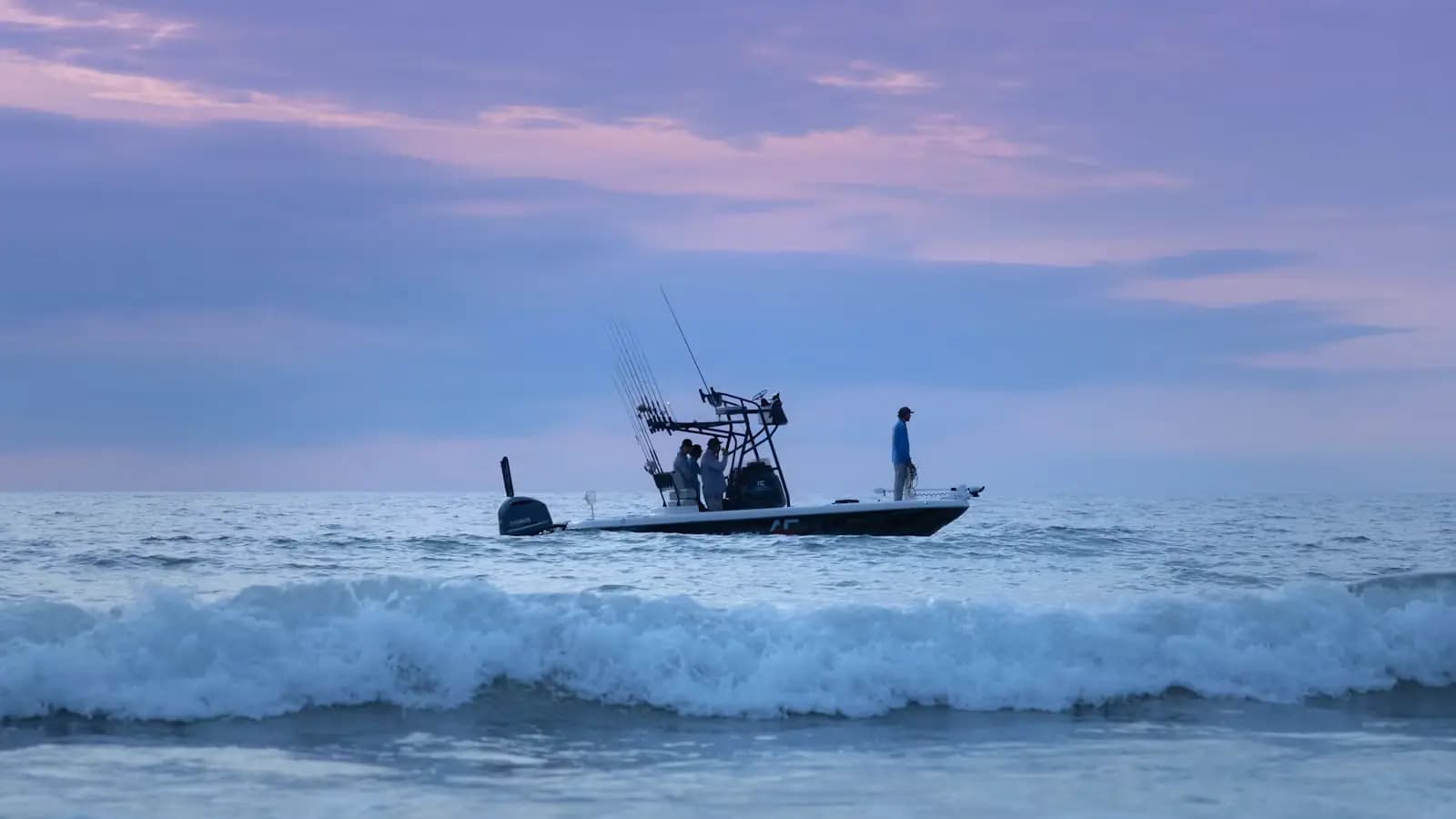
    A half-day light-tackle trip into Pine Island Sound on a bay boat, which is the honest compromise hull for this coast — shallow enough for the backcountry, capable enough to cross San Carlos Bay. The captain picks the hour from the tide rather than from your breakfast. The trip that suits most visitors who want to catch fish rather than collect a species.

  • Best for Families

    Best trip with children aboard

    Why we chose it

    Four hours, sheltered water inside the islands, and a target list of snapper, sheepshead and trout that actually bite rather than a long hunt for one trophy. Ask about shade and a head aboard before you book. A child who catches six small fish has a better day than one who watches an adult cast at tarpon for four hours.

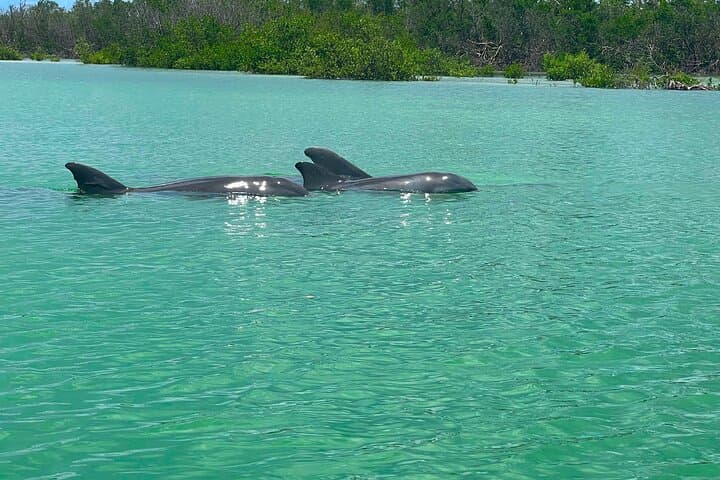
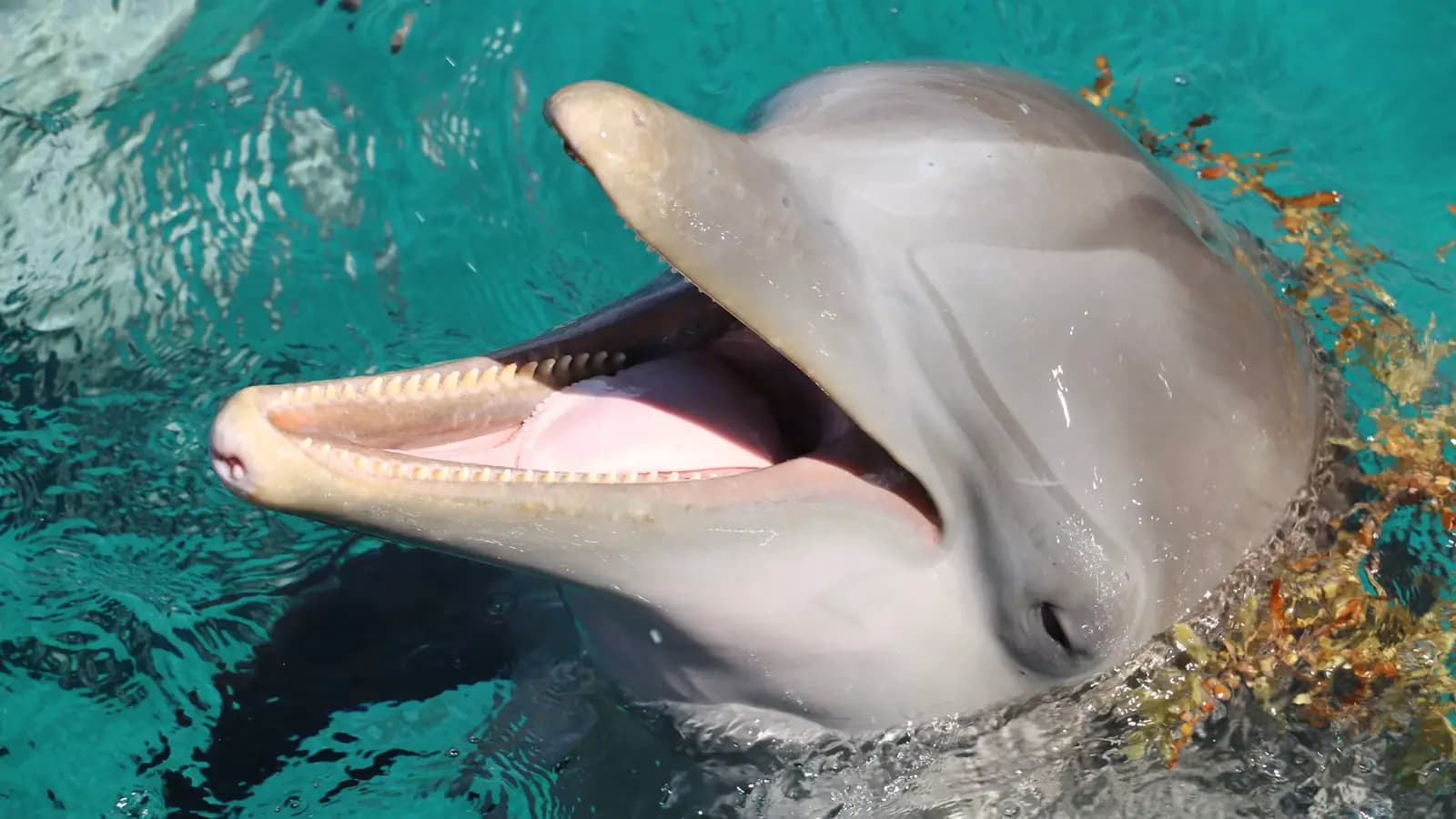
    The dolphins can be so curious!

    Involves Animals

    Dolphin and Manatee Adventure Tour of Fort Myers (opens in a new tab)

    Best for FamiliesFree cancellationInstant confirmation
    3K reviews

    Come join us for a once in a lifetime experience that is great for all skill levels. There are only a few places on earth to see the West…

    2 hours

    Prices checked

    from $76.68
  • Best Private Tour

    Best private guide for sight fishing

    Why we chose it

    A shallow-draft skiff and a guide on the pole, working oyster bars and grass edges for redfish and snook in water measured in inches. This is the fishery the region is genuinely known for. It is also the least forgiving: wind kills it, and a poor caster will spend the morning being coached. Worth it if you can cast.

  • Best Value

    Best value shared trip

    Why we chose it

    Split charters put you on the water for a fraction of a private booking, at the cost of fishing someone else's plan. Sensible for solo anglers and for anyone who wants a few hours out rather than a targeted hunt. Ask how many rods will be aboard; four anglers on a bay boat is comfortable, six is a queue.

    Sunset Cruise Fort Myers Beach

    Private and Luxury

    Sunset Cruise Fort Myers Beach (opens in a new tab)

    Best ValueFree cancellationInstant confirmation
    23 reviews

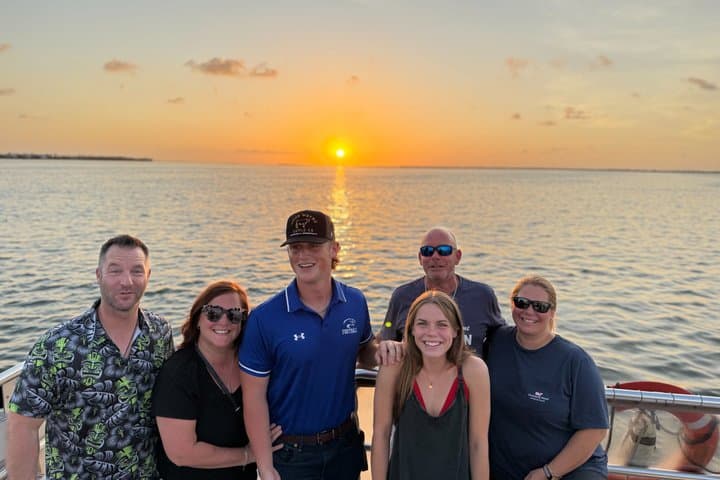
    Join us for a scenic 90 minute cruise at sunset that blends comfort, adventure, and the wonders of nature. Book your spot today and…

    1–2 hours

    Prices checked

    from $47.92
  • Top Rated

    Best trip for tarpon season

    Why we chose it

    From roughly May into July, tarpon move along the Gulf beaches and stack in the passes north of the island. It is largely catch and release, it is physically demanding, and the good water is a run away rather than on the doorstep — so expect a longer, costlier day. Book months ahead; the best guides fill first.

The three pieces of water, and how they differ

Sanibel sits at a junction, which is why a short run from the same dock can put you in very different conditions.

Pine Island Sound, to the north and west, is the classic Southwest Florida backcountry: broad, shallow, sheltered by a line of barrier islands, floored in seagrass and studded with oyster bars and mangrove keys. This is where light tackle and sight fishing make sense. Water is usually a foot to a few feet deep. It fishes well in wind that would ruin a Gulf day, because the islands break the sea.

San Carlos Bay, to the east, is the river mouth. It is bigger water, more open, and the most directly affected by what the Caloosahatchee is carrying. The causeway spans and their pilings, the channel edges and the bay's flats all hold fish, and it is close enough to the boat ramps that a half-day trip loses very little time getting there.

The Gulf beaches and passes, to the south and west, are the third option. The beach itself is a fishery from spring through summer, worked from a boat sitting just off the bar. The passes concentrate everything on a moving tide.

No single boat does all three well. A flats skiff is built for the sound and is miserable in a Gulf chop. A bay boat is the honest compromise and is what most island charters run. A larger centre console gets you offshore and cannot follow a skiff into a foot of water. Ask what the captain runs before you book, because it tells you where you are going.

What is biting, and roughly when

When to go

Seasons on this coast are softer than in the north — almost everything is available in some form year-round — but the peaks are real.

Roughly whenWhat the island is known for
December to FebruarySheepshead around structure and the causeway pilings, spotted seatrout on the deeper grass, redfish in the backcountry on warmer afternoons
March to MayThe strongest all-round inshore months. Snook moving out toward the passes, redfish, trout, Spanish mackerel arriving
May to JulyTarpon along the Gulf beaches and in the passes north of here. The marquee fishery of the region, and largely catch and release
August to SeptemberHot, wet and quiet. Early mornings only. Snook in the passes, mangrove snapper reliable
October to NovemberUnderrated. The heat breaks, redfish school up, and the islands are far less crowded than in spring

Two caveats worth more than the table. Tarpon fishing in this region centres on the passes north of Sanibel, and the famous water is a run away rather than on the doorstep — expect a longer, more expensive day if that is the target. And the inshore species most visitors want to catch have been subject to changing harvest rules for several years running. Assume catch and release unless your captain tells you otherwise on the day.

Tide governs the hour. A guide who wants you on the dock at six, or at ten, is working the water rather than your convenience.

Fishing without a boat

Sanibel is unusually good for shore fishing, and the best of it is free.

The causeway islands — the spoil islands strung along the bridge between the mainland and Sanibel — are the island's worst-kept fishing secret. You can pull off, park on the sand and cast into moving water where the bay narrows. It fishes for snook, redfish, sheepshead, jack and mackerel depending on the month, and the current under the spans concentrates bait. It is also completely exposed, so wind matters, and parking there is subject to the causeway's own rules and fees rather than the island's beach meters.

Inside the wildlife refuge, fishing is permitted in Tarpon Bay, the mangrove estuary and the Sanibel River, under refuge rules and refuge hours. Remember Fridays: the refuge closes entirely.

The Gulf beaches fish well at dawn and dusk, particularly in the warmer months when snook run the trough just off the sand. Beach fishing here is a quiet pleasure and costs nothing but a licence.

On licensing: anglers on a properly licensed charter vessel are normally covered by the boat's licence. If you are fishing from shore, from a rented boat or from a kayak, you need your own. Florida sells short-term non-resident saltwater licences online and through tackle shops, and the rules for shore fishing differ from those for boat fishing. Check the current position with the Florida Fish and Wildlife Conservation Commission before you cast.

What a charter costs here

What it costs

Charter pricing on these islands runs at or above the Florida average, and the reasons are fuel, distance and a market that has not had spare capacity since the storm. Bands, not quotes — confirm when you book.

  • Half day inshore, four hours, one to three anglers: most trips land somewhere in the four hundred to six hundred dollar range for the boat.
  • Three-quarter or full day inshore, six to eight hours: commonly six hundred to nine hundred.
  • Offshore trips: meaningfully more again, and the longer the run the steeper it gets.
  • Shared or split charters: available and much cheaper per head, but you fish to the group's plan.

Two costs that are not in the headline number. Crew gratuity is customary on this coast, generally in the fifteen to twenty percent range, and it is not included. And if you intend to keep fish, ask in advance whether the captain cleans the catch and whether there is a charge.

What is normally included: rods, reels, terminal tackle, bait, ice and the vessel's licence. What is normally not: food, drink, sun protection and a hat that will survive thirty knots of apparent wind.

Booking distance matters more here than the price. The best captains on the islands are booked weeks out for March and April. If you have a specific guide in mind, reserve before you book flights, not after.

Book it

Everything else we track

Some links below go to Viator, our booking partner. We earn a commission on bookings made through them — at no extra cost to you, and with no influence on what we recommend.

Sharing, or having it to yourselves

Most of what is bookable here sells two ways, and the cheaper one is not always the cheaper one. A shared departure is priced per person; a private booking is priced for the party, so the arithmetic flips somewhere around four to six people — and it is the only version where you pick the time. Check the party size each listing actually covers before you decide.

  • Book a seat

    A shared departure, priced per person. The cheapest way to do this for one or two people.

  • Book the whole thing

    Priced for the party rather than the seat, and you choose the departure time.

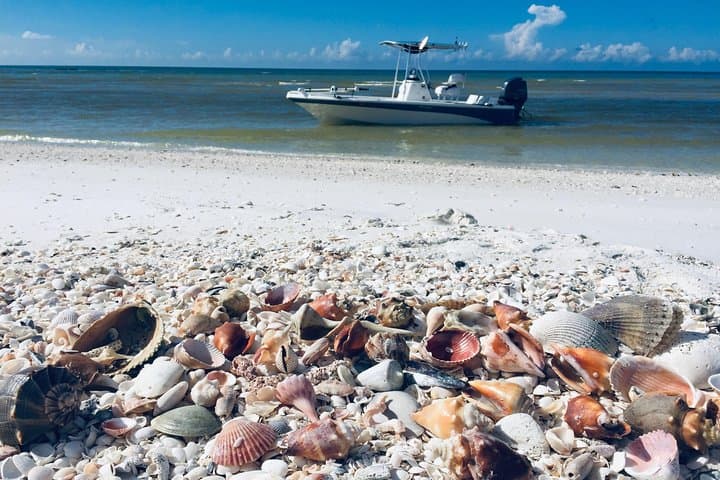
    Shelling Tours - Fort Myers Beach / Naples

    Short term availability

    Shelling Tours - Fort Myers Beach / Naples (opens in a new tab)

    Free cancellationPrivate tour
    80 reviews

    On this trip, Guests will be exploring the local Islands around Fort Myers and Naples area. The Islands are well known for their excellent…

    2 hours

    Prices checked

    from $350
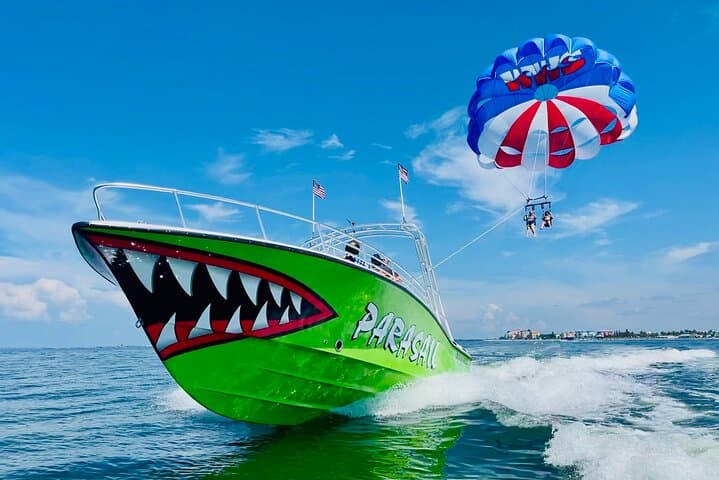
  • Fort Myers Beach #1 Parasailing Experience

    Extreme Sports

    Fort Myers Beach #1 Parasailing Experience (opens in a new tab)

    Free cancellationInstant confirmation
    15 reviews

    Take off and enjoy the highest Fort Myers Beach parasailing flights that Wind and Water Sports has to offer! All while being captivated by…

    1 hour

    Prices checked

    from $110
  • Southwest Florida Sunset Sail

    Wildlife Watching

    Southwest Florida Sunset Sail (opens in a new tab)

    Free cancellationInstant confirmation
    514 reviews

    SWFL sunsets are the best, and there is no better place to watch them than from the deck of our 36ft. Sailing Catamaran, "Copacetic". The…

    2 hours

    Prices checked

    from $70
  • Up close encounter with a friendly Manatee.

    Private and Luxury

    Guided Kayak Eco Tour - Bunche Beach (opens in a new tab)

    Free cancellationInstant confirmation
    244 reviews

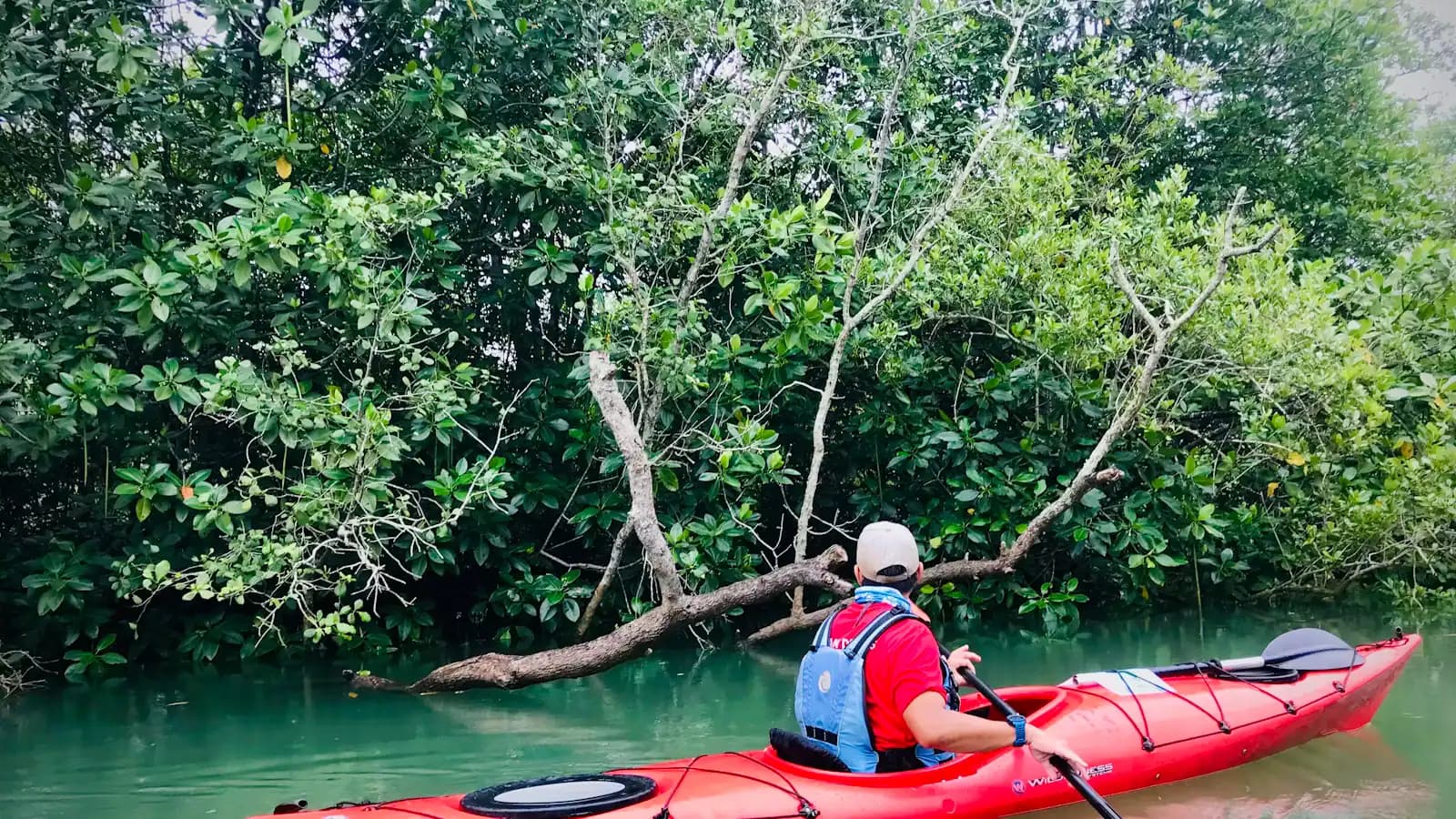
    Paddle through mangrove tunnels, explore shallow bays, and cruise along the beach, all while taking in the wide variety of wildlife that…

    2–3 hours

    Prices checked

    from $69.95

Red tide and water quality: the honest answer

Before you book

This is the question visitors are most nervous about and the one most operators answer vaguely. Here is the straight version.

Karenia brevis, the organism behind Florida red tide, occurs naturally in the Gulf and blooms in some years and not others. When a bloom reaches the coast it can kill fish, irritate eyes and throats, and make time near the water genuinely unpleasant for people with asthma or other respiratory conditions. Blooms are patchy: one beach can be affected while another a few miles away is clear, and conditions change within days as wind and current move the water.

Separately, nutrient-rich fresh water arriving down the Caloosahatchee — including managed releases from Lake Okeechobee in some years — affects salinity and clarity in San Carlos Bay and can contribute to blue-green algae problems upriver. The two things are different phenomena that get muddled together in headlines.

What to actually do about it. Check current conditions before you travel rather than relying on a news story from a previous year. The state publishes red tide status by county and beach, and the Sanibel-Captiva Conservation Foundation has monitored water quality around these islands for many years and reports on it publicly. Ask your captain directly when you book and again the day before; a good one will tell you to move the trip rather than take your money for a bad day.

In most years, on most weeks, the fishing here is fine. The point is not to be afraid of it. The point is to check rather than assume.

Rules that catch visitors out

Before you book

Four things reliably surprise people fishing these islands for the first time.

Harvest rules here change. Southwest Florida's snook, redfish and spotted seatrout regulations have been altered repeatedly in recent years in response to red tide events and to Hurricane Ian, including periods when the entire region was catch and release only for those species. Whatever was true on your last trip may not be true now. Check the current position with FWC, and take your captain's word on the day over anything printed.

The island's shelling law reaches further than you think. Taking any live shell on Sanibel is prohibited, and that includes animals many visitors would not think of as shells — sand dollars, sea stars and live conchs among them. If you are collecting bait or picking up something interesting from a flat, the test is whether anything is living in it. If it is, it goes back.

Refuge waters have refuge rules. Fishing inside the J.N. "Ding" Darling National Wildlife Refuge is permitted in specified areas only, motorised access is restricted in parts of it, and the whole refuge closes on Fridays and to all visitors within half an hour of legal sunset.

Handle fish properly if you are releasing them. Wet hands, support the body rather than hanging a fish vertically by the jaw, keep it in the water if you can, and get it back quickly. In warm water a fish played to exhaustion and held up for photographs often does not survive the release, whatever the law says about it.

On the ground

Where to go

Every place below has its own page — hours, parking, what it costs and what to expect when you get there.

  • A roseate spoonbill with pink wings spread standing in shallow water

    Nature preserve

    J.N. "Ding" Darling National Wildlife Refuge

    Around 5,200 acres of mangrove estuary named after a newspaper cartoonist, covering a large share of the island. Closed one day a week.

    1.5–5 hoursWildlife Drive costs $10 per vehicle, or $1 per cyclist and pedestrian over 15. The Bailey Tract is free.

  • An angler casting a line from a rocky shoreline into moving water at dusk

    Water feature

    Blind Pass

    Free

    The narrow gap between Sanibel and Captiva, where tidal current does the sorting — and where the swimming that looks inviting is not.

    1–3 hoursFree to visit. Parking on either side is a paid City of Sanibel session by the hour.

  • A dense bank of small dark and pale shells piled together on wet beach sand

    Beach

    Blind Pass Beach Park

    Free

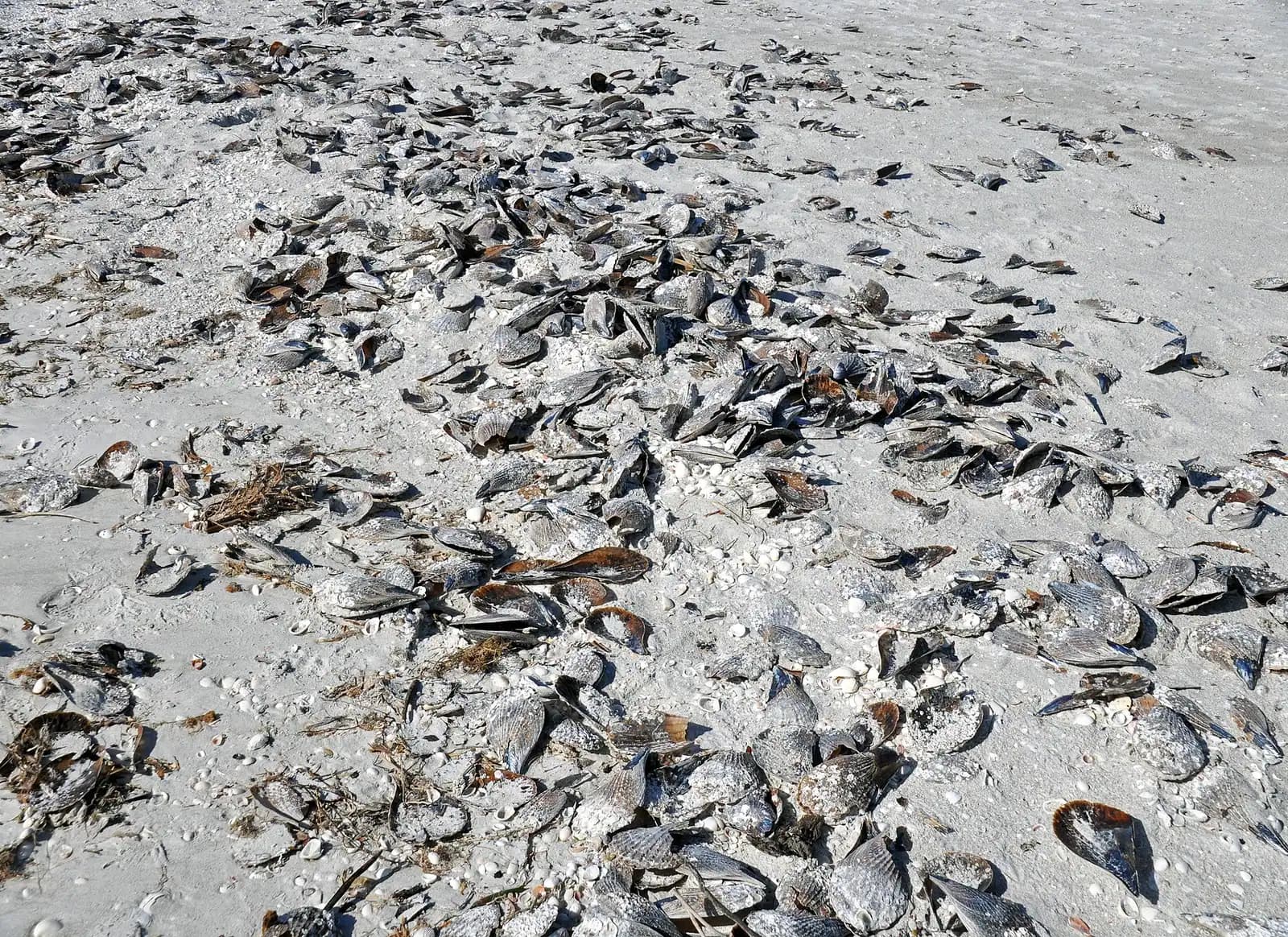
    The island's densest shell beds and a posted no-swimming warning, caused by the same thing: the current running through the pass.

    1–3 hoursFree to enter. Parking is $5.00 per hour in a 29-space lot, enforced 24 hours a day.

  • Mangrove prop roots arching over shallow clear water in a narrow channel

    Wildlife

    Tarpon Bay Explorers

    The refuge's licensed concession and the only way onto the water inside Ding Darling. Kayaks, trams, pontoons and bikes.

    1.5–4 hoursPaid tours and rentals, priced per activity. Parking is free.

  • Low wooden storefronts with corrugated roofs along a quiet two-lane road in a small coastal settlement

    Neighbourhood

    Captiva Island

    Free

    A different island across a 200-foot pass: one road, one village, no dogs on the sand and parking that costs several times Sanibel's.

    3–8 hoursNo charge to visit. Parking is the real cost, and it varies by which authority runs the lot.

  • A long fixed highway bridge arcing over a wide tidal river under a pale sky

    Landmark

    Sanibel Causeway

    Three bridges, two man-made islands, one toll charged in a single direction, and the only place you can park at the water's edge.

    0.5–3 hoursToll charged island-bound only — recently around $6 with a transponder and $9 by plate. Free leaving the islands.

  • Aerial view of a pale sandy point at the end of a low wooded island, with small boats in the shallows

    Beach

    Turner Beach Park

    Free

    On Captiva, run by Sanibel, and the last of the island beach parks to reopen after Ian — in April 2025.

    1–3 hoursFree to enter. Parking is $5.00 per hour in a 28-space lot, enforced 24 hours a day.

  • An empty stretch of Gulf beach with a low dune line and no buildings in sight

    Beach

    Silver Key

    Free

    An undeveloped mile of Sanibel's west end with no car park and no facilities, which is why the tide line is still intact at nine.

    1.5–4 hoursFree. The cost is the parking session at whichever lot you walk in from.

Straight answers

Questions people actually ask

How much is a fishing charter on Sanibel Island?

A half-day inshore charter for the boat generally falls in the four hundred to six hundred dollar range, with six to eight hour trips more commonly six hundred to nine hundred. Offshore runs cost meaningfully more. Rods, tackle, bait, ice and the vessel's licence are usually included; food, drink and crew gratuity of fifteen to twenty percent are not. Rates move, so confirm when you book.

What fish can you catch around Sanibel?

Snook, redfish and spotted seatrout are the core inshore species, alongside mangrove snapper, sheepshead, jack crevalle, ladyfish and Spanish mackerel depending on the month. Tarpon run the Gulf beaches and the passes to the north from roughly May into July. Sheepshead around structure are a winter staple. Harvest rules for the headline species have changed repeatedly in recent years, so assume catch and release unless told otherwise.

Do you need a fishing licence on Sanibel?

If you are fishing from a properly licensed charter vessel, the boat's licence normally covers you. Fishing from shore, from a kayak or from a rented boat, you need your own Florida saltwater licence, and the requirements for shore fishing differ from those for boat fishing. Short-term non-resident licences are sold online and through tackle shops. Check the current position with the Florida Fish and Wildlife Conservation Commission.

Where can you fish from shore on Sanibel?

The causeway islands between the mainland and Sanibel are the best free option, with moving water under the spans that concentrates bait and holds snook, redfish, sheepshead and mackerel through the year. Inside the wildlife refuge, fishing is permitted in Tarpon Bay, the mangrove estuary and the Sanibel River under refuge rules, and the refuge is closed on Fridays. The Gulf beaches fish well at dawn and dusk.

Is red tide a problem for fishing on Sanibel?

In some years and not others. Florida red tide is a naturally occurring bloom that reaches this coast intermittently, can kill fish and irritate airways, and is patchy enough that one beach is affected while another nearby is clear. It is not a permanent condition. Check the state's current red tide reports and the Sanibel-Captiva Conservation Foundation's water-quality monitoring before you travel, and ask your captain directly.

When is the best time of year to fish Sanibel?

March through May is the strongest all-round period inshore, with fish active and the weather comfortable. October and November are underrated: the heat has broken, redfish school up and the islands are far quieter. Tarpon season runs roughly May into July. Winter fishes well for sheepshead and trout. Summer is hot and stormy, so trips go early and finish before the afternoon builds.

Where do fishing charters leave from on Sanibel?

Departure points changed after Hurricane Ian destroyed or damaged marina infrastructure on both islands in September 2022. The fleet has returned, but individual captains now run from a mix of locations: the east end of Sanibel near the lighthouse, Captiva, and a good number from the Fort Myers side of the causeway. Confirm your meeting point in writing when you book rather than assuming it is on the island.

Can you keep the fish you catch on Sanibel?

Sometimes, and it depends on the species and on the current regulations, which in Southwest Florida have been changed repeatedly in response to red tide events and to Hurricane Ian. There have been extended periods when snook, redfish and spotted seatrout were catch and release only across this region. Snapper and sheepshead are more commonly keepable. Take your captain's guidance on the day and check FWC for the current rules.