Skip to content
Menu

We earn a commission if you book through this link. You pay the same price.

Search

Beach

Silver Key

Last updated

An undeveloped mile of Sanibel's west end with no car park and no facilities, which is why the tide line is still intact at nine.

An empty stretch of Gulf beach with a low dune line and no buildings in sightUnsplash

Photo: UnsplashUnsplash License

Sanibel's west end does something the rest of the island does not. For most of its twelve miles the island runs east to west, which is the whole reason it scoops shells out of the Gulf, but at the western end the shore swings northwest towards Blind Pass and the geometry changes. The sand between Bowman's Beach and the pass is the least developed shoreline on the island, and Silver Key is the name that appears on maps for part of it.

There is no car park. There is no sign at the road. There are no restrooms, no showers, no bins and nothing to buy. You get here by parking at Bowman's Beach or at the pass and walking along the sand, which takes fifteen to thirty minutes depending on which end you start from and how often you stop to pick something up.

That walk is the entire mechanism. Sanibel's problem as a shelling island is not that it lacks shells, it is that several hundred people work the accessible tide line every morning before nine. A stretch of beach twenty minutes' walk from the nearest car park is a stretch of beach where the wrack is still where the last tide left it. The further you go, the more obviously true this becomes.

What you find is a low dune line, sea oats and railroad vine, and almost nobody. Shorebirds use the open sand here because people mostly do not, which is also why sections are roped off in spring and summer for nesting and why the boundaries move from year to year.

Come prepared, because nothing out here is provided. Water, sun cover, footwear, a bag for what you collect and a plan for the walk back. And keep to the beach: do not cross the dune line or go looking for a shortcut inland. Much of the west end is conservation land and the vegetation holding it together is not decorative.

Getting there and parking

On foot along the beach, which is the only sensible way. There is no car park, no marked access from the road and no legal route in across the dunes.

From the east: park at Bowman's Beach, cross the footbridge to the sand and walk northwest. Fifteen to twenty minutes gets you clear of everyone.

From the north: park at one of the lots beside Blind Pass and walk southeast along the Gulf shore.

Both car parks are City of Sanibel lots charging the city's flat hourly rate through its mobile payment system, and a session bought at one transfers to the other while the time is still running.

By bicycle, the Shared Use Path runs along Sanibel-Captiva Road past both ends, so you can ride to either lot, lock up and walk in without paying for parking at all.

Walk out on a falling tide. The return leg at high water on soft sand is considerably harder work than the way out.

The two ways in, and which to choose

From Bowman's Beach, walking northwest. Bowman's has the island's largest beach car park, restrooms and a footbridge from the lot to the sand. Pay for a city parking session, walk down to the water and turn right. Within ten minutes the crowd thins; within twenty you are on your own. This is the easier option for families and the better one if you want facilities before and after.

From the pass end, walking southeast. Park at one of the lots beside Blind Pass, walk out to the water and turn left. The shell concentrations near the pass are the best on the island, so this direction front-loads the good stuff, which for some people is the wrong way round.

Which to choose. Start from Bowman's if you want the walk to be the point, from the pass if you want shells in the first ten minutes. Either way, do the outbound leg into the wind.

Tide. Go out on a falling tide. A wide, firm low-tide beach is easy walking; at high water the strip narrows, the dry sand is soft and the same distance takes half as long again.

City parking sessions transfer between city lots while the time is running, which is useful if you want to move on afterwards.

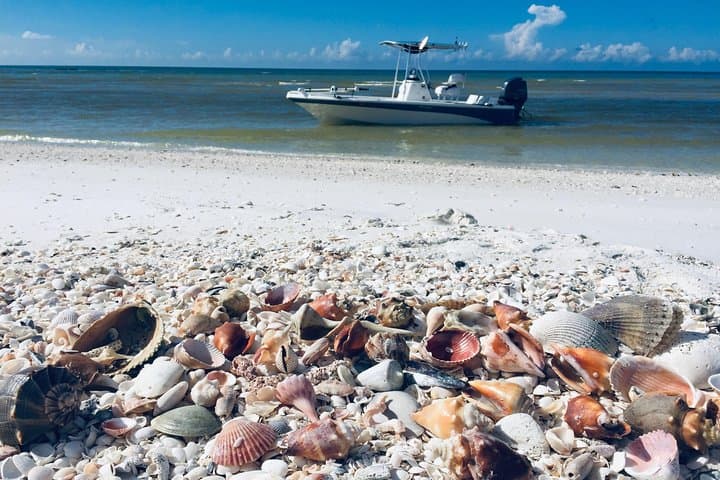
Working an unpicked tide line

The rules first, because they are not optional and the fines are real. Live shelling is prohibited across Lee County. If the animal is inside, it stays. Sand dollars, sea stars and urchins are covered, and all three are alive far more often than people assume: a living sand dollar is dull, slightly fuzzy and moves tiny spines if you look closely. Put it back in the water rather than on the sand.

With that settled, the technique for an unworked beach differs from the technique for a busy one.

  • Slow down. On a picked-over beach you scan for anything whole. Here you can afford to look at everything, which is how the small and unusual species get found.
  • Work the freshest line. The damp edge where the last wave reached, not the dried pile higher up.
  • Go after a westerly blow. A winter front pushing in off the Gulf is what builds the deposit on this coast, and the following morning is the one to be out here.
  • Low tide, close to a full or new moon, for the same reason everywhere else on the island.
  • Carry a mesh bag on a loop round your wrist. Nothing you pick up then needs a free hand, and the bag rinses itself every time you step into the water.

Take only what you will keep. An island this dependent on shells cannot support everyone filling a bucket.

What to take, and what is not out here

Everything, essentially. There is no facility of any kind on this stretch.

  • Water. More than you would take to Bowman's, because you will be a long way from the car.
  • Sun cover you cannot lose. Shade is nonexistent and the dune vegetation is low.
  • Footwear. Shell beds are sharp and debris from the 2022 storm has been reported buried along these shorelines for years afterwards.
  • A charged phone, accepting that signal on the west end is patchy.
  • A bag for rubbish, yours and anything else you find. There are no bins.
  • Insect repellent for early and late in the day, when the no-see-ums come off the vegetation behind the dune.

Things that are not out here: restrooms, drinking water, a lifeguard, shade, a rental hut, phone signal you can rely on and anyone to help. This is a genuinely remote beach by Florida standards, half a mile from a road.

Swimming is the usual gentle Gulf shelving along most of it, but do not swim close to the pass at the northern end, where the tidal current is strong enough to be dangerous.

Nesting season and the roped areas

An undeveloped beach is an undeveloped beach because wildlife uses it, and on Sanibel's west end that is the whole point rather than a side effect.

Shorebirds nest directly on open sand in spring and summer. Snowy plovers and least terns lay eggs that are almost invisible against shell fragments. Posted areas are roped and signed, the boundaries move each year with the colonies, and walking through one can flush a whole nesting group in seconds.

Sea turtles nest in the dune line through the warm months. Marked nests are legally protected. Stay outside the stakes, do not dig near the dunes, and if you are on the beach after dark use a red filter or no light at all. Artificial light disorients hatchlings and it is a real cause of death rather than a theoretical one.

Do not cross the dune line. The vegetation is what holds the sand in place, the island has spent decades rebuilding it, and there is no legal route inland from this stretch anyway.

Dogs are permitted on Sanibel beaches under control, unlike on Captiva, but a dog running loose through a nesting area is the fastest way to ruin the thing you came to see. Keep it leashed on the west end.

Tours that visit Silver Key

Operators run these trips past Silver Key, or stop there as part of a longer route. We list what the booking data supports — not everything that mentions the name.

Some links below go to Viator, our booking partner. We earn a commission on bookings made through them — at no extra cost to you, and with no influence on what we recommend.

Private and small-group departurespriced per boat or per vehicle, not per person

  • Shelling Tours - Fort Myers Beach / Naples

    Short term availability

    Shelling Tours - Fort Myers Beach / Naples (opens in a new tab)

    Free cancellationPrivate tour
    80 reviews

    On this trip, Guests will be exploring the local Islands around Fort Myers and Naples area. The Islands are well known for their excellent…

    2 hours

    Prices checked

    from $350

Near Silver Key

Straight-line distances, so allow more on the road — the island is long and has one main parkway.

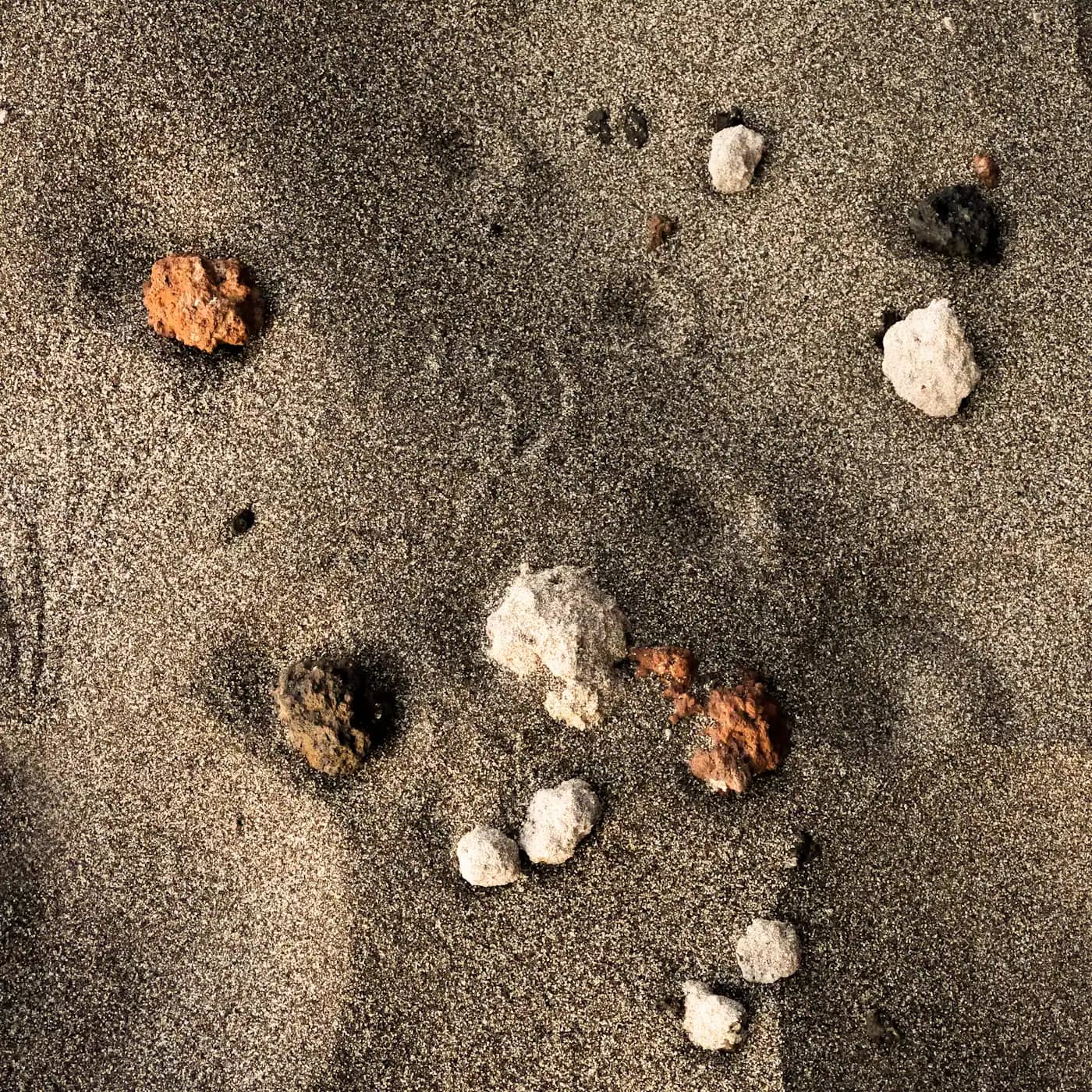
  • A scatter of small shells and pebbles part-buried in damp grey sand

    Beach

    Bowman's Beach Park

    Free

    The island's largest lot, and a quarter-mile walk over a bayou footbridge before you reach sand. The walk is what keeps it empty.

    2–6 hoursFree to enter. Parking is $5.00 per hour, enforced 24 hours a day.0.5 mi away

  • An angler casting a line from a rocky shoreline into moving water at dusk

    Water feature

    Blind Pass

    Free

    The narrow gap between Sanibel and Captiva, where tidal current does the sorting — and where the swimming that looks inviting is not.

    1–3 hoursFree to visit. Parking on either side is a paid City of Sanibel session by the hour.1 mi away

  • Aerial view of a pale sandy point at the end of a low wooded island, with small boats in the shallows

    Beach

    Turner Beach Park

    Free

    On Captiva, run by Sanibel, and the last of the island beach parks to reopen after Ian — in April 2025.

    1–3 hoursFree to enter. Parking is $5.00 per hour in a 28-space lot, enforced 24 hours a day.1.3 mi away

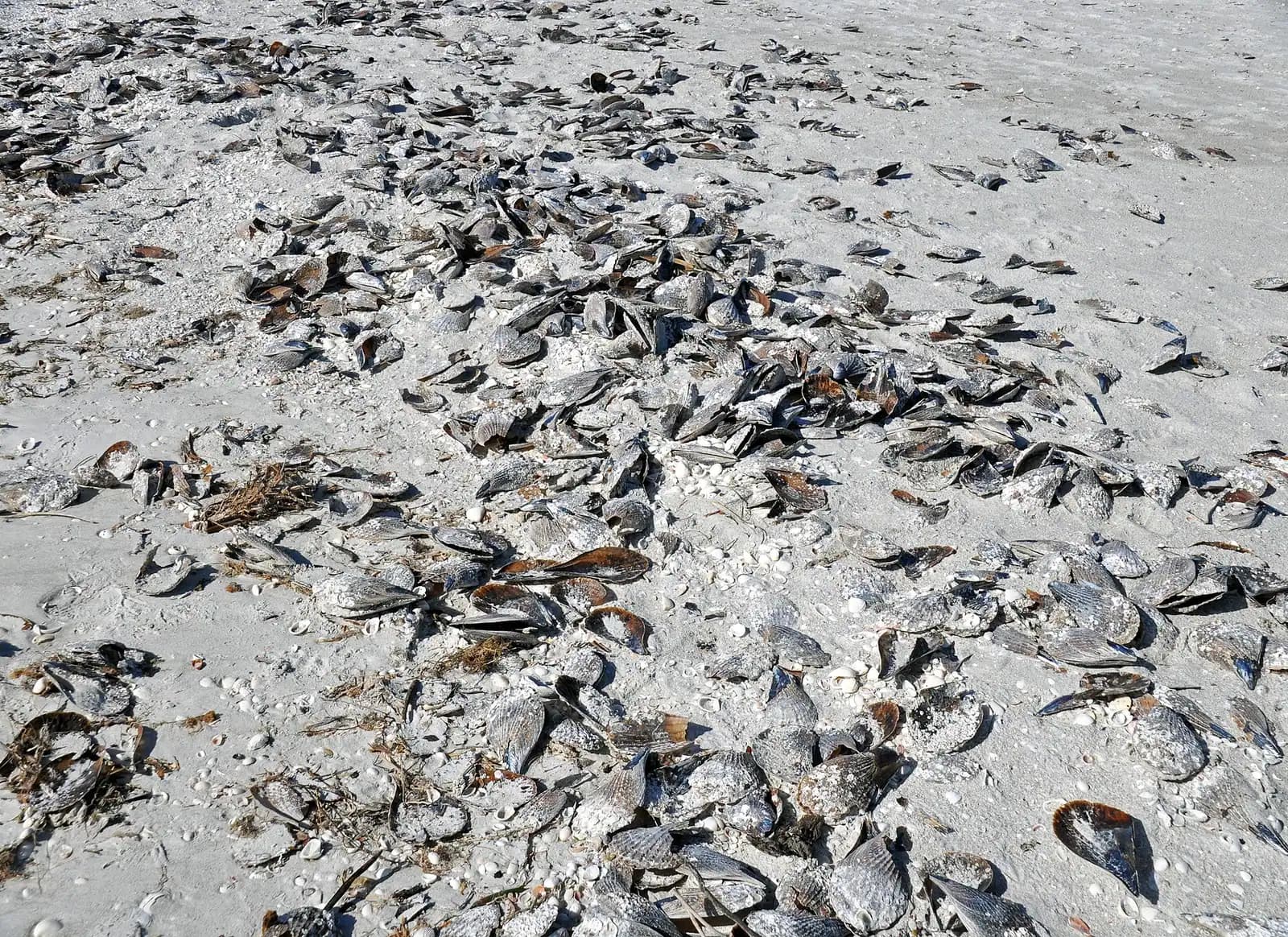
  • A dense bank of small dark and pale shells piled together on wet beach sand

    Beach

    Blind Pass Beach Park

    Free

    The island's densest shell beds and a posted no-swimming warning, caused by the same thing: the current running through the pass.

    1–3 hoursFree to enter. Parking is $5.00 per hour in a 29-space lot, enforced 24 hours a day.1 mi away

Silver Key: common questions

Where do you park for Silver Key on Sanibel?

You do not, because there is no car park here and no marked access from the road. Park at Bowman's Beach and walk northwest along the sand, or at one of the lots beside Blind Pass and walk southeast. Both are City of Sanibel lots charging the flat hourly rate through the city's mobile payment system, and a session bought at one transfers to the other while the time is still running.

Is the shelling better on Sanibel's undeveloped west end?

Usually, and for a simple reason. Sanibel does not run short of shells; it runs short of unworked beach, because several hundred people walk the accessible tide lines before nine every morning. A stretch you can only reach after a twenty-minute walk still has its wrack intact at mid-morning. Go on a falling tide the day after a westerly front and the difference from the beach beside a car park is obvious.

Can you swim at Silver Key?

Along most of it, yes — it is the same gently shelving Gulf shore as the rest of Sanibel, with no surf on a normal day. The exception matters: do not swim close to Blind Pass at the northern end, where tidal current through the narrow gap runs hard enough to be genuinely dangerous. There is also no lifeguard anywhere on this stretch and nobody within earshot, so swim conservatively.

What do you need to take to Silver Key?

Everything, since nothing is provided. Water, sun cover that will not blow away, footwear for shell beds and buried storm debris, a mesh bag for what you collect, a bag for rubbish, and insect repellent for early and late in the day. There are no restrooms, no drinking water, no shade, no lifeguard and patchy phone signal. Plan the walk back before you set out on the walk in.