Skip to content
Menu

We earn a commission if you book through this link. You pay the same price.

Search

Things to Do

Sanibel Island Tours and Boat Trips

Last updated

Sanibel Island tours worth booking: shelling boats to Cayo Costa, mangrove kayak trips, refuge trams and where each one actually departs from.

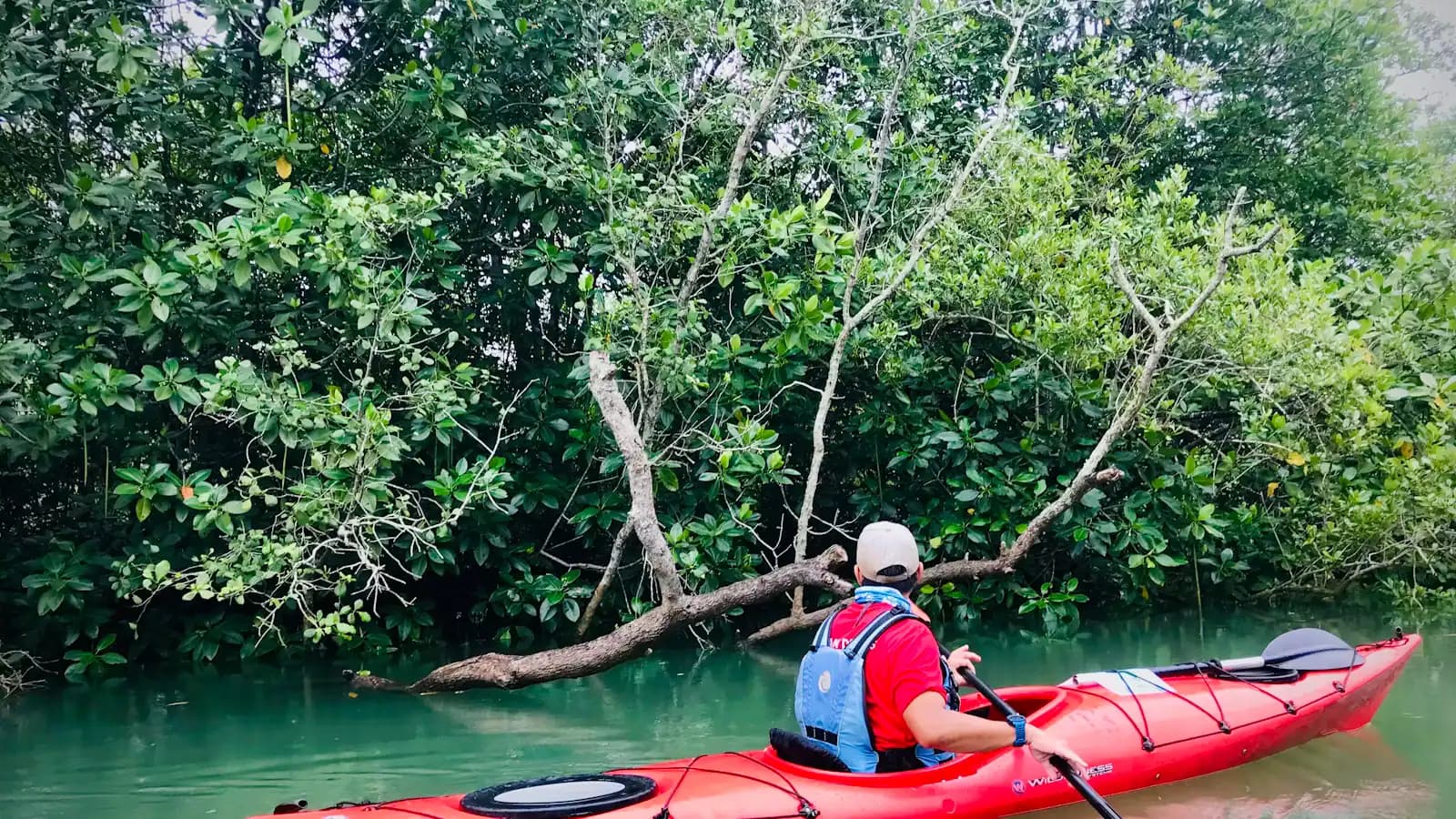
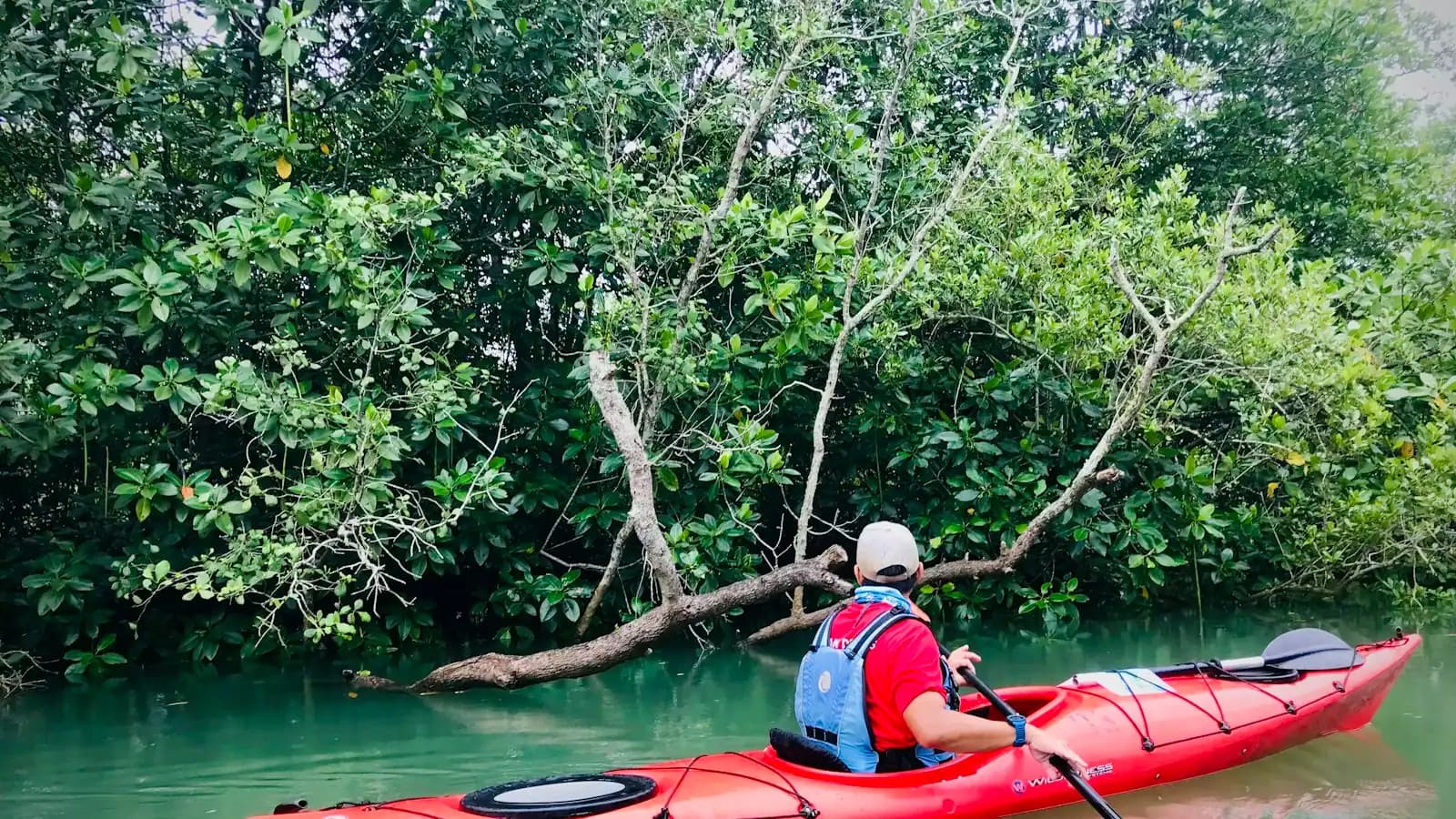
A person paddling a red kayak along a narrow channel walled in by mangrove roots

Most of what makes Sanibel worth visiting is free and needs no guide. You can walk any beach on the island, ride 26 miles of path, drive the refuge road and spend a week finding shells without booking a single thing. So the first question on this page is not which tour to take. It is whether a tour buys you something you genuinely cannot get on your own, and on this island there are exactly four honest answers to that.

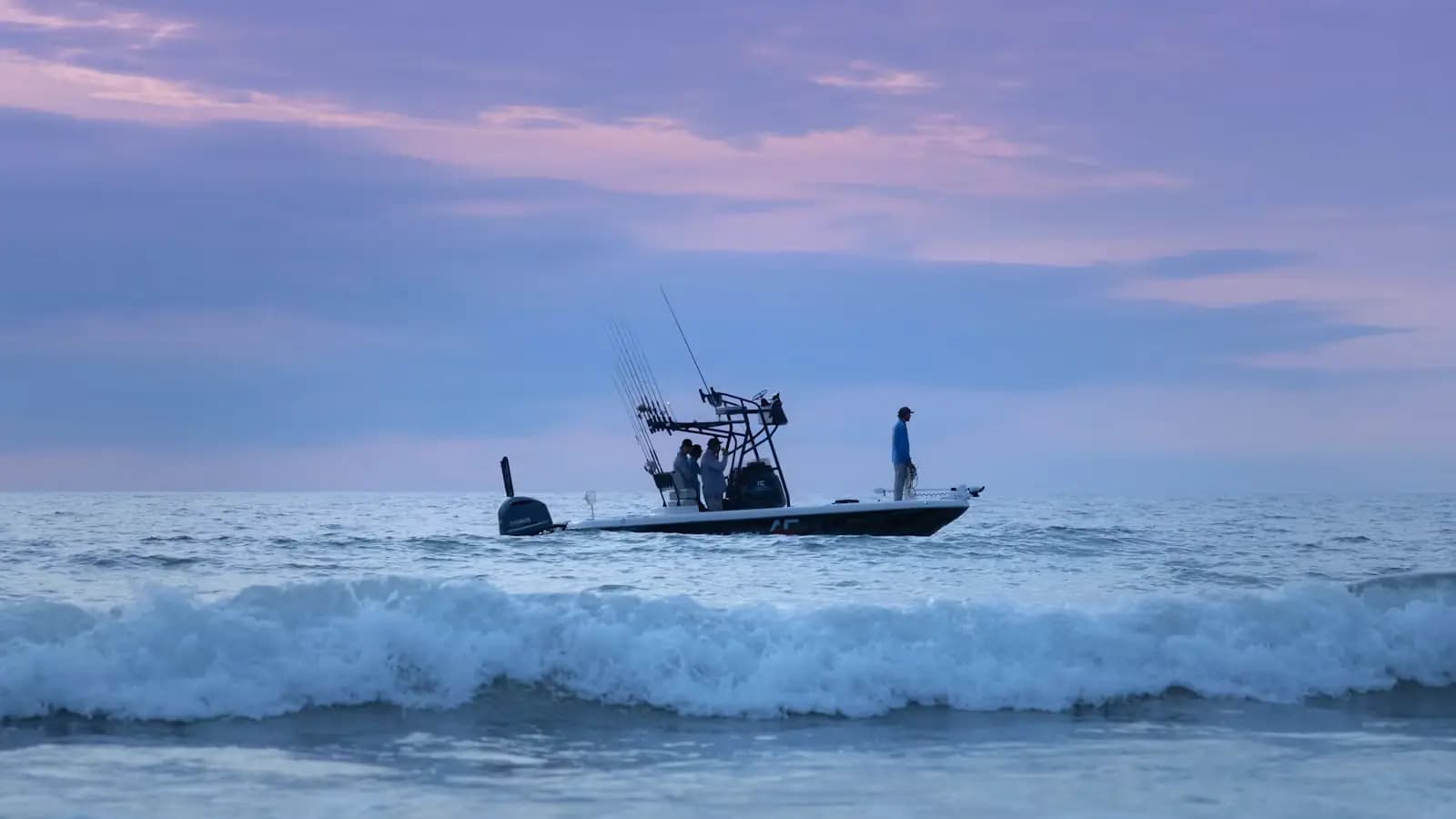
The first is sand nobody has walked. Every accessible Sanibel beach is worked over daily by people who are good at it, and the single biggest improvement to your shelling is a hull that can put you on a bar or an outer island with no bridge to it. That is what a shelling charter is actually selling: not expertise, though the good captains have plenty, but access and tide.

The second is water too shallow or too narrow to drive a car to. The mangrove system behind the island — Tarpon Bay, the trails around Buck Key, the creeks in the refuge — is a different landscape from the Gulf side and is only reachable by paddle or shallow-draft boat. A guide there is worth it for two unglamorous reasons: knowing which channel you are in when every mangrove tunnel looks the same, and reading a tide that can strand a kayak on a mudflat.

The third is getting close to birds without disturbing them. The refuge concession runs tram tours along Wildlife Drive and small-boat trips out of Tarpon Bay, and a naturalist who knows which impoundment is being drawn down this week will find you more in ninety minutes than a self-drive does in three hours.

The fourth is a day off the island altogether — Cayo Costa, Cabbage Key, Pine Island Sound — which no amount of walking will get you to.

One thing to check before you book anything, because it catches out more visitors here than any other detail: where the trip actually departs from. Sanibel sits in the Fort Myers market, and a large share of the listings that carry Sanibel or Captiva in the title leave from Punta Rassa at the mainland end of the causeway, from Fort Myers Beach, or from Pine Island. That may be perfectly fine. It also means a drive of forty minutes or more each way, a toll on the return, and causeway traffic in the late afternoon. Read the meeting point, not the headline.

Prices in this market are moderate by Florida standards. The median booking sits around $70, with a meaningful tail of private charters above $250. Morning departures are better than afternoon ones for almost everything here, because the sea breeze builds through the day and the summer storms arrive on a schedule you can nearly set a watch by.
Our picks

The ones we would book

  • Editor's Pick

    Best shelling charter

    Why we chose it

    The trip that justifies its price: a captain who plans the day around low water, runs you to an island or bar with no bridge, and gives you a proper hour or more on untouched sand. Ask how much of the booking is transit before you compare prices. Morning departures, and take a bag you do not mind soaking.

  • Best Value

    Best value trip on the water

    Why we chose it

    A shared half-day in the lower price band, typically working the passes and Pine Island Sound. You lose the long run to the outer beaches and keep the estuary, the dolphins and a guide who knows the water. The median booking in this market sits around $70, and this is the slot it occupies.

  • Best for Families

    Best guided trip with children

    Why we chose it

    Ninety minutes to two hours on sheltered bay water, with a guide who hands over a net or a scoop early. Calm water on the Tarpon Bay side means nobody gets seasick, and a short format survives contact with a five-year-old. Confirm there is shade and a restroom aboard before you book.

  • Small Group

    Best small-group paddle

    Why we chose it

    Six or eight paddlers with one guide is the format that makes the mangrove tunnels work — the group stays together, the guide can stop and point, and nobody gets lost in a channel that looks like every other channel. Choose a low-tide departure for feeding birds or a late one for the roost.

  • Best Private Tour

    Best private charter

    Why we chose it

    The only way to make the boat fit the tide instead of the timetable. Sensible at four or more people, and the obvious answer if you want a 6.30am departure on a spring low. Half-day charters are the standard booking here; confirm whether beach landings on the outer islands are included in the quote.

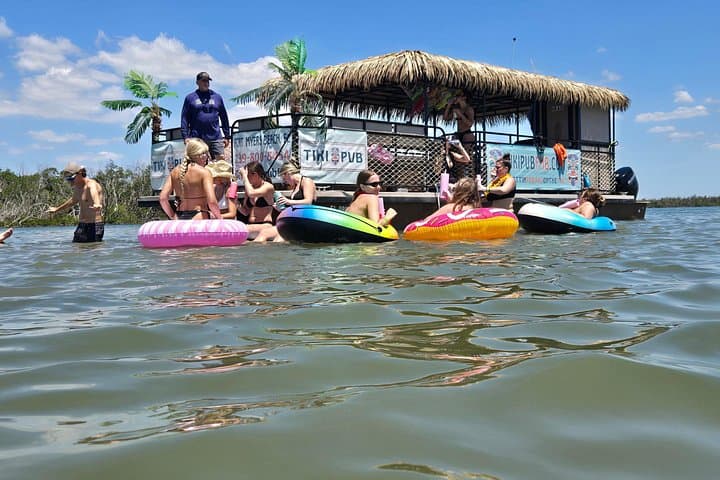
    Shelling Tours - Fort Myers Beach / Naples

    Short term availability

    Shelling Tours - Fort Myers Beach / Naples (opens in a new tab)

    Best Private TourFree cancellationPrivate tour
    80 reviews

    On this trip, Guests will be exploring the local Islands around Fort Myers and Naples area. The Islands are well known for their excellent…

    2 hours

    Prices checked

    from $350
  • Sunset

    Best trip at the end of the day

    Why we chose it

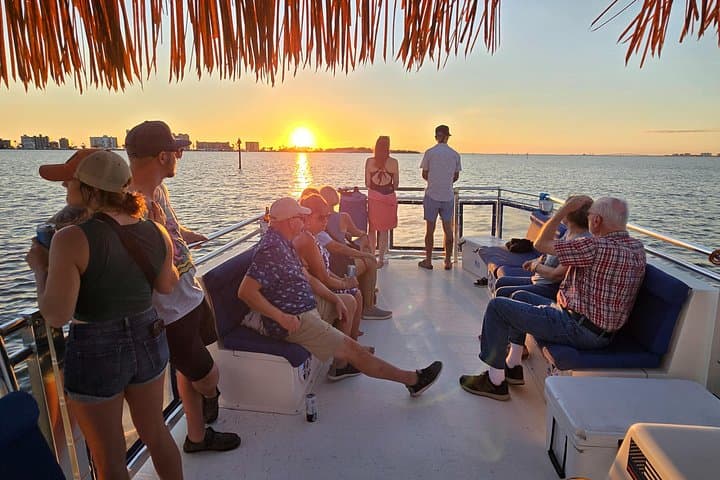
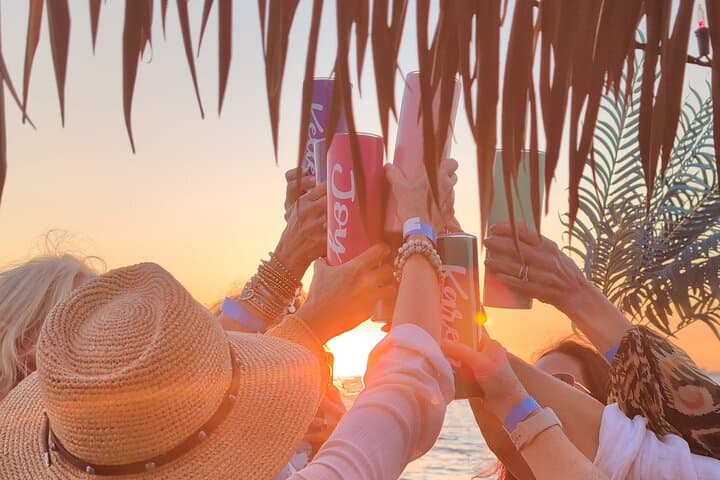
    Sanibel faces west, so a late departure puts the sun down over open water rather than behind the island. Rookery paddles and evening nature cruises both work; the birds are moving to roost and the wind has usually dropped. Check the boarding time against the season, because sunset here shifts by nearly two hours across the year.

Shelling charters: what you are actually paying for

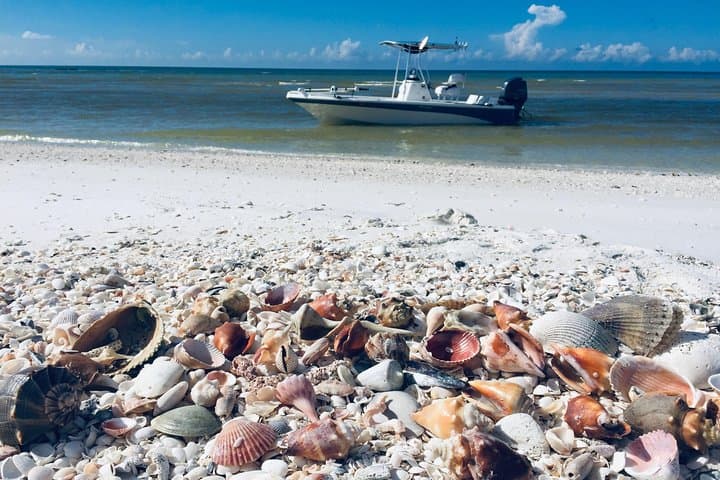
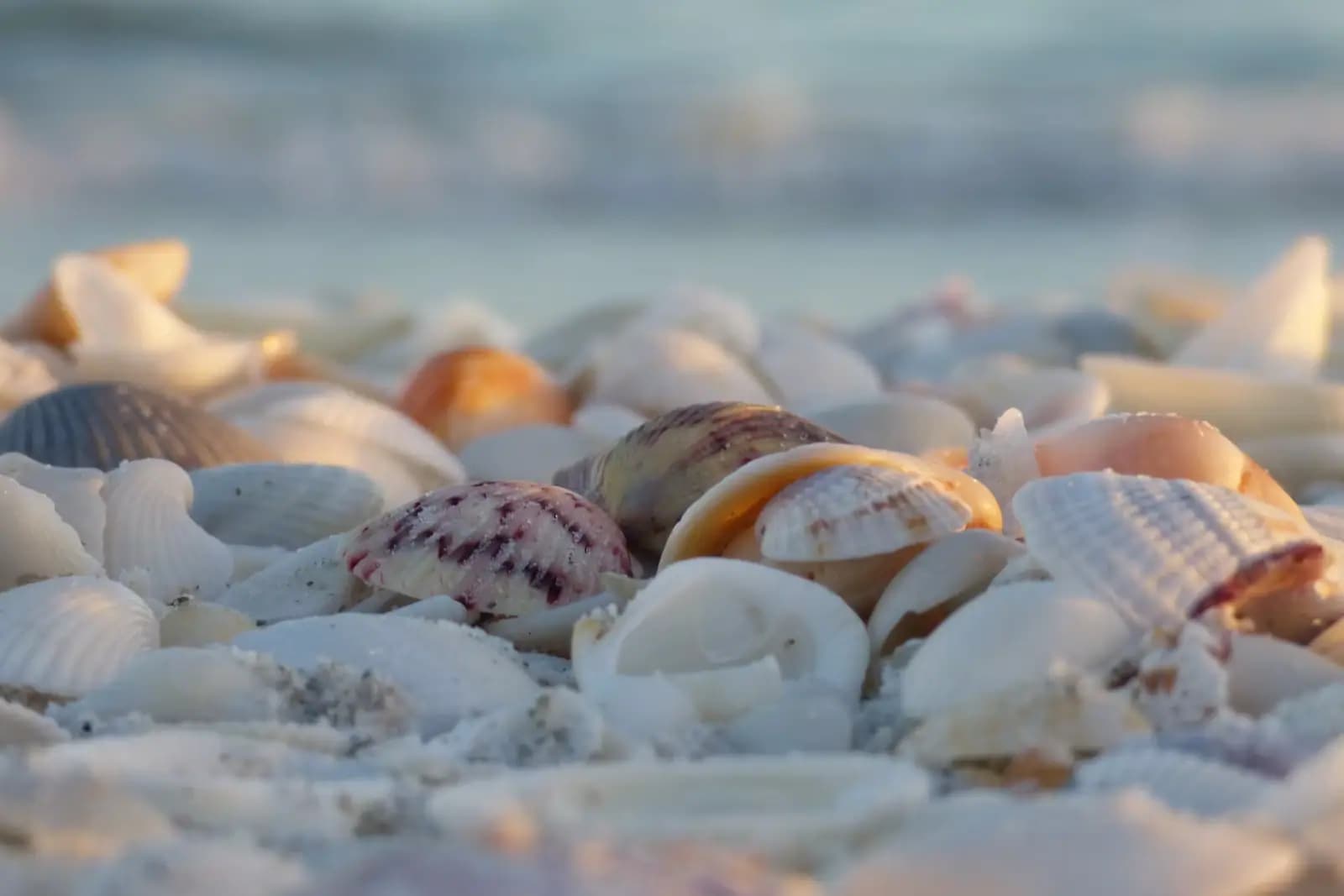
A shelling charter is a tide service with a boat attached. The good ones plan the day backwards from the low water, run you out to a bar or an island beach while the water is still dropping, give you an hour or more on the sand at the bottom of the tide, and have you back before the afternoon wind gets up.

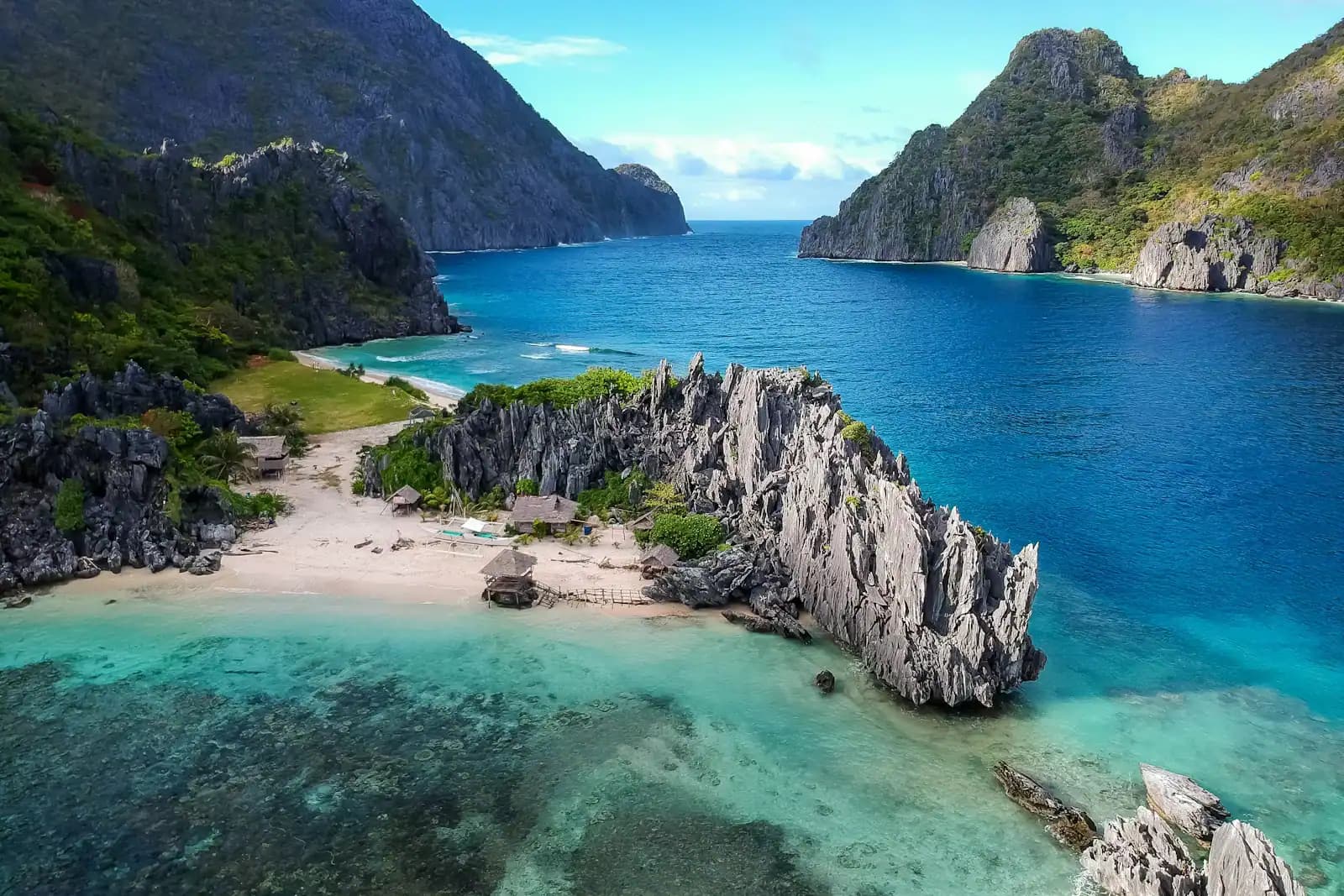
The usual destinations are Cayo Costa, the beaches around Redfish Pass and North Captiva, and the sandbars that emerge in Pine Island Sound on a big spring low. What they have in common is that no road reaches them, so the wrack line has not been picked over.

Things worth asking before you book. How long you actually get on the sand, because some trips are mostly transit. Whether the captain will move you if the first stop is poor. Whether there is shade and a restroom, which matters on a four-hour trip. And whether they supply a scoop and a bag, which most do.

What a charter cannot do is guarantee shells. Wind direction in the preceding days matters more than anything the captain controls, and a flat calm fortnight in summer produces thin pickings everywhere. Any operator promising a junonia is selling you a story.

The same live-shell law applies out there as on Sanibel: taking any shell with the animal still in it is prohibited, sand dollars and sea stars included, and a good captain will check your bag before you get back on the boat.

Kayak and paddle trips in the mangroves

The bay side of Sanibel is a different island from the Gulf side, and the only way into most of it is a small boat you power yourself.

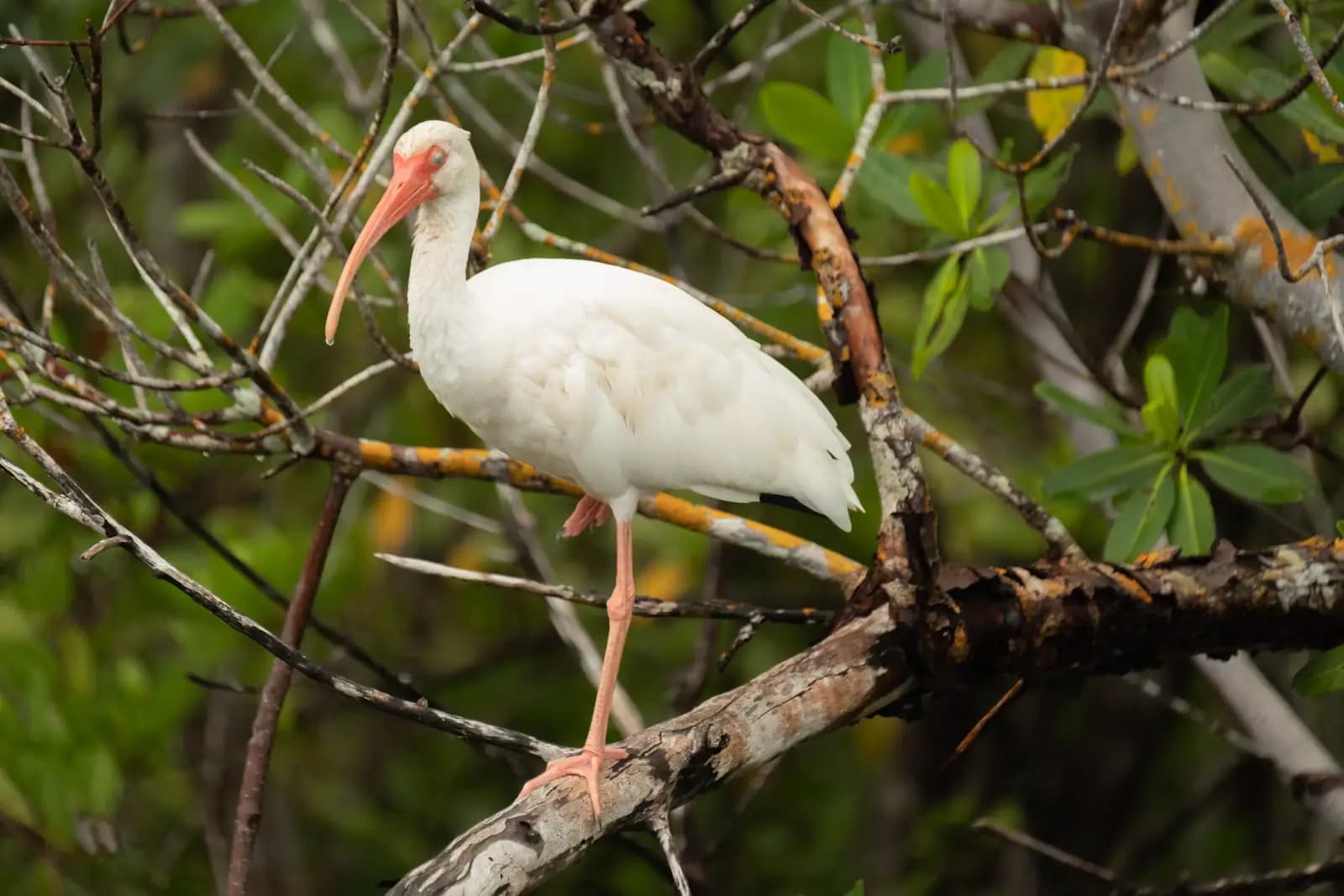
The standard trips run out of Tarpon Bay, in the middle of the refuge, where the concession maintains a marked kayak trail through the mangrove tunnels. It is sheltered water, so it works for beginners, and the wildlife is close: yellow-crowned night herons standing on the roots at eye level, mangrove crabs scattering up the branches as you pass, upside-down jellyfish on the bottom in the shallows, and rays kicking sand in the channels.

Two variants are worth knowing about. A low-tide trip gets you the feeding birds and the exposed oyster and root structure, with the trade-off that some routes become too thin to paddle. A sunset or rookery paddle puts you on the water as the birds come in to roost, which is the better trip for photographs and the worse one for identifying anything.

The tide is the thing amateurs get wrong. A mangrove trail that is a pleasant hour on a mid tide can be a mudflat portage two hours later. If you are hiring rather than being guided, ask the counter staff which way the water is going and be honest with yourself about how far you want to paddle back against a breeze.

Buck Key, behind Captiva, is the other classic paddle, with a marked trail through the mangroves. It needs enough water under you, so mid to high tide, and it is a longer day than Tarpon Bay.

Refuge trams, naturalist cruises and birding trips

The refuge concession runs guided trips that a private operator cannot, because they work inside the refuge itself.

The tram tour runs the four miles of Wildlife Drive with a naturalist narrating, which is a straightforwardly better version of driving it yourself: you are higher, you are not watching the road, and somebody is telling you why the water level in that impoundment is where it is. It suits anyone who would rather not drive, and anyone visiting in the summer heat who wants shade.

Naturalist boat trips out of Tarpon Bay run into the bay and the creek systems, usually ninety minutes to two hours, and are the easiest way to see the refuge from the water with no effort required.

Neither runs on a Friday, because Wildlife Drive is closed every Friday of the year.

For birders specifically, the calendar matters more than the format. Winter — roughly November through March — brings the shorebird and duck numbers and the best light. Spring migration puts warblers and passerines through the island's interior in April. Summer is the thinnest season for variety and the best for watching resident wading birds nest, and it is also when the insects are worst on the interior trails.

Bring binoculars regardless of which trip you book. The birds here are close by Florida standards, but "close" on a mudflat is still eighty metres.

How to choose, and what to ask

Local tips

Five questions sort the field faster than reading another twenty reviews.

  • Where does it leave from? The single most important line in the listing. A Sanibel-titled trip departing Fort Myers Beach adds an hour of driving each way.
  • What tide does it run on? Any shelling trip that cannot answer this is selling sightseeing. The right answer involves the words "falling" and "low".
  • How long on land? Ask for the split between transit and beach time. A six-hour trip with ninety minutes on the sand is a different product from a four-hour trip with two hours on it.
  • Is there shade and a restroom? Decisive with children, with anyone over seventy, and in July.
  • What is the cancellation policy in storm season? Between June and September, afternoon trips get cancelled. A flexible policy is worth more than a small discount.

Read reviews for the guide rather than the wildlife. Everybody's boat finds dolphins and everybody's beach has shells on it. What separates a good four hours from a forgettable one is whether the person at the helm can explain why the pass moves, what the osprey is carrying, and which of the things in your bag is a lightning whelk.

And book mornings. On this coast the wind is lightest, the water clearest and the light best in the first hours after sunrise, and in summer the afternoon thunderstorm is close to a scheduled event.

Book it

Everything else we track

Some links below go to Viator, our booking partner. We earn a commission on bookings made through them — at no extra cost to you, and with no influence on what we recommend.

Sharing, or having it to yourselves

Most of what is bookable here sells two ways, and the cheaper one is not always the cheaper one. A shared departure is priced per person; a private booking is priced for the party, so the arithmetic flips somewhere around four to six people — and it is the only version where you pick the time. Check the party size each listing actually covers before you decide.

  • Book a seat

    A shared departure, priced per person. The cheapest way to do this for one or two people.

  • Book the whole thing

    Priced for the party rather than the seat, and you choose the departure time.

Day trips off the island: Cayo Costa, Cabbage Key, Pine Island Sound

How they compare

The full-day options, and what each is really for.

TripTimeWhat it is forThe catch
Cayo CostaMost of a daySeven miles of state-park Gulf beach with no road to it, and the best shelling in the regionMinimal facilities; take water, food and shade. Exposed if the wind is up
Cabbage KeyHalf to full dayLunch in a 1930s house built on a Calusa shell mound, walls papered in signed dollar bills, plus the run through Pine Island SoundIt is a lunch trip with a boat ride, not a wildlife trip. Manage expectations accordingly
Pine Island Sound cruiseHalf dayDolphins, rookeries, the back bays and a sense of the scale of the estuarySightings are not contractual, and the middle of the day is the worst light
North CaptivaHalf to full dayA quieter beach island with a small community and no bridgeFewer scheduled departures; often a charter rather than a ticket

Every one of these leaves from a dock that is probably not on Sanibel. Captiva's marina, Pine Island and Punta Rassa are the usual departure points. Build the driving time into the day, and remember the toll is charged on the way back onto the island, not on the way out.

Dolphins, manatees and the rules that apply here

Before you book

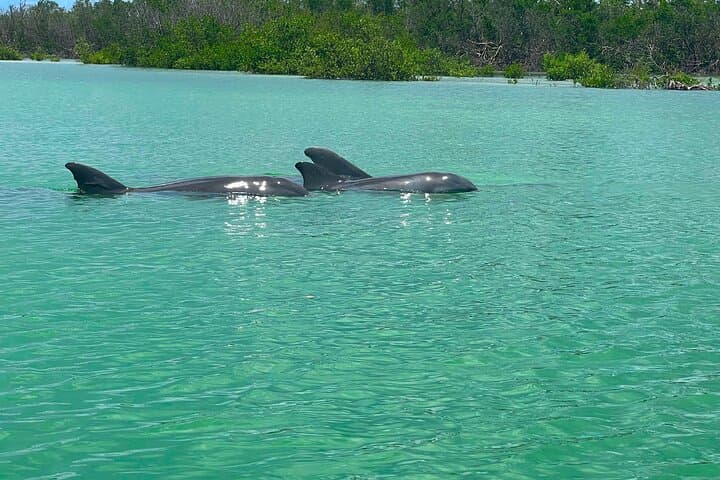
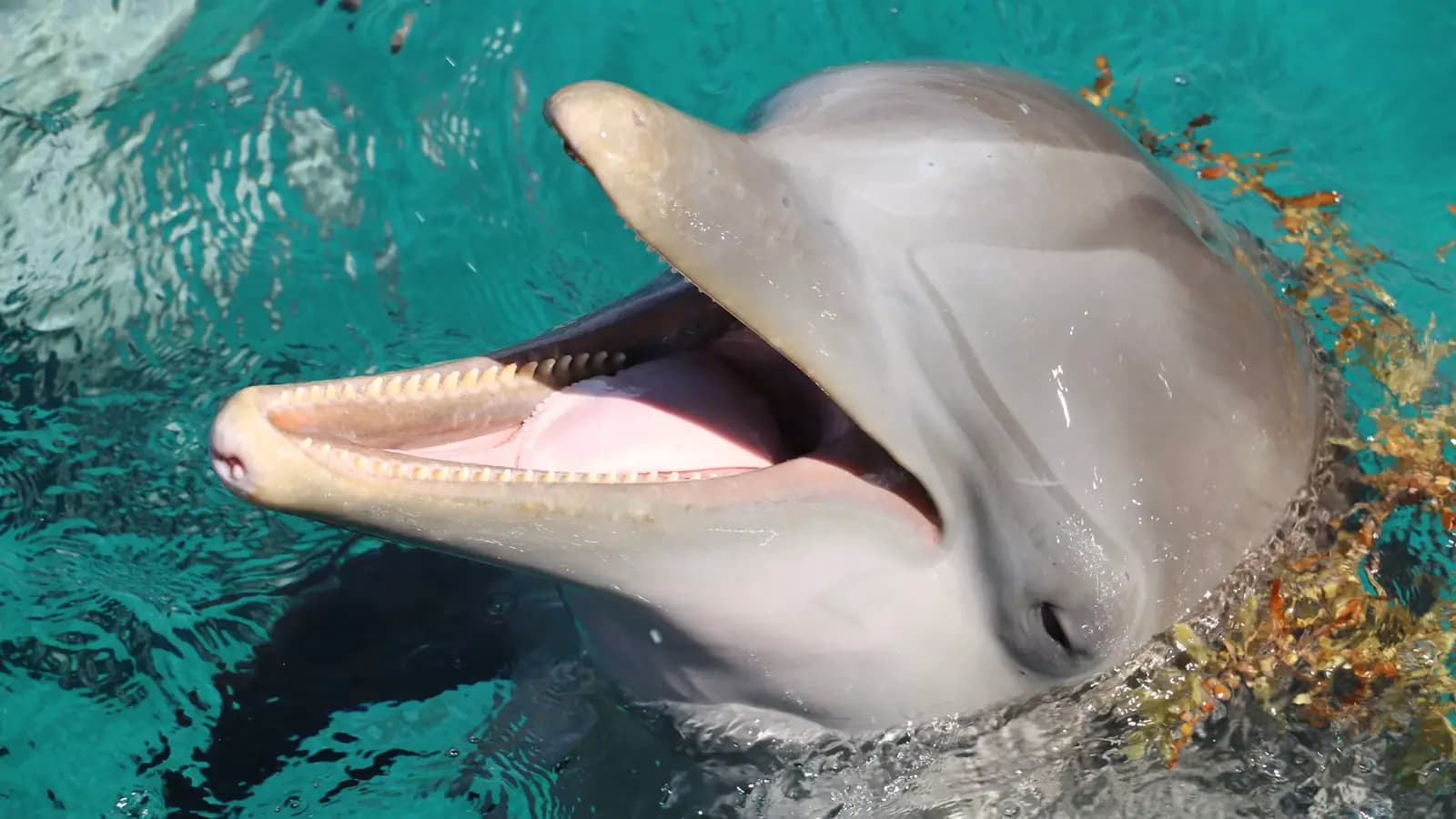
Bottlenose dolphins live in San Carlos Bay, Pine Island Sound and the passes year-round, and most boat trips of any description see them. That is worth knowing before you book a dedicated dolphin trip: on this stretch of coast it is often an incidental rather than a specialist purchase.

The rules are federal and they are not optional. Under the Marine Mammal Protection Act it is illegal to feed, touch, chase or harass wild dolphins. Boats are asked to stay well back, to idle in neutral if animals approach on their own, and to move off slowly if behaviour changes. No legitimate operator here offers a swim-with-dolphins trip, and any that claims to should end your search for an operator.

Manatees are the more delicate case. They use the warmer canals and the sheltered bay water in winter, they surface slowly, and they are struck by boats regularly on this coast. If you are running a rented vessel rather than sitting on a crewed one, obey the posted slow-speed and manatee zones absolutely — they are enforced, and the fines are substantial.

Sea turtles nest on these beaches from May into October. If you are on the water at night, that is when lights matter; on the beach, it means filling holes, knocking down sandcastles and keeping torches off the sand.

One more: if you are booking a jet-ski or a powered rental rather than a guided trip, the responsibility for all of the above transfers to you. Read the shallow-water chart before you leave the dock. The flats here are unforgiving and seagrass scarring from propellers is a genuine and visible problem in this estuary.

On the ground

Where to go

Every place below has its own page — hours, parking, what it costs and what to expect when you get there.

  • A roseate spoonbill with pink wings spread standing in shallow water

    Nature preserve

    J.N. "Ding" Darling National Wildlife Refuge

    Around 5,200 acres of mangrove estuary named after a newspaper cartoonist, covering a large share of the island. Closed one day a week.

    1.5–5 hoursWildlife Drive costs $10 per vehicle, or $1 per cyclist and pedestrian over 15. The Bailey Tract is free.

  • A long empty beach of pale sand backed by low dune vegetation with no buildings in sight

    Park

    Cayo Costa State Park

    Nine miles of state-park beach with no bridge, where the tide line rebuilds itself between boats instead of being picked over by nine.

    4–8 hoursFlorida state park entry fee, usually collected on arrival; the boat fare is a separate and much larger cost.

  • An angler casting a line from a rocky shoreline into moving water at dusk

    Water feature

    Blind Pass

    Free

    The narrow gap between Sanibel and Captiva, where tidal current does the sorting — and where the swimming that looks inviting is not.

    1–3 hoursFree to visit. Parking on either side is a paid City of Sanibel session by the hour.

  • Mangrove prop roots arching over shallow clear water in a narrow channel

    Wildlife

    Tarpon Bay Explorers

    The refuge's licensed concession and the only way onto the water inside Ding Darling. Kayaks, trams, pontoons and bikes.

    1.5–4 hoursPaid tours and rentals, priced per activity. Parking is free.

  • A wooden pioneer-era house with wide verandahs shaded by mature trees

    Historic site

    Cabbage Key

    Free

    A hundred acres, one inn, no cars and no bridge — an island lunch on top of a shell mound the Calusa spent centuries building.

    2–4 hoursNo charge to land. The boat fare is the real cost, and meals are priced as an ordinary restaurant.

  • Red mangroves standing on their prop roots at the edge of a shallow saltwater channel

    Nature preserve

    Buck Key

    Free

    The mangrove island that shelters Captiva's back side — somewhere you paddle around rather than somewhere you step ashore.

    1.5–4 hoursFree to paddle. Kayak hire and guided trips are the cost.

Straight answers

Questions people actually ask

Are shelling tours from Sanibel worth it?

If shelling is a real reason for your trip, yes. What you are buying is access and timing: a boat that can reach an outer island or a sandbar with no road to it, on a falling tide, before anyone else has walked it. Sanibel's own beaches are excellent but they are worked over daily. What a charter cannot promise is a particular shell, because the preceding week's wind matters more than the captain does.

How much do boat tours cost around Sanibel?

The median booking in this market sits around $70 per person, with shared half-day trips commonly in the $60 to $120 band and full-day runs to Cayo Costa or Cabbage Key higher. Private charters are a different product: expect several hundred dollars for a half day, which becomes reasonable at four or more people. Roughly a fifth of the listings here are above $250. Confirm current pricing when you book.

Where do Sanibel boat tours depart from?

Not always from Sanibel, which is the thing to check before booking. Departure points across this market include Captiva's marina, Punta Rassa at the mainland end of the causeway, Fort Myers Beach, and Pine Island. A trip with Sanibel in the title may still mean forty minutes of driving each way plus the causeway toll on the return. The meeting-point line in the listing is the one that matters.

What is the best tour to take on Sanibel with kids?

A short guided paddle or a ninety-minute naturalist cruise on the sheltered bay side, rather than a long run out into the Gulf. Calm water prevents seasickness, the wildlife is close enough to see without binoculars, and the format survives a short attention span. Ask about shade and a restroom before booking. Children generally do better on the water in the morning than after a hot afternoon.

Can you kayak in Ding Darling refuge?

Yes. The refuge concession at Tarpon Bay rents kayaks and paddleboards and runs guided trips on a marked mangrove trail, and there are launch options elsewhere on the bay side. Guided is the better first choice: the mangrove channels look identical to each other and the tide decides whether a route is paddleable or a mudflat. Rentals typically run through the day, with morning the calmest window.

Do you need a tour to see the Ding Darling refuge?

No. You can drive Wildlife Drive yourself, cycle it for a much smaller fee, or walk the free Bailey Tract. A guided tram or boat trip adds a naturalist who knows which impoundment is being managed at what level this week, which reliably produces more sightings per hour than a self-drive. Whichever you choose, avoid Friday, when Wildlife Drive is closed all year round.

Are there dolphin tours on Sanibel?

Yes, and dolphins are also seen from most general sightseeing and shelling trips in the area, since they are resident in San Carlos Bay, the passes and Pine Island Sound year-round. A dedicated dolphin trip is often not necessary. Feeding, touching or chasing wild dolphins is illegal under federal law, boats must keep their distance, and no legitimate operator here runs a swim-with-dolphins experience.

What is the best time of day to book a boat trip from Sanibel?

Morning, for almost everything. The wind is lightest before the sea breeze fills in, the water is clearest, the light is better for photographs and, from June to September, the afternoon thunderstorm is close to a daily fixture. The exception is a rookery or sunset paddle, which is deliberately late. For shelling, the departure time should be set by the tide rather than by convenience.

Do tours run in summer on Sanibel?

They do, at lower prices and with fewer people aboard, but the format changes. Trips move earlier to beat the heat and the storms, afternoon departures are cancelled more often, and the insects on any trip that touches the mangroves at dawn or dusk are a genuine consideration. Check the cancellation terms rather than the price. Free cancellation is worth more than a discount between June and September.

Can you take a day trip to Cayo Costa from Sanibel?

Yes, by boat only — there is no bridge to Cayo Costa. It is a Florida state park barrier island north of Captiva with roughly seven miles of undeveloped Gulf beach and a strong shelling reputation, precisely because so few people walk it. Facilities are minimal, so carry water, food and sun cover. Departures generally leave from Captiva, Pine Island or Fort Myers Beach rather than from Sanibel itself.