Skip to content
Menu

We earn a commission if you book through this link. You pay the same price.

Search

Park

Cayo Costa State Park

Last updated

Nine miles of state-park beach with no bridge, where the tide line rebuilds itself between boats instead of being picked over by nine.

Photo: James St. JohnCC BY 2.0

Closed at the moment

Hurricane Ian passed directly over this island in September 2022. Cabins, camping, the island tram and other park facilities have been restored in stages and availability has changed repeatedly since. Confirm what is open with the park and your boat operator before you travel.

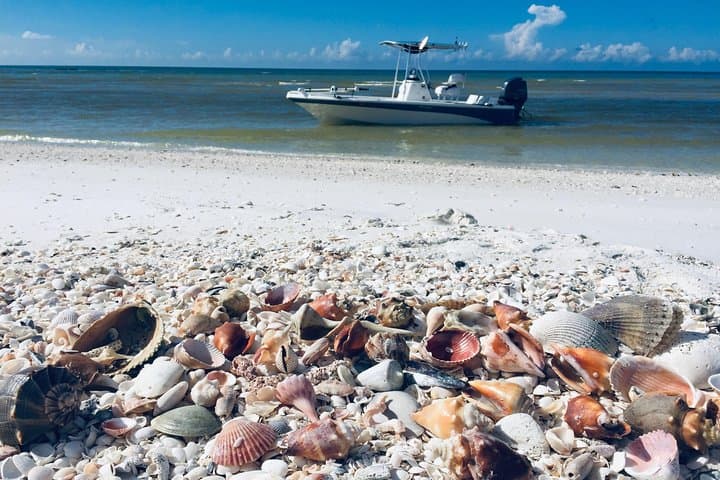
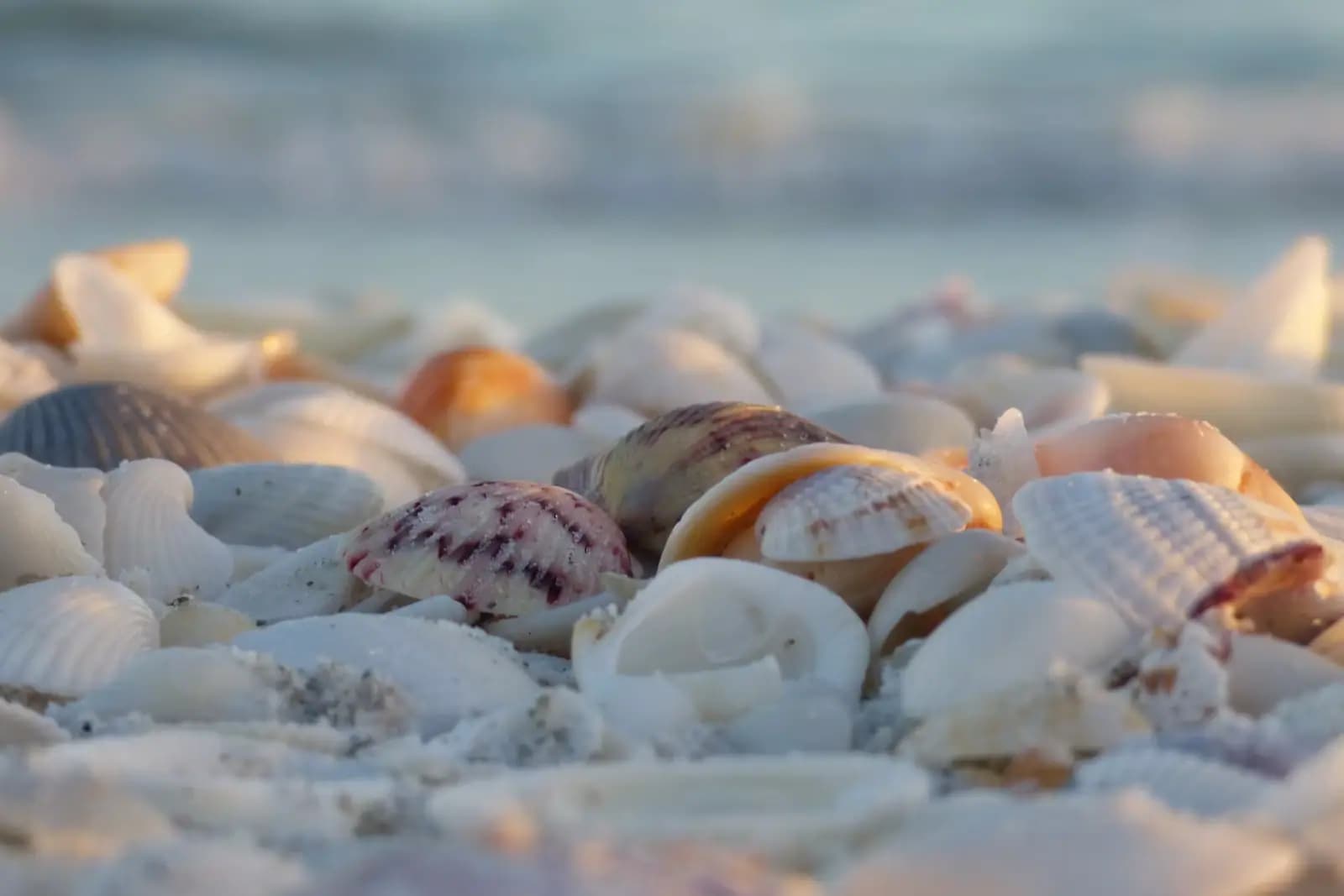
Ask a Sanibel shell collector where they go when they want a serious haul and a surprising number will name an island they cannot drive to. Cayo Costa sits north of North Captiva across a pass, a state park of roughly 2,506 acres with about nine miles of Gulf beach along its western side, and the reason it produces is not mystical. Nobody lives there. There is no bridge, no road and no resort. Between one boat and the next, the tide line rebuilds itself undisturbed, which is precisely what does not happen on an island where two hundred people are walking the wrack at first light.

Geography helps too. Boca Grande Pass, one of the deepest natural passes on this coast, runs off the northern end, and Captiva Pass off the southern. Passes move water hard, water moves shell, and an island slung between two of them collects the results.

The park is properly a park rather than a wild landing. Published facilities have included primitive cabins, tent sites with fire rings, boat slips, picnic pavilions, restrooms and a bath house, a small nature centre and bicycle hire, with a track crossing the island from the bay-side dock to the Gulf beach. Day use runs from eight in the morning to sundown.

The essential caveat is recent and it is not decoration. The 2022 hurricane came ashore directly over these islands, and the park's buildings, vegetation and dock infrastructure took the full force of it. Restoration has proceeded in stages over several years and what is open in any given season has changed repeatedly. Do not plan a trip around a cabin, a tram ride or a specific facility you read about somewhere. Confirm with the park and with whichever boat you are taking, on the week you are travelling.

What has not changed is the beach, the shells and the quiet.

Getting there and parking

There is no road. Every visitor arrives by water.

Scheduled passenger boats run from Captiva's bay-side docks, a little over an hour's drive from the Sanibel Causeway, and from Pine Island on the mainland. Half-day and full-day options are typical. Book ahead in season and confirm the departure point, because Captiva has more than one dock and they are not adjacent.

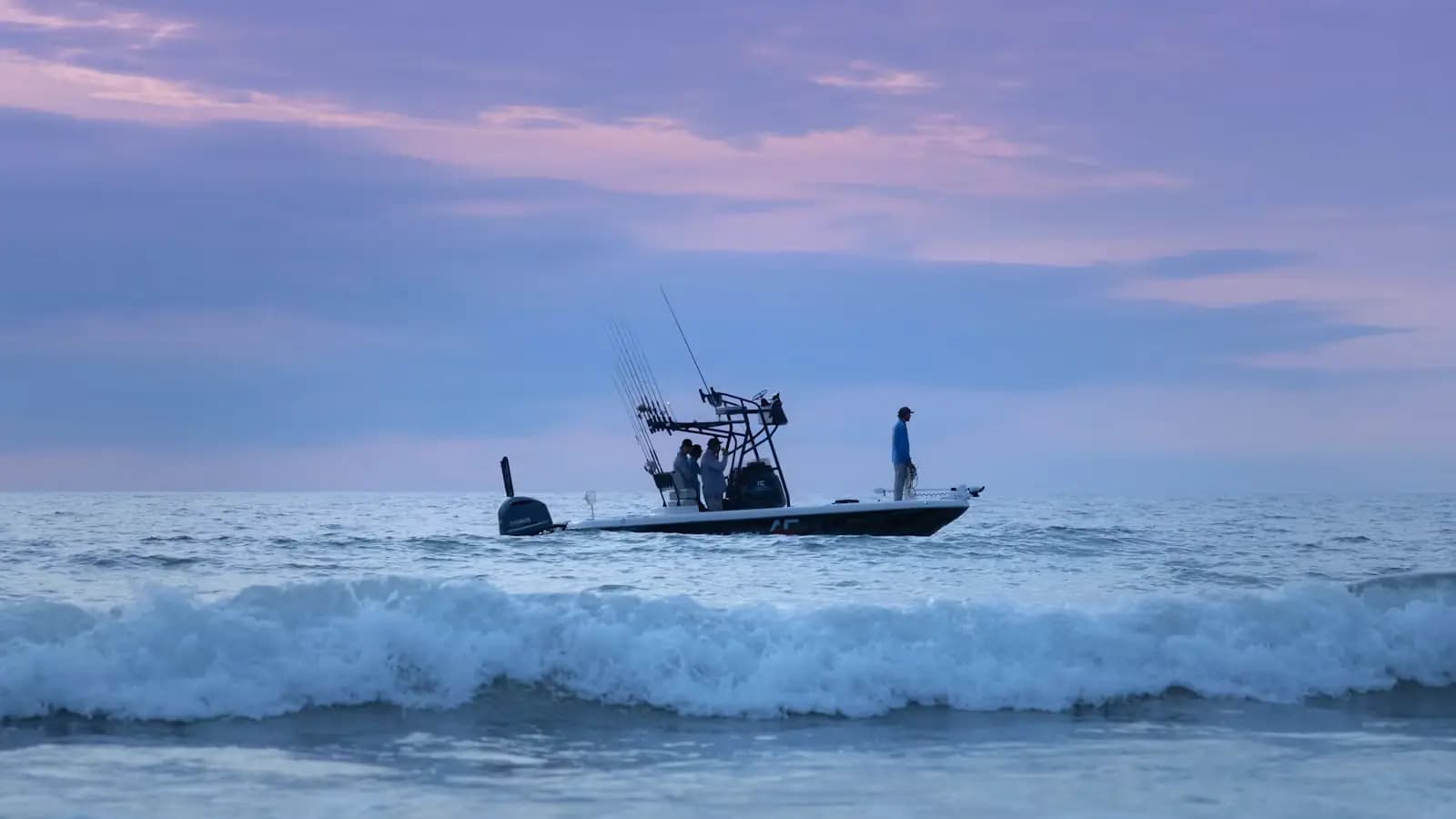
Charter captains based on Sanibel, Captiva and Pine Island will run a drop-off and collection, which lets you choose a landing point away from the park dock.

Private boats can use the park's slips on the bay side. Boca Grande Pass to the north and Captiva Pass to the south both run strong tidal current and carry serious traffic; neither is a place to learn.

Everything is weather-dependent. A brisk day on the Gulf cancels sailings, and in summer the afternoon storm pattern shortens trips without notice.

Getting there, which is the whole planning problem

Scheduled passenger boats. Operators sail from Captiva's bay-side docks and from Pine Island on the mainland side, typically offering a half-day and a full-day option to Cayo Costa. This is how most visitors without a boat make the trip. Book in advance in season, confirm the return time twice, and understand that the boat is the only way back.

Charter. A private captain will run you out, drop you with your gear and collect you at an agreed hour. For four or more people the cost per head is often comparable to a scheduled ticket, and you choose your landing point, which matters because the crowd concentrates near the dock and the beach empties within fifteen minutes' walk.

Your own or a rental boat. Straightforward in settled weather, with slips available at the park dock. The passes at either end run hard on the tide and carry heavy traffic. Watch the shoaling and read the current chart rather than the last one you saw.

Kayak. Only for experienced paddlers with tide knowledge, and not from Sanibel. The crossings involve open water and passes that outrun a paddler easily. This is not the way to take a family.

All scheduled services are seasonal, weather-dependent and cancel outright when it blows.

The shelling, and how to work it

The rule that governs every beach in this county governs this one: nothing with the animal still inside comes off the sand. Live shelling is prohibited, and that includes sand dollars, sea stars and urchins, which are alive far more often than visitors assume. A dull, fuzzy or slightly damp sand dollar is a living animal. Put it back in the water.

Working the beach properly:

  • Go on a falling tide, ideally the lowest of the day, and ideally within a day or two of a full or new moon.
  • Walk away from the dock. The first four hundred yards are picked clean by lunchtime. The next four miles are not.
  • Work the second line, not the obvious one. The freshest deposit sits at the edge of the wet sand where the last wave reached, not in the big pile that has been there since yesterday.
  • Look after a westerly blow. A winter front pushing in from the Gulf is what stacks the tide line on this coast.
  • Take a mesh bag, which lets sand and water out, and rinse everything before it goes in a rucksack.

What comes off this island that rarely comes off Sanibel: larger whelks intact, better horse conchs, and the occasional junonia that people will ask you about for years.

What a day out there is actually like

You land on the bay side. The Gulf beach is across the island, a short crossing on a sand track that has historically been served by a park tram; whether it is running in any given season is a question for the park rather than for a guide.

The beach is wide, pale and almost empty once you are clear of the landing. There is no surf to speak of most days, the shelf is gentle and the water is warm from spring to late autumn. Behind the sand there is pine flatwood, oak and palm hammock, and mangrove on the bay side, with short trails through it.

Take with you:

  • More water than feels reasonable. There is nothing to buy out here.
  • Food, and a bag to carry the rubbish home in.
  • Shade you can carry. Dune vegetation is low and has been rebuilding since 2022.
  • Footwear for the water. Shell beds are sharp and storm debris has been reported in the shallows across this coast.
  • Insect repellent for the interior trails, which are a different environment from the beach.
  • A charged phone in a dry bag, accepting that signal is patchy.

There is no lifeguard, no shop, no medical facility and no way off except your boat. Plan accordingly and the day is superb.

Wildlife, and the rules that protect it

Four species of sea turtle nest along this coast, and Cayo Costa is a significant nesting island. Monitoring runs from spring into autumn. Nests are marked, and a marked nest is a legally protected structure rather than a point of interest. Stay outside the stakes, take nothing from inside them and do not dig anywhere near the dune line.

Shorebirds nest directly on open sand, which is why sections of beach are roped off in spring and summer and why the boundaries move from year to year as colonies shift. Walking into a posted area flushes an entire colony in seconds and can cost a season's chicks.

Bald eagles nest on the island, manatees use the bay side and dolphins work the passes. Keep the legal distance from manatees, and remember that approaching one is an offence regardless of intent.

Dogs are restricted in Florida state parks and are not permitted on many park beaches. Confirm the current rule before you bring one on a boat, because there is nowhere to leave it once you arrive.

Take everything home. The island has limited collection and what blows off a beach here ends up in the mangroves and inside something that eats it.

Tours that visit Cayo Costa

Operators run these trips past Cayo Costa, or stop there as part of a longer route. We list what the booking data supports — not everything that mentions the name.

Some links below go to Viator, our booking partner. We earn a commission on bookings made through them — at no extra cost to you, and with no influence on what we recommend.

Shared departurespriced per seat, best value for one or two

  • Sunset Cruise Fort Myers Beach

    Private and Luxury

    Sunset Cruise Fort Myers Beach (opens in a new tab)

    Free cancellationInstant confirmation
    23 reviews

    Join us for a scenic 90 minute cruise at sunset that blends comfort, adventure, and the wonders of nature. Book your spot today and…

    1–2 hours

    Prices checked

    from $47.92
  • Southwest Florida Sunset Sail

    Wildlife Watching

    Southwest Florida Sunset Sail (opens in a new tab)

    Free cancellationInstant confirmation
    514 reviews

    SWFL sunsets are the best, and there is no better place to watch them than from the deck of our 36ft. Sailing Catamaran, "Copacetic". The…

    2 hours

    Prices checked

    from $70

Private and small-group optionsoften cheaper per head for a family or a group of six

Near Cayo Costa

Straight-line distances, so allow more on the road — the island is long and has one main parkway.

  • A wooden pioneer-era house with wide verandahs shaded by mature trees

    Historic site

    Cabbage Key

    Free

    A hundred acres, one inn, no cars and no bridge — an island lunch on top of a shell mound the Calusa spent centuries building.

    2–4 hoursNo charge to land. The boat fare is the real cost, and meals are priced as an ordinary restaurant.1.9 mi away

  • Low wooden storefronts with corrugated roofs along a quiet two-lane road in a small coastal settlement

    Neighbourhood

    Captiva Island

    Free

    A different island across a 200-foot pass: one road, one village, no dogs on the sand and parking that costs several times Sanibel's.

    3–8 hoursNo charge to visit. Parking is the real cost, and it varies by which authority runs the lot.11.4 mi away

  • An empty wide sand beach backed by dune vegetation with small surf offshore

    Beach

    Alison Hagerup Beach Park

    Free

    Captiva's north-end public beach, where the parking pays for the sand you are standing on and an all-day space costs more than lunch.

    1.5–5 hoursNo admission charge. Parking is paid by the hour or by the day and is the most expensive on either island.10.7 mi away

  • Red mangroves standing on their prop roots at the edge of a shallow saltwater channel

    Nature preserve

    Buck Key

    Free

    The mangrove island that shelters Captiva's back side — somewhere you paddle around rather than somewhere you step ashore.

    1.5–4 hoursFree to paddle. Kayak hire and guided trips are the cost.11.7 mi away

Cayo Costa: common questions

How do you get to Cayo Costa State Park?

Only by boat. There is no bridge and no road. Scheduled passenger services sail from Captiva's bay-side docks and from Pine Island on the mainland, usually with a half-day and a full-day option, and private charters will drop you and collect you at an agreed time. Private boats can use the park's slips. Book scheduled sailings in advance during the winter season and confirm your return time, because the boat is the only way back.

Is the shelling at Cayo Costa better than on Sanibel?

Usually, for one unglamorous reason: almost nobody walks it. On Sanibel the tide line is worked over by hundreds of people every morning, while on Cayo Costa it rebuilds undisturbed between boats. Deep passes at both ends of the island move a lot of water and a lot of shell. Walk away from the landing dock, work a falling tide, and the difference becomes obvious within half a mile.

Can you camp on Cayo Costa?

Camping and primitive cabins have historically been part of the park, with tent sites, fire rings and a bath house. However, Hurricane Ian struck this island directly in September 2022 and facilities have been restored in stages since, with availability changing repeatedly. Do not plan around a cabin or a campsite on the strength of an older article. Check the park's current reservation system and confirm before you book a boat.

What should you take to Cayo Costa?

More water than you think, food, shade you can carry, footwear for the water, insect repellent for the inland trails, and a bag to take your rubbish home in. There is no shop on the island and nothing to buy. Dune vegetation has been regrowing since 2022, so natural shade is limited, and shell beds and storm debris both make bare feet a poor idea in the shallows.

How far is Cayo Costa from Sanibel?

It is about twenty miles north of Sanibel by water, beyond Captiva and North Captiva. There is no direct scheduled service from Sanibel itself, so most visitors drive the length of Sanibel and Captiva to the bay-side docks, which takes around an hour from the causeway, and sail from there. Charter captains based on Sanibel will make the run directly, which costs more and saves the drive.