Likely to Sell Out
Fort Myers Beach Sunset and Dolphin Watching Cruise (opens in a new tab)
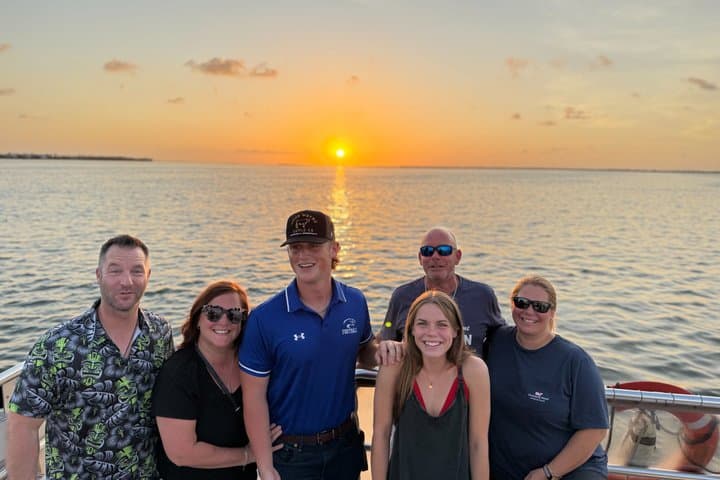
Join us for a Fort Myers Beach sunset cruise and enjoy a relaxing evening on the water with stunning views of the Gulf and Sanibel…
1–2 hours
Prices checked
Beach
Last updated
Captiva's north-end public beach, where the parking pays for the sand you are standing on and an all-day space costs more than lunch.
Photo: Eric FriedebachCC BY 3.0
The public road on Captiva runs out at a resort gate, and the last thing before it is a beach park named for a woman who spent years arguing for this shoreline. Older signs, older maps and a good many locals still call it Captiva Beach. It is the north end of the public island: a wide stretch of west-facing Gulf sand, a small lot, accessible restrooms, and views across Redfish Pass to the low green line of North Captiva.
What makes this park worth explaining rather than just listing is who runs it. Not the City of Sanibel, and not Lee County Parks in the ordinary sense, but the Captiva Erosion Prevention District, a taxing authority whose entire job is keeping sand on Captiva. Parking revenue here goes into renourishment and habitat work. That is why an hour costs roughly three times what an hour costs at a Sanibel beach lot, and why a day here has been priced around the cost of a decent lunch for two. Knowing where the money goes does not make it cheaper, but it does make it make sense.
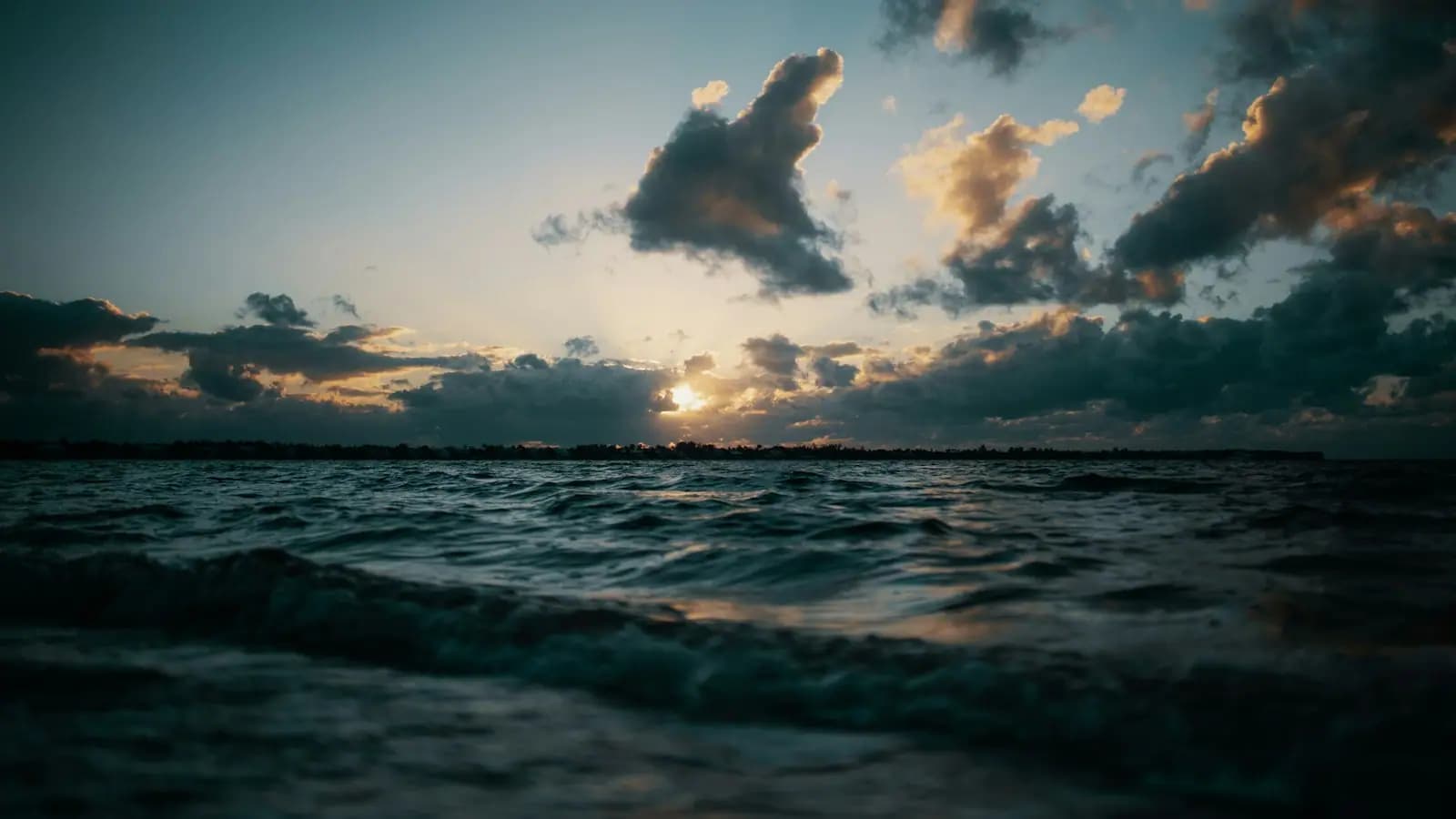
The beach itself faces almost due west, which is the practical difference from Sanibel's long south-facing Gulf shore. The sun sets into the water in front of you rather than off to the right, and from about an hour before sunset the lot fills with people who have come for exactly that. Shelling is decent but not exceptional here; the serious tide lines are three miles south at the pass, where the current does the sorting.
Come with the rules in mind, because they are stricter than most Florida beaches and they are posted for a reason. No dogs anywhere on Captiva's beaches. Nothing alive comes off the sand, shells included. No alcohol, no fires, no loud music. Shorebirds nest on open sand here and turtles nest in the dune line, and the posted areas move between seasons.
Cross the Sanibel Causeway, take Periwinkle Way west, join Sanibel-Captiva Road and follow it over the Blind Pass Bridge onto Captiva. Captiva Drive continues north through the village; the park is at the very end of the public road, immediately before the resort gate.
From the causeway toll plaza allow around 35 minutes without traffic and up to an hour in February and March. From the Blind Pass Bridge it is a slow ten to twelve minutes.
The separated shared-use path ends at Blind Pass, so cycling here means riding Captiva Drive itself: narrow, no shoulder in places, and busy with shuttles and delivery traffic. Confident riders do it; families generally should not.
There is no legal alternative parking nearby. The streets behind the beach are private and signed, and towing is routine.
This is the first thing to sort out, because there is no free alternative within walking distance and the residential streets are not an option.
Payment runs through a mobile system rather than a machine, so you need a phone, a signal and a minute or two before you walk down to the sand. Recent posted rates have been in the region of $15 for an hour, $25 for two hours and $40 for the day. Those numbers move, and they move upward, so treat them as a band and check the sign in the lot rather than a figure you read somewhere.
Two consequences worth planning around.
First, the short-stay economics are poor. If you only want a walk and a look, the hourly rate makes a 45-minute stop expensive per minute. Either commit to a half day or use Turner Beach at the other end of the island, which is a City of Sanibel lot on the Captiva side and charges the city's much lower flat hourly rate.
Second, your Sanibel parking session does not transfer here. The city's mobile session moves between city parks while it is running, but this park is a different authority on a different system. Buying time twice on the same day is an easy and irritating mistake.
The lot is small. On a clear evening in season it fills well before sunset.
No dogs. Captiva's beaches are closed to dogs entirely, at every hour and in every season, which catches out visitors who walked one on Sanibel that morning. There is no dog-friendly stretch of Captiva sand.
No live shelling. Lee County's ban covers this beach. If there is an animal inside, it stays. That includes sand dollars, sea stars and urchins, which routinely come out of buckets at the car park when somebody realises the dry-looking one was not dry.
Beyond those two: a saltwater fishing licence is required to fish from the beach, free for Florida residents and purchasable online for visitors. No alcohol. No open fires. Keep music at a volume that ends where your towel does. Stay off the dune plantings, which are doing structural work rather than decorative work after successive storms.
Shorebirds nest directly on open sand in spring and summer, and the roped areas are moved as colonies shift. Sea turtles nest in the dune line through the warm months, and artificial light on the beach after dark is a genuine problem for hatchlings rather than a technicality. If you are here after sunset, use a red filter or no light at all.
Wide at the north end, narrowing as you walk south, with soft dry sand above the tide line and a firm band below it that is easy to walk on for a couple of miles. The shelf is gentle, so the water stays shallow a long way out and warms quickly.
The view is the distinguishing feature. You are looking across Redfish Pass, the channel cut by a hurricane in 1921 that separated North Captiva from Captiva, at an island with no bridge to anywhere. Boat traffic through the pass is constant in daylight and worth watching if you like the mechanics of a working coast.
Shade is essentially absent. Dune vegetation here has been replanted repeatedly since 2022 and it is neither tall nor continuous, so bring an umbrella with a screw anchor rather than a spike. Wind off the Gulf is steady enough that a cheap umbrella will leave for the Yucatán.
Facilities are modest and honest: accessible restrooms, a small lot, no concession stand to rely on. Bring water. The nearest place to buy anything is back down the road in the village, and in the low season some of that is closed.
Best. Two to three hours before sunset, any month. The light is the point of a west-facing beach, and the lot's hourly pricing suits a short, deliberate visit better than a full day. October through early December gets you warm water, small crowds and low, useful angles of light.
Good. Early morning after a front has pushed through from the west, when the tide line holds whatever the night moved. It is not the pass, but it is a quiet beach with almost nobody on it before nine.
Avoid. Midday in March, when the lot fills, the rate compounds and there is no shade. Also avoid planning a rainy-day fallback here; there is no shelter of any kind.
Season notes. Red tide occurs on this coast and can make a beach visit unpleasant, particularly for anyone with asthma. State and county sampling is published online and updated through the week. Storm debris was still being reported buried in the sand and shallows along these islands well after 2022, so footwear in the water is a reasonable precaution rather than an anxious one.
Operators run these trips past Alison Hagerup Beach, or stop there as part of a longer route. We list what the booking data supports — not everything that mentions the name.
Some links below go to Viator, our booking partner. We earn a commission on bookings made through them — at no extra cost to you, and with no influence on what we recommend.

Likely to Sell Out
Join us for a Fort Myers Beach sunset cruise and enjoy a relaxing evening on the water with stunning views of the Gulf and Sanibel…
1–2 hours
Prices checked

Short term availability
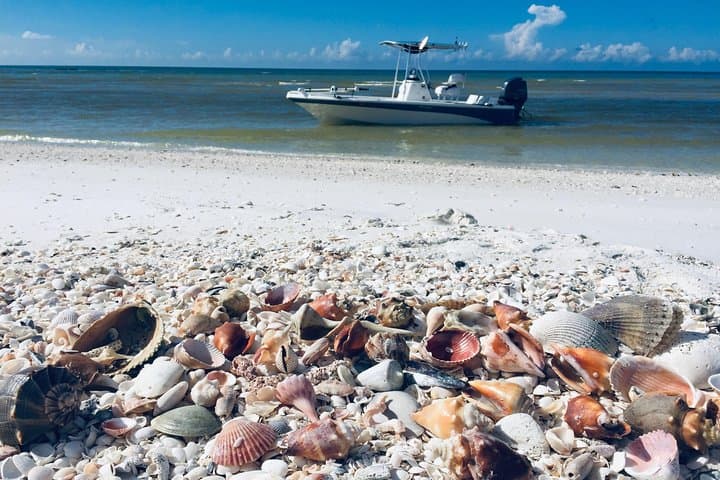
On this trip, Guests will be exploring the local Islands around Fort Myers and Naples area. The Islands are well known for their excellent…
2 hours
Prices checked
Straight-line distances, so allow more on the road — the island is long and has one main parkway.

Neighbourhood
A different island across a 200-foot pass: one road, one village, no dogs on the sand and parking that costs several times Sanibel's.
3–8 hoursNo charge to visit. Parking is the real cost, and it varies by which authority runs the lot.0.6 mi away

Beach
On Captiva, run by Sanibel, and the last of the island beach parks to reopen after Ian — in April 2025.
1–3 hoursFree to enter. Parking is $5.00 per hour in a 28-space lot, enforced 24 hours a day.3.1 mi away

Water feature
The narrow gap between Sanibel and Captiva, where tidal current does the sorting — and where the swimming that looks inviting is not.
1–3 hoursFree to visit. Parking on either side is a paid City of Sanibel session by the hour.3.5 mi away

Beach
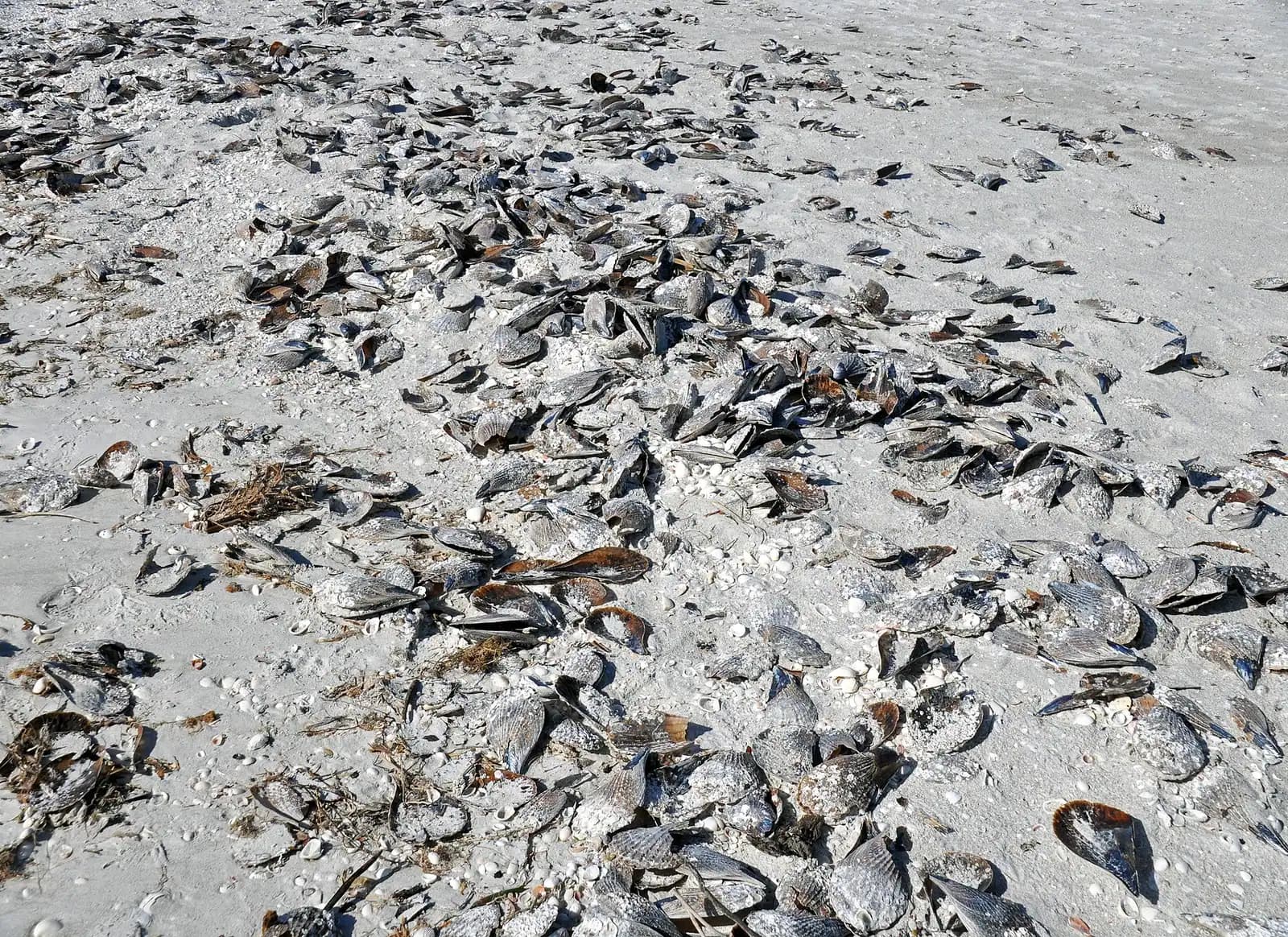
The island's densest shell beds and a posted no-swimming warning, caused by the same thing: the current running through the pass.
1–3 hoursFree to enter. Parking is $5.00 per hour in a 29-space lot, enforced 24 hours a day.3.3 mi away
Where this place fits into a day, and the pages that plan one.

Guide hub
Sanibel lies east to west. Nearly every other barrier island on Florida's Gulf coast lies north to south, running parallel with the mainland, and…

Things to do
Sanibel lies on its side. Almost every barrier island between Tampa Bay and the Ten Thousand Islands runs north to south and turns a narrow shoulder…

Guide hub
The first thing to understand about a Sanibel beach is which way it points. The island lies on an east-west axis, so its Gulf shore faces south and…

Who it suits
Sanibel is a quiet island with an early bedtime, and that is either exactly what you want from a week together or the wrong choice entirely. There…

Guide hub
Captiva is not part of Sanibel and it does not behave like it. It is a separate island, a separate community and, for beach purposes, a separate…

Guide
Cross the pass and the island turns ninety degrees. Captiva runs north to south and faces west, which is why the sunset is there and not here.
8 min readHarriet Lowell

Guide
Twelve miles of south-facing sand, seven metered car parks and a tide that decides everything. Here is which beach to pick and when.
10 min readHarriet Lowell
Recent posted rates have been around $15 for one hour, $25 for two and $40 for the whole day, paid through a mobile app rather than a machine. That is several times the City of Sanibel's flat hourly rate at its own beach lots. The park is run by the Captiva Erosion Prevention District and the money funds beach renourishment. Rates are revised periodically, so check the sign in the lot before you pay.
Yes. This is the park most older maps, signs and long-time visitors still call Captiva Beach, at the northern end of the public stretch of Captiva Drive. The formal name honours a local advocate for the island's shoreline. If a rental house guidebook or an old article sends you to Captiva Beach, this is where it means, and the satnav address is 14790 Captiva Drive.
No. Dogs are banned from every beach on Captiva, at all hours and in all seasons, and this park is no exception. The rule surprises people who have just walked a dog on Sanibel, where leashed dogs are permitted on the sand. If you are travelling with a dog, keep the beach part of the day on the Sanibel side of Blind Pass.
It is decent rather than outstanding. Captiva's west-facing shore catches shells, but the concentrated tide lines on these islands form where currents do the sorting, which means Blind Pass and Turner Beach about three miles south, and the outer islands reached by boat. Come here for the sunset and the width of the beach, and plan a separate low-tide morning at the pass if shells are the reason you came.
There are accessible restrooms and a small parking area, and that is essentially it. No lifeguard, no concession stand, no rental hut you can count on and almost no natural shade, since the dune planting is young and low after repeated storms. Bring water, sun cover and an umbrella that anchors with a screw rather than a spike, because the onshore wind here is steady.