Skip to content
Menu

We earn a commission if you book through this link. You pay the same price.

Search

Water feature

Blind Pass

Last updated

The narrow gap between Sanibel and Captiva, where tidal current does the sorting — and where the swimming that looks inviting is not.

Photo: James St. JohnCC BY 2.0

Closed at the moment

Beach width, facilities and car park layout either side of the pass have changed since the 2022 hurricane and continue to shift with storms and dredging. Do not rely on a facility being where an older guide puts it.

Two hundred yards of moving water separate Sanibel from Captiva, and almost everything interesting about shelling on these islands happens in it.

The pass was cut by a hurricane in the 1920s, which is when Captiva stopped being the northern end of Sanibel and started being its own island. Over the following decades it silted up and closed, as passes on this coast do, and it was reopened by dredging in 2009. It shoals fast and has needed repeated attention since; a pass is a temporary arrangement between a storm and a beach.

A short bridge carries Sanibel-Captiva Road across it, and that bridge is also where the island's separated bike path stops. Beaches sit on both sides: the Sanibel shore to the south, the Captiva shore to the north, each with a small metered car park run by the City of Sanibel.

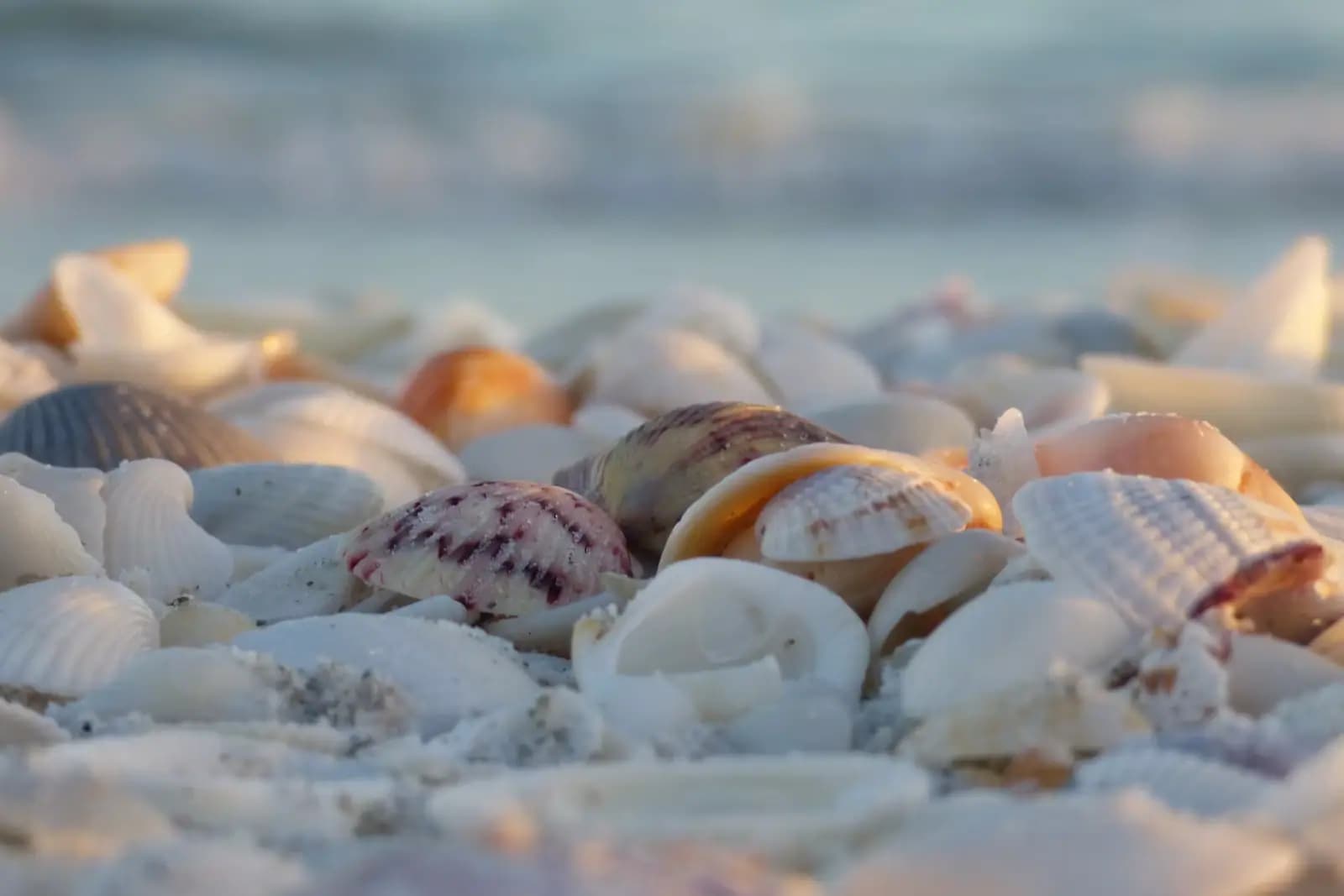
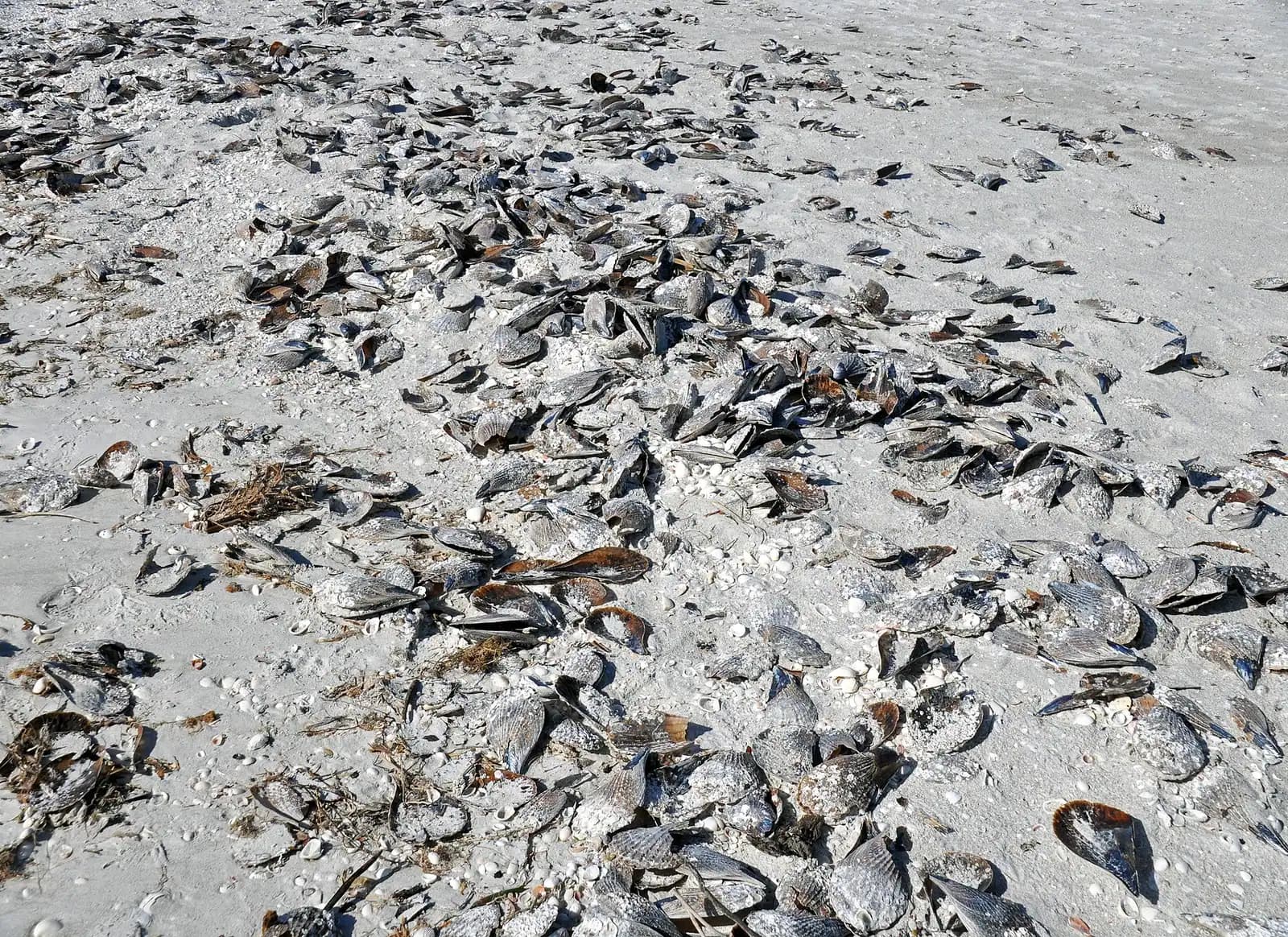
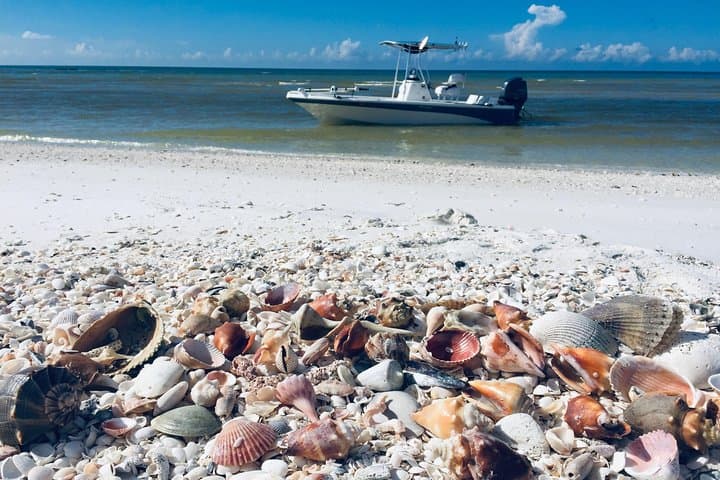
The reason to come is what the current does. Every tide drags water through a narrow gap, and moving water sorts material by weight and shape as reliably as a machine. The result is that the tide lines either side of Blind Pass are the most productive on the island, which is why you will find serious collectors here at six in the morning in February with head torches and mesh bags while the rest of Sanibel is asleep.

The reason to be careful is exactly the same. That current is strong, it changes direction, and it runs hardest in the middle of a tide rather than at the extremes. People have got into serious trouble in this gap. It looks like a calm channel between two beaches and it is not. Shell it, fish it, photograph it and stand in the shallows at the edges, but do not swim in the pass itself and do not let children float towards it.

Getting there and parking

Follow Periwinkle Way west from the causeway, join Sanibel-Captiva Road near Tarpon Bay Road and stay on it to the end of Sanibel. The road crosses the pass on a short bridge with a small car park on each side.

From the causeway toll plaza allow around 25 minutes without traffic, longer in the winter season.

By bicycle, the Shared Use Path runs beside Sanibel-Captiva Road all the way here and finishes at the bridge, which makes this a natural turning point for a ride from anywhere on the island and neatly avoids the car park queue.

Both lots are City of Sanibel facilities charging the flat hourly rate through the city's mobile system, and a session transfers to other city lots while it is running. They are small and they fill early on winter mornings.

Why the shelling is best here, and how to work it

Sanibel collects shells because the island lies east to west and acts as a scoop. The pass adds a second mechanism on top: a tidal jet, running four times a day, that grades what the Gulf delivers.

Timing, in order of importance.

  1. A falling tide, an hour or two after high water, when the outflow has begun dropping material along the edges.
  2. Within a day or two of a full or new moon, when the tidal range is largest and the current strongest.
  3. The morning after a winter front has pushed in from the west. This is the single biggest variable on the whole coast.
  4. Before sunrise. By nine in February, both beaches have been walked several times over.

Where to look. The deposits build along the edges of the channel and on the beach immediately downstream of the gap. Which side that is depends on which way the tide is running, so look at the water for a minute before choosing a direction.

What turns up. The full Sanibel list, with a better hit rate on whole whelks, olives and the odd alphabet cone.

The rule. Live shelling is banned across Lee County. Nothing with the animal inside leaves the beach, and that includes sand dollars, sea stars and urchins.

The current, stated plainly

This is the most important section on this page.

Blind Pass moves a large volume of water through a narrow, shallow gap on every tide. The current is strongest in the middle of the tidal cycle, not at high or low water, which is counter-intuitive if your beach experience is Atlantic surf. It reverses direction. It runs faster than a competent adult swims.

Do not swim in the pass. The water looks calm from the beach because it is moving smoothly rather than breaking. Smooth is not slow.

Keep children in the shallows on the beach side, well away from the gap, and watch them continuously. A float toy drifting towards the channel is a genuine emergency.

Wading is the sensible limit. Ankle to knee, at the beach edges, facing the water.

If you are caught in the outflow, do not swim against it. Swim across it, at right angles, towards the nearest beach, and let it carry you while you do. Fighting a tidal jet is how strong swimmers drown.

There is no lifeguard. There is no lifeguard anywhere on Sanibel or Captiva. Help is whoever else is on the beach.

Swim at Bowman's Beach, Gulfside City Park or Tarpon Bay Beach instead. All three are five to ten minutes away, all three are gently shelving, and none of them has a channel in it.
Fishing the pass

A pass is a feeding station, and this one has a reputation.

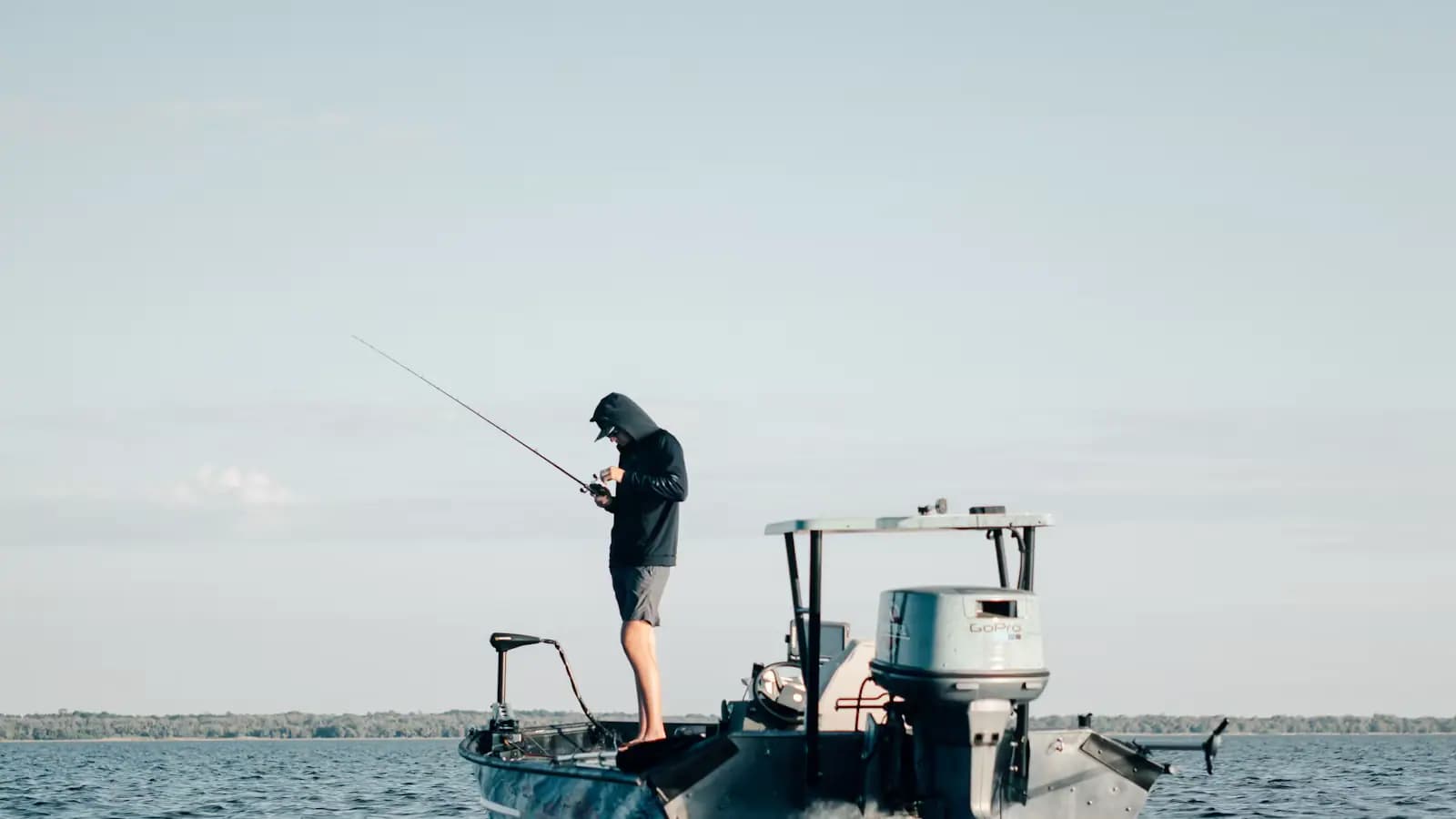
Snook stack up in the current where it dumps bait, especially at night and around a moving tide. Redfish, mangrove snapper, sheepshead around structure, jacks and ladyfish when they are through, and tarpon in the channel in season for anyone equipped to argue with one.

Licence. A Florida saltwater fishing licence is required and is free to Florida residents; visitors buy one online in a couple of minutes. Shore fishing without one is an expensive way to save a small amount of money.

Seasons and slot limits on snook and redfish change, sometimes at short notice and sometimes in response to red tide events on this coast. Check the current state rules before you keep anything.

Where. Anglers work both beaches and the edges of the channel. Access arrangements around the bridge structure itself vary, so read the signage on the day rather than following whatever somebody else is doing.

Take your line home. Discarded monofilament here entangles pelicans, cormorants and ospreys, and the island's wildlife hospital treats the results constantly. Cut loose line you find into short lengths and bin it.

Parking, timing and the bridge

Parking. Small lots sit on both sides, and both are City of Sanibel facilities charging the city's flat hourly rate through its mobile payment app. A session transfers between city lots while the time is running, which is worth knowing if you are working the tide and want to move on to Bowman's afterwards.

They fill early. These are among the smallest lots on the island and they serve the most sought-after beach on it. In February and March, arrive before eight or accept a wait.

Restrooms have been provided on the Captiva side; availability has changed since 2022, so do not build a day around it.

The bridge. Short, low and the western terminus of the separated Shared Use Path. Cyclists heading for Captiva village continue on the road from here, sharing a narrow carriageway with resort traffic.

Best hours. Before sunrise for shells. The last hour of light for photographs, when the pass runs gold and the birds come through. The middle of the day is the worst of both: full car parks, picked-over sand and hard light.

Access after storms. Passes and their beaches change shape. What was a wide beach in one season can be a narrow one in the next.

Tours that visit Blind Pass

Operators run these trips past Blind Pass, or stop there as part of a longer route. We list what the booking data supports — not everything that mentions the name.

Some links below go to Viator, our booking partner. We earn a commission on bookings made through them — at no extra cost to you, and with no influence on what we recommend.

Private and small-group departurespriced per boat or per vehicle, not per person

  • Shelling Tours - Fort Myers Beach / Naples

    Short term availability

    Shelling Tours - Fort Myers Beach / Naples (opens in a new tab)

    Free cancellationPrivate tour
    80 reviews

    On this trip, Guests will be exploring the local Islands around Fort Myers and Naples area. The Islands are well known for their excellent…

    2 hours

    Prices checked

    from $350

Near Blind Pass

Straight-line distances, so allow more on the road — the island is long and has one main parkway.

  • Aerial view of a pale sandy point at the end of a low wooded island, with small boats in the shallows

    Beach

    Turner Beach Park

    Free

    On Captiva, run by Sanibel, and the last of the island beach parks to reopen after Ian — in April 2025.

    1–3 hoursFree to enter. Parking is $5.00 per hour in a 28-space lot, enforced 24 hours a day.0.3 mi away

  • A dense bank of small dark and pale shells piled together on wet beach sand

    Beach

    Blind Pass Beach Park

    Free

    The island's densest shell beds and a posted no-swimming warning, caused by the same thing: the current running through the pass.

    1–3 hoursFree to enter. Parking is $5.00 per hour in a 29-space lot, enforced 24 hours a day.0.3 mi away

  • Low wooden storefronts with corrugated roofs along a quiet two-lane road in a small coastal settlement

    Neighbourhood

    Captiva Island

    Free

    A different island across a 200-foot pass: one road, one village, no dogs on the sand and parking that costs several times Sanibel's.

    3–8 hoursNo charge to visit. Parking is the real cost, and it varies by which authority runs the lot.2.8 mi away

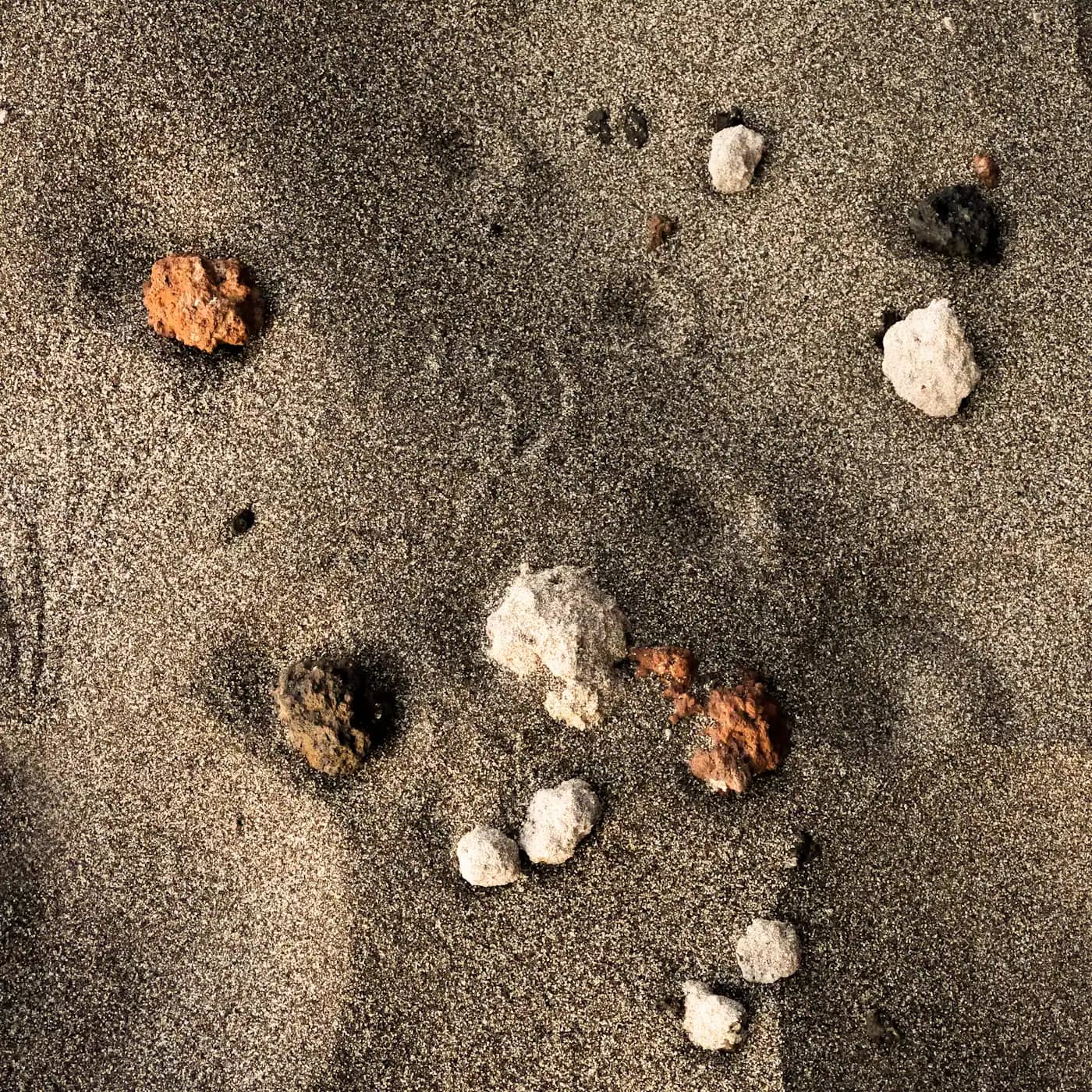
  • A scatter of small shells and pebbles part-buried in damp grey sand

    Beach

    Bowman's Beach Park

    Free

    The island's largest lot, and a quarter-mile walk over a bayou footbridge before you reach sand. The walk is what keeps it empty.

    2–6 hoursFree to enter. Parking is $5.00 per hour, enforced 24 hours a day.1.5 mi away

Blind Pass: common questions

Can you swim at Blind Pass?

Not in the pass itself. A large volume of water moves through a narrow gap on every tide, the current runs fastest in the middle of the tidal cycle rather than at high or low water, and it outruns a competent swimmer. It looks calm because it is moving smoothly rather than breaking. Wade at the beach edges if you like, keep children well back, and swim at Bowman's Beach, Gulfside City Park or Tarpon Bay Beach instead.

Why is the shelling so good at Blind Pass?

Because moving water sorts material. Sanibel already collects shells because the island lies east to west and scoops them out of the Gulf, and the pass adds a tidal jet running four times a day that grades what arrives by weight and shape. The deposits build along the channel edges and on whichever beach is downstream of the flow. Go on a falling tide near a full or new moon, ideally after a westerly front.

Where do you park at Blind Pass?

There are small car parks on both sides of the bridge, on the Sanibel shore and on the Captiva shore, and both are City of Sanibel lots charging the city's flat hourly rate through its mobile payment app. A session transfers to other city lots while the time is running. They are among the smallest lots on the island and serve its most popular shelling beach, so arrive before eight in the winter season.

Can you fish at Blind Pass?

Yes, and it has a serious reputation, particularly for snook around a moving tide and after dark. Redfish, mangrove snapper, sheepshead and jacks are all caught here, and tarpon run the channel in season. A Florida saltwater licence is required, free for residents and quick to buy online for visitors. Check current seasons and slot limits before keeping anything, and take every inch of line home with you.

When was Blind Pass reopened?

The pass was cut by a hurricane in the 1920s, separating Captiva from Sanibel, then silted closed over the following decades as passes on this coast tend to. It was reopened by dredging in 2009 and has needed periodic maintenance since, because it shoals quickly. That instability is normal: a tidal pass is a temporary arrangement between storms, currents and sand, and its beaches change shape from season to season.