Skip to content
Menu

We earn a commission if you book through this link. You pay the same price.

Search

Tours

Sanibel Dolphin Tours

Last updated

Bottlenose dolphins live in San Carlos Bay and Pine Island Sound year-round. Which Sanibel dolphin cruise to book, what it costs and the best hour to go.

A bottlenose dolphin breaking the surface of calm water with its dorsal fin and back visibleUnsplash

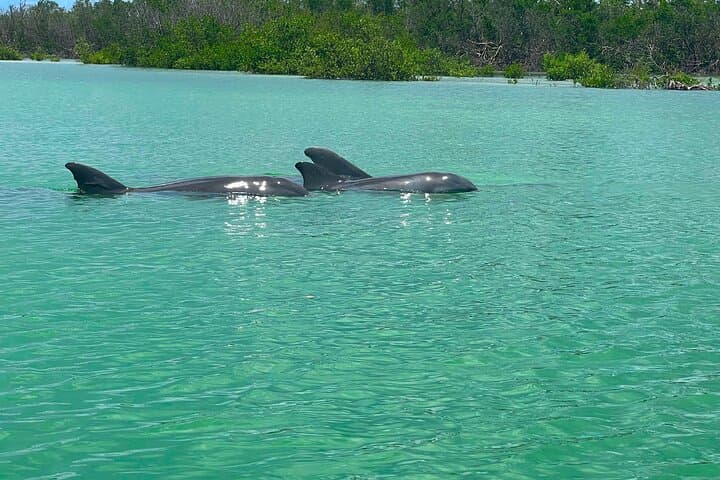
The dolphins here are not out in the Gulf. They are behind the islands, in the bay and the sound, which is the first useful thing to know and the reason a dolphin trip from Sanibel is nearly always a trip on flat water.

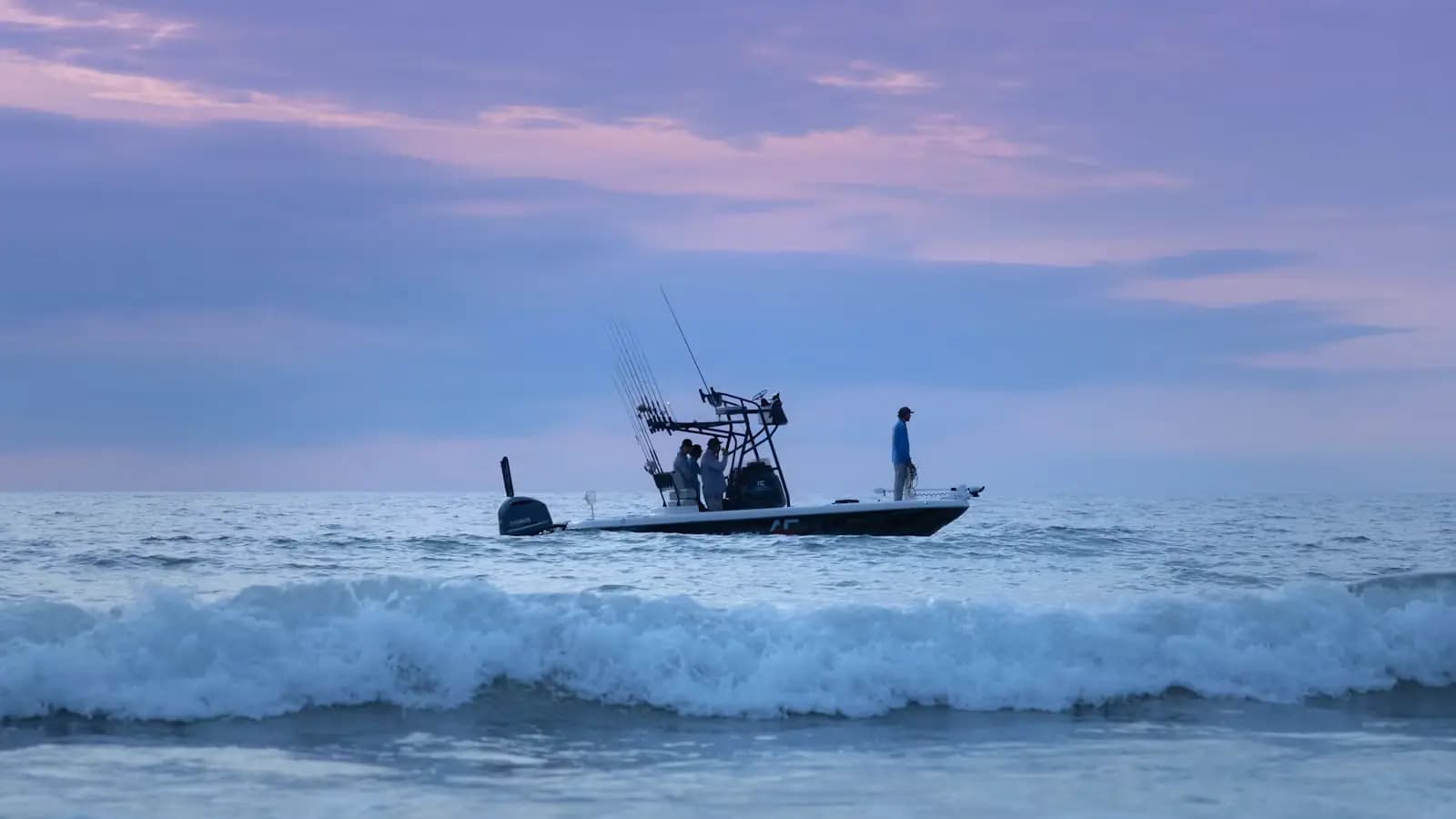
Atlantic bottlenose dolphins live year-round in San Carlos Bay, at the mouth of the Caloosahatchee off the island's eastern end, and in Pine Island Sound, the sheltered estuary running north behind Captiva. They are resident rather than migratory. What they follow is bait, and bait concentrates wherever moving water is forced through a narrow place: under the causeway spans, in the cut at Blind Pass, along channel edges and at the mouths of the creeks that drain the mangrove. Captains do not go looking for dolphins so much as position themselves where the tide is doing the work.

Because all of that is inside water, a Sanibel dolphin cruise runs on days when a Gulf trip would be miserable. A north wind that puts a short chop on the open water barely touches the sound. That is worth remembering in winter, when this is one of the few outdoor bookings on the island that reliably survives a cold front.

The local wrinkle that shapes the schedule is one of geography that catches almost every first-time visitor. Sanibel lies east to west rather than north to south, which is why it collects shells the way it does — and which also means its Gulf beaches face roughly south. You cannot stand on most of this island's shoreline and watch the sun go down over open water. Captiva, running north from Blind Pass, faces west and can. So the evening dolphin fleet concentrates up there and out in the sound rather than off Sanibel's own beaches, and a "sunset dolphin cruise" here may well mean a drive up Sanibel-Captiva Road before you board anything.

One honest note. The estuary these animals feed in took real damage in September 2022, and seagrass and mangrove recovery is a slow, uneven business. The dolphins are still here and sightings remain routine. The system around them is still mending.

Our picks

The ones we would book

  • Editor's Pick

    Best all-round dolphin cruise

    Why we chose it

    Ninety minutes to two hours on the inside water, boarding at the island's east end so you are among dolphins within a few minutes of leaving the dock. A captain who narrates the estuary rather than pointing at fins, engines out of gear when animals come close, and short enough that small children stay interested the whole way.

  • Best for Families

    Best for families with young children

    Why we chose it

    Morning departure, shade over most of the seating, a head aboard and discounted child fares. Two hours is about the limit for anyone under eight, and the protected water inside the bay means nobody turns green. Book the earliest slot in summer, before the sea breeze fills in and the storms build inland.

    The dolphins can be so curious!

    Involves Animals

    Dolphin and Manatee Adventure Tour of Fort Myers (opens in a new tab)

    Best for FamiliesFree cancellationInstant confirmation
    3K reviews

    Come join us for a once in a lifetime experience that is great for all skill levels. There are only a few places on earth to see the West…

    2 hours

    Prices checked

    from $76.68
  • Best Value

    Best value hour on the water

    Why we chose it

    The shorter bay cruises are the cheapest way to get out here and they see the same resident animals as trips costing twice as much. You give up the long run into Pine Island Sound and the island landing. You keep the dolphins, the pelicans and the causeway water where the tide does the concentrating.

  • Small Group

    Best small-boat nature cruise

    Why we chose it

    The refuge concession on Tarpon Bay runs small vessels on enclosed estuary water with a naturalist aboard, and the birds are as much the point as the dolphins. Calmer and more educational than a bay cruise. Remember the refuge closes on Fridays and the concession keeps its own calendar besides, so check before you drive over.

  • Sunset

    Best evening cruise

    Why we chose it

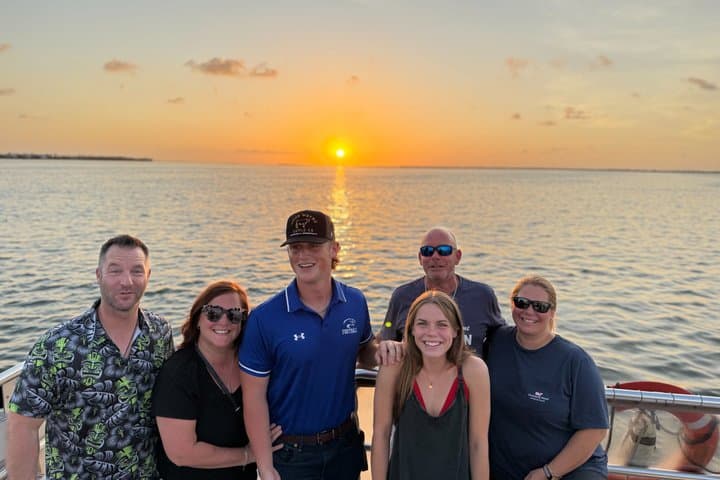
    Because Sanibel faces south, the over-water sunset belongs to the Captiva side, and that is where the evening fleet boards. Allow a real drive up Sanibel-Captiva Road in season. Check the boarding time against the date too: sunset shifts by about three hours between June and December here.

    Southwest Florida Sunset Sail

    Wildlife Watching

    Southwest Florida Sunset Sail (opens in a new tab)

    SunsetFree cancellationInstant confirmation
    514 reviews

    SWFL sunsets are the best, and there is no better place to watch them than from the deck of our 36ft. Sailing Catamaran, "Copacetic". The…

    2 hours

    Prices checked

    from $70
  • Best Private Tour

    Best private charter

    Why we chose it

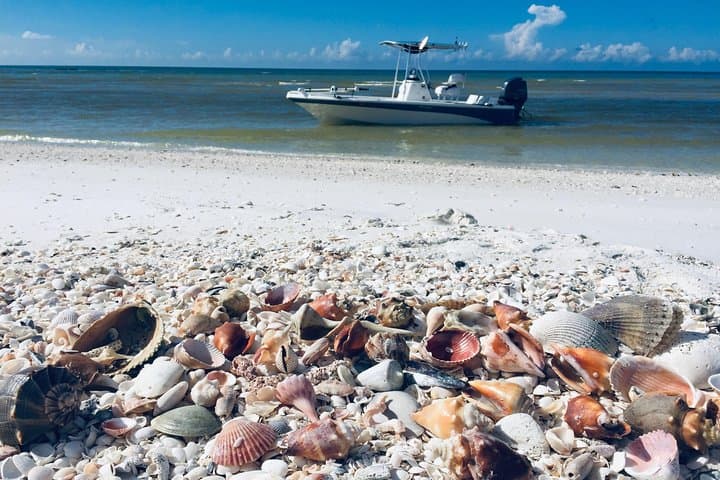
    Sensible from six people, and the right answer for photographers and for families working around a toddler's nap. You set the hour, which means you can leave on the moving tide rather than at the operator's convenience, and you can ask the captain to work the causeway spans or run north into the sound.

    Shelling Tours - Fort Myers Beach / Naples

    Short term availability

    Shelling Tours - Fort Myers Beach / Naples (opens in a new tab)

    Best Private TourFree cancellationPrivate tour
    80 reviews

    On this trip, Guests will be exploring the local Islands around Fort Myers and Naples area. The Islands are well known for their excellent…

    2 hours

    Prices checked

    from $350

The water they use, and why

Three areas account for most sightings, and knowing which one a trip works tells you more than the operator's name does.

San Carlos Bay and the causeway. The bay sits between the island's eastern end and the mainland, with the causeway crossing it on a series of spans and spoil islands. Every one of those spans squeezes the tide, and squeezed tide means concentrated bait. Boats out of the island's east end are working this water within minutes of leaving the dock, which makes for short, efficient trips.

Pine Island Sound. North of Captiva, a broad shallow estuary sheltered by the barrier chain, floored in seagrass and fringed with mangrove keys. This is where longer cruises go, and it is more open, more varied and more likely to produce a group of animals travelling rather than a pair working a channel edge.

Blind Pass and the cuts. The pass between Sanibel and Captiva runs hard on a moving tide, which is exactly why it fishes well and why dolphins work it. The pass north of Captiva does the same on a larger scale.

What you will not usually do is go far into the open Gulf. There is no need. The animals are inside, the water is calmer, and every operator knows it.

Behaviour worth watching for: dolphins pushing bait against a bar, mothers with calves through the warmer months, and wake riding, which they do voluntarily and which is legal to accept and illegal to chase.

The sunset problem, and what it does to the schedule

This is the single most useful thing on the page for anyone booking an evening trip, and almost nobody mentions it.

Sanibel runs east to west. Its Gulf shore therefore faces roughly south, not west. On a north-south barrier island — which is what nearly every other island on this coast is — you stand on the beach and the sun drops into the water in front of you. Here it drops away to your right, along the shoreline rather than out to sea, and from most of the island's beaches you are looking down the length of the sand at it rather than across the Gulf.

The western end of the island, around Blind Pass and Turner Beach, gets closer to a proper over-water sunset because the shoreline turns. Captiva, which runs north from the pass and genuinely faces west, gets it outright. Which is why sunset cruises, sunset paddles and sunset dinner reservations on these two islands cluster on the Captiva side.

Practically, three things follow. Check where your evening cruise boards, because a Captiva departure is a forty-minute drive from the eastern end of Sanibel in season, not a ten-minute one. Check the boarding time against the date, because sunset here swings across roughly three hours between midsummer and midwinter and a December "sunset cruise" boards in what feels like the afternoon. And if you cannot get an evening booking, a dawn trip out of the island's east end is genuinely lovely and almost nobody competes for it.

What a dolphin trip costs

What it costs

Bands rather than quotes, and worth confirming at the time of booking; prices on these islands have moved considerably in recent years.

  • Shared 90-minute to two-hour cruise: commonly forty to seventy dollars per adult, with children usually discounted and small children sometimes free.
  • Longer sound cruise with an island landing: typically sixty to a hundred, sometimes more where lunch or a park fee is bundled.
  • Small-boat or six-passenger nature trip: higher per person, because you are buying the boat rather than a seat.
  • Private charter: several hundred dollars upward for a couple of hours, which becomes reasonable at six or more people.

Costs outside the ticket. Crew gratuity is customary here and is usually not included. Parking at a Captiva departure is limited and paid. If your trip includes a landing on a state park island, park entry is normally collected separately.

Booking behaviour matters more than price. From January through April the morning and sunset departures sell out days ahead, and the fleet does not expand to meet demand because dock space on both islands is still constrained after the storm. Outside those months you can often walk up, particularly midweek.

One genuine value note: the shorter bay cruises out of the island's east end are the cheapest way to get on the water here, and they see the same resident animals as trips costing twice as much.

Best time of day, tide and year

When to go

Morning is the reliable choice for most of the year, for three reasons that happen to coincide. The bay holds its overnight calm until the sea breeze arrives, usually in the second half of the morning. The low angle of the light at that hour photographs far better than the flat glare that follows it. And from June through September, storms building inland make an afternoon booking a gamble.

Evening is the atmospheric choice, with the caveats about where the sun actually sets from this island covered above.

Tide matters more than the hour on the clock. Moving water is what concentrates bait, so the productive windows are the middle of a rising or falling tide rather than slack high or slack low. Captains schedule around it, which is why a good operator may offer you an odd-looking departure time rather than a convenient one. Take the odd one.

By season: winter, from December through April, is the island's busiest period and gives comfortable air, low humidity and excellent light, with the caveat that a cold front can put wind on the water for a day or two. Spring is settled and pleasant. Summer is hot and humid with daily storm risk, but the water is warm, calves are about, and early trips are lovely and uncrowded. Autumn is the quietest and, in September and October, the most exposed to tropical weather.

Sunset here shifts by roughly three hours across the year, so an evening departure boards in genuine daylight in December and late into the evening in June. Check the actual time rather than the name of the trip.
Honest odds, and what else you will see

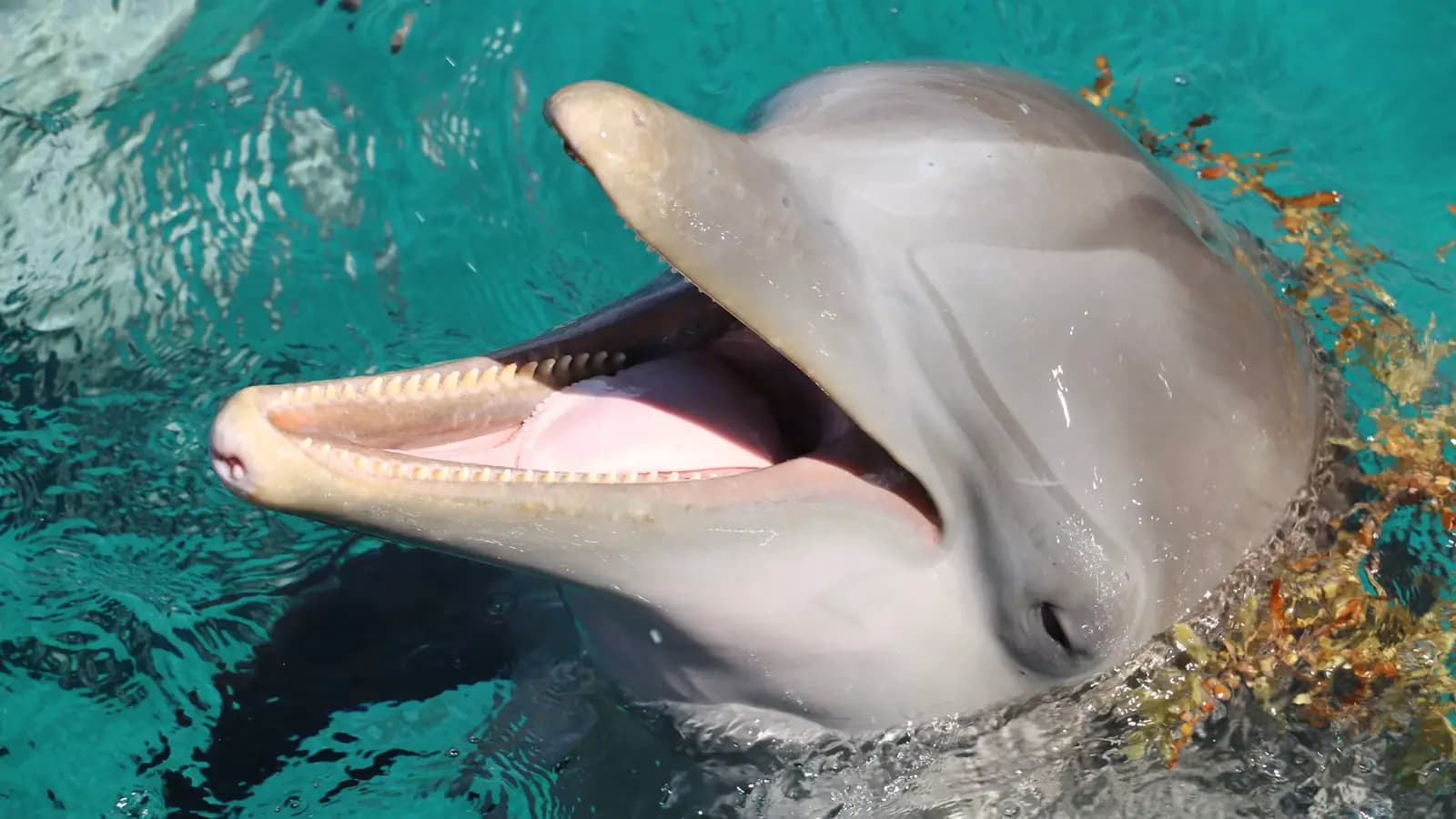
You will almost certainly see dolphins. That holds in January as firmly as in July, because the animals are resident rather than seasonal, and operators say so plainly rather than hedging. Many will put you on a second cruise free of charge in the rare event that one comes up empty. What nobody can schedule is behaviour: a group herding bait against a bar, a calf learning to breathe alongside its mother, a dolphin choosing to ride the bow wave. Treat those as luck.

What comes with the dolphins is a fair part of the value. Brown pelicans plunge-diving. Ospreys on the channel markers, and bald eagles on the Pine Island side. Roseate spoonbills and wood storks in the shallows. Frigatebirds high up in summer. Manatees move through this water and are seen from tour boats regularly, particularly in the cooler months when they seek out warmer pockets.

In the right season you may also see loggerhead turtles surface. These beaches are nesting beaches, which is the reason the island's lighting ordinance exists and the reason Sanibel is so genuinely dark at night.

The sensible way to book is to treat the dolphins as the near-certainty and the rest as the reason you will remember the trip. Two hours moving through the sound with someone who can explain why the mangrove matters, why the seagrass is thinning and what the tide is doing under the boat is a good use of a morning regardless of how many fins surface.

Book it

Everything else we track

Some links below go to Viator, our booking partner. We earn a commission on bookings made through them — at no extra cost to you, and with no influence on what we recommend.

  • Sunset Cruise Fort Myers Beach

    Private and Luxury

    Sunset Cruise Fort Myers Beach (opens in a new tab)

    Free cancellationInstant confirmation
    23 reviews

    Join us for a scenic 90 minute cruise at sunset that blends comfort, adventure, and the wonders of nature. Book your spot today and…

    1–2 hours

    Prices checked

    from $47.92
  • Fort Myers Beach #1 Parasailing Experience

    Extreme Sports

    Fort Myers Beach #1 Parasailing Experience (opens in a new tab)

    Free cancellationInstant confirmation
    15 reviews

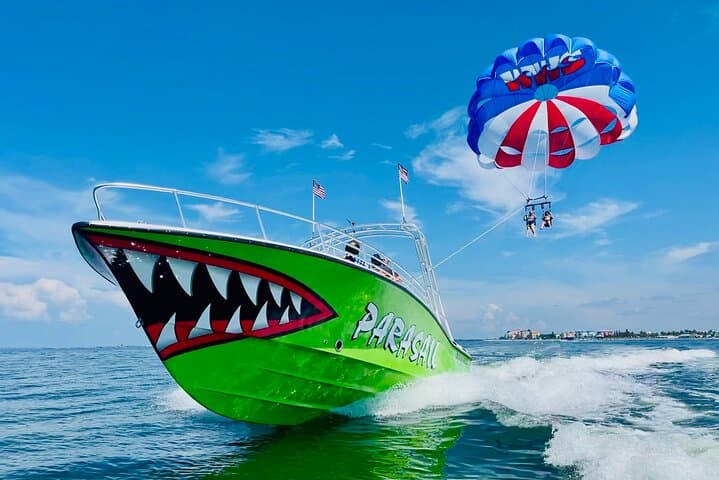
    Take off and enjoy the highest Fort Myers Beach parasailing flights that Wind and Water Sports has to offer! All while being captivated by…

    1 hour

    Prices checked

    from $110
  • Up close encounter with a friendly Manatee.

    Private and Luxury

    Guided Kayak Eco Tour - Bunche Beach (opens in a new tab)

    Free cancellationInstant confirmation
    244 reviews

    Paddle through mangrove tunnels, explore shallow bays, and cruise along the beach, all while taking in the wide variety of wildlife that…

    2–3 hours

    Prices checked

    from $69.95

Three kinds of dolphin trip, and who each suits

How they compare

TripTypical lengthWhereBest for
Bay and causeway cruise90 minutes to 2 hoursSan Carlos Bay from the island's east endEfficiency. On the water fast, dolphins early, back for lunch
Sound cruise or island-hop combination3 to 6 hoursPine Island Sound, often with a landingPeople who want a day rather than an outing
Refuge nature cruise90 minutes to 2 hoursTarpon Bay, inside the wildlife refugeNaturalist narration, birds as much as dolphins, very calm water
Private charterYour choiceAnywhere the draft allowsGroups, photographers, families with a nap schedule

The refuge option deserves a word because visitors rarely find it. The concession inside the J.N. "Ding" Darling National Wildlife Refuge runs small nature and sunset cruises on Tarpon Bay and the surrounding estuary. They are gentler, more educational and better for birds than a bay cruise, and the boat is small. Remember the refuge closes entirely on Fridays, and that the concession keeps its own calendar besides.

Two questions sort the field quickly. Is there shade and a head aboard — which matters enormously with a five-year-old and a two-hour trip in July. And how many passengers does the boat take, because a forty-seat vessel and a six-seat one produce very different afternoons at the same price point per hour.

Ask where the boat actually goes. "Dolphin cruise" covers all four rows of that table.

Watching dolphins without doing them harm

Before you book

These are wild animals under federal protection, and on this coast the problem is not malice, it is enthusiasm.

Under the Marine Mammal Protection Act it is unlawful to feed or harass wild dolphins. Harassment is a broader category than most visitors assume: pursuing an animal, cutting across its path, circling a group, or holding a boat over animals that are trying to move away all qualify. Federal guidance asks boaters to keep a substantial distance — fifty yards is the figure commonly given — and to take the engine out of gear rather than manoeuvre if animals come to you of their own accord.

Feeding is the one that causes lasting damage. A dolphin that learns boats mean food stops hunting, starts begging around docks and fishing lines, and usually ends up struck by a hull or entangled in tackle. It is also illegal, and it is the reason responsible operators will ask you not to throw anything overboard, including fish scraps.

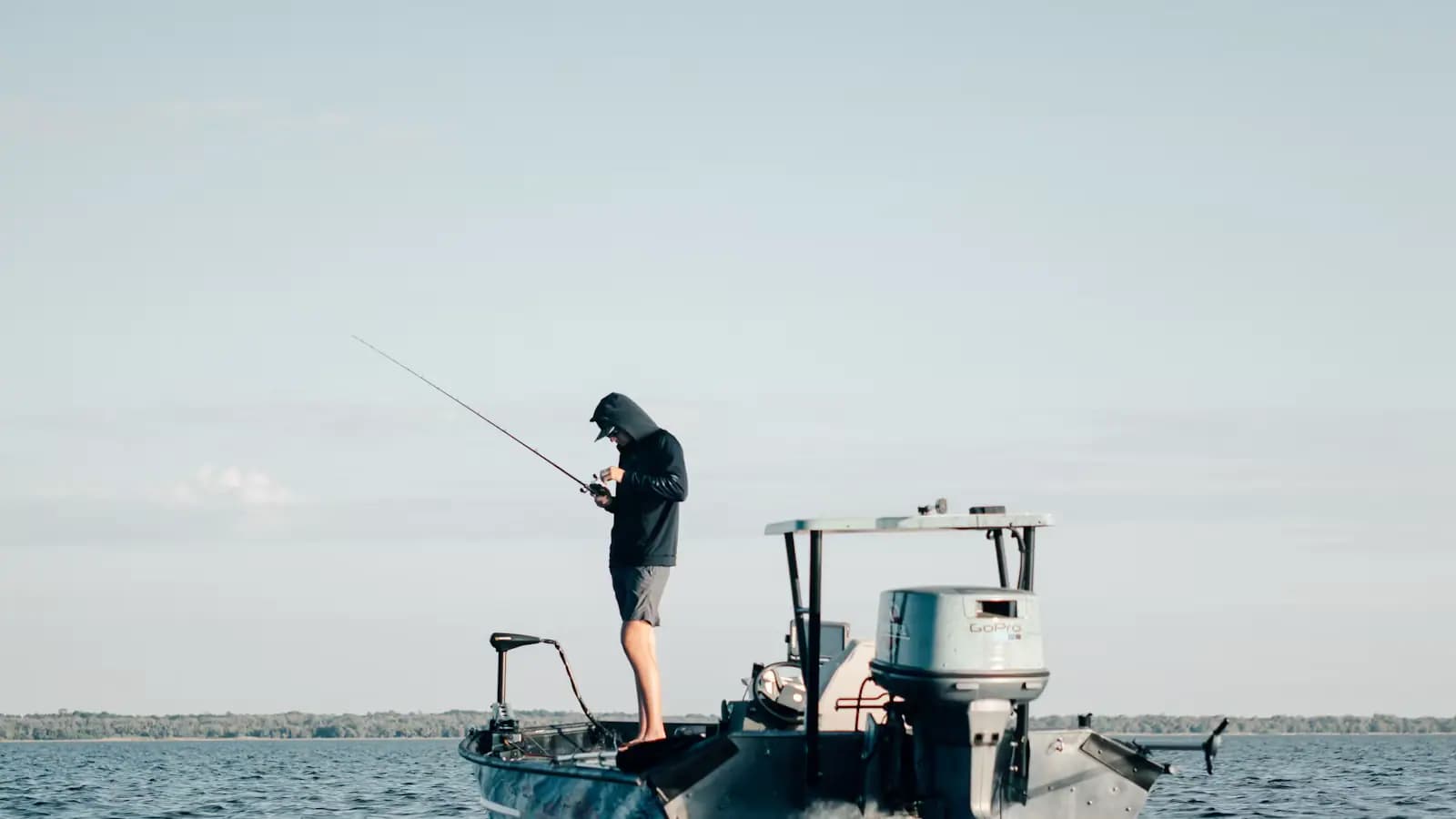
If you are on a rented boat, a jet ski or a kayak rather than a crewed tour, all of that responsibility is yours personally. Nobody will be narrating it for you.

A word on what to book. No legitimate operator in this region runs a swim-with-wild-dolphins trip, because it is not legal. If a listing promises you will swim with, touch or feed dolphins, that is a reason to book elsewhere rather than a selling point. Report an injured, entangled or stranded animal to the NOAA Fisheries stranding hotline for the Southeast region; the number is posted at the public docks.

On the ground

Where to go

Every place below has its own page — hours, parking, what it costs and what to expect when you get there.

  • An angler casting a line from a rocky shoreline into moving water at dusk

    Water feature

    Blind Pass

    Free

    The narrow gap between Sanibel and Captiva, where tidal current does the sorting — and where the swimming that looks inviting is not.

    1–3 hoursFree to visit. Parking on either side is a paid City of Sanibel session by the hour.

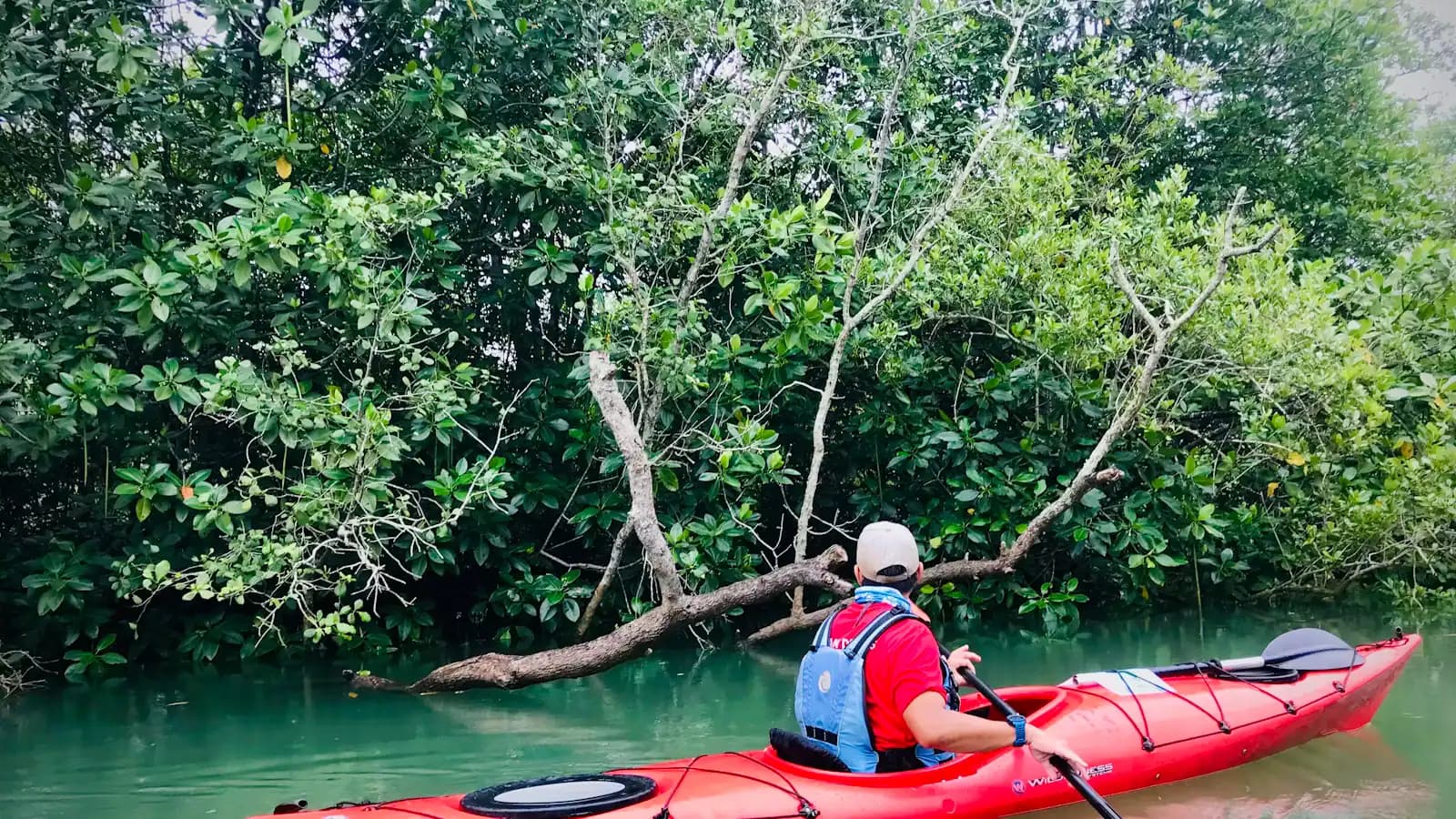
  • Mangrove prop roots arching over shallow clear water in a narrow channel

    Wildlife

    Tarpon Bay Explorers

    The refuge's licensed concession and the only way onto the water inside Ding Darling. Kayaks, trams, pontoons and bikes.

    1.5–4 hoursPaid tours and rentals, priced per activity. Parking is free.

  • Low wooden storefronts with corrugated roofs along a quiet two-lane road in a small coastal settlement

    Neighbourhood

    Captiva Island

    Free

    A different island across a 200-foot pass: one road, one village, no dogs on the sand and parking that costs several times Sanibel's.

    3–8 hoursNo charge to visit. Parking is the real cost, and it varies by which authority runs the lot.

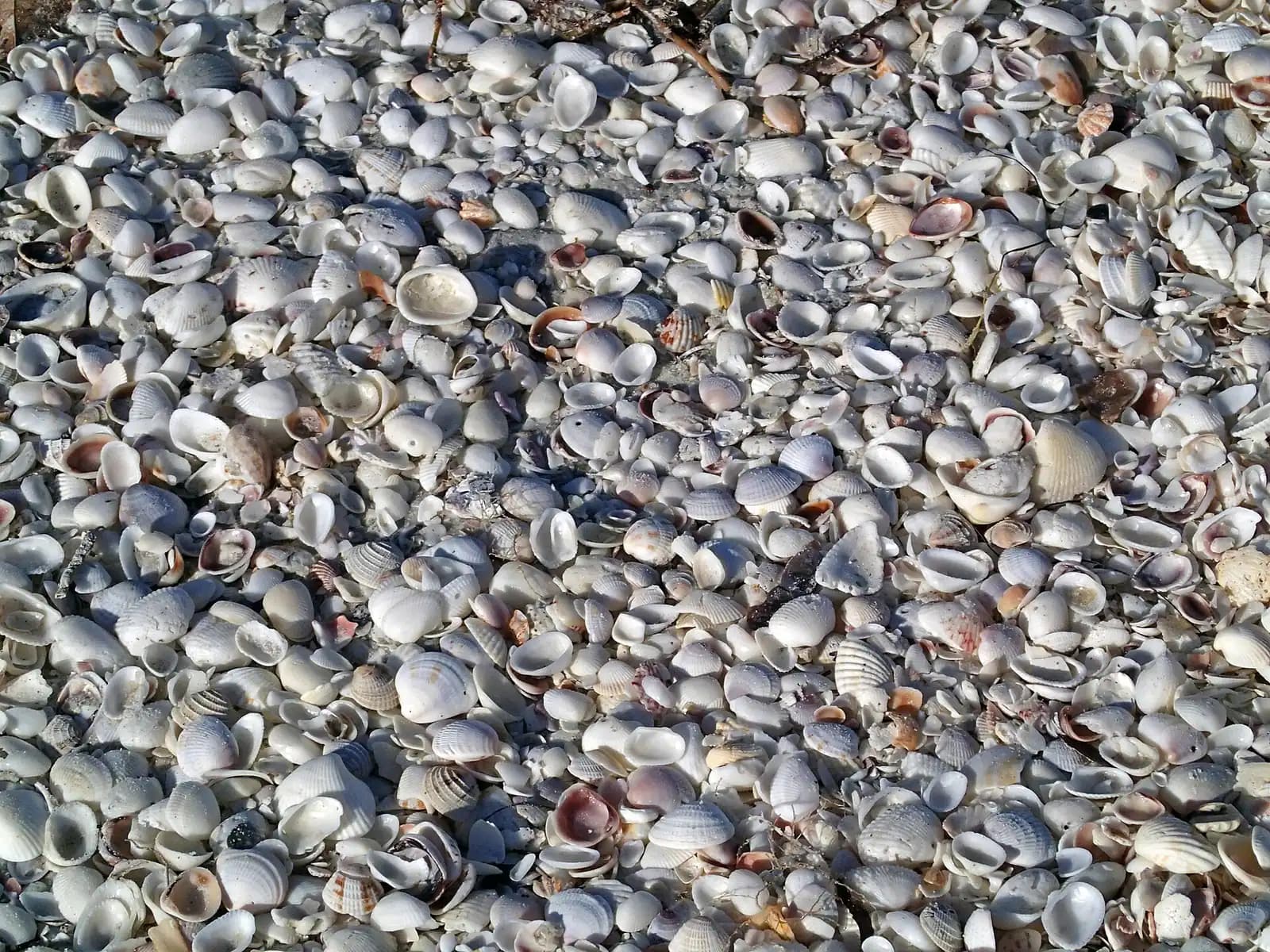
  • A dense bed of small pale seashells heaped together on wet sand

    Beach

    Lighthouse Beach Park

    Free

    The island's east point, where the Gulf beach and San Carlos Bay meet — and the biggest beach lot on Sanibel at 162 spaces.

    1.5–5 hoursBeach access is free. Parking is $5.00 per hour, enforced 24 hours a day.

  • A long fixed highway bridge arcing over a wide tidal river under a pale sky

    Landmark

    Sanibel Causeway

    Three bridges, two man-made islands, one toll charged in a single direction, and the only place you can park at the water's edge.

    0.5–3 hoursToll charged island-bound only — recently around $6 with a transponder and $9 by plate. Free leaving the islands.

Straight answers

Questions people actually ask

Are you guaranteed to see dolphins on a Sanibel tour?

Close to it, but no honest operator promises it. Bottlenose dolphins live in San Carlos Bay and Pine Island Sound all year rather than migrating through, so a two-hour cruise finds them in January as readily as in July, and many operators will put you on a second trip free of charge after a blank one. What varies is behaviour: wake riding, calves and cooperative feeding are luck rather than schedule.

How much are dolphin tours on Sanibel Island?

A shared ninety-minute to two-hour cruise generally runs forty to seventy dollars per adult, with children discounted and small children sometimes free. Longer trips into Pine Island Sound with an island landing more commonly sit at sixty to a hundred. Private charters start in the several hundreds and make sense from about six people. Crew gratuity is customary and separate.

Where is the best place to watch the sunset on Sanibel?

Strictly speaking, not on Sanibel. The island lies east to west, so its Gulf beaches face roughly south and the sun sets along the shoreline rather than over the water in front of you. The western end near Blind Pass and Turner Beach gets closer as the shoreline turns. Captiva, running north and facing west, gets a genuine over-water sunset, which is why the evening boats board there.

What is the best time of day for a dolphin tour on Sanibel?

Morning for reliability. The bay keeps its overnight calm until the sea breeze arrives, the low light photographs better than midday glare, and summer storms have not built inland yet. Evening trips are atmospheric but board on the Captiva side for the sunset, which means a real drive in season. Whichever you choose, the tide matters more than the clock: moving water concentrates the bait dolphins follow.

Can you swim with dolphins on Sanibel?

No. Swimming with, feeding or harassing wild dolphins is unlawful under the federal Marine Mammal Protection Act, and no legitimate operator in this region offers it. Federal guidance asks boaters to stay well back, commonly given as fifty yards, and to take the engine out of gear rather than manoeuvre if animals approach of their own accord. A listing promising a swim with wild dolphins is a reason to book elsewhere.

Do dolphin cruises run in winter on Sanibel?

Yes, and winter is one of the better times to take one. The dolphins are resident so they do not leave, the air is dry and comfortable, and because these trips run on the inside water they survive wind that would cancel a Gulf outing. A cold front can still put a day or two of chop on the sound. Dress in layers; thirty knots of apparent wind is cold even in Florida.

Can you see manatees on a Sanibel dolphin tour?

Sometimes, and more often in the cooler months when manatees seek out warmer pockets of water. They are seen from tour boats in San Carlos Bay and the sound, but they are far less predictable than dolphins and no operator will schedule them. If you encounter one, the rules are strict: do not approach, do not follow, and never come between a cow and her calf.

Where do dolphin tours leave from on Sanibel and Captiva?

Mainly three places. The island's east end near the lighthouse, which reaches San Carlos Bay and the causeway water fastest. Captiva, which is the base for longer sound cruises and for the evening sailings. And the refuge concession on Tarpon Bay, which runs small naturalist-led nature cruises on enclosed water. Some operators marketing to Sanibel visitors sail from the mainland side, so confirm when you book.