Skip to content
Menu

We earn a commission if you book through this link. You pay the same price.

Search

Things to Do

Sanibel Museums and Nature Centres

Last updated

Sanibel fits five small institutions into sixteen square miles: the national shell museum, a working wildlife hospital and nine historic buildings.

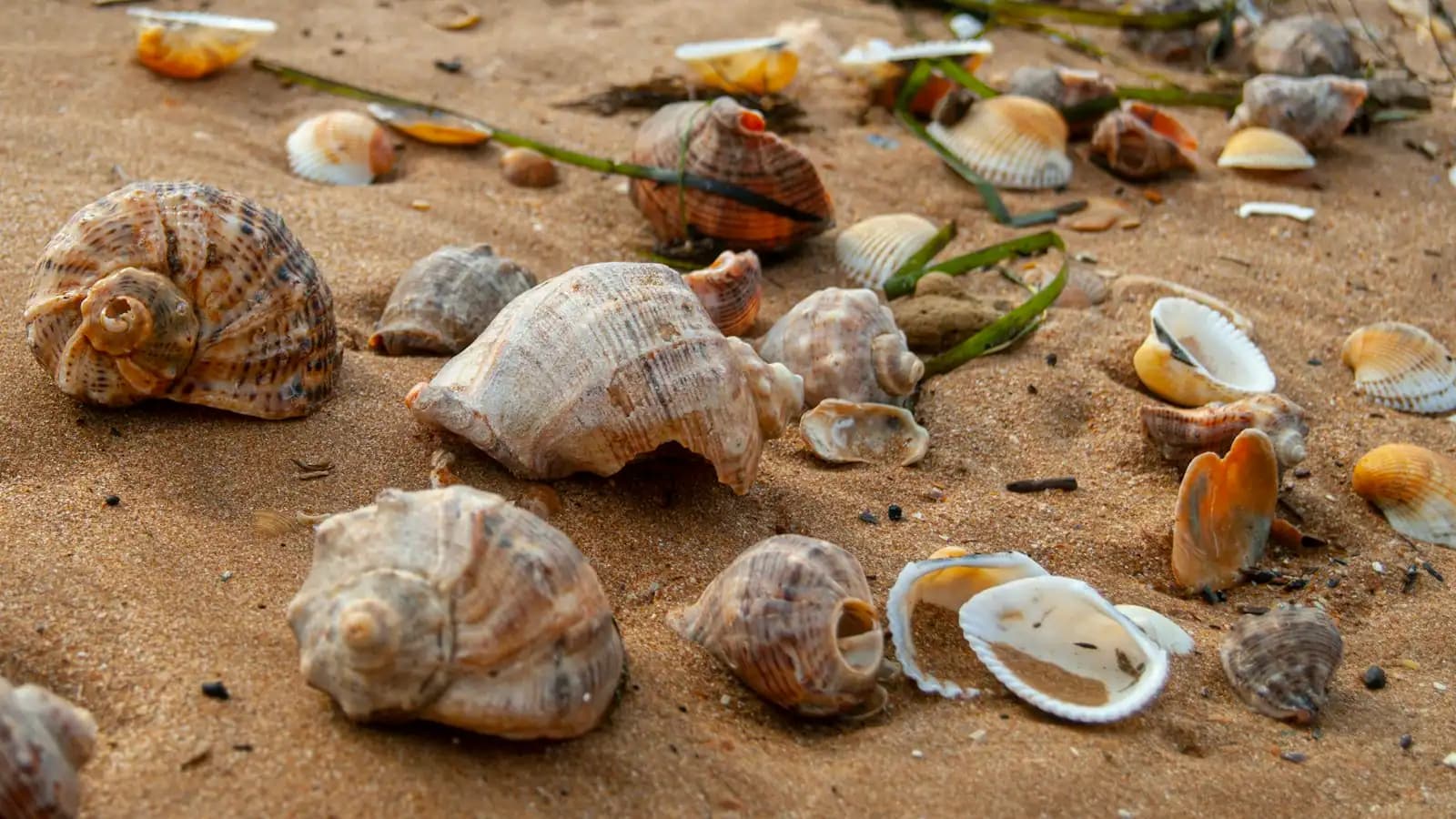
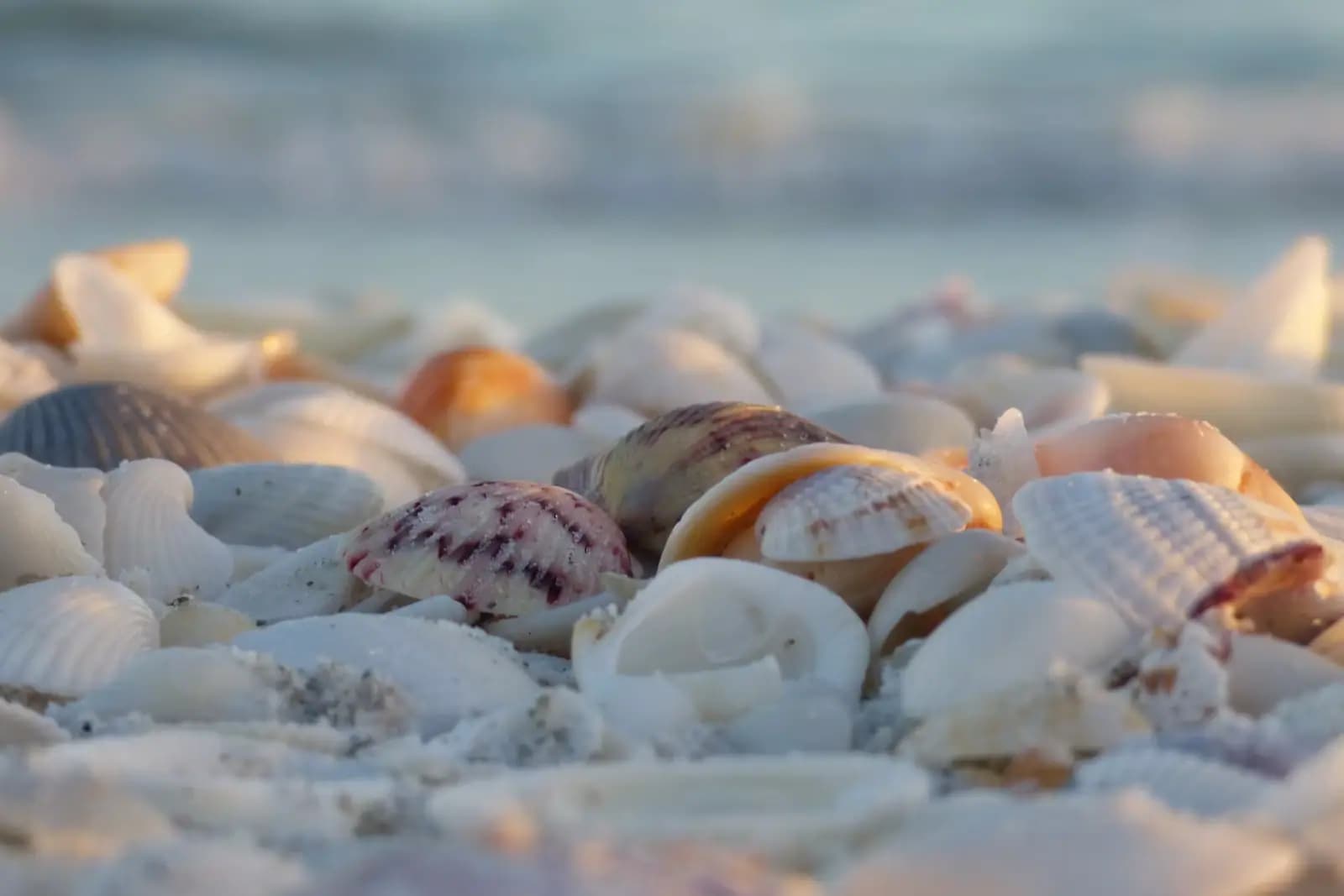
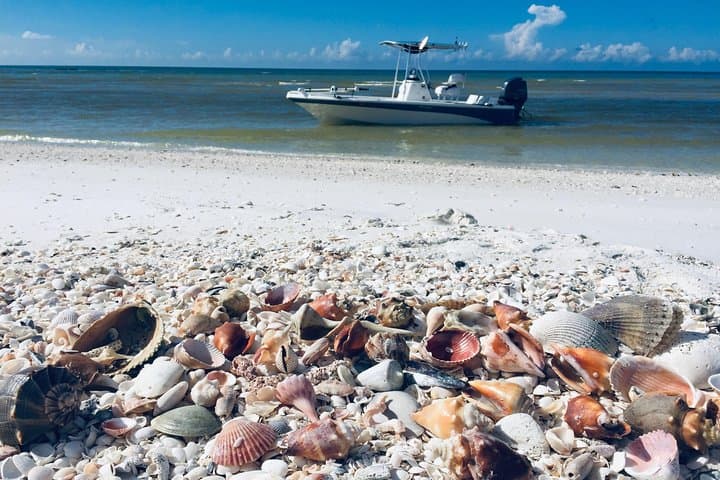
A scatter of seashells of different species lying together on pale sandUnsplash

An island with no traffic light, roughly sixteen square miles of land and six thousand residents supports five institutions that will each take an hour or three of your day. That is a strange ratio, and it is not an accident.

Four of the five exist because of the natural history of this particular place. The shell museum is here because the island's east-west alignment turns it into a scoop for the Gulf and makes it the most productive shelling beach in North America. The wildlife hospital is here because a barrier island with a third of its area under refuge protection generates a steady stream of injured pelicans, turtles and gopher tortoises. The refuge's own education centre and the conservation foundation's nature centre are here because the land itself is the subject. Only the Historical Village is about people, and even that is largely the story of what it took to live on a mosquito-ridden barrier island before the causeway.

They are also, all of them, small. Nobody should arrive expecting a city museum. These are institutions of one or two buildings, staffed substantially by volunteers, where the person behind the desk quite often knows the answer to your question personally. That is the pleasure of them.

The second thing worth saying is that every one of these places had to decide whether to come back. Hurricane Ian on 28 September 2022 pushed several feet of surge across this island. The shell museum took about five and a half feet of water, lost roughly seventy percent of its building and about eighty percent of the animals in its aquariums. It reopened in a limited form in February 2023, essentially to show visitors what had happened, and did not fully reopen until March 2024, rebuilt and expanded. The others recovered on their own timelines, some faster, some still finishing.

The practical consequence is that opening arrangements on this island are less settled than in a normal destination. Two of the five have genuinely awkward schedules: the wildlife hospital's education centre opens weekdays only, and the Historical Village closes for the summer entirely and reopens in mid-October. The refuge centre is shut every Friday along with the rest of the refuge. Check before you drive.

If it is raining, this page is your day. If it is not, most of these are better than a third beach.

Our picks

The ones we would book

  • Editor's Pick

    Best guided introduction to the island's natural history

    Why we chose it

    A naturalist-led programme that connects what you see on the beach to what lives in the estuary. On an island where the main activity is picking things up off the sand, an hour or two of proper interpretation early in the trip changes the rest of the week. Better value than a second boat trip for most first-time visitors.

    Shelling Tours - Fort Myers Beach / Naples

    Short term availability

    Shelling Tours - Fort Myers Beach / Naples (opens in a new tab)

    Editor's PickFree cancellationPrivate tour
    80 reviews

    On this trip, Guests will be exploring the local Islands around Fort Myers and Naples area. The Islands are well known for their excellent…

    2 hours

    Prices checked

    from $350
  • Best for Families

    Best structured activity for children

    Why we chose it

    Marine science sessions on these islands put children in shallow water with a net and someone who can name everything they catch, then release it. Three hours, genuinely educational, and far more memorable than a second day of building sandcastles. Sessions run to a published schedule and fill quickly from January through April.

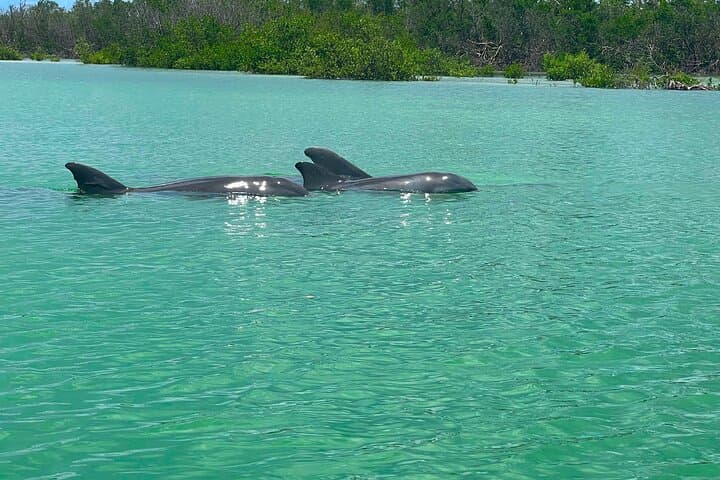
    The dolphins can be so curious!

    Involves Animals

    Dolphin and Manatee Adventure Tour of Fort Myers (opens in a new tab)

    Best for FamiliesFree cancellationInstant confirmation
    3K reviews

    Come join us for a once in a lifetime experience that is great for all skill levels. There are only a few places on earth to see the West…

    2 hours

    Prices checked

    from $76.68
  • Free

    Best free indoor hour on the island

    Why we chose it

    The refuge's Visitor and Education Center charges nothing to enter — the ten-dollar fee applies to Wildlife Drive, not the building — and the staff at the desk will tell you which impoundment is holding birds this week. Closed every Friday, along with the rest of the refuge. Forty minutes here improves everything that follows.

  • Best Value

    Best value for a rainy day

    Why we chose it

    A combination that fills a wet day without repetition: shells and aquariums in the morning, a wildlife presentation at eleven if it is a weekday, and the refuge centre in the afternoon. Three institutions, three different subjects, one small island, and less than the cost of a single boat trip for two people.

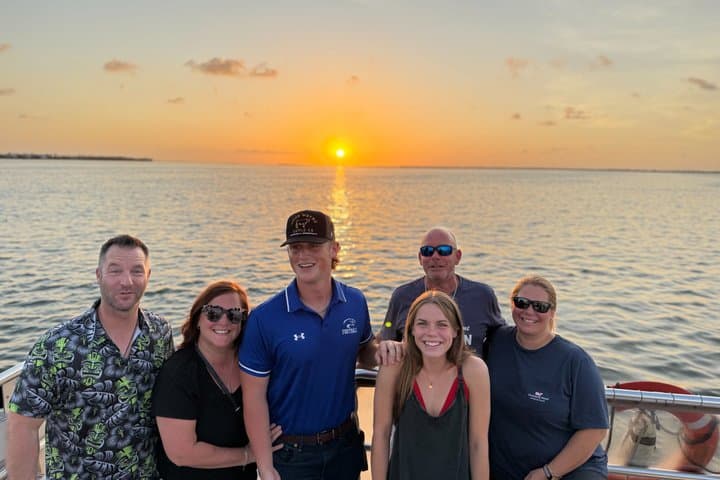
    Southwest Florida Sunset Sail

    Wildlife Watching

    Southwest Florida Sunset Sail (opens in a new tab)

    Best ValueFree cancellationInstant confirmation
    514 reviews

    SWFL sunsets are the best, and there is no better place to watch them than from the deck of our 36ft. Sailing Catamaran, "Copacetic". The…

    2 hours

    Prices checked

    from $70
  • Small Group

    Best behind-the-scenes visit

    Why we chose it

    Guided hospital tours at the wildlife clinic are limited in size, restricted to ages ten and over, and must be reserved in advance at additional cost. Patients under treatment are not on public display under state rules, so this is the only way to see how the place actually works rather than watching it on a camera feed.

Bailey-Matthews National Shell Museum & Aquarium

The only museum in the United States devoted to shells and the animals that make them, and since its rebuild also a working aquarium.

The core of it is the Great Hall of Shells, which does what a shell collection ought to do and rarely does: it treats shells as the skeletons of living animals rather than as decorative objects. You come away understanding that a whelk is a predator, that a sand dollar is an urchin relative with a fine coat of moving spines when alive, and that the shells you have been picking up on the beach are a mollusc's house rather than a pretty stone. For anyone who intends to spend a week doing the Sanibel Stoop, an hour here first changes what you see on the sand.

The Living Gallery of Aquariums is the newer half. Tanks hold local species from the estuary and the Gulf, including octopus, and the interpretation connects the animal in the tank to the shell in the case. Staff run talks through the day; ask at the desk for the schedule rather than guessing.

The Hurricane Ian story is part of the visit rather than concealed. About five and a half feet of surge went through the building, roughly seventy percent of the structure and around eighty percent of the aquarium's animals were lost, and the reopening in March 2024 followed more than a year of rebuilding.

Admission is charged and hours are published on the museum's own site. Check them before you go; they have changed more than once since the rebuild.

CROW: a working wildlife hospital you can visit

The Clinic for the Rehabilitation of Wildlife treats injured and orphaned native animals from across this region, and its Visitor Education Center lets the public see how that works without disturbing the patients.

Be clear about what it is and is not. Under Florida Fish and Wildlife rules, animals undergoing treatment are not on display. You will not walk past cages of recovering pelicans. What you get instead is an exhibition explaining the clinic's work, live camera feeds from the hospital's intake room and surgical suite, and a daily presentation.

The presentations are the reason to time your visit. They run on weekdays at eleven in the morning, last between forty-five minutes and an hour, and cover topics such as birds of prey, snakes, turtles or the care of orphaned young depending on the day. Guided tours of the hospital itself are available at additional cost, for ages ten and over, and must be reserved in advance.

Published admission is twelve dollars for ages thirteen and over, seven dollars for ages four to twelve, and free for under-threes, with members admitted at no charge. The Visitor Education Center opens Monday to Friday from ten in the morning until four in the afternoon and closes on major holidays.

That weekday-only schedule is the thing that catches visitors out, because it is the inverse of what most people expect from a visitor attraction. If you are here for a week with a weekend arrival and departure, put this one in the middle of the trip.

Sanibel Historical Museum & Village

Nine historic buildings, moved here from around the island and restored, plus reconstructions of a packing house and of Bailey's garage. It is an open-air village rather than a museum in a box, and it takes an hour to walk properly.

What makes it worth the time is the specificity. This is not a generic pioneer village. The buildings are the actual structures in which people ran a post office, a general store, a schoolhouse and a home on a barrier island that, before the causeway opened in 1963, could only be reached by boat, had no mains water worth the name and was genuinely difficult to live on. The packing house is there because Sanibel farmed before it hosted visitors. The garage is there because of the Bailey family, whose name is on the general store that still trades on Periwinkle Way.

It is staffed largely by volunteers, many of them long-term residents, and a guided walk with one of them is considerably better than reading the boards alone. Ask when you arrive.

The critical practical point is the season. The village closes to the public for the summer, typically at the end of April, and reopens in mid-October. Every year. If you are visiting between May and early October, this one is simply not available, and no amount of turning up will change that. Admission is charged; check the current rate and the reopening date directly, on 239-472-4648 or the museum's own site.

The refuge's Visitor & Education Center

The J.N. "Ding" Darling National Wildlife Refuge keeps a Visitor and Education Center at its entrance on Sanibel-Captiva Road, and it is the single best forty minutes you can spend before driving or cycling Wildlife Drive.

The displays cover the refuge's ecology, the mangrove and seagrass systems, the birds you are about to try to identify, and the man the place is named after — Jay Norwood "Ding" Darling, a newspaper cartoonist who became an unlikely and highly effective figure in American conservation and who campaigned for the protection of this island's wetlands. There is a nature store, and staff and volunteers at the desk who will tell you which impoundment is holding birds this week and what the tide is doing. That last conversation is worth more than any guidebook.

The centre opens from nine in the morning until four in the afternoon and is closed every Friday and on federal holidays. The whole refuge closes on Fridays: Wildlife Drive, the Indigo Trail, the shop, everything.

The centre itself does not charge admission. The entrance fee applies to Wildlife Drive, and it is ten dollars for a vehicle against one dollar per person on foot or on a bicycle — a difference substantial enough to be worth arranging your day around if you have bikes.

There are more than 245 recorded bird species here. Bring binoculars, or borrow a pair.

SCCF and the Sanibel Sea School

The Sanibel-Captiva Conservation Foundation has been working on these islands for close to sixty years, and it does the unglamorous part: buying and holding land, monitoring water quality around the islands, tracking sea turtle nesting, restoring mangrove, running a native plant nursery.

For a visitor there are two ways in. The foundation maintains a nature centre and trails, where the interpretation is about the living systems of the island rather than about specimens in cases. And the Sanibel Sea School, now part of SCCF, runs marine science programmes for children and families — day courses of a few hours, camps, and sessions delivered in partnership with several island resorts.

The Sea School is the best structured thing on this island for children between roughly six and fourteen. A three-hour session spent catching, identifying and releasing things in the shallows, led by someone who can name everything in the net, will do more for a child's week than a second day on the beach. Sessions run to a published schedule and fill in high season.

SCCF's water-quality monitoring deserves a separate mention because it is genuinely useful to a visitor. When people ask whether red tide is affecting the islands this week, the foundation's public reporting is one of the more reliable places to look, alongside the state's own red tide status pages.

Check current opening arrangements and programme schedules directly. Provision on both islands has changed repeatedly since 2022.

Hours, prices and planning a wet day

Local tips

The hard scheduling constraints, in one place, because three of the five have awkward ones:

  • The refuge and its Visitor & Education Center are closed every Friday, along with Wildlife Drive and the Indigo Trail.
  • CROW's Visitor Education Center opens weekdays only, ten in the morning to four in the afternoon, and its presentations run at eleven.
  • The Historical Village closes for the summer, typically from late April, reopening in mid-October.
  • The shell museum and SCCF publish their own hours, which have changed since the rebuilds. Check rather than assume.

On cost: CROW publishes twelve dollars for ages thirteen and over and seven dollars for four to twelve. The shell museum and the Historical Village both charge admission at rates you should confirm at source. The refuge's education centre is free; the ten-dollar fee is for Wildlife Drive, and drops to a dollar if you arrive on foot or by bicycle.

A wet-day sequence that works: the shell museum when it opens, lunch on Periwinkle Way, CROW for the eleven o'clock presentation if it is a weekday — or the Historical Village if it is in season — and the refuge education centre in the afternoon, remembering Friday. That fills a rainy day properly without anyone getting into a car more than three times.

A note nobody tells visitors: all five of these places rely heavily on volunteers and on admissions. On an island still rebuilding, buying a ticket is the point.

Book it

Everything else we track

Some links below go to Viator, our booking partner. We earn a commission on bookings made through them — at no extra cost to you, and with no influence on what we recommend.

Sharing, or having it to yourselves

Most of what is bookable here sells two ways, and the cheaper one is not always the cheaper one. A shared departure is priced per person; a private booking is priced for the party, so the arithmetic flips somewhere around four to six people — and it is the only version where you pick the time. Check the party size each listing actually covers before you decide.

  • Book a seat

    A shared departure, priced per person. The cheapest way to do this for one or two people.

    Sunset Cruise Fort Myers Beach

    Private and Luxury

    Sunset Cruise Fort Myers Beach (opens in a new tab)

    Free cancellationInstant confirmation
    23 reviews

    Join us for a scenic 90 minute cruise at sunset that blends comfort, adventure, and the wonders of nature. Book your spot today and…

    1–2 hours

    Prices checked

    from $47.92
  • Book the whole thing

    Priced for the party rather than the seat, and you choose the departure time.

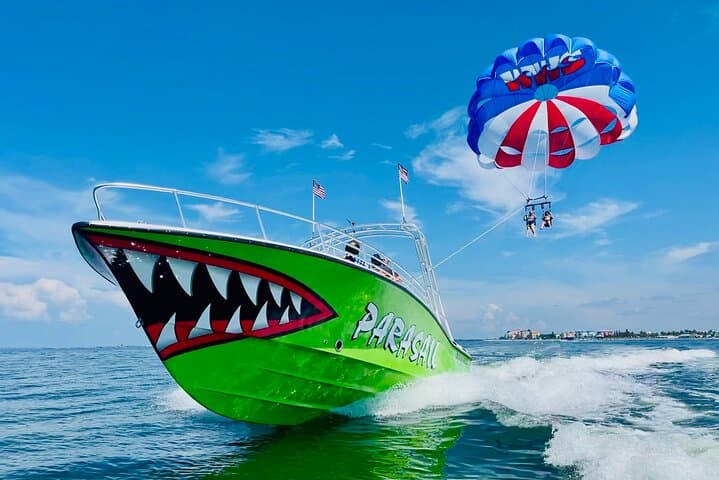
  • Fort Myers Beach #1 Parasailing Experience

    Extreme Sports

    Fort Myers Beach #1 Parasailing Experience (opens in a new tab)

    Free cancellationInstant confirmation
    15 reviews

    Take off and enjoy the highest Fort Myers Beach parasailing flights that Wind and Water Sports has to offer! All while being captivated by…

    1 hour

    Prices checked

    from $110
  • Up close encounter with a friendly Manatee.

    Private and Luxury

    Guided Kayak Eco Tour - Bunche Beach (opens in a new tab)

    Free cancellationInstant confirmation
    244 reviews

    Paddle through mangrove tunnels, explore shallow bays, and cruise along the beach, all while taking in the wide variety of wildlife that…

    2–3 hours

    Prices checked

    from $69.95

If you only have time for one

How they compare

If you are…Go toRoughly
Here to collect shellsBailey-Matthews National Shell Museum & Aquarium1.5 to 2 hours
Travelling with children aged 5 to 12CROW's eleven o'clock presentation, or a Sanibel Sea School session1 hour / 3 hours
A birder, or about to drive Wildlife DriveThe refuge Visitor & Education Center40 minutes
Interested in how people lived here before the causewaySanibel Historical Museum & Village1 hour
Curious about the water and why it mattersSCCF1 to 2 hours

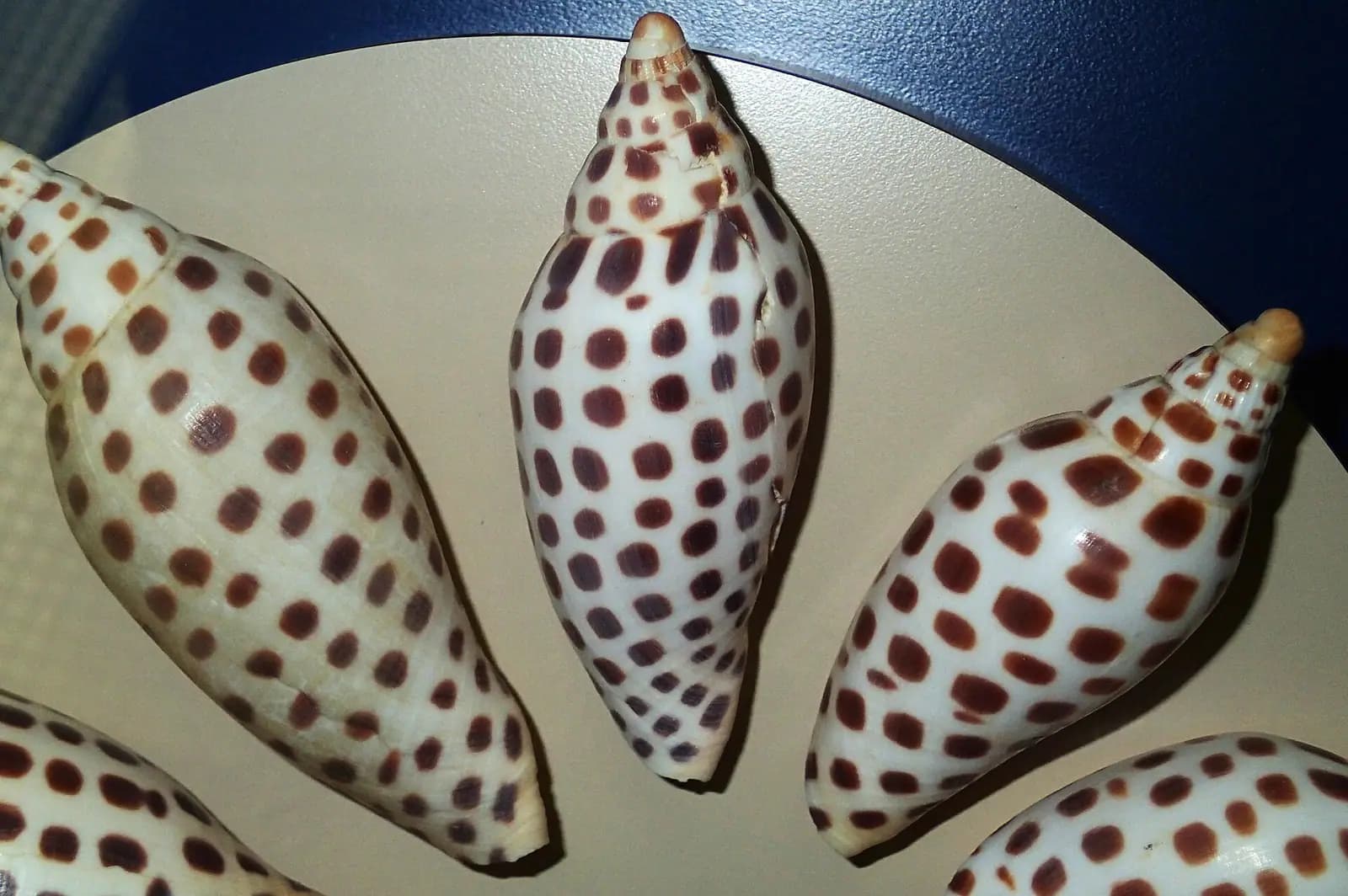
For most first-time visitors the answer is the shell museum, and the reason is practical rather than cultural. It changes what you see on the beach for the rest of the trip. Walk the sand on day two with a working idea of what a lightning whelk, a junonia, a fighting conch and a sand dollar actually are and you will notice things you would otherwise step over.

For families the answer is CROW or the Sea School, in that order by budget.

For anyone who will drive or cycle Wildlife Drive — which should be almost everyone — the refuge centre is the best forty minutes on the island because it converts a pleasant drive into an informed one.

None of these is a half-day attraction. Two of them in a day is comfortable. Three is a full schedule.

On the ground

Where to go

Every place below has its own page — hours, parking, what it costs and what to expect when you get there.

  • A roseate spoonbill with pink wings spread standing in shallow water

    Nature preserve

    J.N. "Ding" Darling National Wildlife Refuge

    Around 5,200 acres of mangrove estuary named after a newspaper cartoonist, covering a large share of the island. Closed one day a week.

    1.5–5 hoursWildlife Drive costs $10 per vehicle, or $1 per cyclist and pedestrian over 15. The Bailey Tract is free.

  • A close-packed group of patterned seashells in warm browns and creams

    Museum

    Bailey-Matthews National Shell Museum & Aquarium

    The only museum in the country devoted to shells and the animals that make them — and now an accredited aquarium as well.

    1.5–3 hoursAdults $25, seniors and veterans $20, youth and students $15, children 5–11 $10, under 5 free.

  • A fish-eating bird perched on a slim branch against a green background

    Wildlife

    Clinic for the Rehabilitation of Wildlife (CROW)

    A wildlife hospital where the goal is release, so what you watch is surgery on a camera feed rather than animals on display.

    1–2 hoursAdmission charged for the Visitor Education Center, with guided tours ticketed separately.

  • People standing waist deep on a bright sand flat with a small boat moored beyond them

    Entertainment

    Sanibel Sea School

    A marine science school on Periwinkle Way where children spend the session in the water rather than looking at it through glass.

    3–6 hoursPaid by programme. Day courses, camps and guided walks are priced separately.

  • Dense low wetland vegetation spreading out towards a distant treeline

    Nature preserve

    SCCF Nature Center and Erick Lindblad Preserve

    Free

    The foundation that has shaped this island since 1967 — with trails still partly closed and a public front door that has moved.

    1–2.5 hoursTrails are free and open sunrise to sunset. Parking at the trailheads is free.

  • A shaded sandy path running under arching trees between low vegetation

    Historic site

    Sanibel Historical Museum & Village

    The island's surviving pioneer buildings, moved onto one site off Dunlop Road. Closed for the season from August to mid-October.

    1–2 hoursSelf-guided: adults 19+ $20, youth 6–18 $10, children 5 and under free. Parking is free.

Straight answers

Questions people actually ask

Is the Sanibel shell museum worth visiting?

If you intend to spend any time on the beach here, yes, and preferably early in the trip. It is the only museum in the United States devoted to shells and the animals that make them, and it treats shells as mollusc skeletons rather than ornaments. An hour there changes what you notice on the sand. Since its rebuild it also runs a living aquarium gallery with local estuary and Gulf species.

Did the Sanibel shell museum reopen after Hurricane Ian?

Yes, in two stages. About five and a half feet of storm surge went through the building in September 2022, destroying roughly seventy percent of the structure and killing about eighty percent of the animals in the aquariums. It reopened in a limited form on 1 February 2023, largely to show visitors what had happened, then closed for rebuilding and reopened fully in March 2024 with expanded exhibits.

How much does CROW cost to visit on Sanibel?

Published admission to the Visitor Education Center is twelve dollars for ages thirteen and over, seven dollars for ages four to twelve, and free for children under three, with members admitted free. Guided tours of the hospital itself cost twenty-five dollars per person, are restricted to ages ten and over and must be reserved in advance. The centre opens Monday to Friday only, ten until four.

Can you see the animals at CROW?

Not the patients. Under Florida Fish and Wildlife rules, animals undergoing treatment are not put on public display, which is better for their recovery. What the Visitor Education Center offers instead is an exhibition on the clinic's work, live camera feeds from the hospital's intake room and surgical suite, and a daily weekday presentation at eleven in the morning covering birds of prey, snakes, turtles or orphaned young.

When is the Sanibel Historical Village open?

Seasonally. It closes to the public for the summer, typically at the end of April, and reopens in mid-October, usually on the fifteenth. If you are visiting between May and early October it is not available at all. In season it offers nine relocated and restored historic buildings plus replicas of a packing house and of Bailey's garage, with volunteer guides who are often long-term residents. Confirm dates on 239-472-4648.

Is the Ding Darling visitor centre free?

Yes. The Visitor and Education Center itself charges no admission — the fee applies to Wildlife Drive, at ten dollars per vehicle or one dollar per person arriving on foot or by bicycle. The centre opens from nine until four and is closed every Friday and on federal holidays, along with Wildlife Drive and the Indigo Trail. Staff at the desk will tell you which impoundments are holding birds.

What can you do on Sanibel when it rains?

This page, essentially. A workable wet-day sequence is the shell museum when it opens, lunch on Periwinkle Way, then either the eleven o'clock wildlife presentation at CROW if it is a weekday or the Historical Village if it is in season, and the refuge education centre in the afternoon. Remember that the refuge closes on Fridays and CROW does not open at weekends.

Are there museums on Captiva Island?

Not in the conventional sense. Captiva has just over a square mile of land and 318 residents at the last census, and its historic interest is concentrated in the village: the small wooden Chapel by the Sea, formerly the island's schoolhouse, and the tiny cemetery beside it containing the grave of William Herbert Binder, the Austrian who homesteaded here in 1888. The museums are all on Sanibel.