Skip to content
Menu

We earn a commission if you book through this link. You pay the same price.

Search

Nature preserve

J.N. "Ding" Darling National Wildlife Refuge

Last updated

Around 5,200 acres of mangrove estuary named after a newspaper cartoonist, covering a large share of the island. Closed one day a week.

Photo: Lisa BiasilloCC BY 4.0

Closed at the moment

The Visitor & Education Center has been closed for construction connected to Hurricane Ian recovery, and the projected reopening date has moved more than once. Some trails, including the Calusa Shell Mound Trail, have also remained closed. Check the refuge's official pages before you travel.

A little over 5,200 acres of Sanibel is federal wildlife refuge, which is the single fact that explains the island's character better than any other. The land that developers would have built on is owned by the US Fish and Wildlife Service, and it has been since 1945. That is why the island has no traffic lights, no buildings above the treeline and a shoreline that still behaves like a shoreline.

It is named after Jay Norwood Darling, who signed his newspaper cartoons "Ding" and won two Pulitzer Prizes for them. He was also, briefly and consequentially, head of the federal Biological Survey, where he created the duck stamp programme that has funded wildlife land purchases ever since. He wintered on Captiva, and when a stretch of Sanibel's mangrove estuary came up for development in the 1940s he lobbied hard enough to get it protected instead. The refuge took his nickname in 1967.

Inside it, 2,619 acres — about 41 per cent of the refuge — carries a further layer of protection as the J.N. Ding Darling Wilderness, designated in 1976. More than 220 bird species have been recorded across the unit. The habitat is mangrove forest, seagrass beds, tidal flats and interior freshwater wetland, and it is the tidal flats that do the work: as the water drops, the mud becomes a feeding table and the birds arrive to use it.

Most visitors experience the refuge as Wildlife Drive, the four-mile one-way road through the mangroves. That is only part of it. There are hiking trails, a separate free tract on the other side of the island, a kayak launch run by a concessionaire, and a Visitor & Education Center that has spent much of the period since Hurricane Ian under reconstruction.

Getting there and parking

The main entrance and the Visitor & Education Center are on Sanibel-Captiva Road about four miles north-west of the Periwinkle Way junction. From the causeway allow fifteen to twenty minutes.

The Bailey Tract is somewhere else entirely: Tarpon Bay Road, south of Periwinkle Way, with its own small free car park. Visitors regularly arrive at one expecting the other.

Cycling in works well. A separated path follows Sanibel-Captiva Road all the way to the refuge gate, and a bicycle gets you in for a fraction of what a car pays. Wildlife Drive is open to bikes and is flatter than anything else you will ride that week.

Tarpon Bay Explorers, the refuge's licensed concessionaire, operates from 900 Tarpon Bay Road and runs the tram tours along Wildlife Drive as well as the kayak launch.

Closed on Fridays — plan around it

Wildlife Drive and the Indigo Trail are closed every Friday, all year, and the refuge also closes on federal holidays. This is not seasonal and it is not weather-dependent. It is a standing arrangement that gives wildlife one undisturbed day a week, and it catches out a remarkable number of visitors who arrive on a Friday morning to find the gate shut.

If your trip includes a Friday, use it for the Bailey Tract instead, which is open and free, or for the beaches, or for the Shell Museum.

The Visitor & Education Center has its own complication. It has been closed for construction tied to Hurricane Ian recovery, with a projected reopening that has moved more than once. Check the refuge's own page shortly before you travel rather than relying on any secondary source, this one included — the official site is the only place where the current position is reliable.

You will also find outdated closure notices circulating online from the 2024 storm season. Some sites still show refuge-wide closures that have since been lifted. Go to the source.

The trails, and which ones are open

The refuge is not only a drive. The trail network is modest in mileage and generous in what it shows you, and trail status has changed repeatedly since 2022, so treat the list below as a shape rather than a guarantee.

  • Indigo Trail — around four miles there and back, running from near the Visitor Center out to the Cross Dike. The best walking in the refuge for alligators and wading birds. Closed Fridays with the rest of the drive.
  • Cross Dike Trail — a short link across the impoundment, open.
  • Wulfert Keys Trail — a quarter of a mile out to the bay flats at the refuge's west end.
  • Red Mangrove Overlook and the Wildlife Education Boardwalk — very short boardwalk spurs, the kind you do in ten minutes and remember.
  • Calusa Shell Mound Trail — a third of a mile through hardwood hammock grown on top of an ancient Calusa shell mound. Closed at the time of writing.
  • Bailey Tract — around two and a quarter miles of interior trails, covered separately below.

Walking is the underrated way to use this place. Cars queue on the drive; the trails are frequently empty a hundred yards in.

The free hundred acres most visitors miss

The Bailey Tract is a detached hundred-acre parcel of the refuge on Tarpon Bay Road, well away from Wildlife Drive, and it is the best-value thing on the island.

  • It is free. No entrance fee, no booth, no vehicle charge.
  • It is open sunrise to sunset, every day — including Friday, when the drive is shut.
  • You can walk or cycle it. Around two and a quarter miles of flat trails around freshwater ponds and marsh.
  • It is a completely different habitat from the saltwater mangroves on the drive. This is interior freshwater wetland, which means different birds: rails, bitterns, gallinules, alligators in the ditches.
  • It connects onward. The trails link towards SCCF's Sanibel Gardens Preserve on the far side of Island Inn Road.

It is also where you go on the day the weather is wrong for everything else, or on a Friday, or when the Wildlife Drive queue at the fee booth looks like a supermarket car park. Bring insect repellent. This is standing fresh water and it does exactly what standing fresh water does.

What you will actually see, and when

Tide beats time of day here, which is the one piece of advice that changes people's visits. The mudflats feed birds when they are exposed, so a falling or low tide concentrates herons, egrets, ibis, willets and plovers onto a shrinking table of mud. A high tide scatters them into the mangroves and can make the same route feel empty.

Season stacks on top of that. Winter — roughly December through March — is peak, when migratory birds are on the islands and the resident population is joined by everything that has come south. Roseate spoonbills are the species people come for, and they are most reliable in the cooler months; white pelicans turn up in winter in numbers; reddish egrets work the flats in their unmistakable lurching style.

Beyond birds, the refuge holds alligators, river otters, bobcats, raccoons and marsh rabbits. Otters and bobcats are luck rather than planning.

Practical framing: dawn and the two hours before dusk are the active periods, and the combination you want is an early-morning low tide in February. If you can only pick one variable, pick the tide.
Tours that visit Ding Darling

Operators run these trips past Ding Darling, or stop there as part of a longer route. We list what the booking data supports — not everything that mentions the name.

Some links below go to Viator, our booking partner. We earn a commission on bookings made through them — at no extra cost to you, and with no influence on what we recommend.

Shared departurespriced per seat, best value for one or two

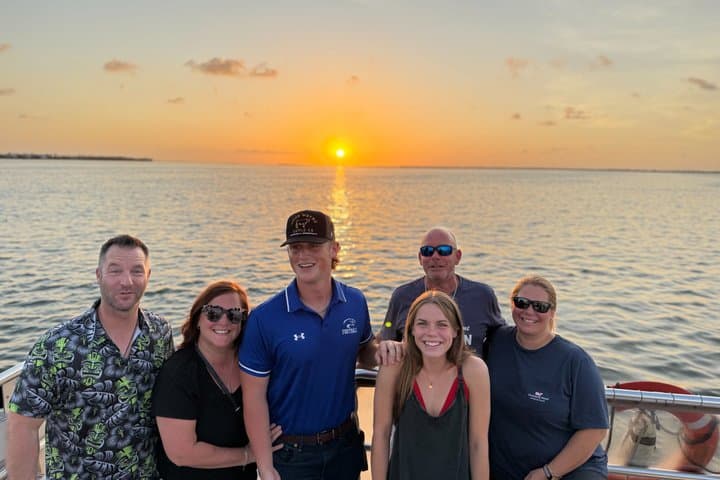
  • Sunset Cruise Fort Myers Beach

    Private and Luxury

    Sunset Cruise Fort Myers Beach (opens in a new tab)

    Free cancellationInstant confirmation
    23 reviews

    Join us for a scenic 90 minute cruise at sunset that blends comfort, adventure, and the wonders of nature. Book your spot today and…

    1–2 hours

    Prices checked

    from $47.92
  • Southwest Florida Sunset Sail

    Wildlife Watching

    Southwest Florida Sunset Sail (opens in a new tab)

    Free cancellationInstant confirmation
    514 reviews

    SWFL sunsets are the best, and there is no better place to watch them than from the deck of our 36ft. Sailing Catamaran, "Copacetic". The…

    2 hours

    Prices checked

    from $70

Private and small-group optionsoften cheaper per head for a family or a group of six

Near Ding Darling

Straight-line distances, so allow more on the road — the island is long and has one main parkway.

  • A tight flock of white pelicans standing together in shallow water

    Wildlife

    Wildlife Drive

    Four miles, one way, through mangrove and tidal flat. Closed every Friday, and worth far more on a falling tide than a full one.

    1–3 hours$10 per vehicle, $1 per cyclist or pedestrian over 15, free for ages 15 and under.250 ft away

  • Mangrove prop roots arching over shallow clear water in a narrow channel

    Wildlife

    Tarpon Bay Explorers

    The refuge's licensed concession and the only way onto the water inside Ding Darling. Kayaks, trams, pontoons and bikes.

    1.5–4 hoursPaid tours and rentals, priced per activity. Parking is free.1.8 mi away

  • Dense low wetland vegetation spreading out towards a distant treeline

    Nature preserve

    SCCF Nature Center and Erick Lindblad Preserve

    Free

    The foundation that has shaped this island since 1967 — with trails still partly closed and a public front door that has moved.

    1–2.5 hoursTrails are free and open sunrise to sunset. Parking at the trailheads is free.1 mi away

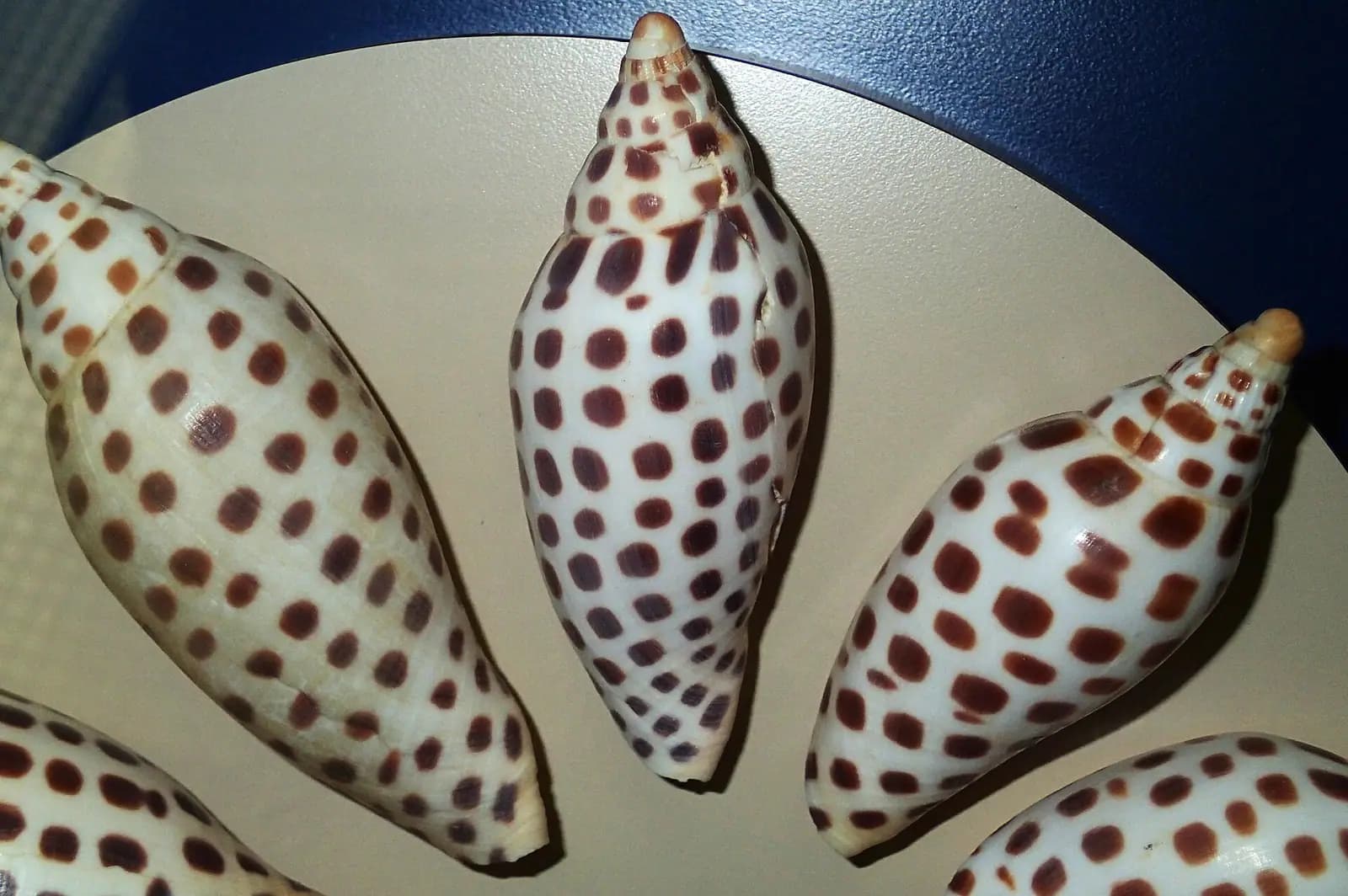
  • A close-packed group of patterned seashells in warm browns and creams

    Museum

    Bailey-Matthews National Shell Museum & Aquarium

    The only museum in the country devoted to shells and the animals that make them — and now an accredited aquarium as well.

    1.5–3 hoursAdults $25, seniors and veterans $20, youth and students $15, children 5–11 $10, under 5 free.1.3 mi away

Ding Darling: common questions

What day is Ding Darling closed?

Friday. Wildlife Drive and the Indigo Trail are closed every Friday of the year, plus federal holidays, to give wildlife an undisturbed day. This trips up a lot of visitors. The Bailey Tract, the refuge's detached hundred-acre parcel on Tarpon Bay Road, stays open sunrise to sunset every day including Friday, and it is free, so it is the obvious substitute if your only spare day falls on the wrong one.

How much does it cost to enter Ding Darling?

Wildlife Drive is $10 per vehicle, or $1 for a cyclist or walker aged over 15, with under-15s admitted free. If you hold a federal recreation pass it covers you, and passes can be bought at the gate or from the refuge concessionaire. Arriving by bicycle therefore costs a tenth of arriving by car on a completely flat road. The Bailey Tract on Tarpon Bay Road charges nothing at all. Confirm current rates with the refuge before you travel.

Who was Ding Darling?

Jay Norwood Darling, a newspaper cartoonist who signed his work "Ding" and won two Pulitzer Prizes. He also ran the federal Biological Survey in the 1930s, where he created the duck stamp programme that has funded wildlife land acquisition ever since. He wintered on Captiva, and when this stretch of Sanibel's mangrove estuary was threatened with development in the 1940s he pushed successfully for federal protection. The refuge was established in 1945 and took his nickname in 1967.

What is the best time of day to visit Ding Darling?

Work from the tide rather than the clock. The birds feed on exposed mudflats, so a falling or low tide concentrates them into a small area and a high tide scatters them into the mangroves. The ideal combination is an early-morning low tide between December and March, when migratory species are present. Late afternoon is the second-best window. The refuge opens at 7am, and closing time shifts through the year with sunset.

Is the Ding Darling visitor center open?

It has been closed for construction connected to Hurricane Ian recovery, and the projected reopening has been pushed back more than once, so this is the one detail worth checking on the refuge's own website immediately before you travel. Wildlife Drive itself has been operating throughout, Fridays excepted. Be wary of secondary sources: several still carry refuge-wide closure notices from the 2024 storm season that have since been lifted.