Hurricane Ian came ashore on the afternoon of 28 September 2022 as a Category 4, making landfall on Cayo Costa with sustained winds around 150 mph and driving a storm surge reported between ten and fifteen feet across this stretch of coast. Sanibel and Captiva sit directly in that path.
The causeway was cut in several places, isolating the islands. A very large share of the buildings on Sanibel and Captiva were destroyed or seriously damaged. Of the 149 direct deaths recorded in Florida, 72 were in Lee County, which was the hardest-hit county in the state. Some of those deaths were on these islands.
That is the factual floor of this page, and it is why we will not describe a place on Sanibel in the present tense without checking it first.
Four years on, the honest summary is this: most of the island is open and working, the infrastructure has been rebuilt to a better standard than it was before, and a visitor arriving today has a full and rewarding week available to them. There are also blocks where the ground is still bare, a tree canopy that has not come back, and a handful of institutions that are still under construction.
Where things stand
| Place | Status | When |
|---|---|---|
| Sanibel Causeway | Open, permanently rebuilt | Temporary repairs reopened it 19 October 2022; permanent reconstruction substantially complete May 2025 |
| Sanibel Lighthouse | Standing and relit | Relit 28 February 2023 on a temporary support; permanent cast-iron replica leg fitted January 2024 |
| Lighthouse Beach Park | Open | Reopened mid-2023 |
| Sanibel Fishing Pier | Gone. Replacement in planning | The city was seeking public input on the replacement design in September 2026 |
| Bailey-Matthews Shell Museum & Aquarium | Open | Aquarium gallery reopened 1 March 2024; expanded shell hall late May 2025 |
| Ding Darling refuge, Wildlife Drive | Open, closed Fridays | Revised gate times took effect 1 August 2026 |
| Ding Darling Visitor & Education Center | Has closed repeatedly for recovery construction | Check its status separately from Wildlife Drive before travelling |
| Turner Beach, Captiva | Open | Reopened 25 April 2025, the last island beach park to do so |
| Other city beach parks | Open | Parking pay stations were destroyed and not replaced; payment is app-only |
| CROW wildlife clinic | Open, weekday visitor hours | Enclosures destroyed in the storm have been rebuilt |
| Tarpon Bay Explorers | Operating | The touch tank was still listed as unavailable because of hurricane damage |
| Bailey's General Store | Destroyed, rebuilding | A smaller market opened further west on Sanibel-Captiva Road in 2025 |
| Sanibel Historical Museum & Village | Open in season | Closes for part of each summer; confirm dates before you go |
Everything in that table was checked in September 2026. Statuses on these islands have moved in both directions since 2022 and will move again, so treat it as a snapshot rather than a guarantee.
It did not stop in 2022
Two years into the rebuild, the 2024 season put three more storms across this coast. Helene and Milton arrived within thirteen days of each other that autumn, and both pushed water back into buildings that had only just been finished.
That is the part outsiders miss about the timeline. Recovery here has not been a single four-year line from damage to repair. It has been interrupted, and some of the businesses that gave up did so in 2024 rather than 2022.
What was rebuilt better
The causeway is the clearest case. The permanent reconstruction completed in 2025 raised approaches and armoured them with roughly 120,000 tons of granite, a considerably more resilient structure than the one Ian cut apart. It is a better road than it was in 2021.
The lighthouse is the emotional one. Ian took one of the four iron legs off the 1884 tower and destroyed both keepers' cottages and the oil house. The leg was later found buried in the sand nearby. The tower was relit on 28 February 2023, propped on temporary timber, and a cast-iron replica leg was fitted in January 2024. On an island that spent a winter without much good news, the light going back on mattered out of proportion to its practical function.
The shell museum rebuilt a destroyed aquarium and then expanded the shell galleries rather than merely restoring them.
What has not come back
The tree canopy. Sanibel was a shaded island; the salt water killed a great deal of mature vegetation, and replanting is slow work in sand. Several roads that used to run under a closed canopy now run in the open, and this is the single most visible difference for anyone who knew the island before.
The fishing pier at Lighthouse Beach Park. It was destroyed and has not been replaced; the city was still gathering public input on a replacement design in September 2026.
A number of resort sites, particularly on Captiva, where the ground has been cleared and nothing has yet been built. Some owners are rebuilding, some are in litigation, some have sold.
And a set of businesses that were institutions here. Some names that people associate with Sanibel from a trip in 2019 are now empty lots. This is the single most common way visitors get caught out: they arrive with an old list.
Should you come?
Yes, and the local answer is emphatic about it.
These islands run on visitors. The businesses that rebuilt did so on the assumption that people would return, and the ones still rebuilding need that to be true. There is no version of a respectful response to what happened here that involves staying away four years later.
What you can reasonably do is arrive with an accurate picture. Book the accommodation you can confirm is open. Check a restaurant is trading before you drive the length of the island to it. Do not go looking for the place you remember; go and see the island that exists.
How to check before you travel
Use primary sources, not old blog posts and not this page alone.
- The City of Sanibel publishes current beach park, parking and facility status.
- The U.S. Fish and Wildlife Service posts the refuge's current hours and closures, including the Visitor & Education Center, which has a different status from Wildlife Drive.
- Lee County publishes causeway and toll information.
- The businesses themselves, by phone or their own current social feeds, which are more reliable than any aggregator. If a place has not posted in a year, treat that as an answer.
Anything written about Sanibel between 2019 and 2022 should be assumed out of date until confirmed, and that includes restaurant lists, resort descriptions and photographs.
A note on how to be here
People who live on Sanibel spent years gutting and rebuilding their own houses, and many of them are still doing it. The storm is not a conversation topic to open with, and it is not scenery.
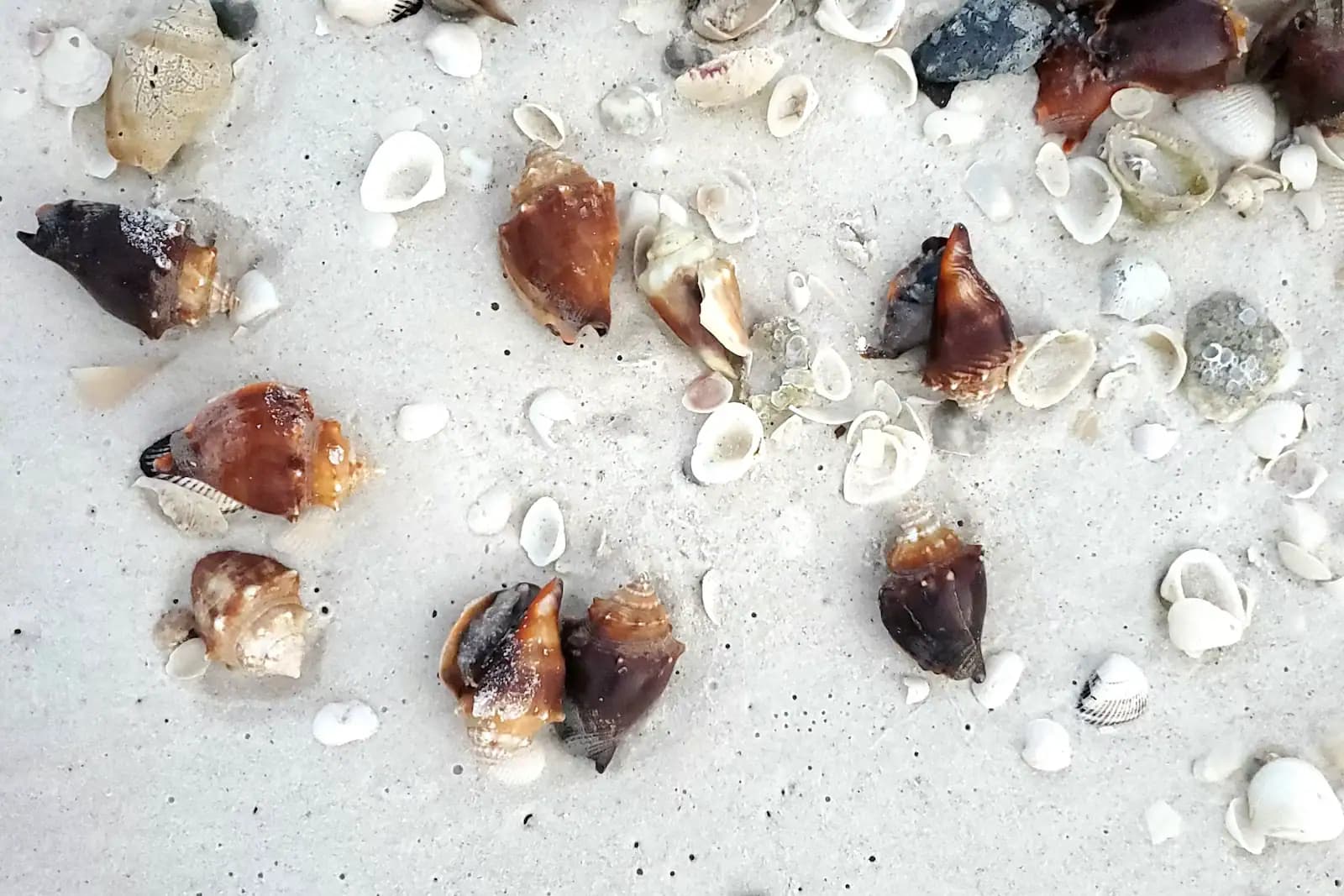
Do not photograph damaged homes. Do not walk onto cleared private lots. If somebody wants to tell you about that week, they will, and it is worth listening to. If they do not, the sensible thing is to talk about the shelling like everyone else on the island does.
Practical things Ian changed that still affect a visit
Beach parking is app-only. The pay stations in the city lots were destroyed and were not replaced. Set the city's payment app up before you leave the rental, because a lot of the beach accesses have indifferent phone signal.
Wear something on your feet in the water. The city still advises this, because storm debris remains buried in the sand and the shallows in places. It is standing official guidance rather than an abundance of caution.
Groceries need planning. Bailey's General Store, the island's main market for decades, was destroyed and is being rebuilt. A smaller market opened further west on Sanibel-Captiva Road in 2025. Check what is trading, and consider a mainland shop on the way in.
Shade is scarcer. The canopy loss is real and it affects where you park, where you sit and how hot a midday bike ride is. Take more water than you would have needed in 2019.
Some restrooms and facilities at beach parks are still being repaired. Check the city's beach park page rather than assuming.
The tree loss changed the birding slightly, opening up sightlines in places and removing perches in others. The refuge's own species counts have held up well, which is the encouraging part.
What recovery actually looks like from the road
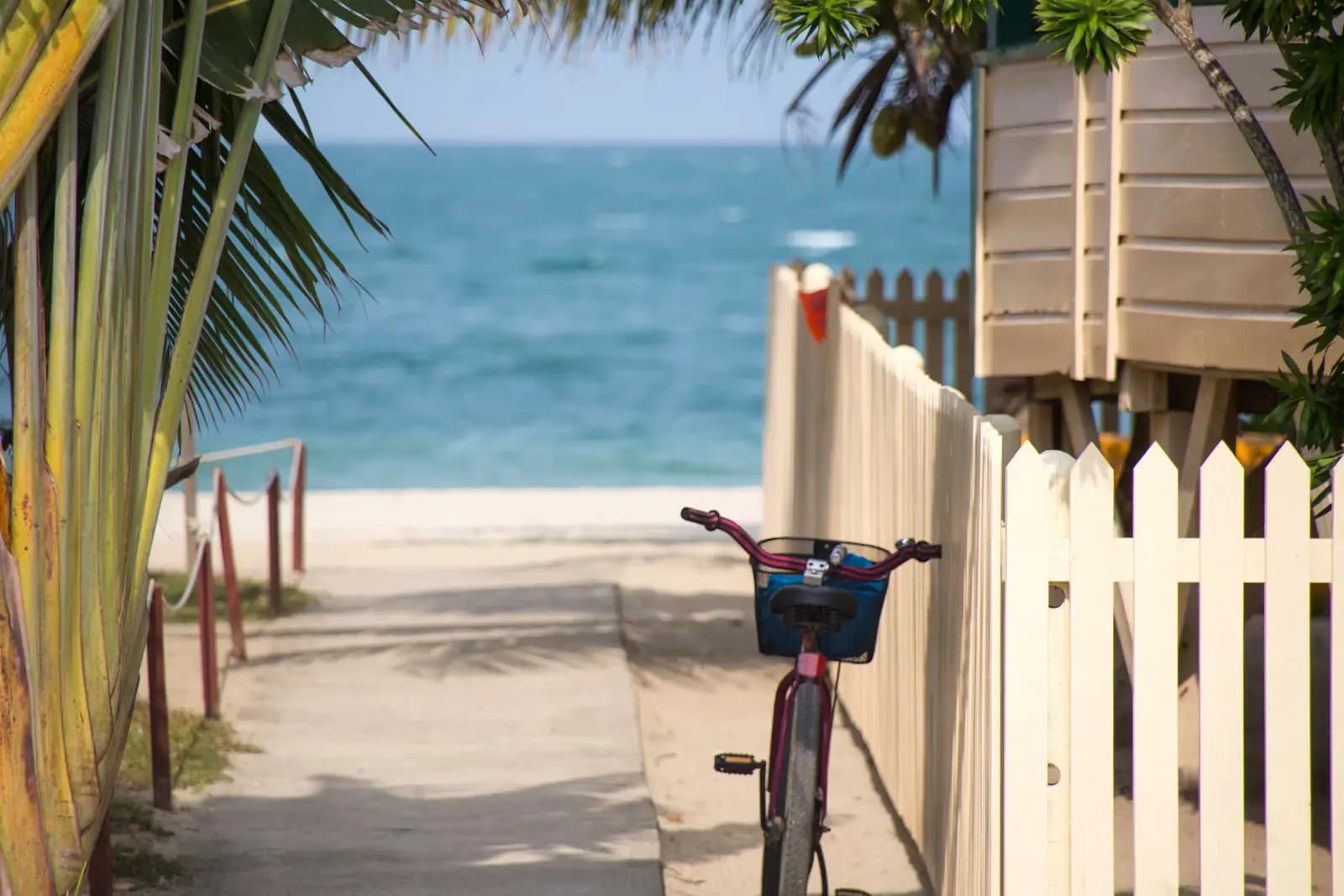
Drive the length of Periwinkle Way today and the dominant impression is ordinary. Shops open, cars at four-way stops, people on bicycles with baskets, a queue for coffee. That is the accurate headline and it is worth stating first, because the coverage that reached most people stopped in about November 2022.
Then you start noticing the pattern. A plaza with four units trading and two boarded. A lot that has been cleared, graded and left. A new building on pilings noticeably higher than its neighbours, because the flood elevation requirements changed. Young palms in rows where mature ones stood.
Out on San-Cap Road the canopy gaps are obvious to anyone with a photograph from before. In the refuge, the mangroves took the surge and largely survived it, which is what mangroves are for, and the bird numbers came back faster than anyone expected.
On Captiva the contrast is sharper. The village has trading businesses next to empty sites, and the big resort at the north end has been through a rebuild of its own.
None of this is distressing to look at. It reads as a place partway through a long job, which is what it is.
Last updated
Opening hours, ordinances and prices move with the season. We re-check this guide rather than rewrite it, and the date above is the last time someone did. How we research and correct.