Every Gulf coast destination has roughly the same weather. Warm and dry from November to April, hot and wet from June to September, and a couple of transitional months at either end. Reading average highs will tell you nothing about whether to come to Sanibel in January or May.
What actually varies here is more specific. Winter cold fronts push wind in from the west and pile shell onto south-facing beaches. Migratory birds concentrate on the refuge's tidal flats in the cool months. The Gulf goes from swimmable-if-you-commit to warmer than a bath. And the price of a week roughly doubles between September and February.
So the year is best read as four different islands.
The year, month by month
| Month | Shelling | Birds and wildlife | Sea and air | Crowds and cost |
|---|---|---|---|---|
| January | The best of the year. Fronts weekly, big spring lows | Peak. White pelicans, spoonbills, densest wading bird numbers | Mild days, genuinely cool nights, Gulf around the high sixties | Peak. Rental weeks booked a year out |
| February | Excellent. Same pattern, slightly warmer | Peak, and the light is at its best | Driest month, lowest humidity of the year | The peak of the peak. Causeway queues on Saturdays |
| March | Very good, tailing as fronts weaken | Spring migration starts. Swallow-tailed kites arrive | Warming, dry, long settled spells | The island's busiest month. Everything booked |
| April | Good early, thinner late | Migration through the trees. Turtle nesting begins mid-month | Water becomes properly swimmable | Empties noticeably after Easter |
| May | Quieter, but a spring low still repays an early alarm | Mangrove cuckoos and black-whiskered vireos singing | Warm water, long evenings, heat building late | One of the best value months of the year |
| June | Storm-driven rather than front-driven | Peak nesting. Marked nests on the beach | Hot, humid, afternoon thunderstorms begin in earnest | Low, with a family bump |
| July | Dawn only, after a hard overnight storm | Hatchlings start emerging late in the month | Hottest. Gulf in the mid-eighties | Low. Family travel |
| August | Occasional, weather-dependent | Hatchlings, shorebird migration starts moving | Hot and wet. Statistically the build toward the storm peak | Lowest occupancy of the summer |
| September | Little, and the island is quiet | Shorebird passage on the flats | Hot, wet, and the peak of the hurricane season | Cheapest weeks of the year. Some operators close for maintenance |
| October | Improving late in the month | Autumn migration builds. Turtle season ends on the 31st | Humidity breaks from mid-month | Still quiet, filling from the end of the month |
| November | The first fronts arrive. Genuinely good by month end | Wintering birds returning to the refuge | Dry, mild, close to perfect | Quietly excellent value. Thanksgiving is busy |
| December | Good and improving weekly | Numbers climbing on Wildlife Drive | First real cool nights. Gulf cooling | Quiet early, then the holidays fill it |
Those temperature descriptions are the shape of a normal year rather than a promise. Look at a forecast.
The mechanism nobody explains
Between roughly December and March, cold fronts cross the Gulf every week or so. On most of Florida's west coast that is a nuisance: wind, chop, a day or two of cooler air.
On Sanibel it is the reason to come.
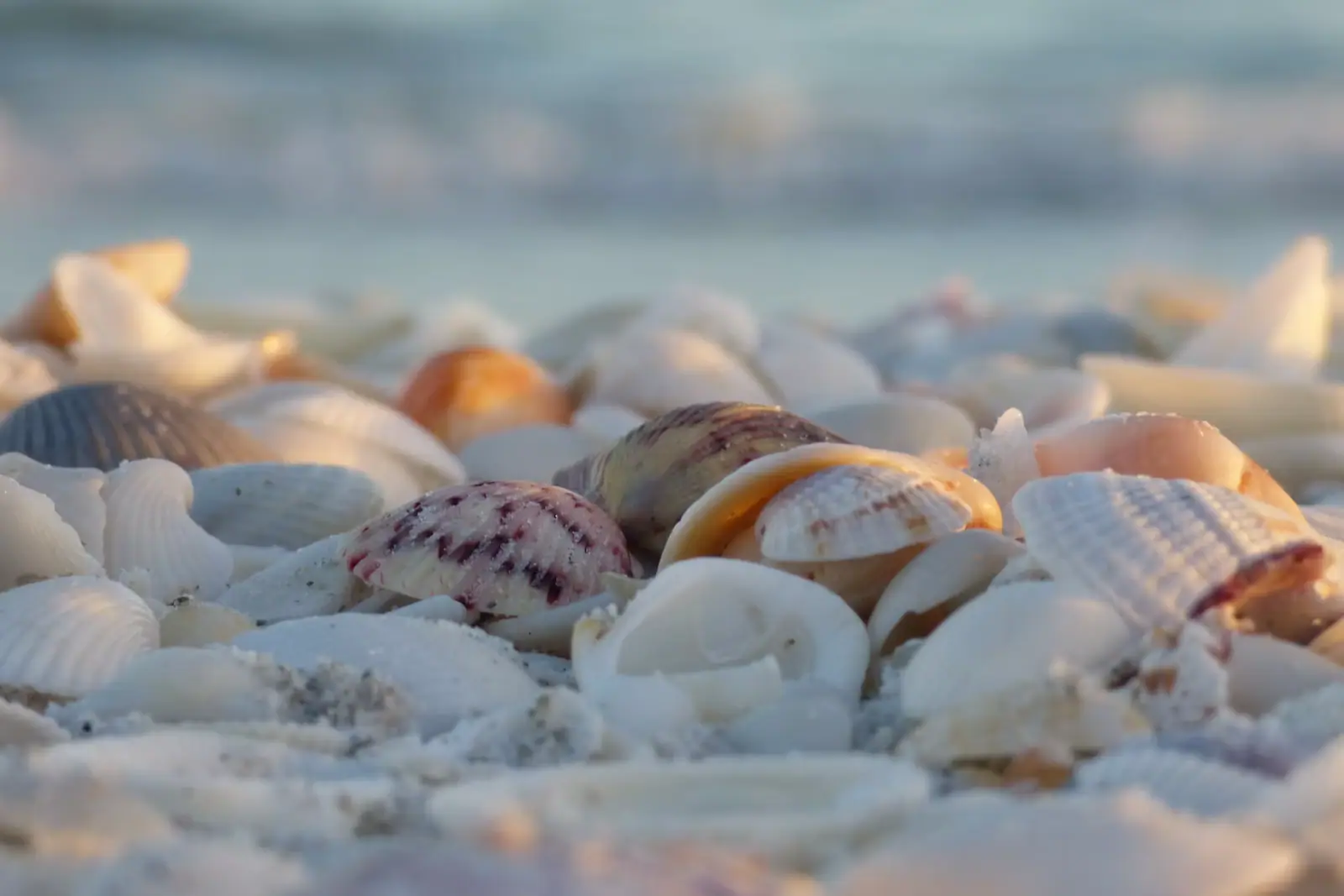
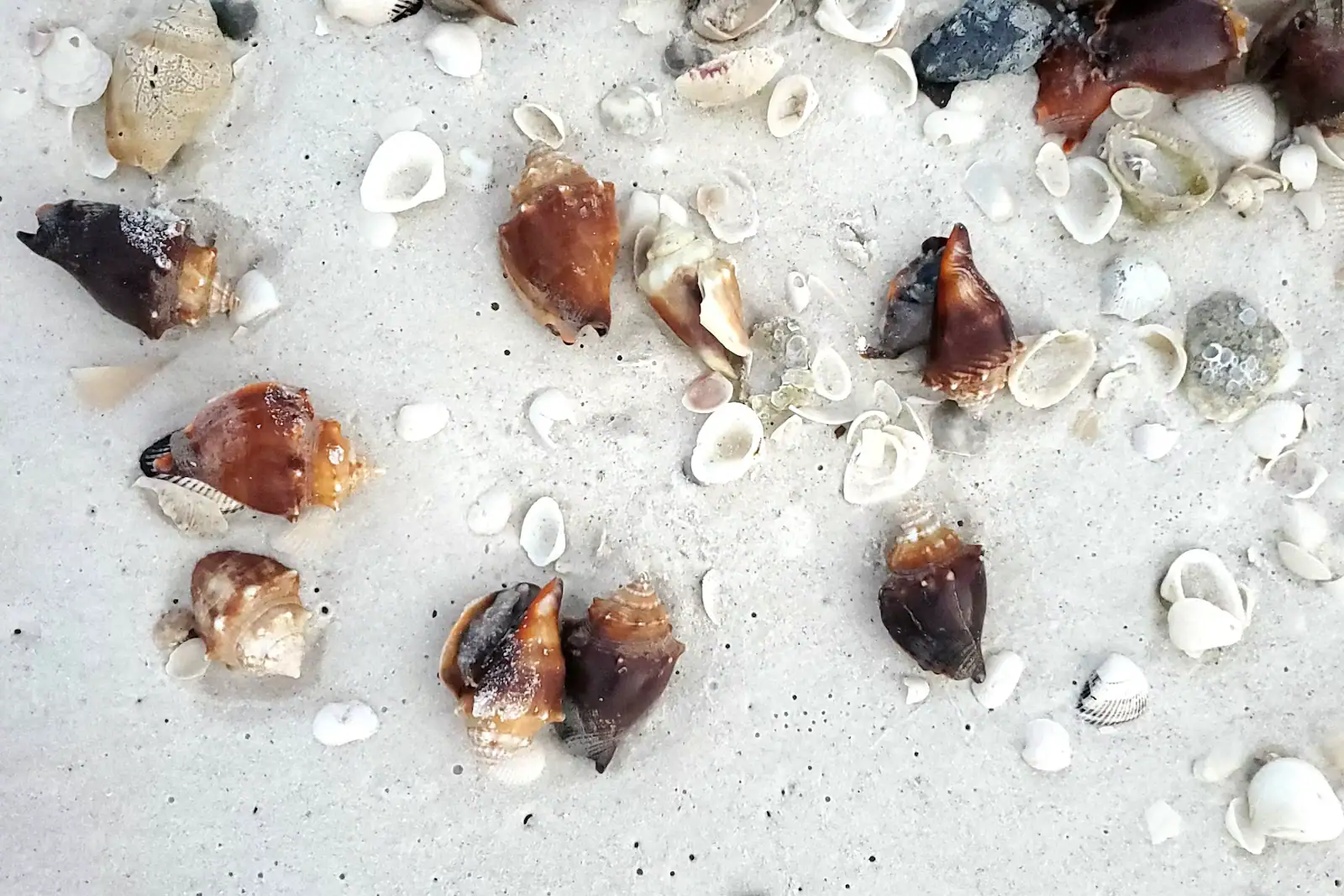
Because the island lies east to west with twelve miles of beach facing south, a front's wind arrives more or less perpendicular to the shoreline rather than along it. Instead of dragging material sideways down the coast, it pushes it up the slope and leaves it there. The morning after a front is the best shelling on this coast, and the people who take it seriously are on the sand before it is light.
Combine that with a spring low tide around the new or full moon and you get the conditions that made this island's reputation.
The two windows worth knowing about
Late April into May
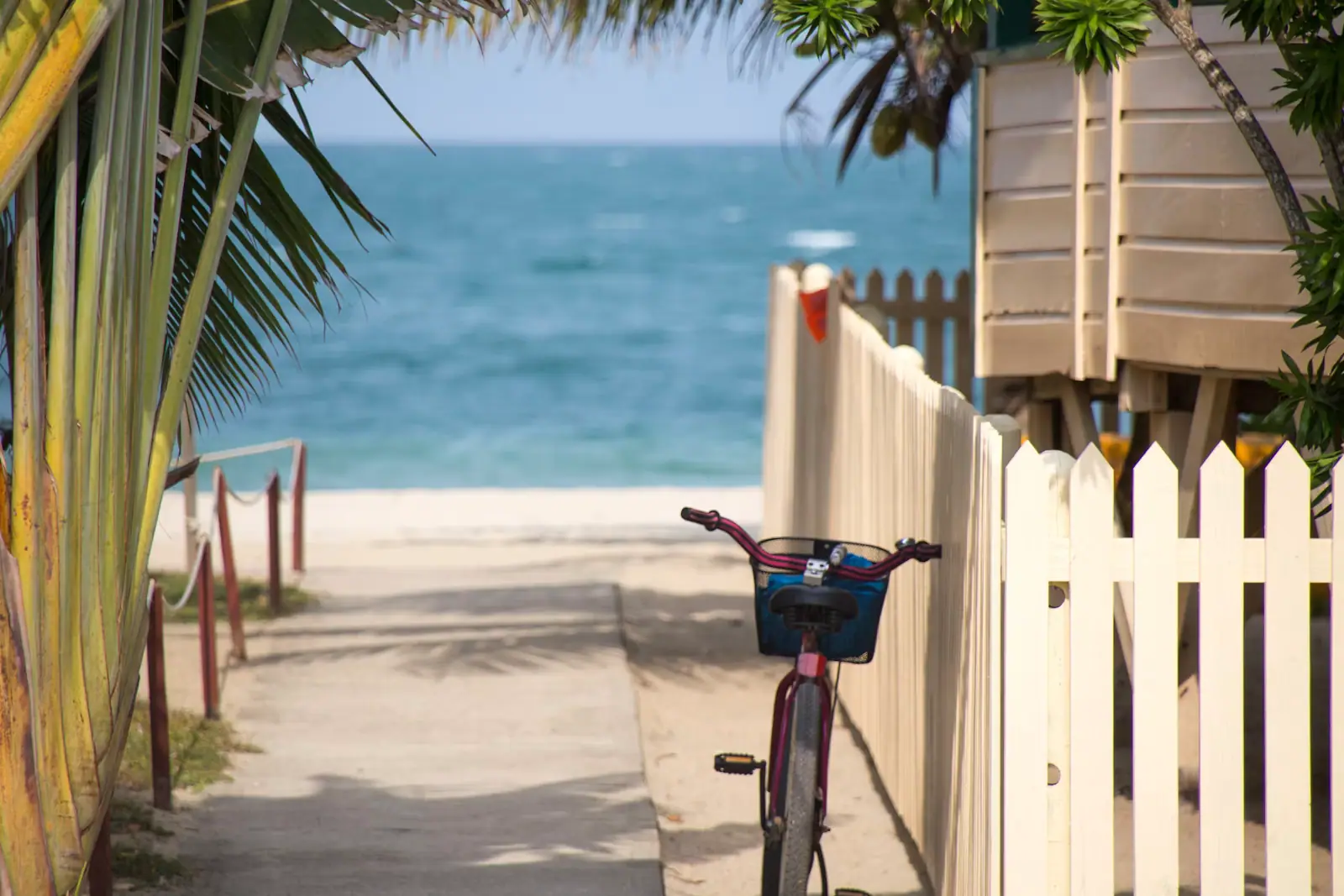
Dry-season weather with summer water temperatures. The winter residents have gone, spring break is over, the Gulf has warmed enough to swim without discussion, and rates fall week by week. Cycling is at its best — dry mornings, not yet punishing by noon. The shelling is thinner than January but a good low tide still delivers.
The drawback is that the heat arrives quickly toward the end of May, and the insects come back with it.
November
Underrated, and the best weather-to-price ratio in the year. Humidity has broken, the first fronts have started, the refuge is refilling with wintering birds, turtle season has ended so the beachfront lighting restrictions are lifted, and the island is still priced below the December turn. Thanksgiving week is the exception.
Storm season, stated plainly
The Atlantic season is officially open from the first of June to the end of November. The part that actually matters on this coast is narrower than that: the back half of August, and the whole of September. This coast has been hit, repeatedly and recently.
Hurricane Ian made landfall on 28 September 2022 as a Category 4 and did catastrophic damage to these islands. Two years later, Helene and Milton arrived within thirteen days of each other in the autumn of 2024.
Three practical rules rather than a lecture:
- Book refundable accommodation for August through early October, or buy travel insurance at the moment you book. A policy purchased after a system has been named will not cover it.
- Leave a buffer day before a long-haul flight in those months.
- If a storm is coming while you are here, follow Lee County's instructions rather than social media. A barrier island is always in the first evacuation zone, and the causeway is the only road off.
Six months of named-storm season is mostly nothing more dramatic than heat and an afternoon downpour. The exposure is genuine and it is also priced in, which is the entire reason a September week on this island costs what it does.
The other seasonal facts
Sea turtle nesting runs from around the middle of April to the end of October on these islands, which is earlier than the statewide start date people often quote. It brings beachfront lighting restrictions, marked nests on the sand, and the obligation to fill in holes and clear the beach of furniture overnight. Confirm exact dates locally for the year you are visiting.
Red tide, a bloom of Karenia brevis, occurs on this coast and is most commonly a late-summer and autumn problem, though it is unpredictable and can appear in any season. It is patchy, it comes and goes, and Florida's wildlife commission publishes current sampling and a weekly status report. Check on the morning rather than relying on last week.
No-see-ums come off the mangrove and the freshwater slough at dawn and dusk from late spring through autumn. They are worse than the mosquitoes and are the island's least charming reliable feature.
The causeway stacks up on winter Saturday mornings and in the half-hour after a good sunset, year-round. Build it into the airport run.
Pick the month by what you actually came for
Shelling. January and February, without argument. Book a week that contains a new or full moon and check where the low tides fall. If the budget rules out winter, November and early December are the next best thing.
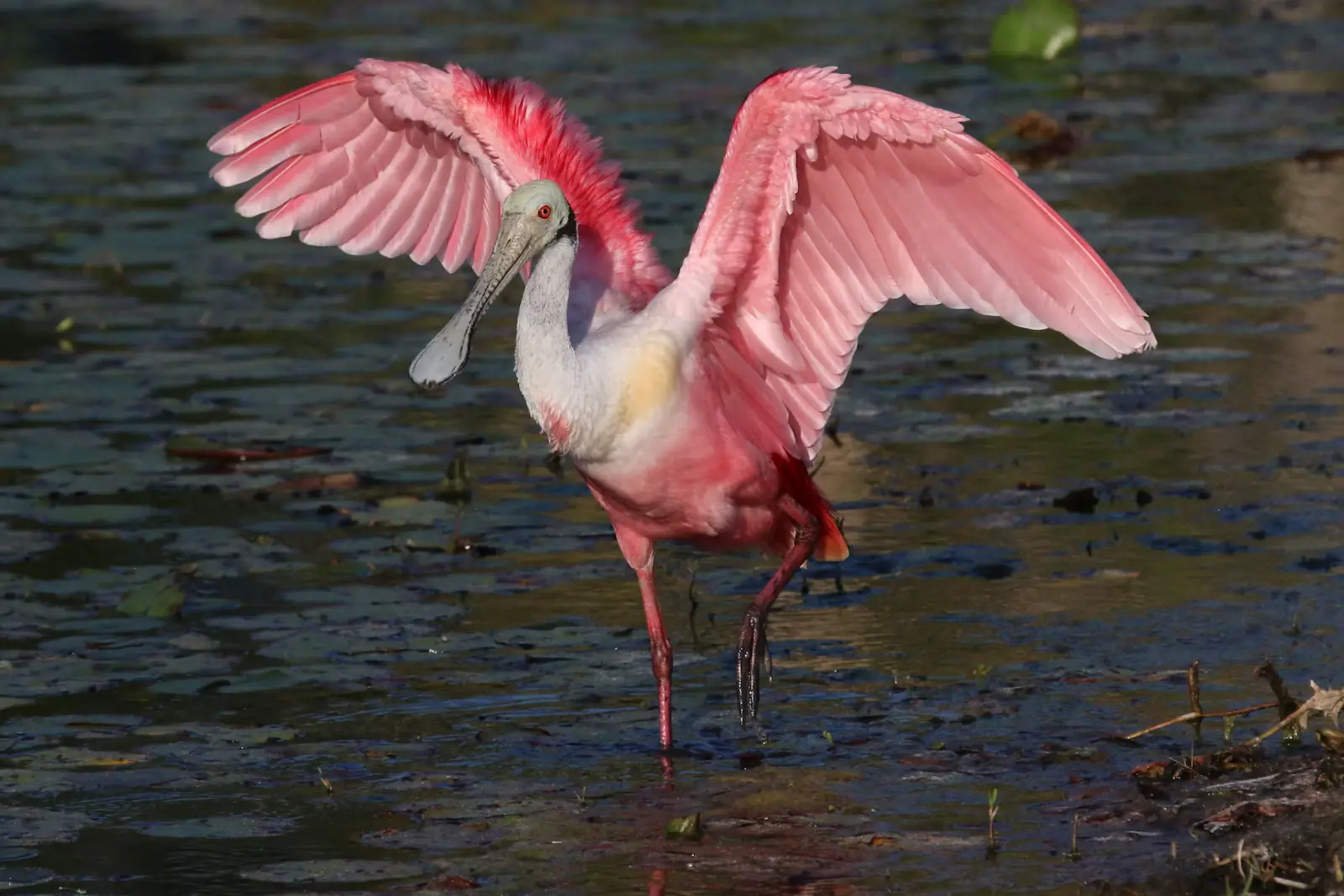
Birds. December through February for sheer numbers and for wintering species. March and April if you want spring migration and swallow-tailed kites. Any month works if you get the tide right.
Swimming. May through October. The Gulf reaches the mid-eighties in high summer, which is the single strongest argument for a summer trip with children.
Cycling. Late October to early May. Outside that, ride before ten or not at all.
Value. September is cheapest and carries the most risk. Late April, May and November are the sensible compromises, and November is the best of the three.
Quiet. September and early October, when the island is emptier than at any other point in the year.
Avoid March if crowds bother you. It is the fullest the island gets, with winter residents still in place and spring break on top of them.
What peak season actually feels like
From early January to the end of March the island fills up, and it fills up in a particular way. A large share of the people here are long-stay winter residents rather than a weekend churn, which changes the texture of everything.
Restaurants want reservations, and the good ones want them days ahead rather than hours. Bike rentals and boat charters book out well in advance. The beach lots are full by mid-morning and the Periwinkle Way plazas are busier than the island's road network really allows, which is how you end up queuing at a four-way stop on an island with no traffic lights.
The causeway approach on a February Saturday morning is the worst it gets. Give the airport run an extra half hour in either direction, and never book a boat that leaves shortly after a drive across from the mainland.
The compensation is genuine. February on this coast is close to perfect weather, the refuge is at its fullest, the light is the best of the year, and the shelling is the reason the island is famous. People pay peak rates for that and mostly think it was worth it.
If you want the island rather than the season, come in November or May instead.
Last updated
Opening hours, ordinances and prices move with the season. We re-check this guide rather than rewrite it, and the date above is the last time someone did. How we research and correct.