On this page
Because the island lies east to west, its beaches face south into the Gulf rather than west. That has three consequences a visitor notices immediately and one that takes a day to work out.
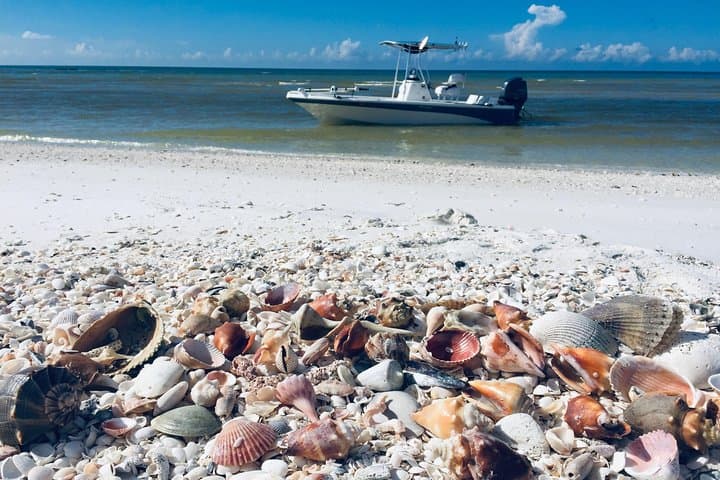
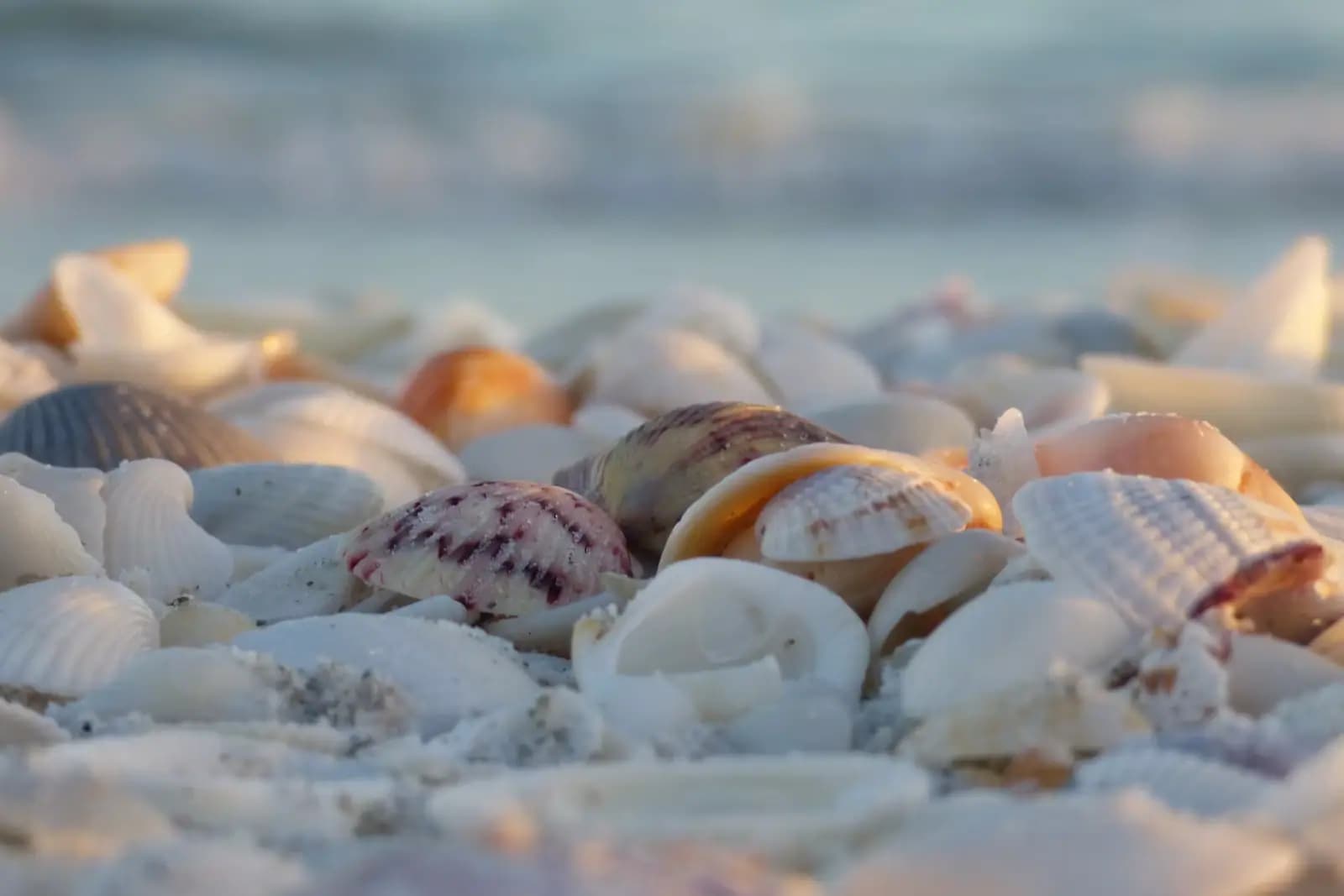
The beaches collect shells, because the shoreline is turned broadside to the currents carrying material up this coast. The water is usually gentle, because the shelf offshore is shallow and long. The sand is fine and pale and mixed with shell grit rather than powder. And the sunset — this is the one people take a day to notice — does not drop into the sea in front of you. It goes down the beach to your right, along the shore, which makes for a different and arguably better photograph but is not what people expect from Florida's Gulf coast.
First, the parking
This is the thing that ruins mornings here, so deal with it before anything else.
Every City of Sanibel beach lot charges the same hourly rate, currently five dollars an hour, and it is enforced around the clock rather than only in daylight. There is no free beach parking anywhere on the island, and there is essentially no legal on-street alternative.
The pay stations that used to stand in the lots were destroyed in 2022 and were not replaced. Payment now runs entirely through the city's mobile system, which means you need a charged phone, a signal and an account set up before you walk down to the sand rather than after.
One genuinely useful feature: a paid session transfers between city beach parks while the time you have bought is still running. A dawn shelling session at Bowman's followed by a move to Blind Pass at ten costs one session, not two.
Accessible spaces with a valid permit are free. Residents and qualifying property owners buy annual permits through the recreation centre.
All of this is set by the city and has been revised more than once since 2022. Check the posted rate at the lot rather than any figure online, including this one.
The beaches, and what each one is for
| Beach | Best for | Parking and facilities | The catch |
|---|---|---|---|
| Bowman's Beach | Shelling, long walks, the quietest sand on the island | Large lot, restrooms, showers, picnic area, playground | The lot sits well back from the water across a footbridge — allow ten minutes each way with gear |
| Lighthouse Beach Park | The lighthouse, bay-and-Gulf views, fine shells, birdwatching | Lot, restrooms, boardwalk | Busiest and first to fill. The fishing pier was destroyed in 2022 and a replacement is in planning |
| Gulfside City Park | Shade, quiet, a straightforward swim | Shaded lot, restrooms, picnic tables | Locals still call it Algiers. Forty-six marked spaces on a 27.5-acre park, so arrive early or ride |
| Tarpon Bay Beach | The easiest beach to reach by bicycle from mid-island | Small lot, restrooms nearby | Limited parking and no shade to speak of |
| Blind Pass Beach | Heavy shells driven through the pass, fishing, sunset | Lot on the Sanibel side of the bridge, restrooms | Strong tidal current in the pass itself. Not a swimming beach |
| Turner Beach, Captiva | The other side of the pass, same coarse material, sunset | City-operated lot, restrooms | The last island beach park to reopen after Ian, in April 2025. Small lot, fills fast |
| Causeway Beach Park | A quick stop, kitesurfing, watching the bay | Roadside parking on the causeway islands | Facilities and layout have changed in phases as causeway work continues |
| Alison Hagerup Beach Park, Captiva | The classic west-facing Gulf sunset | Separate operator, separate app | Run by the Captiva Erosion Prevention District, not the city. Substantially more expensive, on an all-day rate |
Picking one
If you came to shell: Bowman's for range and the best odds on a large shell, Blind Pass or Turner for the heavy material the current drives through the gap. Arrive an hour before low tide.
If you came to swim: Gulfside City Park or Tarpon Bay Beach. Gentle slope, calm water, no current worth respecting. Avoid Blind Pass.
If you have small children: Bowman's has the playground, the picnic area and the most facilities, and the walk in from the lot keeps the crowd down. Gulfside has shade, which on a Florida beach in July is not a small thing.
If you want the lighthouse photograph: Lighthouse Beach Park at the eastern tip, where the Gulf meets San Carlos Bay. Come early; it is the first lot to fill.
If you came for sunset: honestly, cross to Captiva. Sanibel's south-facing beaches give you a sunset down the shoreline rather than over the water, which is lovely but different. Captiva's western end faces the Gulf head-on, and Alison Hagerup is where people go for exactly that. Blind Pass and Turner are the good compromise: you get the water, the bridge and the pass all in one frame without the Captiva parking rate.
Conditions, honestly
The Gulf here is usually calm and shelves gently. Surf is unusual. That does not make it supervised water — assume nobody is watching, swim near other people, and keep children within arm's reach.
Blind Pass deserves its own warning. The gap between Sanibel and Captiva runs a hard tidal current through a narrow channel. It is an excellent fishing and shelling spot and a genuinely poor swimming one, and the current is strongest on a falling tide when the beach looks most inviting.
Wear something on your feet in the water. The city still warns that storm debris remains buried in the sand and the shallows in places. This is not scaremongering; it is the standing advice from the people who maintain the beaches.
Lightning between June and September arrives fast and the open beach is the wrong place to wait it out. Leave at the first rumble rather than the first drop.
Red tide, a bloom of Karenia brevis, occurs along this coast and can cause respiratory irritation and dead fish along the tide line. It is patchy and it comes and goes. Florida's wildlife commission publishes sampling results and a status report, and the county posts beach conditions; check on the morning you go rather than relying on a forecast from last week.
Stinging jellyfish appear in some seasons and not others, and the larval "sea lice" that raise a rash under a swimsuit are just as erratic. Watch the other swimmers. A stretch of water people keep getting out of while rubbing their arms is telling you something worth knowing.
The rules on the sand
Sea turtles nest on these beaches from roughly mid-April to the end of October. That brings beachfront lighting restrictions, staked nests on the sand, and a short list of obligations that all come down to leaving the beach the way you found it: level whatever you dug, knock the sandcastle walls down, carry your own chairs and buckets off at the end of the day, and keep every light source — phone screens included — off the sand after dark. Exact dates are set locally; confirm them for the year you are visiting.
Live shells, sand dollars, sea stars and sea urchins may not be taken. This is law, not etiquette, and it carries a fine of up to $500.
Shorebird nesting areas are roped and posted in spring and summer. Walk around them. Dogs must be leashed, and there are stretches where they are not permitted at all during nesting season.
Timing a beach day here
Plan around the tide chart, not the clock. On Sanibel the tide decides what is on the sand, how wide the beach is and whether the flats are walkable, and it shifts by about fifty minutes a day, so the good morning of your week may be Tuesday rather than Saturday.
Dawn to about nine is the island at its best: cool, empty, the fresh material still lying where the tide left it, and the beach lots nearly free of cars. If there is a low tide in that window, cancel whatever else you had planned.
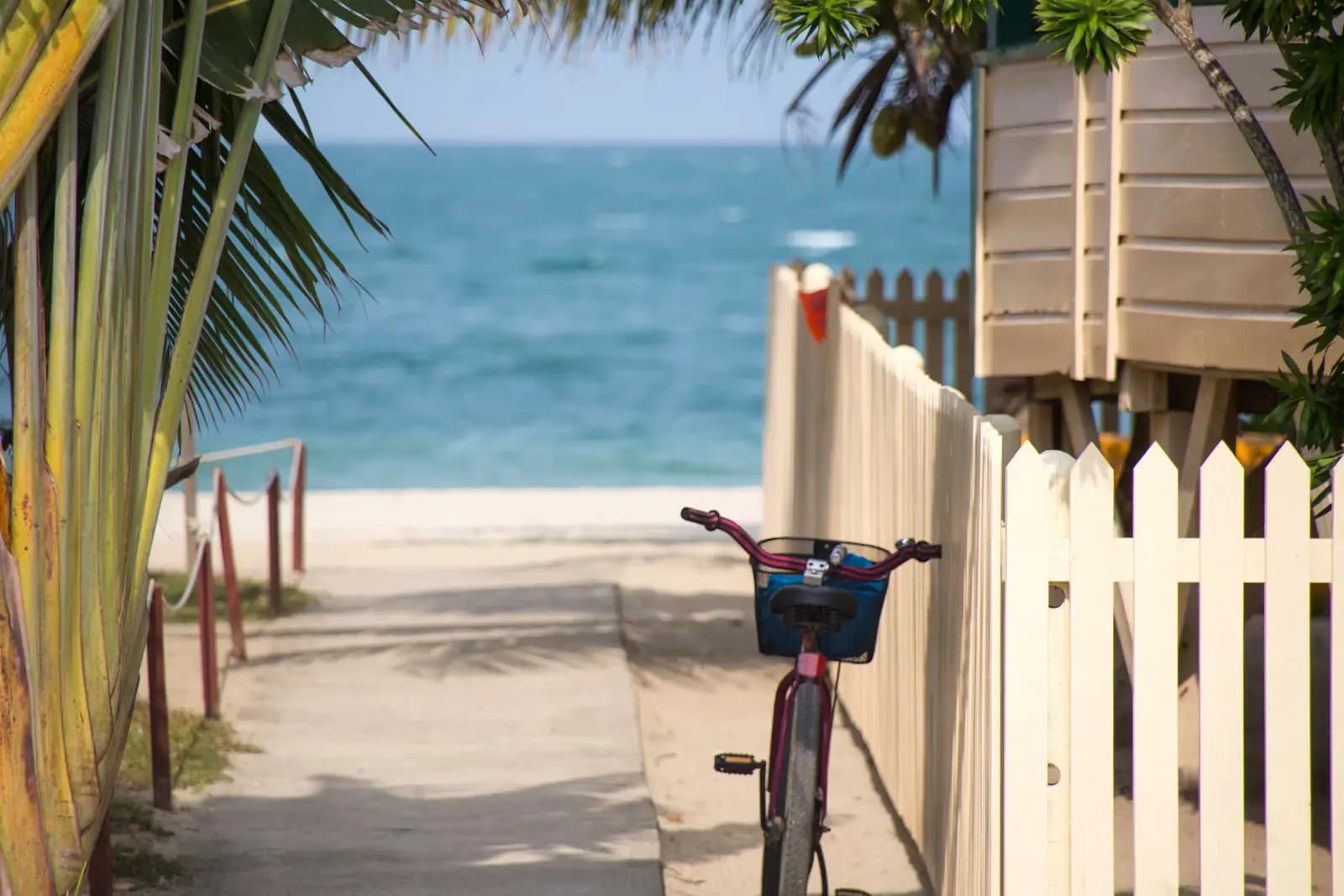
Mid-morning to two is when the lots fill, particularly January to March. If you drive, arrive before ten or accept a circuit of the lot. If you ride, this is irrelevant to you, which is the entire argument for the bicycle.
Late afternoon empties out again as families leave, and the light gets good from about an hour before sunset.
After sunset the beach clears almost completely and stays dark, because the island has very little artificial light. Take a torch for the walk back to the car, keep it pointed at your feet, and during turtle season keep it off the sand entirely.
What is actually there when you arrive
Sanibel's beach parks are modest by design. There are no beach bars, no rows of rental loungers, no boardwalk and no concession stands worth the name. That is a planning decision rather than an oversight, and it is a large part of why the beaches feel the way they do.
What you get at the better-equipped parks is a paved lot, restrooms, an outdoor rinse shower, picnic tables and a boardwalk through the dune. Bowman's has the fullest set, including a playground. Gulfside City Park has shade, which is genuinely rare here.
What you do not get anywhere is food. Bring water and lunch, or plan to ride back to the plazas on Periwinkle Way.
Umbrellas and chairs are worth renting for the week from a beach equipment company that delivers, rather than buying cheap ones and abandoning them.
Accessibility is mixed in a specific way: the lots, boardwalks and restrooms at most parks are accessible, but the last stretch from boardwalk to water is soft sand at every single beach on the island. Beach wheelchairs exist on the islands — ask the city or your rental manager well ahead of the day, and confirm which park one can be delivered to.
Facilities at individual parks have changed since 2022 and some remain under repair. Check the city's current beach park page before you rely on a restroom being open.
Last updated
Opening hours, ordinances and prices move with the season. We re-check this guide rather than rewrite it, and the date above is the last time someone did. How we research and correct.