Skip to content
Menu

We earn a commission if you book through this link. You pay the same price.

Search

Nature & Wildlife

Birding on Sanibel

Last updated

A Sanibel birding site guide: spoonbills and reddish egrets on Wildlife Drive, stilts at the Bailey Tract, the tide to aim for and beaches you cannot walk.

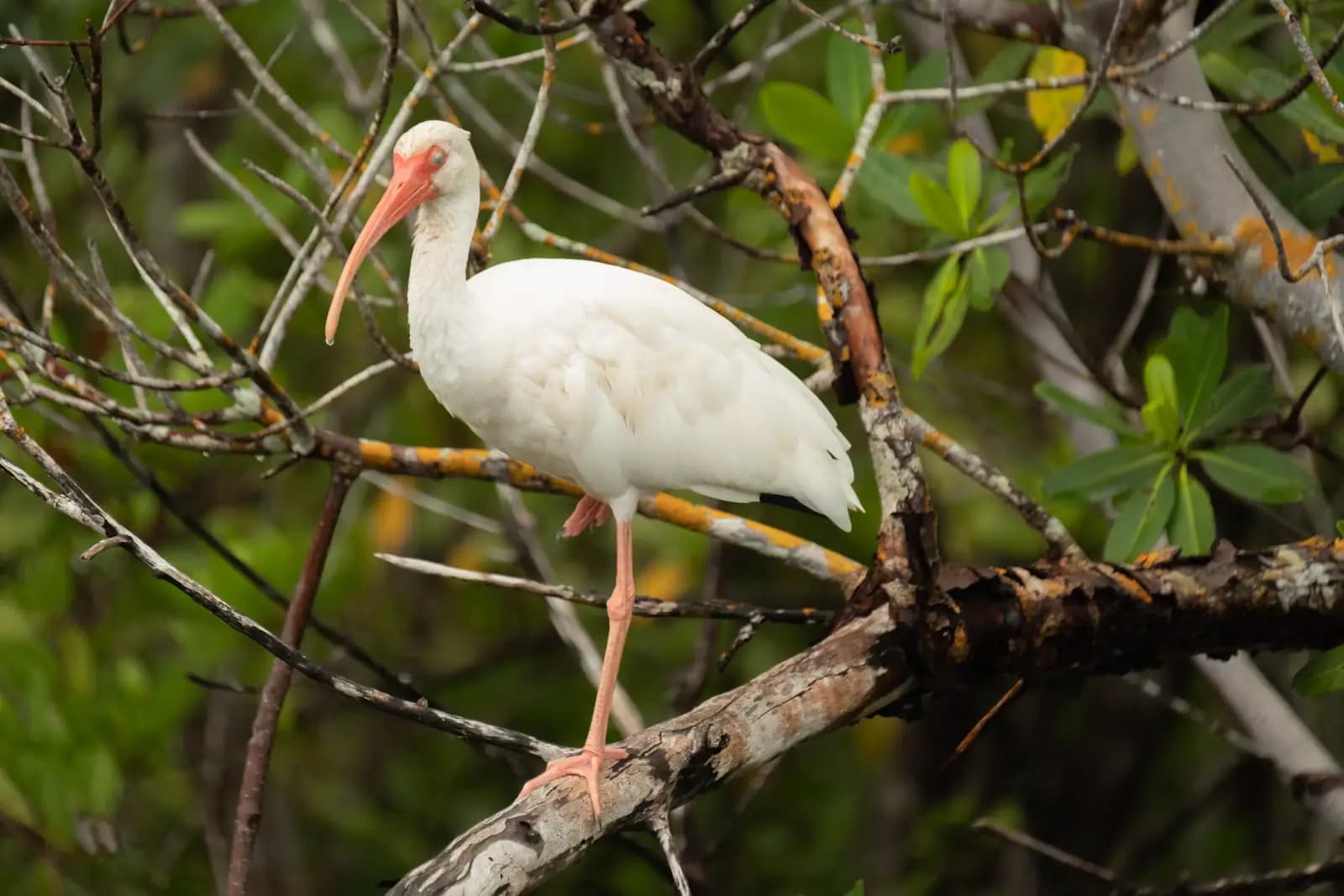
A long-legged wading bird hunting in shallow water at the edge of a tidal flatUnsplash

Sanibel packs four separate bird habitats into twelve miles, which is why it holds up as a birding destination rather than a pleasant place to see herons. On the north flank, a refuge of more than six thousand acres of mangrove, impoundment and tidal flat, where more than 245 species have been recorded. In the middle, an interior freshwater wetland — the Sanibel River and the Bailey Tract — that holds a completely different set of birds from the saltwater side. On the south shore, twelve miles of open Gulf beach where snowy plovers, Wilson's plovers, least terns and black skimmers nest. And at the eastern tip, a small wooded point at the mouth of San Carlos Bay, the first land a bird crossing the Gulf reaches.

The island's east-west axis is doing the work here as it does everywhere else on Sanibel. It sits across the mouth of Pine Island Sound, with the Caloosahatchee emptying just to the east, and it faces the open Gulf on its long southern side. That puts it at a junction of tidal flats, brackish estuary, fresh water and open coast, all within a bicycle ride.

The two facts that ruin most visits are easy to avoid. The Wildlife Drive, along with the Visitor and Education Center and the Indigo Trail, is closed every Friday of the year. And the wading birds are only close to the road for the couple of hours after high tide, when the flats are draining and the fish are trapped in shrinking pools. Turn up at the wrong state of tide and you will see water; turn up on a Friday and you will see a gate.

Beyond that, this is easy birding. The refuge road is flat and slow, the Bailey Tract is free and has no gate hours, the shared-use path lets you cycle between sites without parking, and the island is small enough that you can work three habitats before lunch. Winter is the strongest season by a distance, with January to March the peak.

One rule that applies to birders as much as anyone: taking a live shell inside the City of Sanibel has been illegal since 1995, and that includes sand dollars, sea stars and sea urchins. The same conservation ethic underpins the posted nesting areas on the beaches, which are the other thing a visiting birder needs to get right.
Our picks

The ones we would book

  • Editor's Pick

    Best guided morning for someone who wants the identifications

    Why we chose it

    A naturalist-led trip through the refuge is worth it even for competent birders, because a local guide knows which impoundment is holding what this week and reads the tide without thinking about it. Ask whether the departure is timed to the water rather than to the diary, because that single answer separates a good outing from a scenic drive.

  • Small Group

    Best small boat for birds you cannot reach from a road

    Why we chose it

    Six people on a shallow-draft boat reaches the mangrove islands and rookeries in the sound that no dike road overlooks. Herons, pelicans, frigatebirds and nesting colonies seen from the water rather than across it. Ask the captain to hold position and cut the engine; the good operators here do it without being asked.

  • Best Value

    Best cheap way to bird the mangrove edge

    Why we chose it

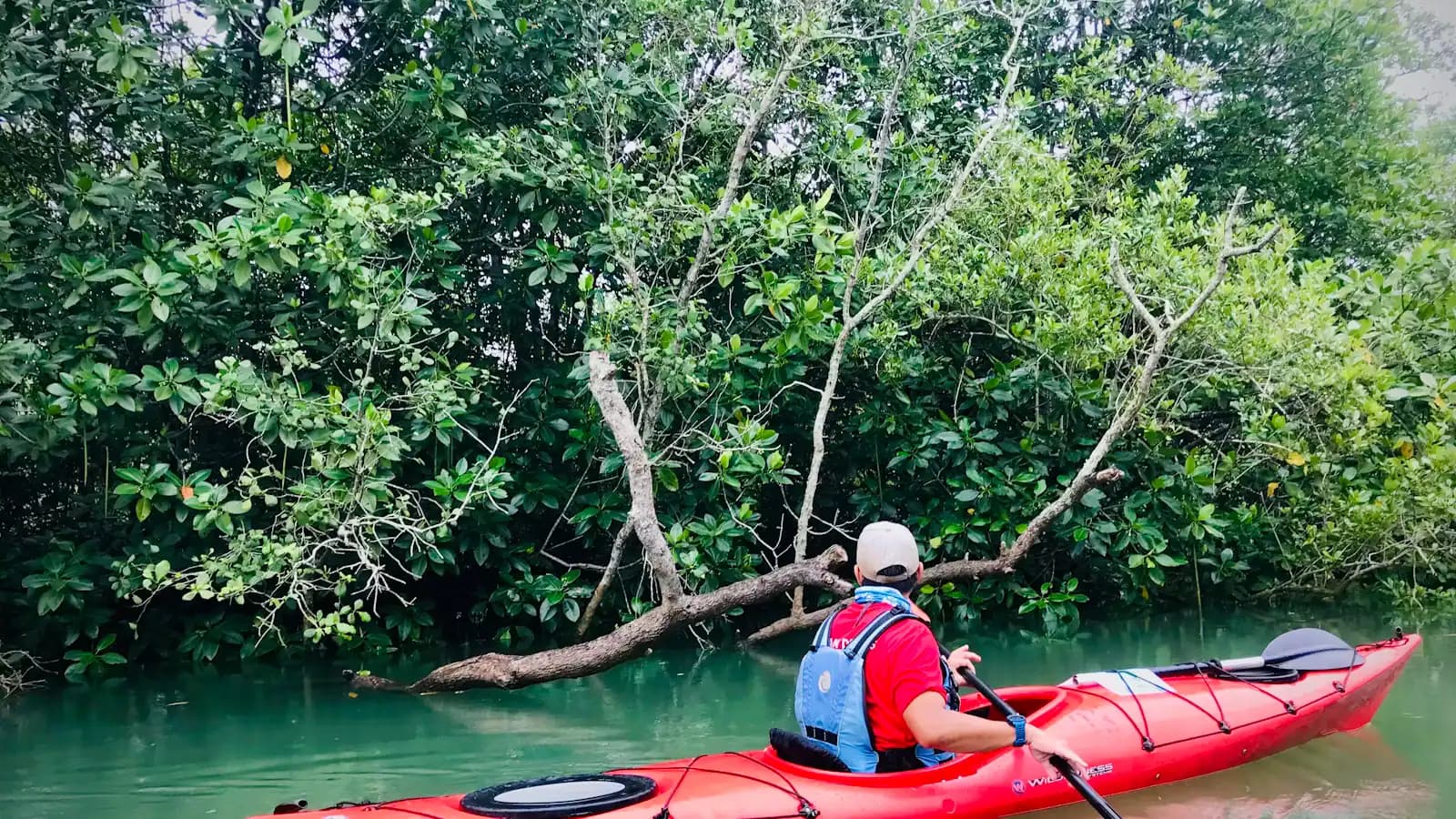
    A kayak on the bay side costs a fraction of a charter and puts you in water shallow enough that a wading bird treats you as scenery. Paddle at first light before the breeze fills in, stay out of posted areas, and let the boat drift rather than paddling up to anything you want a look at.

    Sunset Cruise Fort Myers Beach

    Private and Luxury

    Sunset Cruise Fort Myers Beach (opens in a new tab)

    Best ValueFree cancellationInstant confirmation
    23 reviews

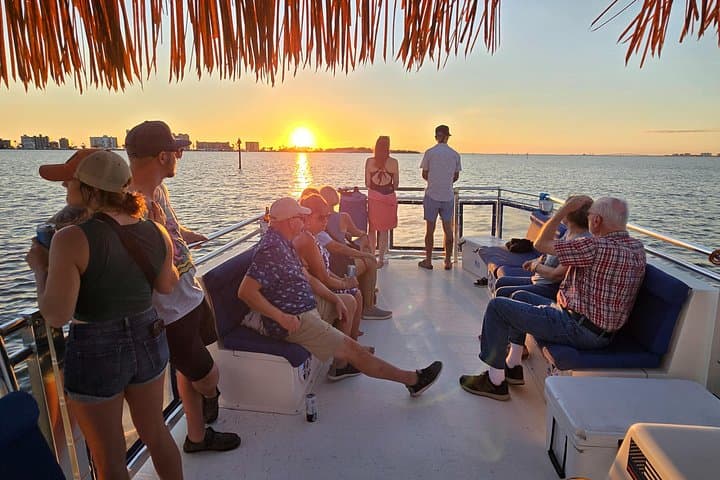
    Join us for a scenic 90 minute cruise at sunset that blends comfort, adventure, and the wonders of nature. Book your spot today and…

    1–2 hours

    Prices checked

    from $47.92
  • Best for Beginners

    Best first outing for someone new to this

    Why we chose it

    A guided tram along the Wildlife Drive is the gentlest introduction there is: no driving, no navigating, and somebody pointing at things and naming them for ninety minutes. It teaches the difference between a reddish egret and a little blue heron faster than any book, and it works for people who would never call themselves birders.

  • Best Private Tour

    Best private guide for a target species

    Why we chose it

    Worth the money if you are here for something specific — a mangrove cuckoo in May, a wintering rarity, or a photograph in particular light. A private guide can start before dawn, chase the tide and change the plan when the bird is not where it should be. Agree the target list before you book rather than on the morning.

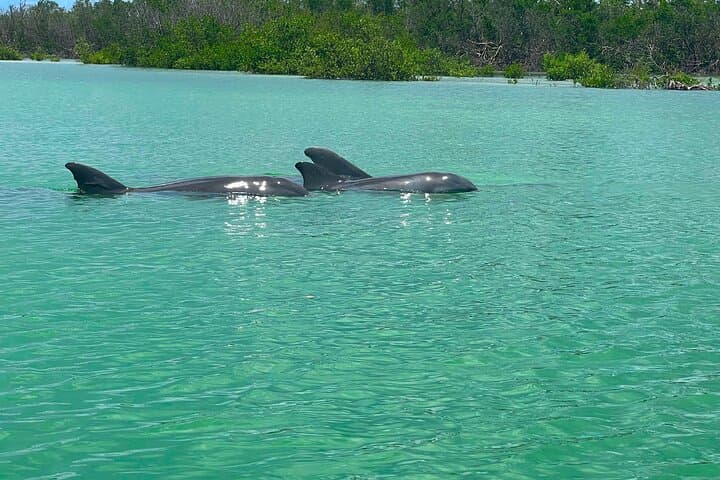
    Wild dolphins on Charlotte Harbor!

    Catamaran Cruises

    Tropical Tides Scenic Day Cruise - Public (opens in a new tab)

    Best Private TourFree cancellationInstant confirmation
    11 reviews

    Come aboard The Oasis and leave your worries on land! Bring your favorite drinks (cans only) and experience Charlotte Harbor’s most…

    1–2 hours

    Prices checked

    from $59

Five sites, four habitats, one small island

Wildlife Drive is the headline: four miles of one-way dike road with impoundments on one side and mangrove on the other, at 15 mph. Saltwater waders, white pelicans, spoonbills, raptors. Closed Fridays. Fees have been ten dollars per car, one dollar per bicycle or on foot.

Indigo Trail runs off the back of the Visitor and Education Center, about four miles there and back, and gives you the same water on foot with far fewer people. It is where the mangrove passerines are, and it closes on Fridays with everything else.

The Bailey Tract is the freshwater site, off Tarpon Bay Road in the island's middle. Free, no gate, sunrise to sunset, no Friday closure. About a hundred acres of ponds and flat paths holding stilts, gallinules, grebes, rails if you are lucky, and a great many alligators. The species list here barely overlaps with the Drive, which is the point.

The SCCF trail system on Sanibel-Captiva Road covers the interior ridge and wetland, including the Shipley and Pond Apple trails. Different again: woodland and river edge rather than open water.

Lighthouse Beach Park at the eastern point is the migration site. It is the first land on this stretch of coast for anything crossing the Gulf, and its small stand of trees and scrub can hold tired migrants in spring that you will not find elsewhere on the island. It is also good for terns, skimmers and gulls loafing on the point.

Use the tide, and use the car

Local tips

Two pieces of technique are worth more here than any amount of equipment.

Work the falling tide. The impoundments and flats along the Wildlife Drive drain with the Gulf. As the water drops, fish and crustaceans concentrate into shrinking pools and every wading bird within reach comes to the edge to feed. Arrive within about two hours after high water. A dead low tide is quiet because the birds have eaten; a high tide is quiet because they are scattered in the mangrove.

Stay in the car. This is counter-intuitive for anyone used to walking a reserve, but along the Drive the vehicle is a hide. Birds that will not tolerate a person on foot at eighty yards will feed at twenty from a stationary car. Switch off the engine, wind the window down, and rest the lens or the binoculars on a rolled-up jacket rather than on the door frame. Getting out flushes the bird you were watching and also the birds everyone behind you was watching.

If you are on a bicycle, stop and stand still rather than dismounting noisily and walking closer. The same principle applies.

Take a scope if you own one. Much of the good feeding is a hundred yards out, and the light comes off the water hard. A scope and a bit of shade turn a distant white blob into a reddish egret in white morph.

Early morning beats late afternoon for light, heat and traffic, and in summer it beats it for thunderstorms too.

The birding year, month by month

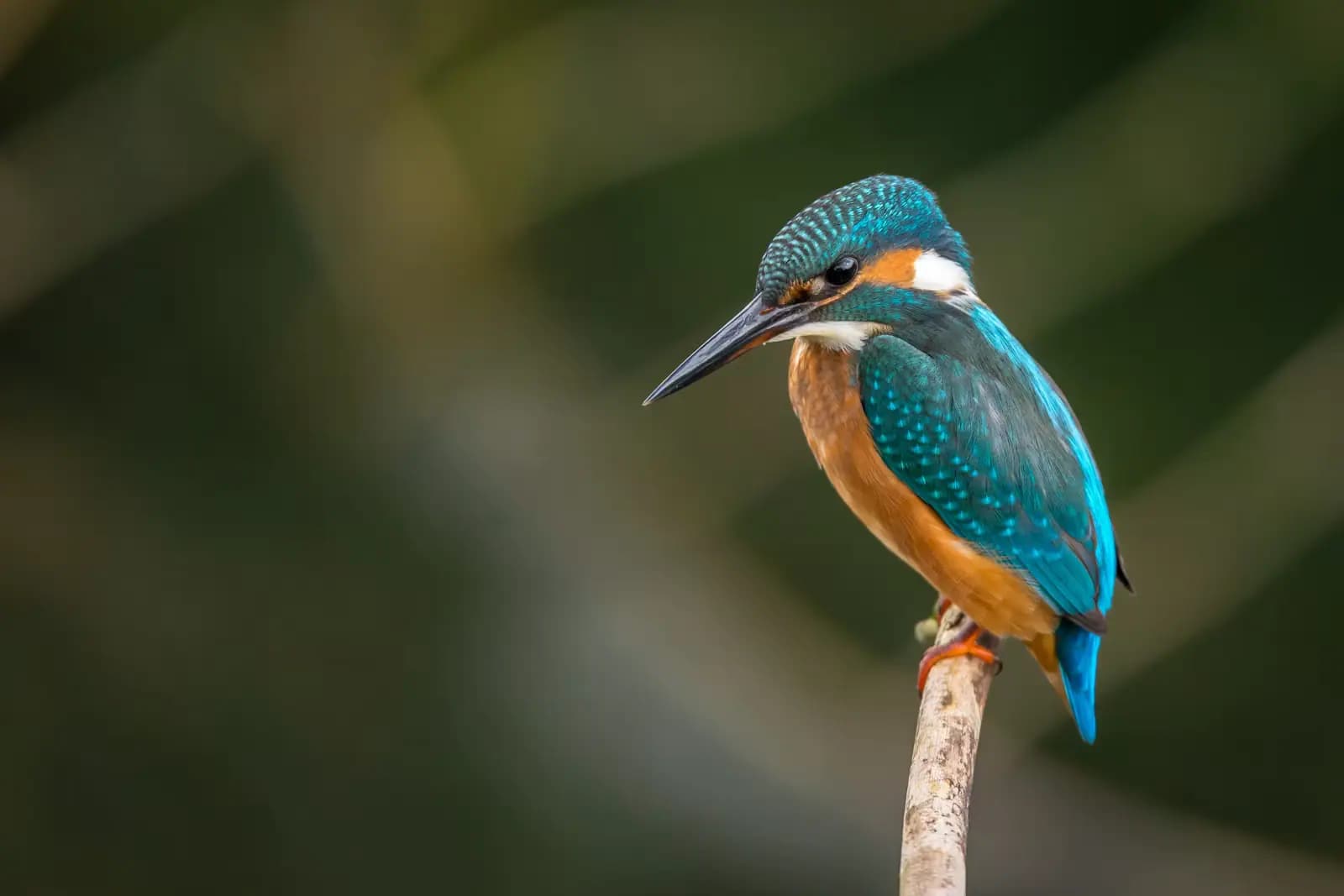
A fish-eating bird perched on a slim branch against a green backgroundUnsplash
A fish-eating bird perched on a slim branch against a green background

When to go

January to March. The peak, and not close. Winter residents, waterfowl and shorebirds overlap, water levels are low, the weather is comfortable and the light is good. White pelicans are here in number. Spoonbill adults are still present. This is when to come if you are coming for the birds and nothing else.

March to April. The turnover month. Spoonbill adults leave for their own breeding grounds while juveniles stay behind, so the pink you see gets paler. Ospreys are at their nesting peak. Black-necked stilts start nesting at the Bailey Tract. Snowy plover nesting on the Gulf beaches peaks in April, and the ropes go up. Spring migrants begin making landfall at the eastern point.

May to July. Hot, quiet and holding two specialities. Mangrove cuckoo sightings are most frequent in May, which is the one reason a serious birder books a Florida island in early summer. Yellow-crowned night herons nest through to June. Beach nesting is in full swing.

August to October. Low season: heat, afternoon storms, mosquitoes and hardly anybody on the Drive. Southbound shorebirds move through the flats, and turtle hatchlings start in August. It is uncomfortable and it is uncrowded.

November to December. The build-up. White pelicans arrive in increasing numbers, waterfowl return, temperatures drop into the pleasant range and the winter assemblage assembles. By Christmas it is very good indeed.

Practicalities a visiting birder will want

Getting between sites. More than twenty-five miles of shared-use path connect the refuge, the Bailey Tract, the SCCF trails and the beaches. A bicycle gets you into the Wildlife Drive for a dollar rather than ten, parks free at the beaches, and removes the parking problem entirely. It is also quieter than a car door.

Timing your week. Build the trip around tides first and the Friday closure second. Two falling tides in daylight per day is the norm, and one of them is usually at a civilised hour.

Biting insects. No-see-ums come off the mangrove at dawn and dusk on still, humid days and go straight through a mesh shirt. Repellent, and a breeze, are the only defences.

Heat. The refuge road has almost no shade and the beaches have none at all, because the shore faces south. In summer, be finished by ten.

Where the toilets are. Fewer places than you expect, and several facilities are still being rebuilt after 2022. Plan accordingly, particularly if you intend a four-mile out-and-back on the Indigo Trail.

Reporting sightings. The island has an active birding community and local records matter here, particularly for nesting shorebirds. If you find something unusual, or a disturbed nest, the conservation foundation would rather hear from you than not.

Book it

Everything else we track

Some links below go to Viator, our booking partner. We earn a commission on bookings made through them — at no extra cost to you, and with no influence on what we recommend.

  • Up close encounter with a friendly Manatee.

    Private and Luxury

    Guided Kayak Eco Tour - Bunche Beach (opens in a new tab)

    Free cancellationInstant confirmation
    244 reviews

    Paddle through mangrove tunnels, explore shallow bays, and cruise along the beach, all while taking in the wide variety of wildlife that…

    2–3 hours

    Prices checked

    from $69.95

The species people come here for

How they compare

SpeciesWhere to lookWhenNotes
Roseate spoonbillWildlife Drive impoundments, falling tideYear-round; adults leave in March, juveniles stayThe bird on every postcard. Feeds by sweeping, not stabbing
Reddish egretOpen flats along the DriveYear-round, best in winterWatch the behaviour, not the plumage: it staggers, shades the water with its wings and chases fish
American white pelicanSound side, visible from the DriveArriving in numbers October to DecemberEnormous, and they feed cooperatively in a line rather than diving
Mangrove cuckooMangrove edges, Indigo Trail, Wulfert KeysSightings most frequent in MayThe hard one. Heard more than seen, and the reason some birders come in May
Yellow-crowned night heronMangrove and the Drive's edgesNesting April to JuneCrab specialist, often standing still where you have already looked twice
Black-necked stiltBailey Tract pondsNesting from AprilFreshwater, not saltwater, which is why the Bailey Tract is a separate trip
Snowy and Wilson's ploversGulf beaches, in posted areasSnowy plover nesting peaks in AprilNest in open sand; this is what the ropes are for
OspreyChannel markers, poles and snags island-wideNesting peaks in MarchImpossible to miss and worth watching properly
Black skimmer and least ternBeach ends and sandbarsNesting through summerSkimmers feed at dusk, the lower mandible cutting the surface

Add a supporting cast of ibis, wood stork, tricoloured and little blue heron, anhinga, cormorant, willet, dowitcher and marbled godwit, with bald eagle and swallow-tailed kite overhead.

The nesting beaches, and where you may not walk

Before you book

The birds nesting on the open sand here are the ones a visiting birder is most likely to harm without meaning to.

Snowy plovers, Wilson's plovers, least terns and black skimmers lay directly on the beach. The eggs are the colour of shell fragments and are genuinely invisible until you are standing on them. Nesting areas are posted and roped through the season, and the conservation foundation's volunteers monitor them along with the turtle nests.

Stay outside the ropes. They are not advisory and the boundaries move year to year with the birds and the sand.

Walk the wet sand. Below the wrack line is where you are least likely to be near a nest or a chick, and chicks run to the dry sand for cover.

Read the birds. An adult that stands up, calls at you, or performs a broken-wing display is telling you that you are on top of something. Back away the way you came rather than continuing forward.

Keep dogs clear. Leashed dogs are permitted on the Sanibel city beaches, which is a privilege the island could lose. A dog through a colony flushes every adult off eggs at once, and on hot sand that is fatal within minutes.

Give roosting flocks room. A flock forced into the air repeatedly burns the energy it needs for migration. If the birds move as you approach, you were already too close.

On the ground

Where to go

Every place below has its own page — hours, parking, what it costs and what to expect when you get there.

  • A roseate spoonbill with pink wings spread standing in shallow water

    Nature preserve

    J.N. "Ding" Darling National Wildlife Refuge

    Around 5,200 acres of mangrove estuary named after a newspaper cartoonist, covering a large share of the island. Closed one day a week.

    1.5–5 hoursWildlife Drive costs $10 per vehicle, or $1 per cyclist and pedestrian over 15. The Bailey Tract is free.

  • A tight flock of white pelicans standing together in shallow water

    Wildlife

    Wildlife Drive

    Four miles, one way, through mangrove and tidal flat. Closed every Friday, and worth far more on a falling tide than a full one.

    1–3 hours$10 per vehicle, $1 per cyclist or pedestrian over 15, free for ages 15 and under.

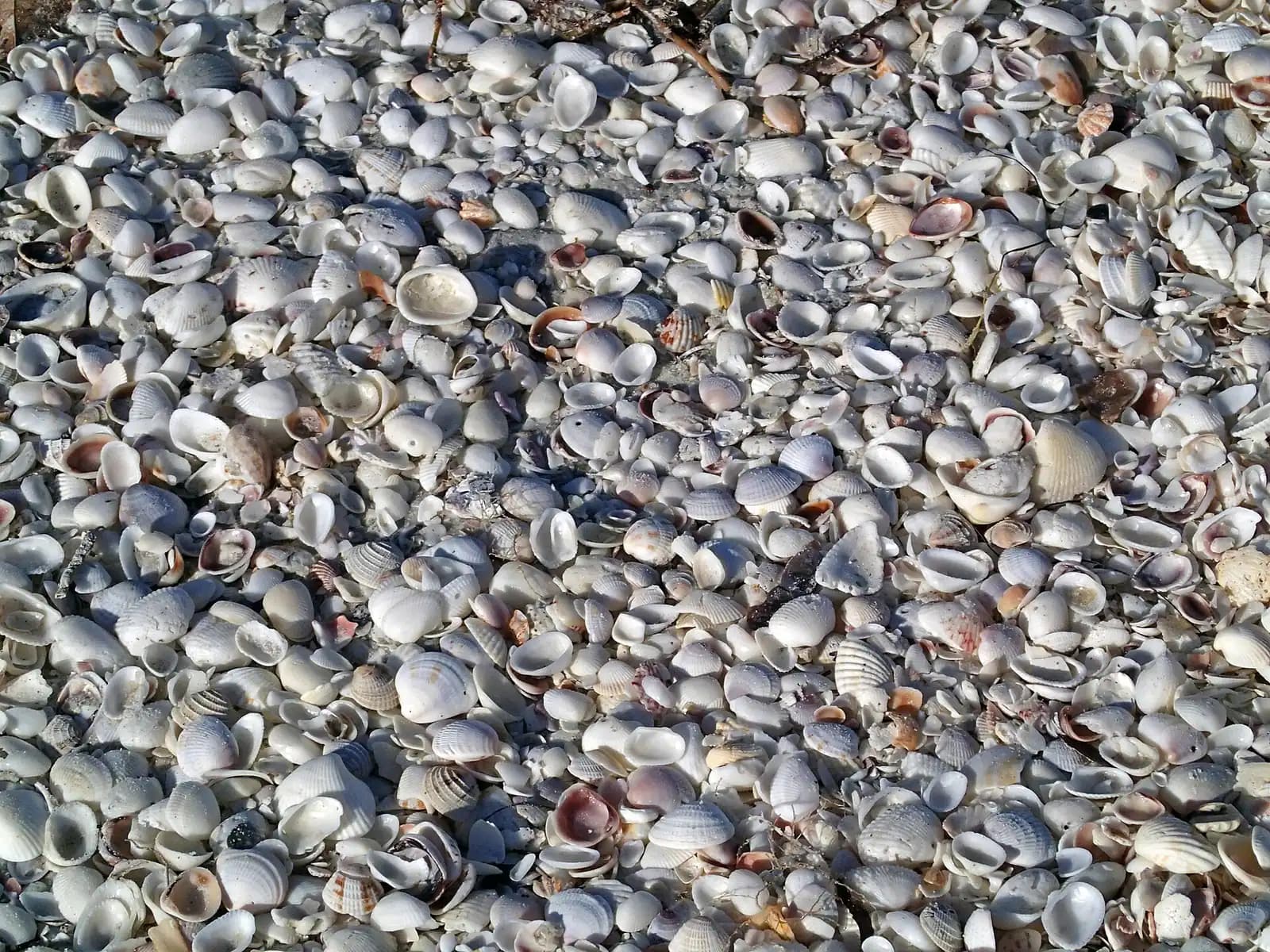
  • A dense bed of small pale seashells heaped together on wet sand

    Beach

    Lighthouse Beach Park

    Free

    The island's east point, where the Gulf beach and San Carlos Bay meet — and the biggest beach lot on Sanibel at 162 spaces.

    1.5–5 hoursBeach access is free. Parking is $5.00 per hour, enforced 24 hours a day.

  • Dense low wetland vegetation spreading out towards a distant treeline

    Nature preserve

    SCCF Nature Center and Erick Lindblad Preserve

    Free

    The foundation that has shaped this island since 1967 — with trails still partly closed and a public front door that has moved.

    1–2.5 hoursTrails are free and open sunrise to sunset. Parking at the trailheads is free.

  • Dense green woodland with light breaking through the upper branches

    Trail

    Shipley Trail

    Free

    A shaded interior trail from a 1890s homestead and native-plant nursery to the boardwalk where the city's Pond Apple Trail begins.

    0.5–2 hoursFree. Parking at the preserve is free too.

  • Red mangroves standing on their prop roots at the edge of a shallow saltwater channel

    Nature preserve

    Buck Key

    Free

    The mangrove island that shelters Captiva's back side — somewhere you paddle around rather than somewhere you step ashore.

    1.5–4 hoursFree to paddle. Kayak hire and guided trips are the cost.

  • A muddy tidal creek winding through low marsh grass on a grey, misty morning

    Trail

    Pond Apple Trail

    Free

    The island's wettest public trail, named for a tree that grows standing in water — and the closest walk to the causeway toll plaza.

    0.5–1.5 hoursFree, with no gate, no ticket and no staff.

  • Low evening sun across a wide expanse of tall golden marsh grass

    Neighbourhood

    Dixie Beach

    Free

    A residential lane to Sanibel's quiet bay shore that is not a public beach — and is one of the best roadside bird stops on the island.

    15–45 minutesFree, because there is nothing provided to charge for.

Straight answers

Questions people actually ask

Is Sanibel good for birding?

Very. More than 245 species have been recorded at the Ding Darling refuge alone, and the island holds four distinct habitats within twelve miles: tidal flats and mangrove on the north side, freshwater wetland in the middle, open Gulf beach on the south shore, and a wooded point at the eastern tip where Gulf migrants make landfall. Add a flat island, a shared-use path linking the sites and free access to several of them, and it is unusually easy birding.

When is the best time of year to go birding on Sanibel?

January to March is the peak. Winter residents, waterfowl and shorebirds overlap, water levels are low, temperatures are comfortable and white pelicans are here in numbers. March and April bring nesting: ospreys, black-necked stilts at the Bailey Tract and snowy plovers on the beaches. May is the month for mangrove cuckoo. Summer is hot, stormy and quiet, though the southbound shorebird passage from August is genuinely good.

Where can you see roseate spoonbills on Sanibel?

The impoundments along Wildlife Drive in the Ding Darling refuge, on a falling tide. Adults are present year-round, though they depart for their own breeding grounds around March, leaving paler juveniles behind through the spring. Time your visit to within roughly two hours after high water, when the flats are draining and the fish are concentrating. At high tide the birds disperse into the mangrove and you will be looking at empty water.

Do I need to pay to go birding on Sanibel?

Not necessarily. The Bailey Tract off Tarpon Bay Road is free, open sunrise to sunset, has no Friday closure and holds a freshwater species set you will not find on the refuge road. Wildlife Drive has charged ten dollars per vehicle but only one dollar for anyone arriving by bicycle or on foot. Beach access costs only hourly parking, and bicycles park free. The single best birding day here can cost a couple of dollars.

What is the best way to photograph birds at Ding Darling?

Use the car as a hide. Along Wildlife Drive, birds that will not tolerate a person on foot will feed close to a stationary vehicle with the engine off. Rest the lens on a rolled jacket rather than the door frame, and do not get out, which flushes the bird for everyone behind you as well. Go early, work a falling tide, and bring more focal length than you think, since much of the feeding is a hundred yards out.

Are there parts of Sanibel's beaches where birders cannot walk?

Yes. Snowy plovers, Wilson's plovers, least terns and black skimmers nest directly on the open sand, and their nesting areas are roped and posted through the season, with boundaries that move year to year. Stay outside the ropes, walk the wet sand below the wrack line, and keep dogs well clear. If an adult stands up, calls or performs a broken-wing display, you are too close and should retreat the way you came.

Has the birdlife on Sanibel recovered from Hurricane Ian?

Broadly yes. The impoundments and tidal flats are natural systems and they repaired themselves far faster than the island's buildings did, and the refuge has been birding well for some time. Mangrove damage is still visible as dead grey stands in places. What lags is infrastructure: the Visitor and Education Center and some trails have closed for recovery work at various points, so check the refuge's own notices before planning a route around a particular boardwalk.