Skip to content
Menu

We earn a commission if you book through this link. You pay the same price.

Search

Things to Do

The Beaches of Sanibel

Last updated

Sanibel's public beaches compared: hourly parking, walk-in times, the current at Blind Pass, red tide, turtle season and why nobody sells you a chair.

A long empty beach of pale sand backed by low dune vegetation with no buildings in sightUnsplash

The first thing to understand about a Sanibel beach is which way it points. The island lies on an east-west axis, so its Gulf shore faces south and southwest rather than due west like almost every other beach in Southwest Florida. That one fact governs the day. The sun is on the sand from mid-morning until late afternoon with no relief from the island behind you, the water is shallow and gently shelving for a long way out, and the sunset happens at the far west end rather than straight out in front of wherever you happen to be standing.

The second thing is what is not there. Sanibel's charter describes the island as a barrier island sanctuary, and the 1974 city plan that followed capped buildings at three storeys, pushed them back from the shore and kept commerce off the beach. So there are no beach bars on the sand, no vendors working the tide line, no rows of rented loungers, no pier with a bait shop on it. You arrive over a dune crossover carrying whatever you intend to use. Visitors who come expecting the beach of a Gulf resort strip find this either a disappointment or the entire point, and there is not much middle ground.

Six public accesses do almost all the work. Lighthouse Beach Park wraps the eastern point and is the only one with a Gulf side, a bay side and a pass between them. Tarpon Bay Beach sits mid-island at the end of Tarpon Bay Road and is the easiest to reach by bicycle. Gulfside City Park, still called Algiers by islanders, is the quiet one down Algiers Lane. Bowman's Beach in the west is the big one, and the five-minute walk from its car park is why it stays pleasant. Blind Pass and Turner Beach face each other across the cut to Captiva. Alison Hagerup Beach Park sits at the north end of Captiva and is run by a different authority with different prices.

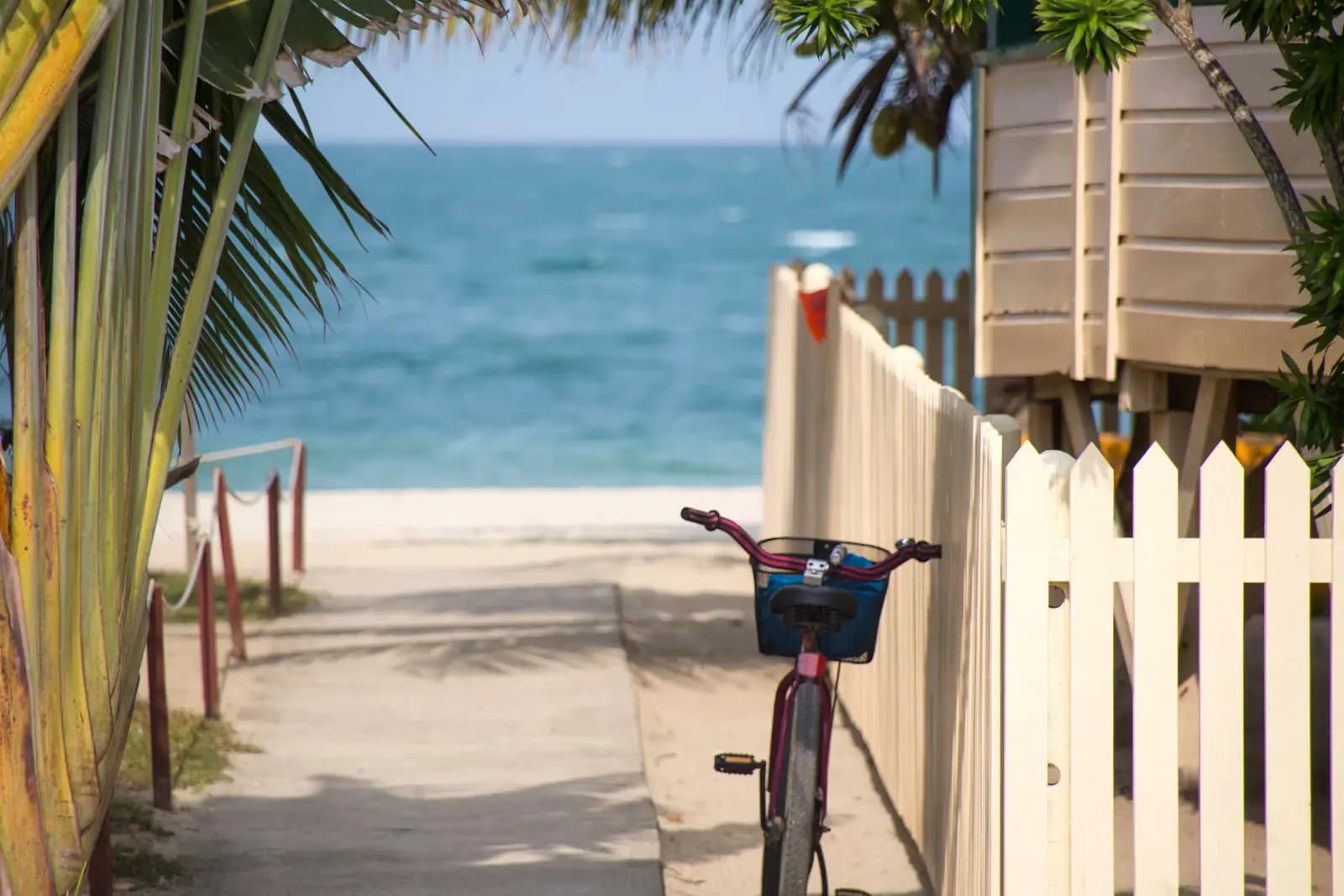
Parking is the only real cost, and it is charged by the hour rather than by the day. City of Sanibel lots have been running at five dollars an hour, enforced around the clock, and the pay stations that Hurricane Ian destroyed were never rebuilt, so payment is made by phone. Bring the app, not coins. Bicycles park free, which on an island with more than twenty-five miles of shared-use path is a genuine strategy rather than a nice idea.

Two honest warnings before you plan a week of it. There are no lifeguards on these beaches. And red tide, a bloom of the alga Karenia brevis, affects this coast periodically and can make the air unpleasant to breathe within minutes of arriving. Both are covered further down, because a beach guide that skips them is not a guide.

Our picks

The ones we would book

  • Editor's Pick

    Best way to reach the beaches with no road to them

    Why we chose it

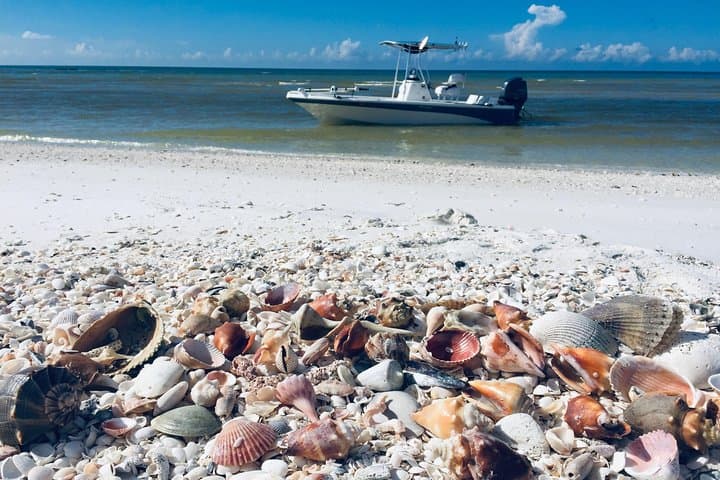
    Cayo Costa and the undeveloped islands north of Captiva have the sand Sanibel visitors imagine before they arrive: no lots, no crossovers, no other footprints. A half-day boat is the only way there. Ask how long you get ashore, because a twenty-minute photo stop and a two-hour landing are sold at similar prices.

  • Sunset

    Best use of the one hour this island organises itself around

    Why we chose it

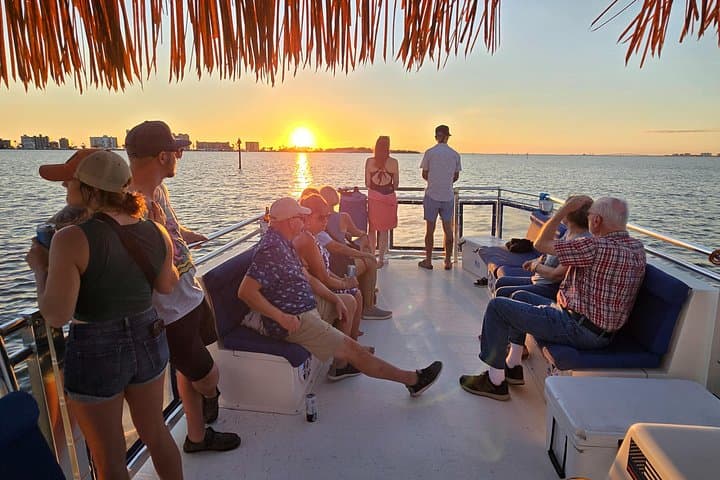
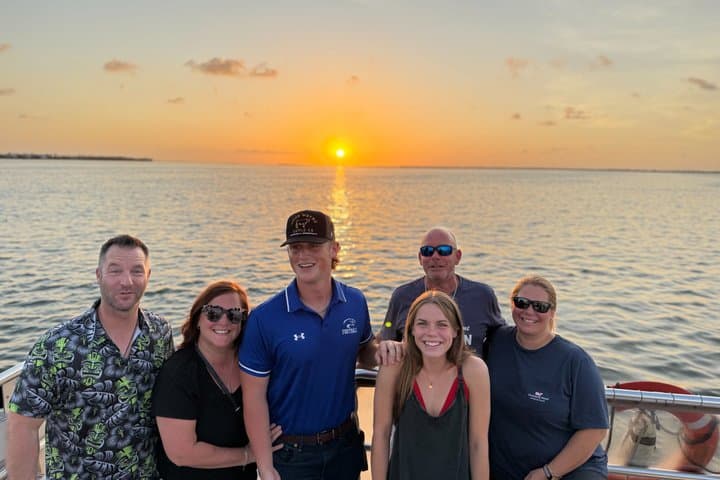
    Because the shore faces south, the sun goes down off the western end rather than in front of every beach, and the lots at Blind Pass fill accordingly. Getting on the water instead solves the parking and improves the view. Sailing times move with the sun through the year, so confirm the hour when you book rather than assuming a fixed evening slot.

  • Best for Families

    Best short trip when the beach has run its course

    Why we chose it

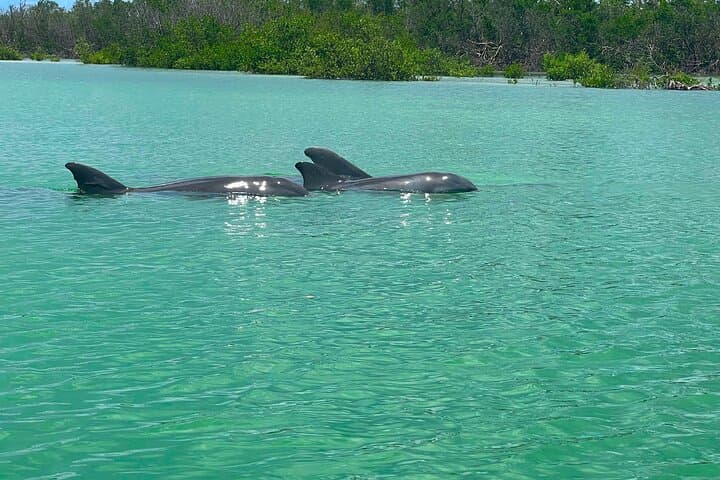
    Two hours or so on sheltered water behind the island, usually with dolphins inside the first mile and a landing to break it up. It is the right answer on the afternoon of day three, when small children have had enough sand and the Gulf side has gone choppy with the sea breeze.

  • Best Value

    Best cheap way off the sand and onto the water

    Why we chose it

    A kayak or paddleboard launched from the bay side puts you in the mangrove edges for a fraction of a charter, and the water back there stays flat when the Gulf will not. Morning is the window, before the breeze fills in. Stay clear of posted bird areas and give any raft of resting birds a wide berth.

  • Best Private Tour

    Best private boat for a beach day on your own clock

    Why we chose it

    Worth the money when the tide table and a nap schedule both have opinions. A private captain leaves on your hour, picks whichever island is fit that day, and sits at anchor for as long as you want ashore. Priced by the boat rather than the seat, so the sum works out once you are a party of six.

    Shelling Tours - Fort Myers Beach / Naples

    Short term availability

    Shelling Tours - Fort Myers Beach / Naples (opens in a new tab)

    Best Private TourFree cancellationPrivate tour
    80 reviews

    On this trip, Guests will be exploring the local Islands around Fort Myers and Naples area. The Islands are well known for their excellent…

    2 hours

    Prices checked

    from $350

Parking, and why it is charged by the hour

What it costs

Sanibel does not sell a day rate to visitors. Every city beach lot charges the same hourly figure, five dollars an hour at the time of writing, and the meters run through the night rather than stopping at dusk. That structure is deliberate: it turns over spaces in small lots on an island that decided long ago not to build large ones.

Payment is now entirely by phone. The pay stations that stood in these car parks were destroyed in 2022 and were not replaced, so set up the city's parking app before you cross the causeway rather than standing in a sandy lot trying to register. One useful quirk: a paid session generally travels with you between city parks while time remains on it, so a morning at Bowman's and an hour at Gulfside can come out of the same purchase.

Captiva plays by its own rules. Alison Hagerup Beach Park is operated by the Captiva Erosion Prevention District rather than the city, takes payment through a different system, and costs appreciably more per hour. Turner Beach, at the Captiva end of the bridge, is charged at the island rate and is mobile payment only.

Three ways to spend nothing. Cycle in, because bicycles are not charged. Walk in, if you are staying within reach. Or use the shared-use path to reach a beach access rather than driving from one lot to the next, which is how most residents do it.

Rates and systems change. Read the signage in the lot and treat every figure here, including these, as a starting point.

What a south-facing shore does to your day

Sunset over flat water with two low island profiles on the horizonUnsplash
Sunset over flat water with two low island profiles on the horizon

When to go

Because the island runs east to west, the Gulf beach looks south. That is unusual on this coast and it changes the shape of a beach day in three practical ways.

Sun, all day. There is no point in the afternoon when the island throws shade onto its own Gulf shore. On a north-south beach the light comes at an angle by four o'clock; here it is on you until it goes. Take an umbrella, or plan to be off the sand in the middle of the day.

Sunset is a destination, not a default. The sun sets over water at the western end of the island, which is why Turner Beach and Blind Pass fill up in the last hour of light and why the lots there are the hardest to get into at that time. From Lighthouse Beach at the east end you get an excellent sunrise instead, with the light coming up across San Carlos Bay.

The water is very shallow for a long way. The same gently sloping shelf that strands the shells means you can wade out a considerable distance. That is forgiving for small children and frustrating for anyone who wants to swim properly. It also means the water warms quickly, and by late summer the Gulf here is closer to bathwater than to refreshment.

One more consequence worth knowing. Because the shore faces the prevailing summer sea breeze square on, the afternoon chop builds here earlier than it does on a west-facing beach further up the coast.

What Ian left on the beach, and when things came back

Hurricane Ian crossed these islands on 28 September 2022 as a Category 4, and the beaches took a surge of ten to fifteen feet. Four years on, the sand itself looks much as it did. The edges do not.

The dune line was stripped and has been replanted in stages, which is why some crossovers run between young sea oats rather than mature vegetation and why the roped-off areas behind the beach are taken seriously. Several boardwalks and restroom blocks were rebuilt rather than repaired. The beach car park pay stations were written off and replaced by a phone system rather than new machines.

Reopening was staggered over years, not months. Lighthouse Beach Park came back in the middle of 2023. Turner Beach on Captiva did not reopen its car park until 25 April 2025, the last of the island beach accesses to return. The causeway's permanent reconstruction was substantially complete in May 2025, using something like 120,000 tons of granite armour stone, and work on the causeway islands has continued in phases since.

The most visible absence is at the eastern point. The fishing pier that stood at Lighthouse Beach was destroyed and a replacement is still being planned, with the city seeking public input on the design. Photographs of it are everywhere online, which catches people out. Go for the lighthouse, the pass and the sunrise, and do not travel expecting to fish from the end of a pier.

Book it

Everything else we track

Some links below go to Viator, our booking partner. We earn a commission on bookings made through them — at no extra cost to you, and with no influence on what we recommend.

Six ways onto the sand, and what each is for

How they compare

AccessWhereWalk from the carBest forThe catch
Lighthouse Beach ParkEastern point, end of Periwinkle WayShortSunrise, the lighthouse, watching boat traffic in the passSmaller, more broken shell; the fishing pier was destroyed in 2022 and has not been rebuilt
Tarpon Bay BeachMid-island, end of Tarpon Bay RoadShortCycling in, swimming, a straightforward afternoonSmall lot that fills first because it is the most central
Gulfside City ParkAlgiers Lane, mid-islandShortQuiet, shade at the picnic tables, fewer peopleModest parking and no view of the water from the road
Bowman's BeachWest end, off Sanibel-Captiva RoadAbout five minutes, over a bridgeShelling, long walks, leashed dogsThe walk is the whole point and also the whole complaint
Blind Pass and Turner BeachThe cut between Sanibel and CaptivaVery shortSunset, heavy shells, fishing off the jettySerious current by the bridge; no dogs on the Captiva side
Alison Hagerup Beach ParkNorth end of CaptivaShortThe far end of the chain, wide open sandRun by the Captiva Erosion Prevention District: different app, noticeably dearer

If you have one morning, take Bowman's. If you have one evening, take Turner. If you have a bicycle and no particular plan, take Tarpon Bay.

Nobody is going to sell you anything out here

What to bring

This is the section that saves the most trips back to the car. The public beaches on Sanibel carry no concessions, no chair hire, no umbrella rental and no food service. What you walk over the dune with is what you have.

  • Shade you can carry. An umbrella or a pop-up. The dune line gives no shade to the sand, and the sea grape behind it is out of bounds.
  • More water than you plan to drink. There is nowhere to buy a bottle at any of these accesses.
  • A mesh bag for shells. Empty ones only: live shelling has been illegal inside the city since 1995, the ban reaches half a mile offshore, and it covers sand dollars, sea stars and sea urchins as well as snails and bivalves.
  • Reef shoes or old trainers. A beach made of shell is lovely to look at and unkind to a bare heel, particularly around the pass.
  • Insect repellent for dusk. No-see-ums come off the mangroves on still, humid evenings and are worse than the mosquitoes.
  • A bicycle lock, if you are riding in. Every access has racks and they are used.
  • Cash is useless. Parking is by app, so bring a charged phone instead.

Two things to leave behind. Glass, which is prohibited on Florida beaches generally and a genuinely bad idea on sand full of shell. And beach furniture you intend to leave overnight in turtle season, which the island does not permit between May and October.

No lifeguards, and the one current that catches people

Before you book

Sanibel's beaches are not lifeguarded. That is not an oversight; it is the same decision as the missing concessions. Swim with someone, and keep an eye on children in the way you would on an unsupervised beach anywhere.

The specific hazard on this island is Blind Pass. The cut between Sanibel and Captiva funnels the whole tidal exchange of Pine Island Sound through a narrow gap, and near the bridge the bottom drops away quickly and the water moves hard on both the ebb and the flood. It looks like a gentle strip of beach. It is not. Fish it, shell it, watch the sunset from it, and swim well away from the bridge or not at all.

On the open Gulf beaches, the surf is usually small and the risk is different. Rip currents do form here, generally after a blow, and they are easiest to spot as a gap in the breaking waves or a streak of sandy water running seaward. If a rip takes you, do not fight it back towards the beach. Move across it instead, swimming along the shoreline until the pull releases you, then angle in. Check the flag at the access if one is flying.

Stingrays are the everyday nuisance rather than the serious danger. They lie in the shallows on warm days. Shuffle your feet rather than stepping down, and they will move out of the way.

Red tide, and how to check before you drive over

Before you book

Red tide is the honest caveat on any Southwest Florida beach page, and pretending otherwise costs readers a holiday.

It is a bloom of a naturally occurring single-celled alga, Karenia brevis, that lives offshore in the Gulf and periodically concentrates near shore. When it does, two things happen. Fish die and wash up, sometimes in large numbers, and the surf releases a toxin into the air that irritates the eyes, nose and throat. Healthy people usually get a cough and streaming eyes; anyone with asthma or another respiratory condition can be affected considerably more. It is not the same thing as the seaweed that turns up on Atlantic beaches, and it cannot be seen from the causeway.

Blooms are unpredictable and patchy. One beach can be unpleasant while another two miles along the same island is fine, and conditions change within a day as the wind shifts. Late summer into winter is the more common window, but there is no season you can rely on.

Check before you commit to a drive. Florida's wildlife agency publishes a current status map for the whole coast, and beach-condition reporting for individual Southwest Florida beaches is updated through the day in season. If the air at the access makes you cough within a minute of arriving, do not tough it out. Go to the refuge, the bay side or indoors, and try again tomorrow.

Turtle season and the island after dark

Before you book

Loggerheads nest along this shore from roughly May into October, with hatchlings emerging from around August, and green turtles nest here in smaller numbers. Monitoring is done by the Sanibel-Captiva Conservation Foundation, whose volunteers walk the beaches through the season and mark nests.

What that means for a visitor is mostly about light. Hatchlings orient by the brightest horizon, which should be the sea. A phone screen, a torch or a lit window behind the dune sends them inland, where they die. During the season the island expects lights out on the beach at night: no white torches, no flash photography, and screens turned away. If you want to walk the beach after dark, use a red light or none at all, and know your way back to the access before you set off.

The rest is straightforward. Fill in any hole you dig before you leave, because a hatchling that drops into one at night will not climb out. Knock down sandcastles. Take beach furniture off the sand at the end of the day rather than leaving it overnight. Keep clear of marked nests and do not touch the stakes.

If you come across a nesting turtle, a crawl of hatchlings or an animal in trouble, stand well back, keep the light off and call it in rather than intervening. The island would far rather field an unnecessary report than miss a real one.

On the ground

Where to go

Every place below has its own page — hours, parking, what it costs and what to expect when you get there.

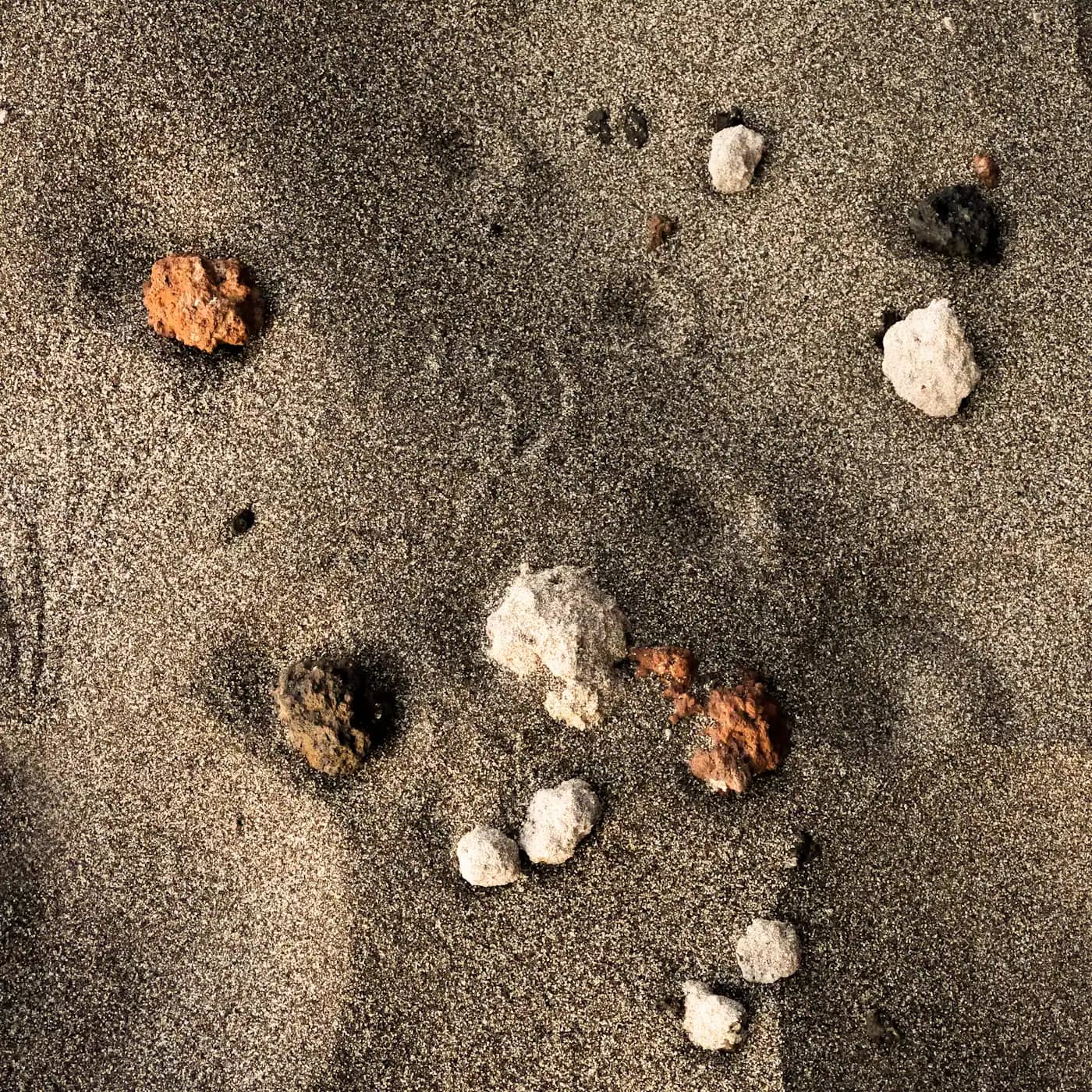
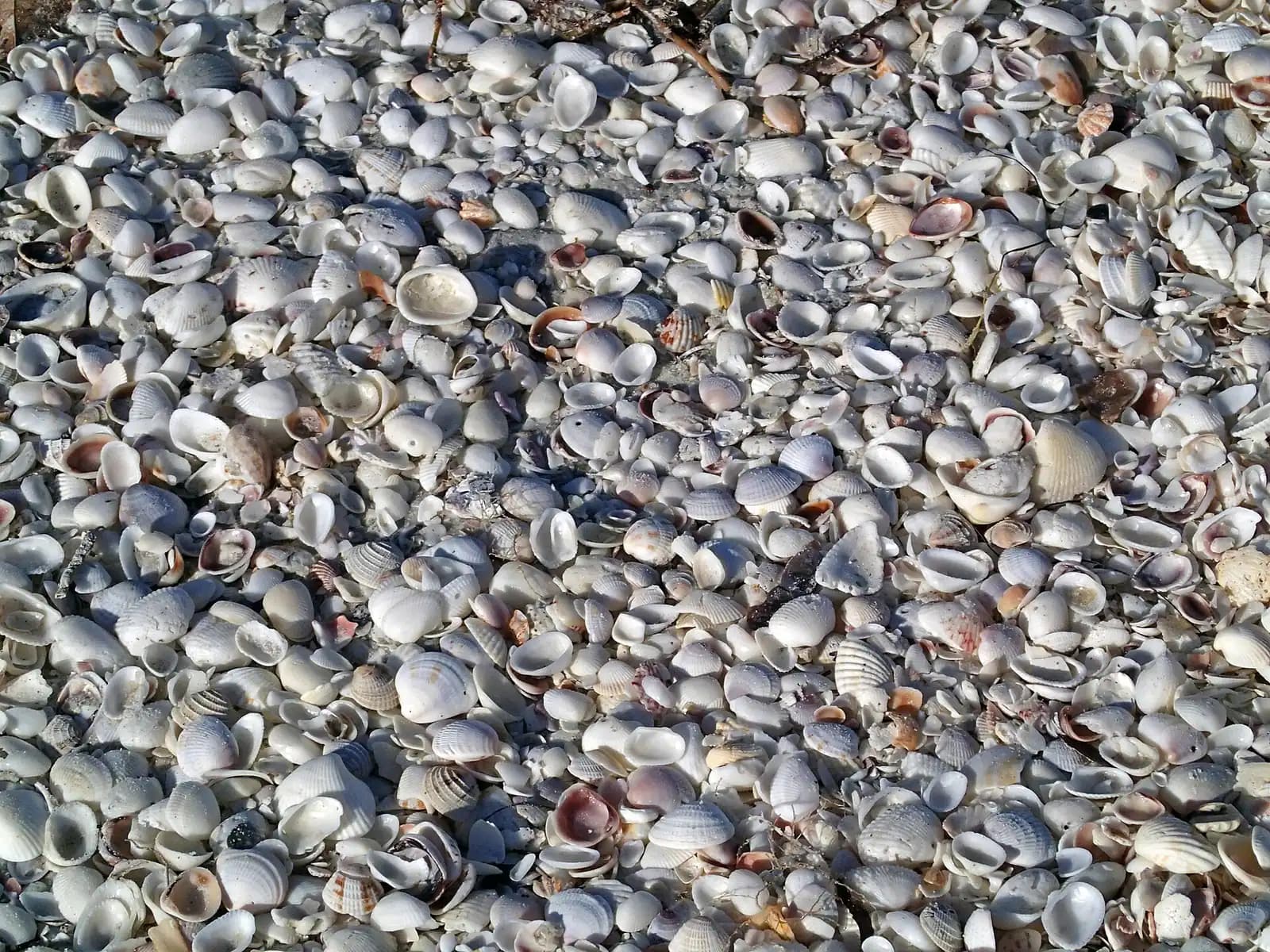
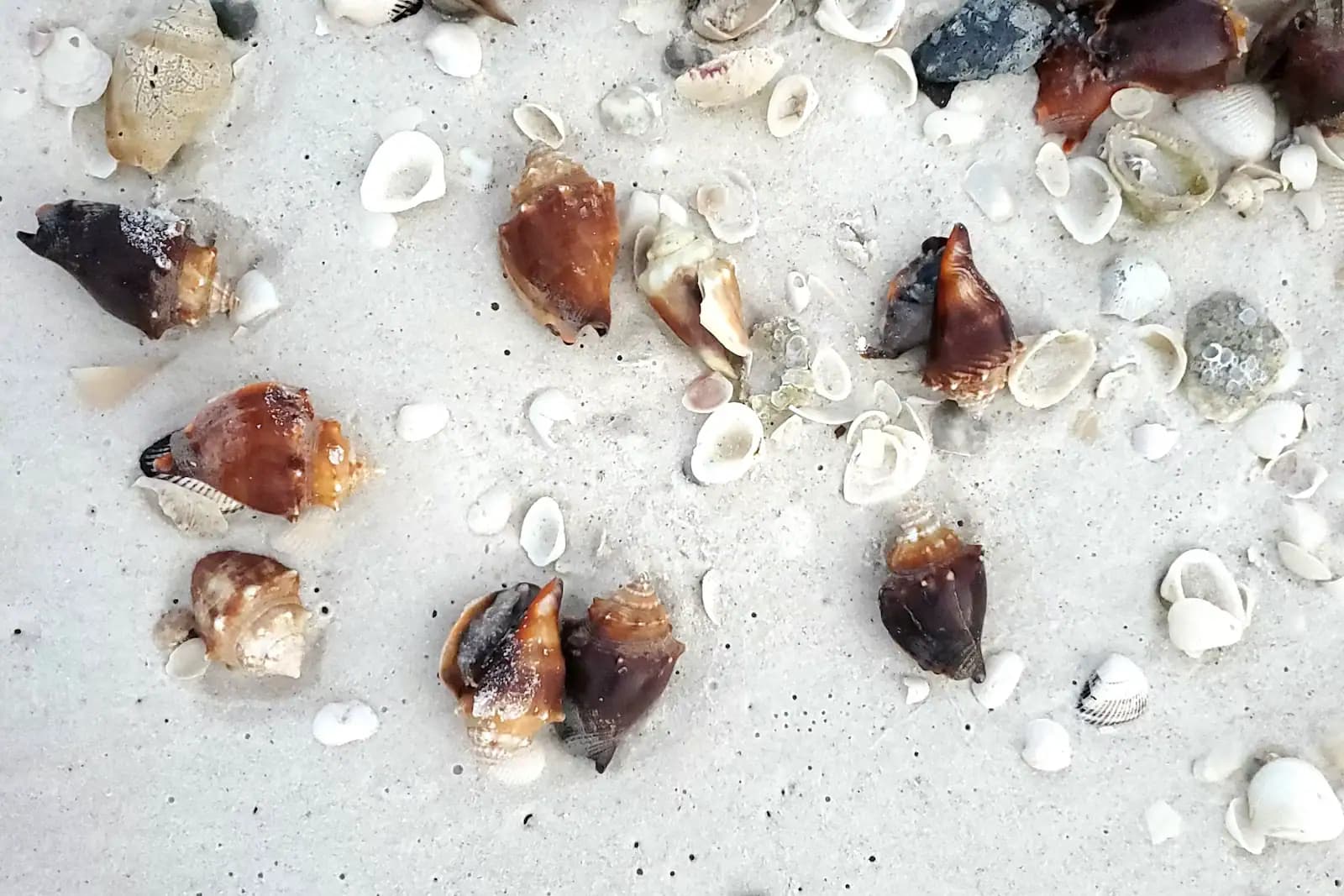
  • A scatter of small shells and pebbles part-buried in damp grey sand

    Beach

    Bowman's Beach Park

    Free

    The island's largest lot, and a quarter-mile walk over a bayou footbridge before you reach sand. The walk is what keeps it empty.

    2–6 hoursFree to enter. Parking is $5.00 per hour, enforced 24 hours a day.

  • A long empty beach of pale sand backed by low dune vegetation with no buildings in sight

    Park

    Cayo Costa State Park

    Nine miles of state-park beach with no bridge, where the tide line rebuilds itself between boats instead of being picked over by nine.

    4–8 hoursFlorida state park entry fee, usually collected on arrival; the boat fare is a separate and much larger cost.

  • The gallery and lantern room of a lighthouse seen from below, framed by palm fronds against a bright sky

    Landmark

    Sanibel Island Lighthouse

    Free

    An iron skeleton tower first lit in 1884, dark after Ian and burning again since February 2023. You can walk to it, not up it.

    0.5–2 hoursFree to visit the grounds. Parking is $5.00 per hour, enforced around the clock.

  • An angler casting a line from a rocky shoreline into moving water at dusk

    Water feature

    Blind Pass

    Free

    The narrow gap between Sanibel and Captiva, where tidal current does the sorting — and where the swimming that looks inviting is not.

    1–3 hoursFree to visit. Parking on either side is a paid City of Sanibel session by the hour.

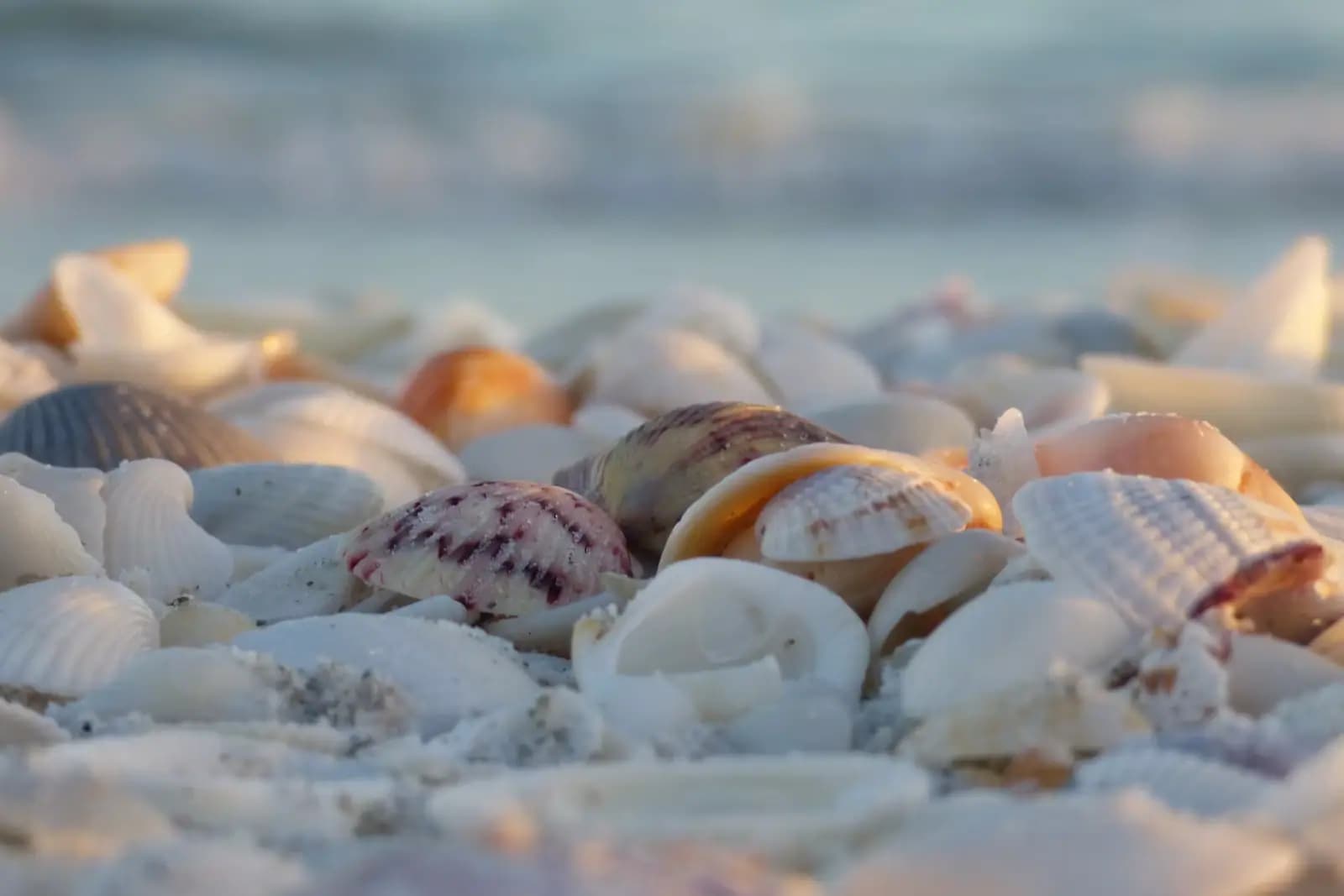
  • A dense bank of small dark and pale shells piled together on wet beach sand

    Beach

    Blind Pass Beach Park

    Free

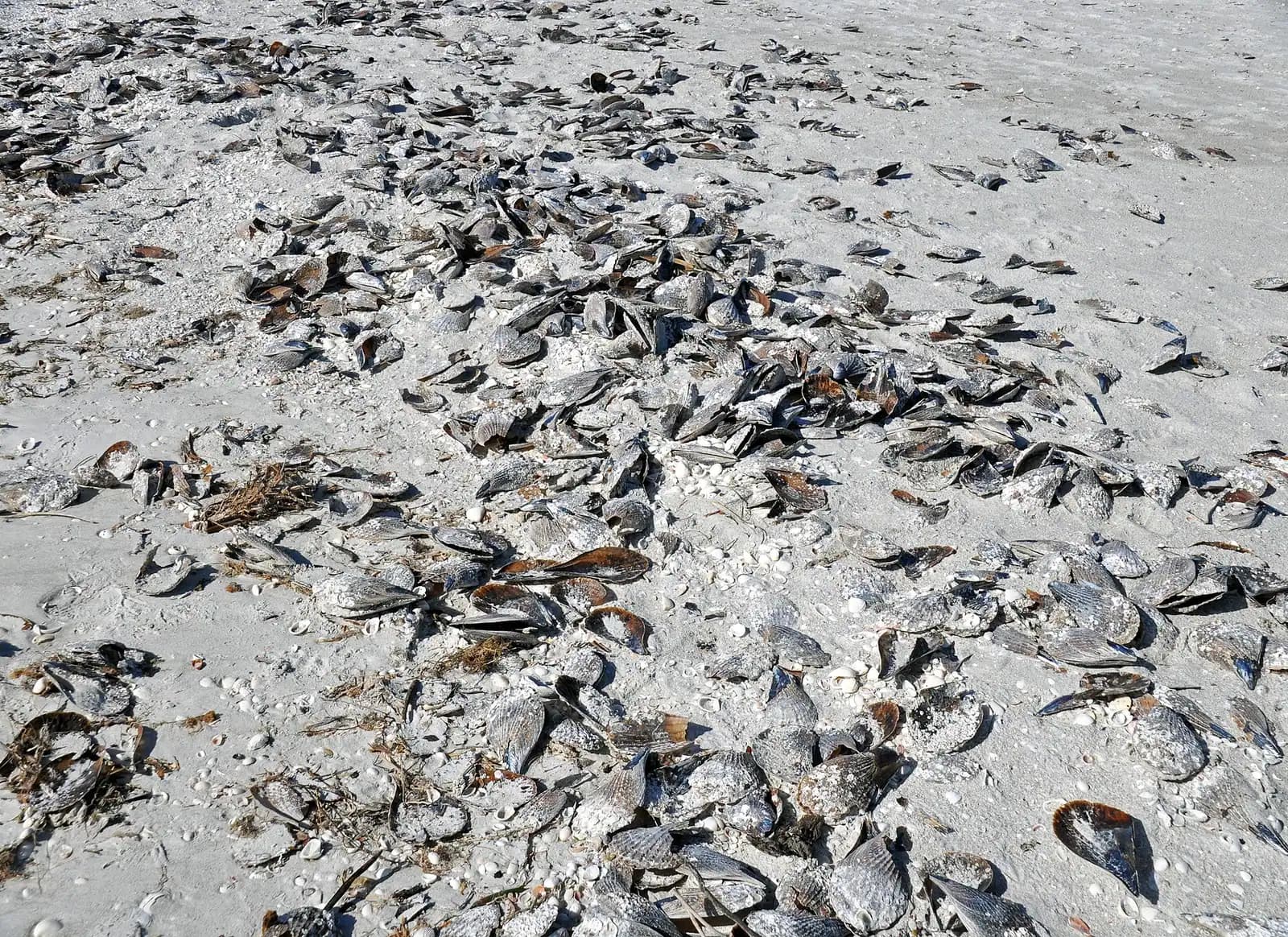
    The island's densest shell beds and a posted no-swimming warning, caused by the same thing: the current running through the pass.

    1–3 hoursFree to enter. Parking is $5.00 per hour in a 29-space lot, enforced 24 hours a day.

  • Low wooden storefronts with corrugated roofs along a quiet two-lane road in a small coastal settlement

    Neighbourhood

    Captiva Island

    Free

    A different island across a 200-foot pass: one road, one village, no dogs on the sand and parking that costs several times Sanibel's.

    3–8 hoursNo charge to visit. Parking is the real cost, and it varies by which authority runs the lot.

  • A dense bed of small pale seashells heaped together on wet sand

    Beach

    Lighthouse Beach Park

    Free

    The island's east point, where the Gulf beach and San Carlos Bay meet — and the biggest beach lot on Sanibel at 162 spaces.

    1.5–5 hoursBeach access is free. Parking is $5.00 per hour, enforced 24 hours a day.

  • A long fixed highway bridge arcing over a wide tidal river under a pale sky

    Landmark

    Sanibel Causeway

    Three bridges, two man-made islands, one toll charged in a single direction, and the only place you can park at the water's edge.

    0.5–3 hoursToll charged island-bound only — recently around $6 with a transponder and $9 by plate. Free leaving the islands.

  • Aerial view of a pale sandy point at the end of a low wooded island, with small boats in the shallows

    Beach

    Turner Beach Park

    Free

    On Captiva, run by Sanibel, and the last of the island beach parks to reopen after Ian — in April 2025.

    1–3 hoursFree to enter. Parking is $5.00 per hour in a 28-space lot, enforced 24 hours a day.

  • A sandy path running beneath an arch of overhanging coastal trees

    Beach

    Gulfside City Park (Algiers Beach)

    Free

    Locals call it Algiers. A shaded pavilion, a gently shelving shore, and only 46 spaces to fight over.

    2–6 hoursNo entry charge. The 46-space lot costs $5.00 an hour, charged around the clock.

  • An empty wide sand beach backed by dune vegetation with small surf offshore

    Beach

    Alison Hagerup Beach Park

    Free

    Captiva's north-end public beach, where the parking pays for the sand you are standing on and an all-day space costs more than lunch.

    1.5–5 hoursNo admission charge. Parking is paid by the hour or by the day and is the most expensive on either island.

  • An empty stretch of Gulf beach with a low dune line and no buildings in sight

    Beach

    Silver Key

    Free

    An undeveloped mile of Sanibel's west end with no car park and no facilities, which is why the tide line is still intact at nine.

    1.5–4 hoursFree. The cost is the parking session at whichever lot you walk in from.

  • Clear shallow water over a rippled pale sand bottom seen from directly above

    Beach

    Tarpon Bay Road Beach Park

    Free

    Under an acre of Gulf access in the middle of the island, with the car park a quarter-mile back up the road.

    1–4 hoursFree to enter. Parking is $5.00 per hour at the lot a quarter-mile north.

Straight answers

Questions people actually ask

Which Sanibel beach should a first-time visitor choose?

Bowman's Beach, at the west end off Sanibel-Captiva Road, if you want the island at its best: a five-minute walk from the car park, miles of undeveloped sand and the strongest shelling reputation. Tarpon Bay Beach is the easiest mid-island option and the simplest to cycle to. Lighthouse Beach Park at the eastern point is the one to pick for sunrise, the lighthouse and watching boats work through the pass.

How much is beach parking on Sanibel Island?

City of Sanibel beach lots charge by the hour, five dollars an hour at the time of writing, and enforcement runs around the clock rather than stopping in the evening. Payment is through the city's mobile system, because the pay stations destroyed in Hurricane Ian were not replaced. A paid session usually transfers between city parks while time remains. Alison Hagerup Beach Park on Captiva is run separately and costs more. Bicycles park free.

Are there lifeguards on Sanibel beaches?

No. None of the island's public beaches is lifeguarded, so treat every swim as unsupervised. The surf is usually small and the bottom shelves very gently, which makes the open Gulf beaches forgiving for children on a calm day. The exception is Blind Pass, where the bottom drops off quickly near the bridge and the tidal current runs hard in both directions. Swim well away from the bridge there, or not at all.

Can you swim at Blind Pass or Turner Beach?

Not safely near the bridge. The pass between Sanibel and Captiva carries the tidal exchange of a large sound through a narrow gap, and the water moves fast on both the ebb and the flood while the bottom drops away sharply. It is a fine place to shell, to fish from the rock jetty and to watch the sun go down. If you want to swim, walk well down the beach away from the bridge and the jetty.

Are dogs allowed on Sanibel beaches?

On Sanibel, leashed dogs are generally permitted at the city beach accesses, including Bowman's Beach, which makes the island unusually accommodating by Southwest Florida standards. Captiva is different: dogs are not permitted at Turner Beach. Rules vary by park and by season, so read the signage at the access. Keep dogs off marked turtle nests and away from resting birds, and carry water, since the sand gets hot enough to hurt paws.

What is red tide and will it affect my trip to Sanibel?

Red tide is a bloom of the alga Karenia brevis, which occurs naturally offshore in the Gulf and sometimes concentrates near the beach. When it does it kills fish and releases a toxin into the surf spray that irritates eyes and throats; people with asthma can be affected badly. Blooms are patchy and unpredictable, and more common from late summer into winter. Check the state's current status map and same-day beach condition reports before driving over.

Is there anywhere to buy food or rent a chair on Sanibel beaches?

No. The public accesses have no concessions, no chair or umbrella hire and no vendors on the sand. That is a consequence of the island's 1974 plan, which kept commerce off the shore and capped building height. Bring shade, water and whatever you intend to sit on. Restaurants and shops are back along Periwinkle Way and Sanibel-Captiva Road rather than at the beach, so plan the trip as a self-contained outing.

When is turtle nesting season on Sanibel and what does it mean for visitors?

Loggerheads nest along these beaches from about May into October, with hatchlings emerging from roughly August. The practical effect is light discipline: no white torches, no flash photography and screens turned away from the sand after dark, because hatchlings orient towards the brightest horizon and a phone sends them inland. Fill in holes, flatten sandcastles and take furniture off the beach at night. Nests are marked by conservation volunteers and should not be disturbed.

Can you still walk out on the Sanibel fishing pier?

No. The pier at Lighthouse Beach Park was destroyed by Hurricane Ian in September 2022 and has not been rebuilt. The city has been seeking public input on a replacement, but nothing had opened as of 2026. Older photographs of the pier circulate widely online and catch visitors out. Lighthouse Beach Park itself reopened in mid-2023 and is well worth visiting for the lighthouse, the bay side and the sunrise over San Carlos Bay.

How do you get between the Sanibel beaches without a car?

By bicycle, which is how a good share of residents do it. More than twenty-five miles of shared-use path run beside the island's roads and connect every public beach access, the refuge and the shops. Bicycles are not charged at the beach car parks, which makes a rental cheaper than a day of hourly parking. The island is flat, there are no traffic signals, and the path is separated from traffic almost the whole way.