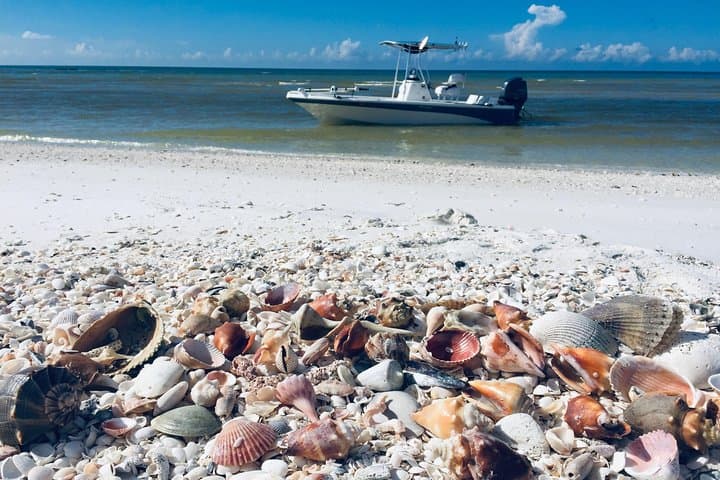
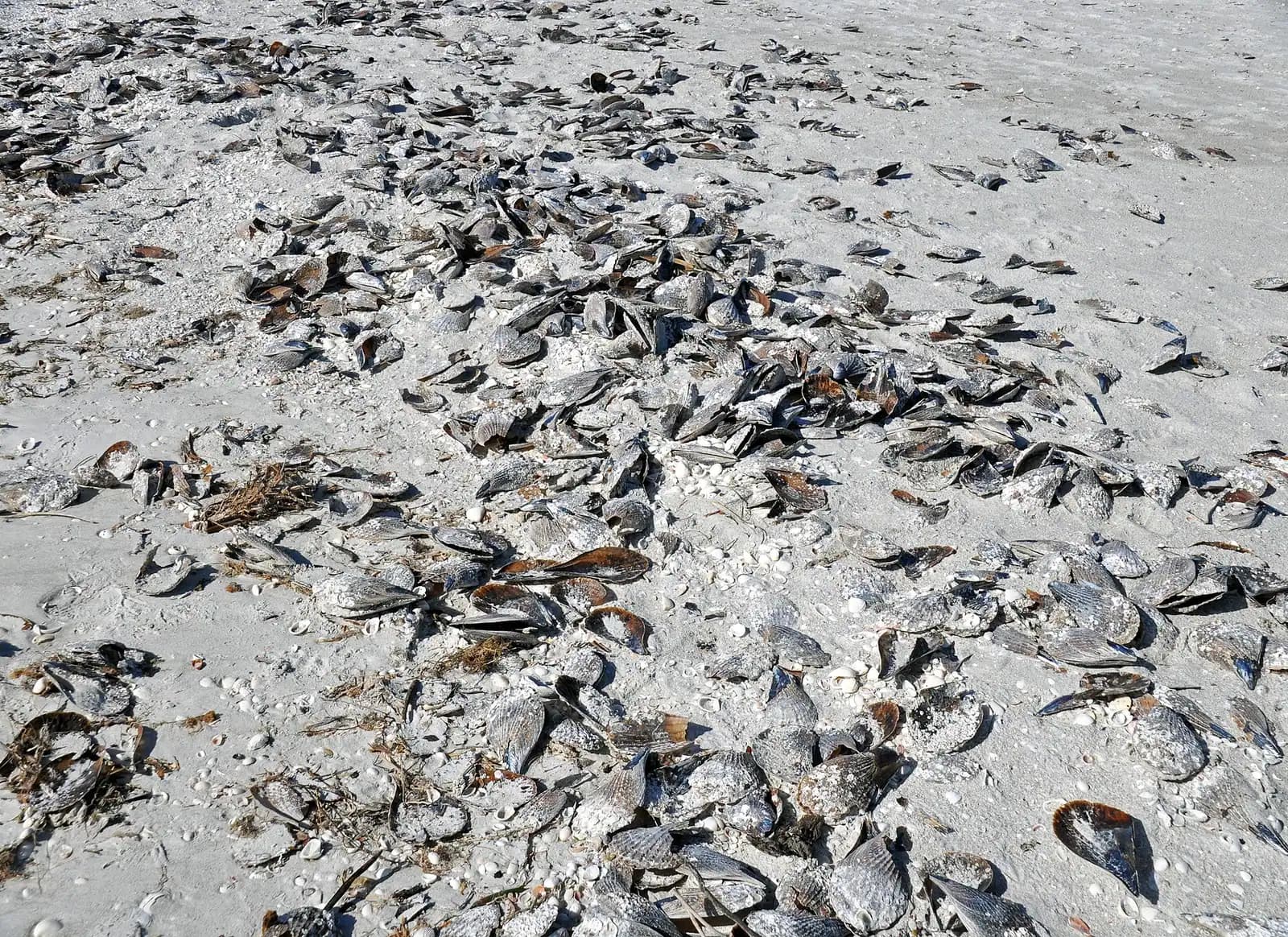
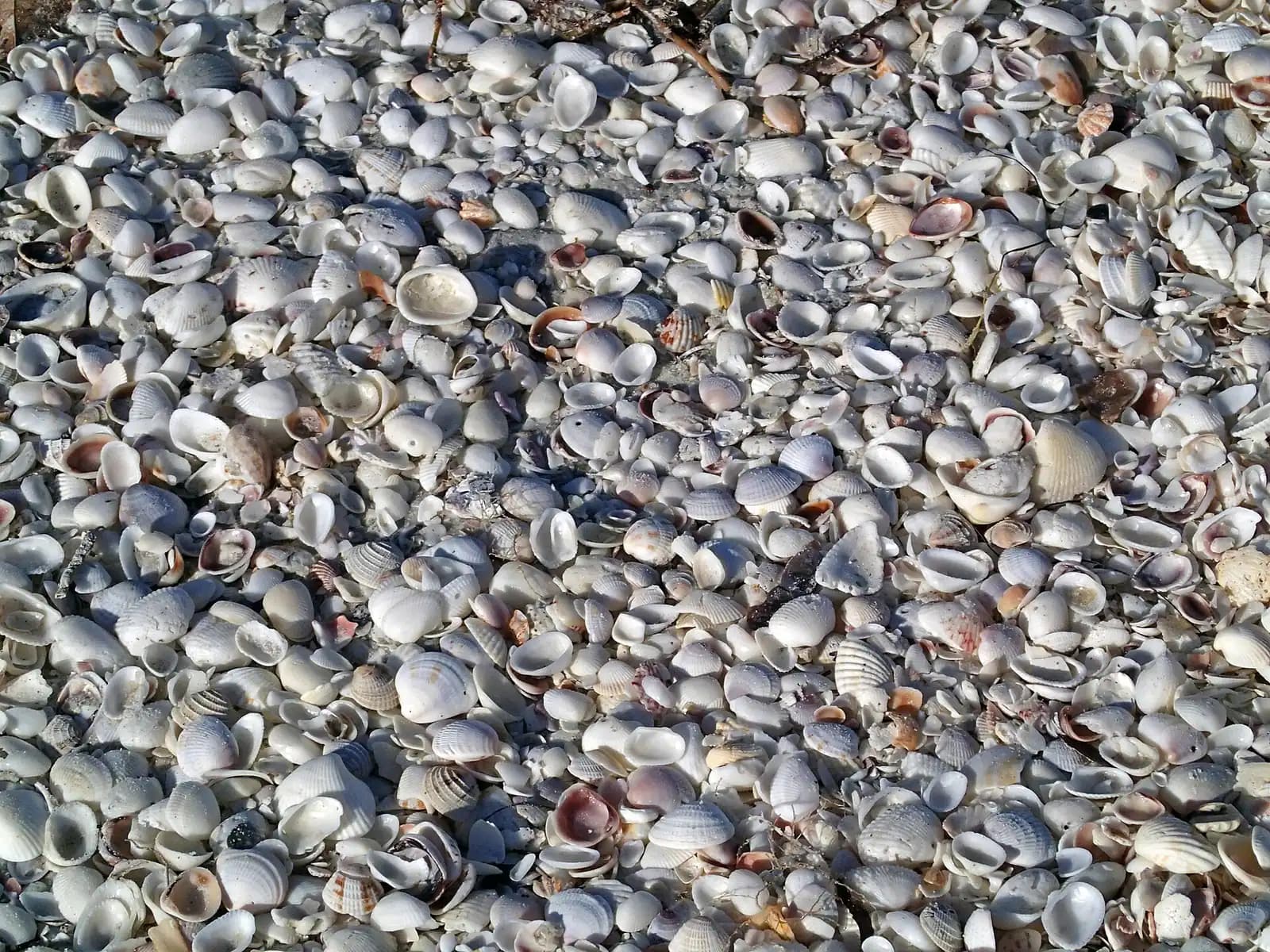
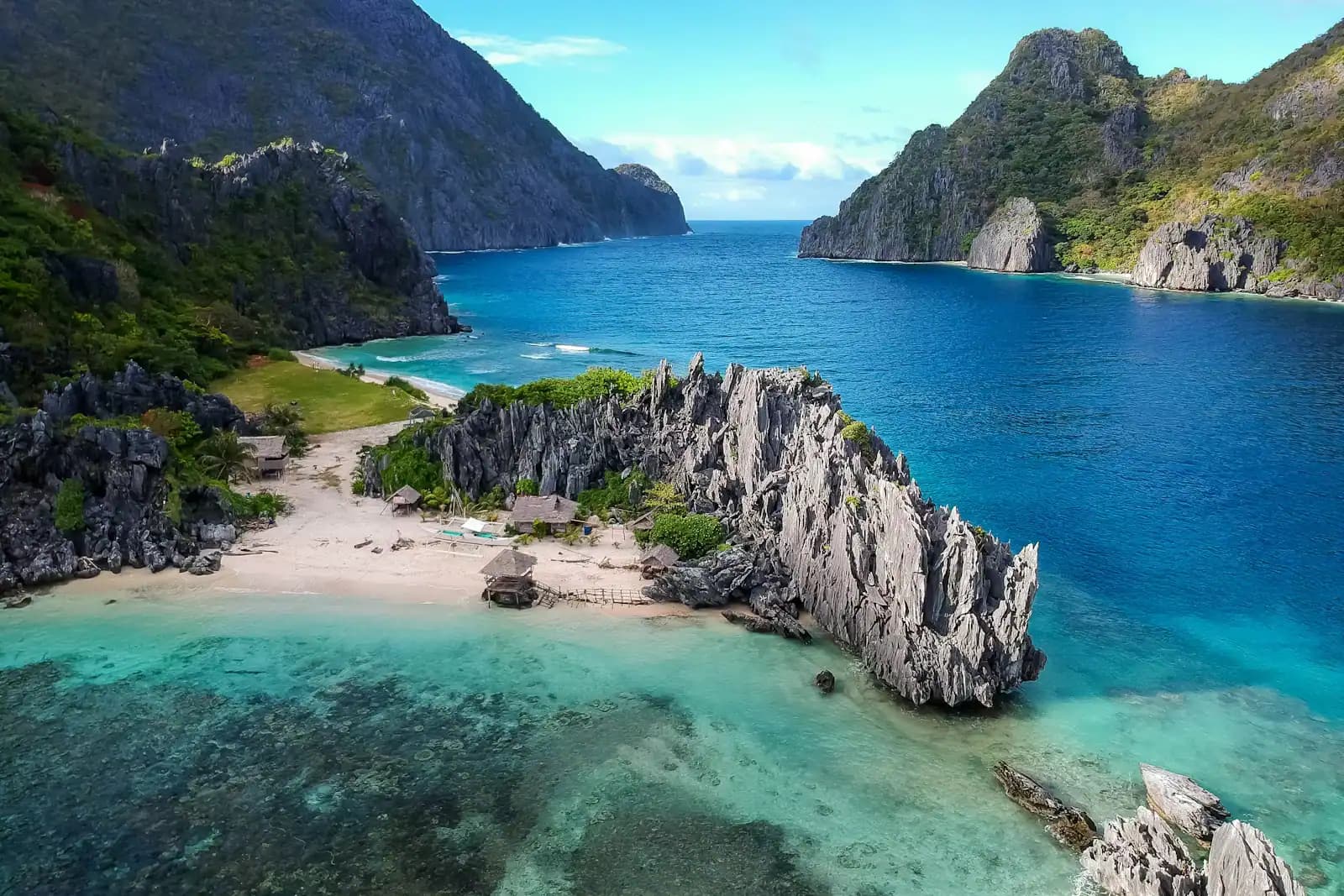
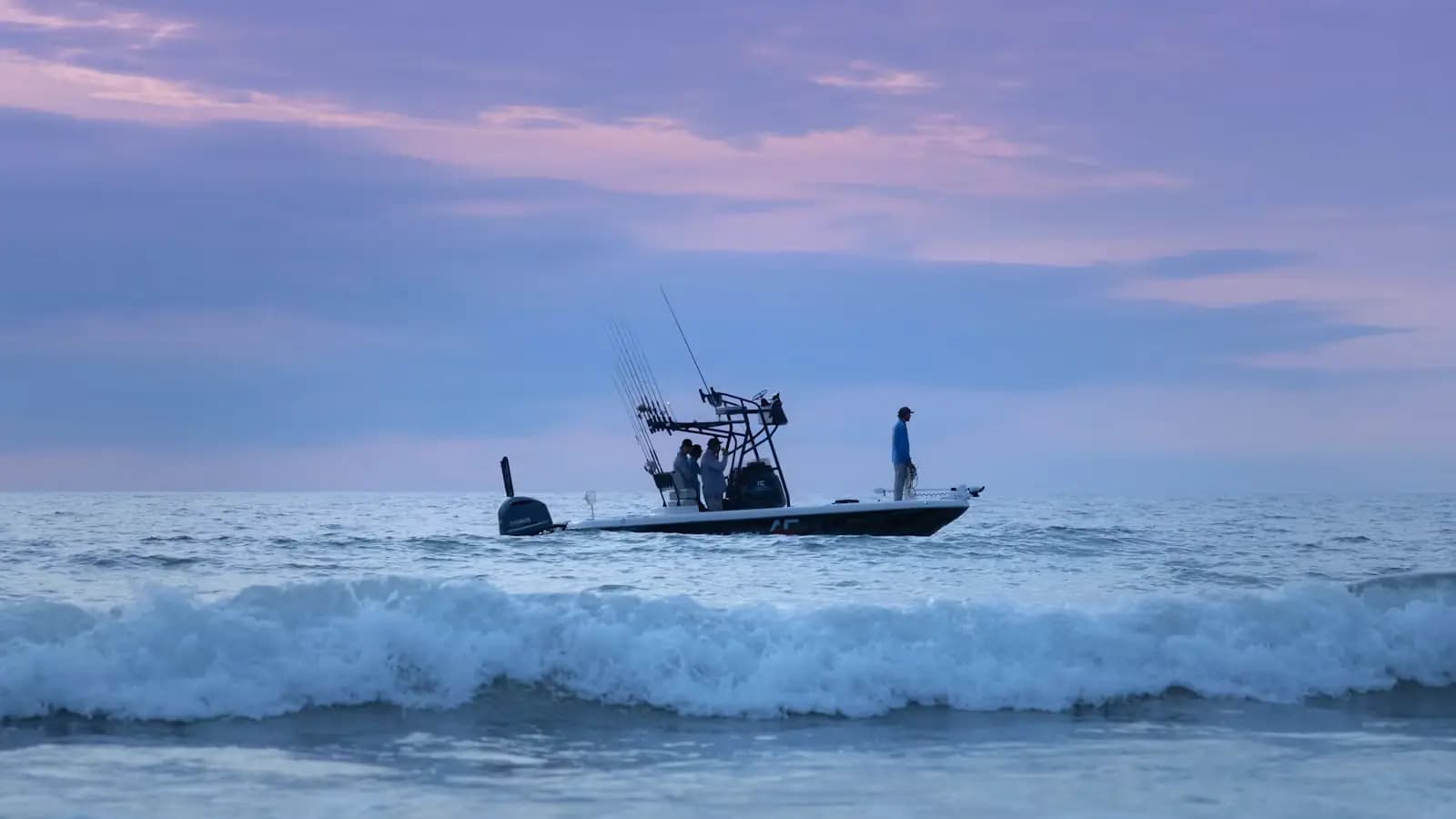
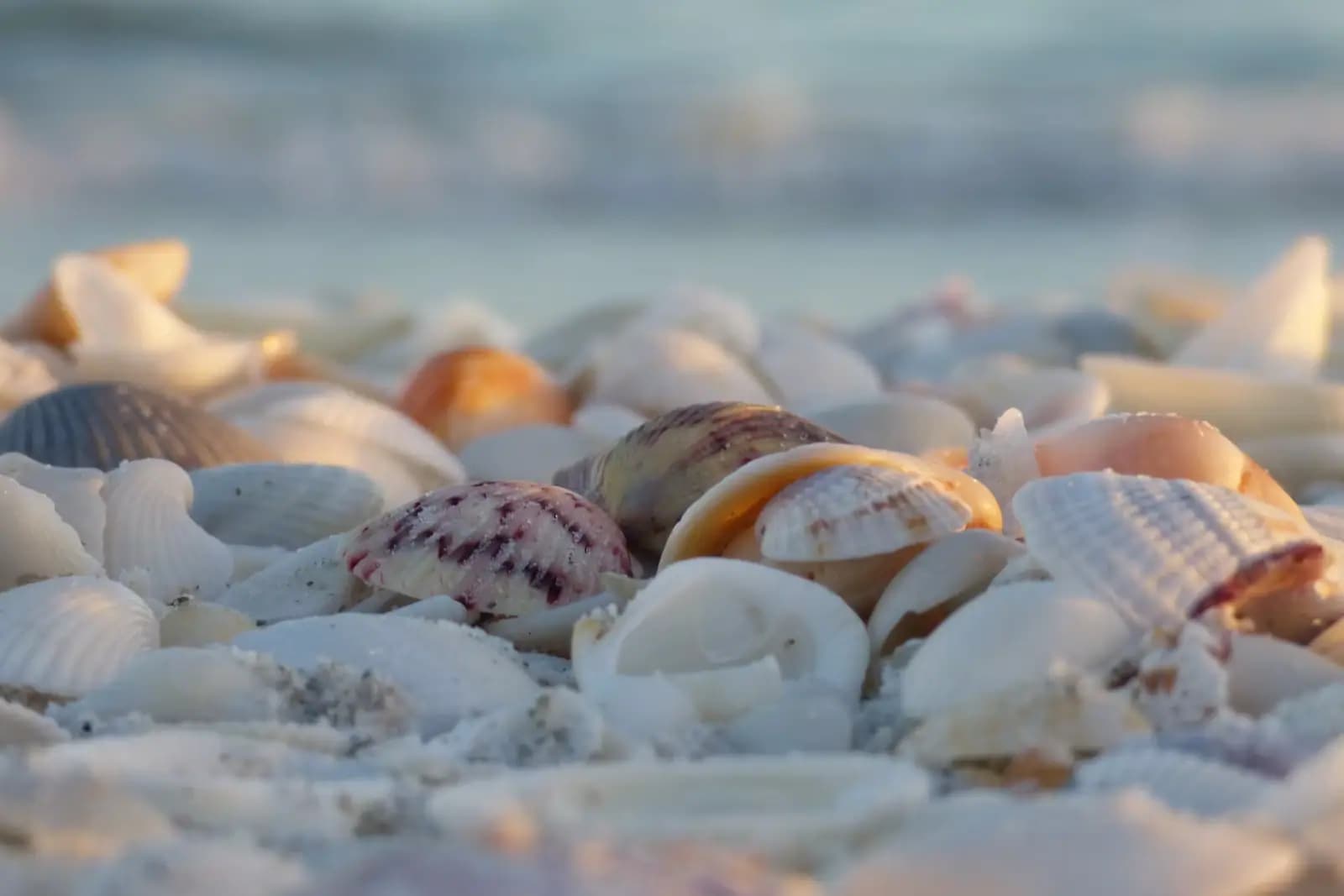
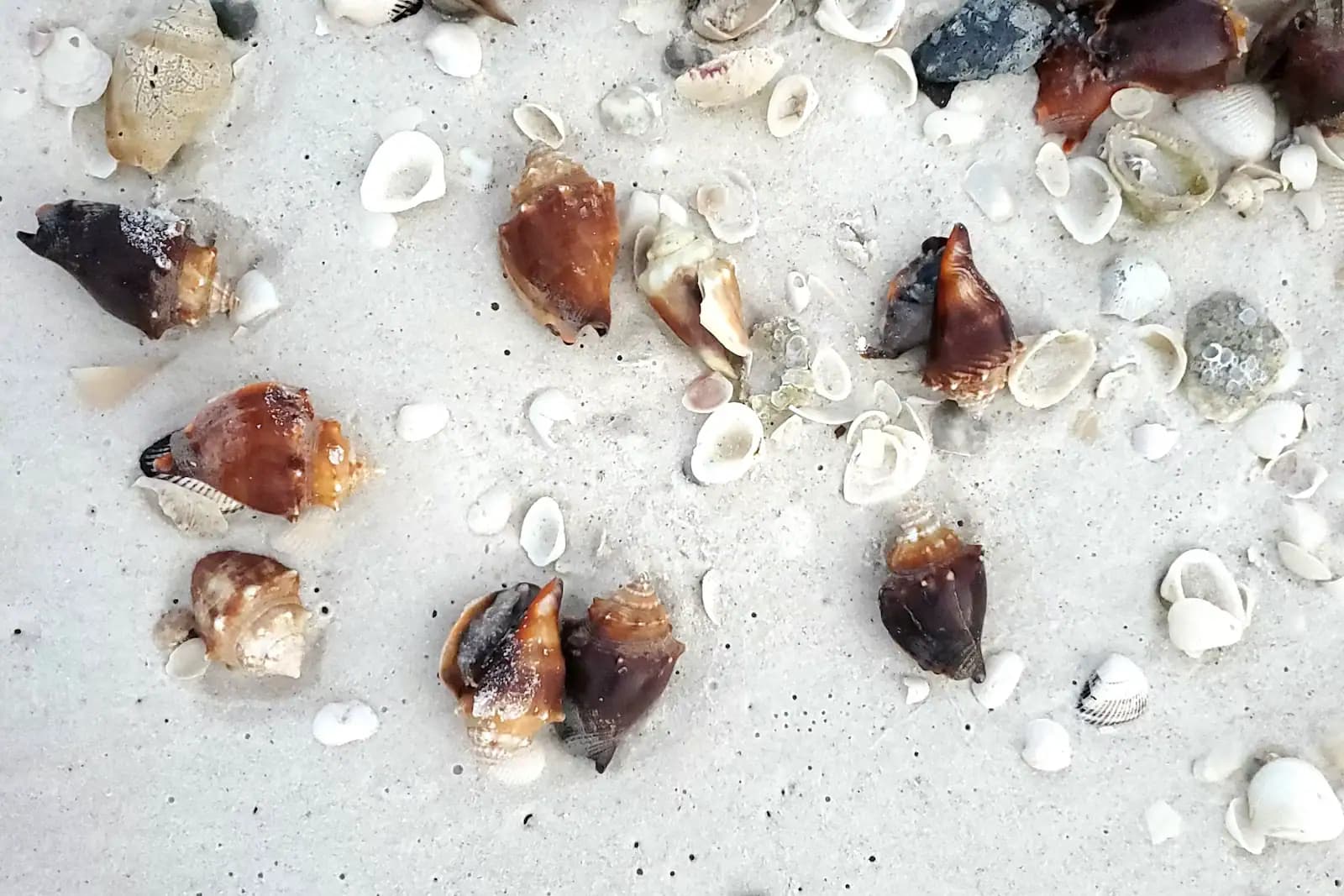
Sanibel lies on its side. Almost every barrier island between Tampa Bay and the Ten Thousand Islands runs north to south and turns a narrow shoulder to the Gulf. Sanibel runs east to west, which leaves about twelve miles of shore facing south and southwest, square into the path of everything the water is carrying. Currents arriving along that line meet the shallow shelf in front of the island, lose their energy, and put down what they were holding. The bank of broken shell you step over at Bowman's Beach is the product of that geometry and nothing else. Every hotel, bike rental and ice cream counter on the island sits downstream of it.
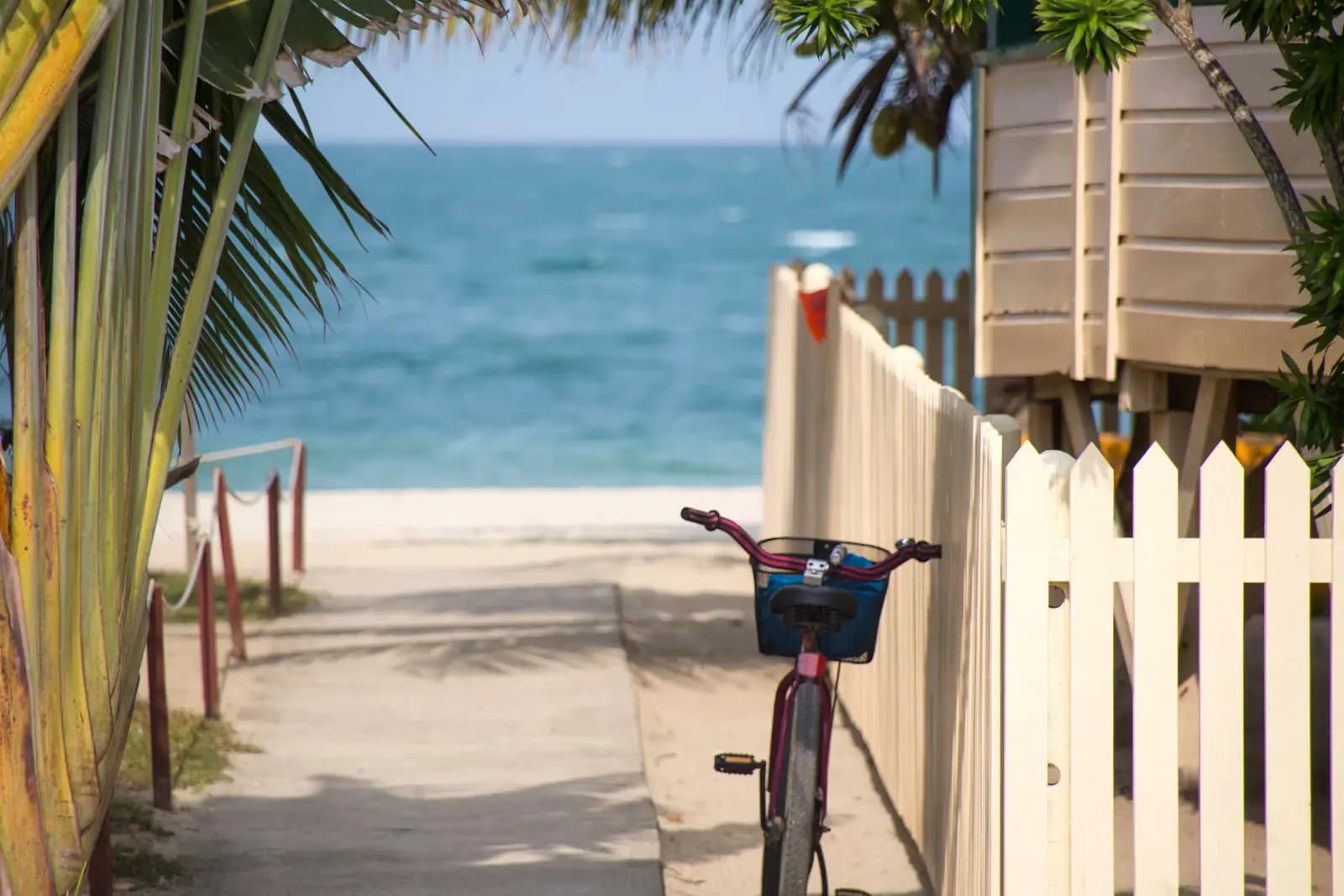
The geometry produced a culture. Walking bent at the waist with your eyes a foot and a half from the sand has a local name, the Sanibel Stoop, and the version practised one bridge north is the Captiva Crouch. It also produced a set of rules that visitors find surprisingly strict. Sanibel incorporated as a city in 1974 for the specific purpose of taking zoning control away from Lee County, whose plan for this sand had contemplated something in the order of 30,000 dwelling units. The city's own plan cut that to roughly 9,000, capped buildings at three storeys, and put the phrase "barrier island sanctuary" in the charter. There is no traffic signal anywhere on the island. More than twenty-five miles of shared-use path run beside the roads, and the vehicle most serious shellers actually use is a bicycle with a basket on the front.
Then there is the law, which matters more than anything else on this page. Taking a live shell on Sanibel is prohibited. Not frowned upon, prohibited, and it has been since the first of January 1995, when a ban the city had petitioned for took effect out to the city limit half a mile offshore. Lee County adopted a county-wide version in 2002. The rule is not limited to snails in spirals: sand dollars, sea stars and sea urchins are covered too, and the city has described penalties reaching a $500 fine and up to sixty days for a first offence. Every shelling page on this site says this because it is the single rule the island genuinely enforces.
Timing is the other half. The productive window is not a season, it is a coincidence: a low tide you can walk, a full or new moon pulling that low tide further out than usual, and a winter front that has pushed water and wrack ashore from the west overnight. Stack those three and you will find more in forty minutes than you would in a calm week in July.
One honesty note before you plan. Hurricane Ian came ashore near here on 28 September 2022 and the recovery has been long and is still uneven. The beaches themselves are open and shelling well. Individual car parks, dune crossovers, restrooms and businesses have reopened at very different rates, so check the specific access you intend to use rather than assuming.