Skip to content
Menu

We earn a commission if you book through this link. You pay the same price.

Search

Entertainment

Sanibel Sea School

Last updated

A marine science school on Periwinkle Way where children spend the session in the water rather than looking at it through glass.

Most destinations answer the question "something educational for the children" with an aquarium. Sanibel answers it with a school that takes them into the Gulf.

Sanibel Sea School operates from a campus on Periwinkle Way under the Sanibel-Captiva Conservation Foundation, and its stated purpose is disarmingly small in scale and large in ambition: to improve the ocean's future one person at a time. In practice that means a marine science curriculum delivered outdoors, mostly wet, by educators who are quite comfortable with a group of eight-year-olds and a seine net.

The first thing a visitor needs to know is structural. This is a programme provider rather than an attraction. There is no exhibit hall, no ticket window and nothing to see if you turn up on spec. You book a place on something, in advance, and then you attend it. Turning up hoping to wander round is the single most common mistake visitors make here.

What is bookable varies through the year. The core of the operation is camps for children, running through the summer and in shorter winter sessions, along with after-school and homeschool programmes for island families and a week-long field programme for older students. For visiting families the useful products are the shorter day courses, typically a few hours of marine science built around a beach or near-shore session, and guided beach walks, which are a different proposition from a shelling stroll because somebody is explaining what made the shell.

Groups and families can arrange bespoke outings, which is the sensible route for a multi-generation holiday where a nine-year-old and a grandparent want different things from the same morning.

The organisation also runs a community programme connecting children across Southwest Florida who live twenty minutes from the coast and have never been in it. Knowing that exists changes what a visitor's booking fee is actually paying for.

Getting there and parking

The campus is on Periwinkle Way towards the eastern end of Sanibel, a short distance west of the causeway end of the island.

The Shared Use Path runs along Periwinkle Way, so families staying anywhere on the island can ride in and avoid the parking question entirely. That is the normal way islanders do it.

By car, it is a few minutes from the causeway along the island's main road. Allow extra in February and March, when the four-way stops on Periwinkle stack up in the middle of the day.

Sessions themselves are usually held on a beach rather than at the campus, so check at booking where you are dropping off and collecting, because it is not always the same place.

What a visiting family can actually book

Day courses. A few hours of hands-on marine science for children, usually built around a beach session. This is the standard visitor option and the one to ask about first. Sessions run on a schedule that changes with the season and with staffing, so book rather than assume.

Guided beach walks. Led, interpretive and open to a wider age range than the children's courses. The difference from walking the tide line yourself is that somebody can tell you what animal built the thing in your hand and what it was doing when it died.

Camps. Summer is the main run, with shorter winter sessions. These fill with island and regional families, and visitor places depend on availability. If a camp week is the shape of holiday you want, enquire months rather than days ahead.

Family and group outings. Arranged to a brief, which is the right answer for a mixed-age group or a larger party.

Field trips and school programmes are aimed at organised groups rather than individual visitors.

Ages, session lengths, prices and what to bring all vary by programme and season. Ask directly when you book; anything published in a guide will be out of date before your trip.

Why it works better than an aquarium visit

An aquarium is a display. This is fieldwork with an eight-year-old attached, and the difference shows up in what a child remembers a fortnight later.

  • They get wet. The Gulf here is shallow, warm and gently shelving, which makes it an unusually forgiving classroom.
  • They handle things. A live animal in a bucket for five minutes, identified, discussed and returned, teaches more than a label on glass.
  • They learn the rule that governs this island. Nothing alive comes off the beach, and a child who has been shown a living sand dollar will never mistake one again. That single lesson is worth the fee on an island where the ban is the law and the fines are real.
  • The staff are educators, not entertainers, and they pitch to the child in front of them.
  • It rains. Programmes deal with it. A Florida shower in August is not a cancellation.

The honest limitation: this suits children roughly from primary school upwards who are comfortable in water. A toddler is not the audience, and neither is a teenager who has decided in advance not to enjoy anything.

Practical notes before you book

Book ahead. Weeks for a day course in season, months for a camp place. Sessions are small by design.

Location. The campus sits on Periwinkle Way at the eastern end of the island, within reach of the Shared Use Path, so families staying anywhere on Sanibel can ride there rather than solving parking.

What to send them in: swimwear under old clothes, a rash vest or long-sleeved sun shirt rather than sunscreen alone, a hat that stays on, water shoes or old trainers, a towel, a refillable water bottle and a dry change of everything.

Sun. Reef-conscious sunscreen, applied before arrival, is the norm here rather than a gesture.

Insects. Less of an issue on the open beach than inland, but repellent for the walk to and from is sensible.

What not to expect: a gift shop, a café, an exhibit, or somewhere for parents to sit and watch through glass. This is a working education organisation with a car park and a building, and the interesting part happens on a beach.

Ask about accessibility directly. Sessions are held outdoors on sand and in shallow water, and what can be accommodated depends on the programme and the day.

Tours that visit Sea School

Operators run these trips past Sea School, or stop there as part of a longer route. We list what the booking data supports — not everything that mentions the name.

Some links below go to Viator, our booking partner. We earn a commission on bookings made through them — at no extra cost to you, and with no influence on what we recommend.

Private and small-group departurespriced per boat or per vehicle, not per person

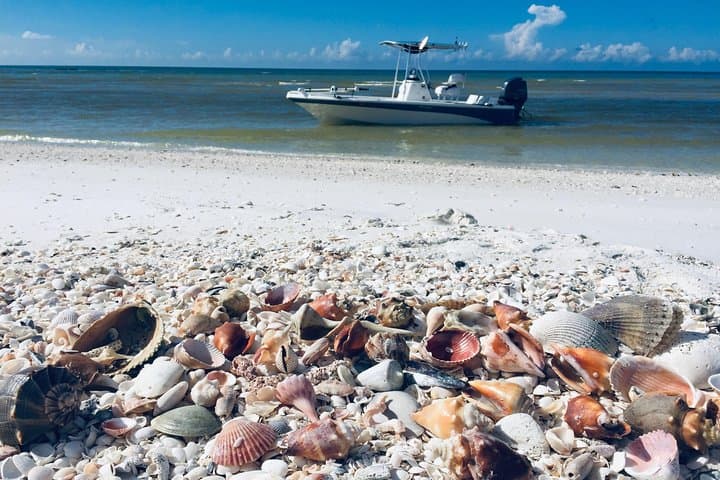
  • Shelling Tours - Fort Myers Beach / Naples

    Short term availability

    Shelling Tours - Fort Myers Beach / Naples (opens in a new tab)

    Free cancellationPrivate tour
    80 reviews

    On this trip, Guests will be exploring the local Islands around Fort Myers and Naples area. The Islands are well known for their excellent…

    2 hours

    Prices checked

    from $350

Near Sea School

Straight-line distances, so allow more on the road — the island is long and has one main parkway.

  • A bicycle leaning against a pale fence beside palm foliage on a sunny day

    Shopping

    Periwinkle Way

    Free

    Sanibel's main street and the birthplace of its bike path network. No traffic lights, no chain fast food, shops set back behind planting.

    1–4 hoursFree. The plaza car parks along the street are free to customers.1.7 mi away

  • A shaded sandy path running under arching trees between low vegetation

    Historic site

    Sanibel Historical Museum & Village

    The island's surviving pioneer buildings, moved onto one site off Dunlop Road. Closed for the season from August to mid-October.

    1–2 hoursSelf-guided: adults 19+ $20, youth 6–18 $10, children 5 and under free. Parking is free.3.4 mi away

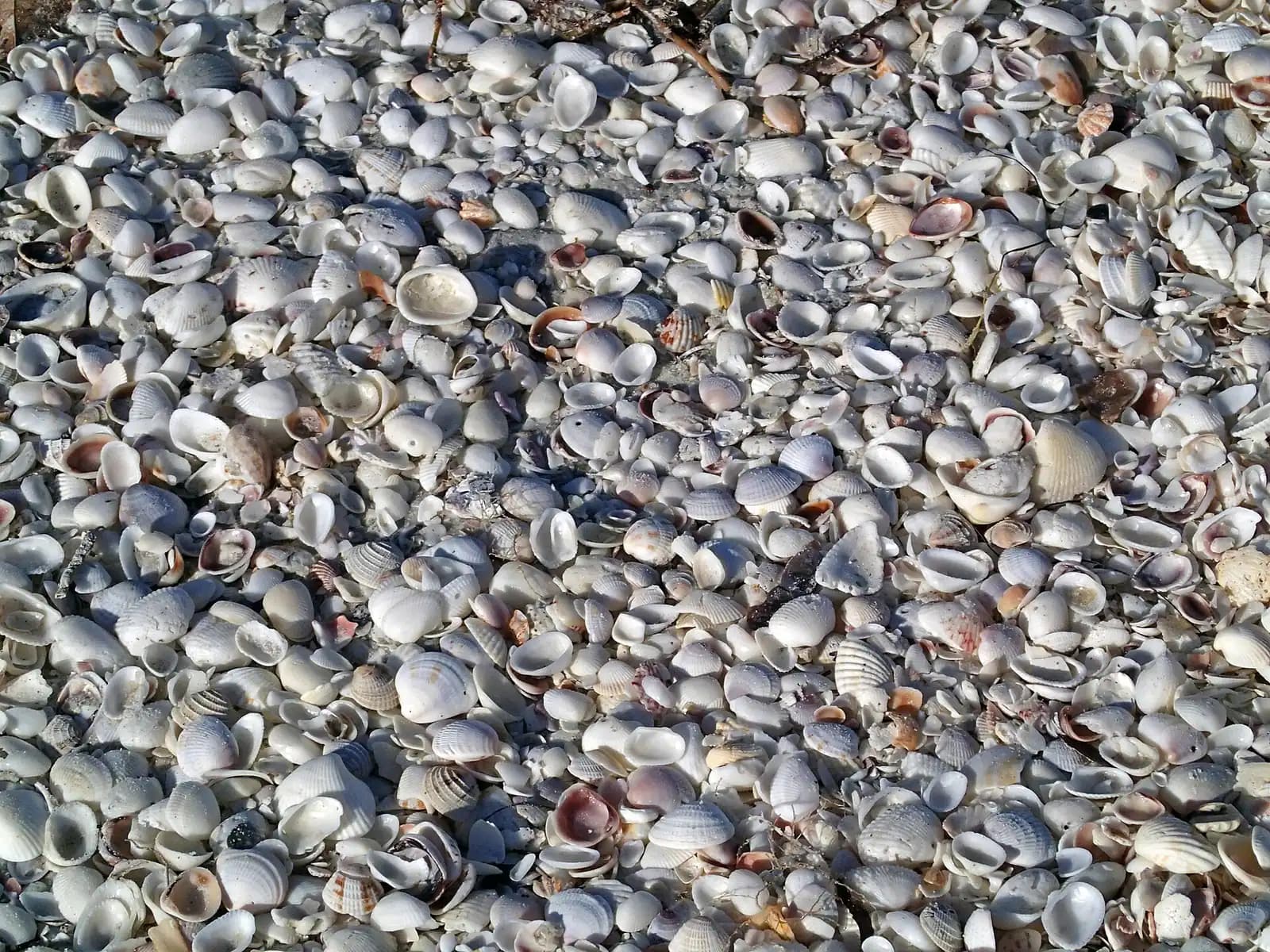
  • A dense bed of small pale seashells heaped together on wet sand

    Beach

    Lighthouse Beach Park

    Free

    The island's east point, where the Gulf beach and San Carlos Bay meet — and the biggest beach lot on Sanibel at 162 spaces.

    1.5–5 hoursBeach access is free. Parking is $5.00 per hour, enforced 24 hours a day.0.3 mi away

  • Dense green woodland with light breaking through the upper branches

    Trail

    Shipley Trail

    Free

    A shaded interior trail from a 1890s homestead and native-plant nursery to the boardwalk where the city's Pond Apple Trail begins.

    0.5–2 hoursFree. Parking at the preserve is free too.0.7 mi away

Sea School: common questions

Can you just turn up at Sanibel Sea School?

No. It is an education organisation rather than a visitor attraction, and there is no exhibit hall, ticket desk or gift shop to walk into. Everything runs as a booked programme: day courses, camps, guided beach walks and arranged family or group outings. Book in advance, weeks ahead for a day course in the winter season and considerably longer for a camp place, and confirm where the session actually meets.

What does Sanibel Sea School offer visiting families?

The useful options for a holiday are the shorter day courses, which give children a few hours of hands-on marine science usually built around a beach session, and guided beach walks, which are interpretive rather than just a stroll. Families and groups can also arrange a bespoke outing, which works well for a mixed-age party. Camps run mainly in summer with shorter winter sessions and fill with local families first.

Is Sanibel Sea School part of SCCF?

Yes. It operates under the Sanibel-Captiva Conservation Foundation, the island conservation organisation that also runs the nature centre, the native plant nursery at the Bailey Homestead Preserve and a substantial share of Sanibel's public trails. The practical effect for a visitor is that a booking here supports the same organisation doing the habitat and water quality work you can see elsewhere on the island.

What should a child bring to a Sanibel Sea School session?

Swimwear under old clothes, a long-sleeved sun shirt or rash vest rather than relying on sunscreen alone, a hat that will stay on in wind, water shoes or old trainers, a towel, a refillable water bottle and a complete dry change. Apply reef-conscious sunscreen before arrival. Sessions happen outdoors and in shallow water, and a warm shower during a summer programme is treated as weather rather than a reason to stop.