Private and Luxury
Sunset Cruise Fort Myers Beach (opens in a new tab)
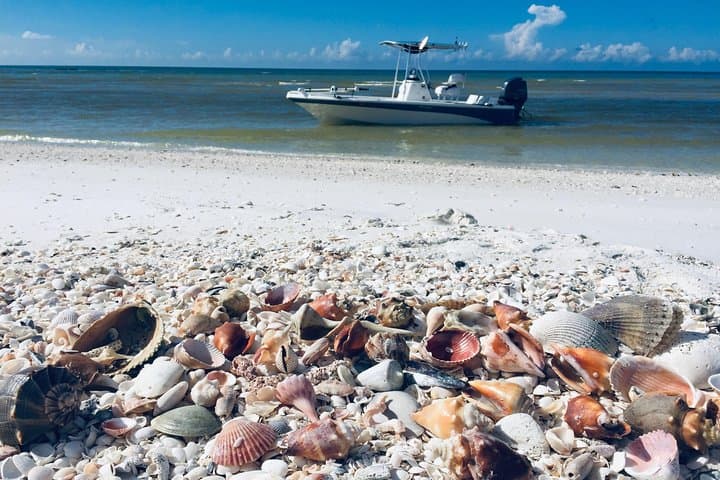
Join us for a scenic 90 minute cruise at sunset that blends comfort, adventure, and the wonders of nature. Book your spot today and…
1–2 hours
Prices checked
Trail
Last updated
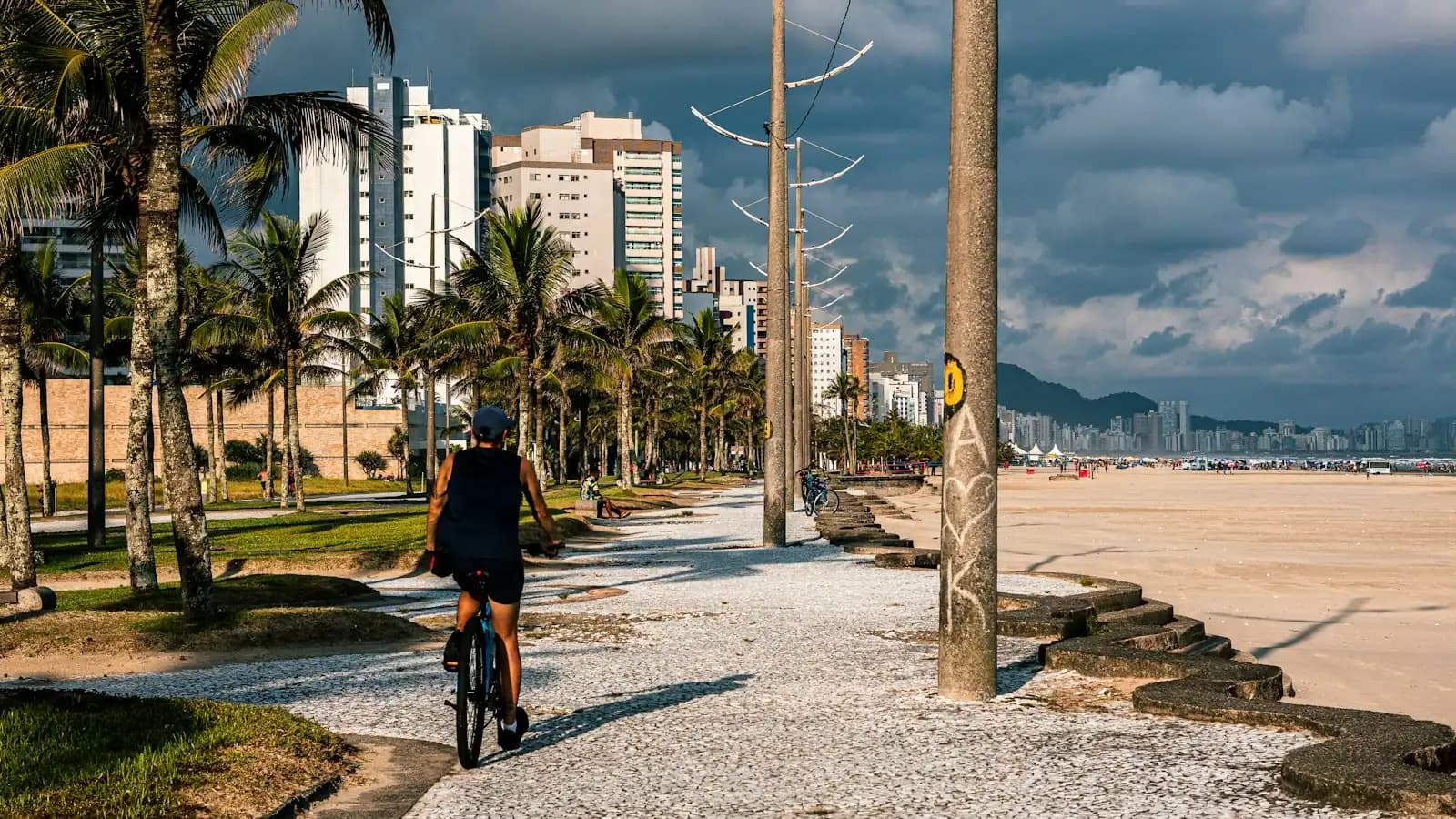
Twenty-five-plus miles of separated paved path from the lighthouse to Blind Pass, on an island with no traffic signal to stop you.
Photo: Giuseppe MiloCC BY 3.0
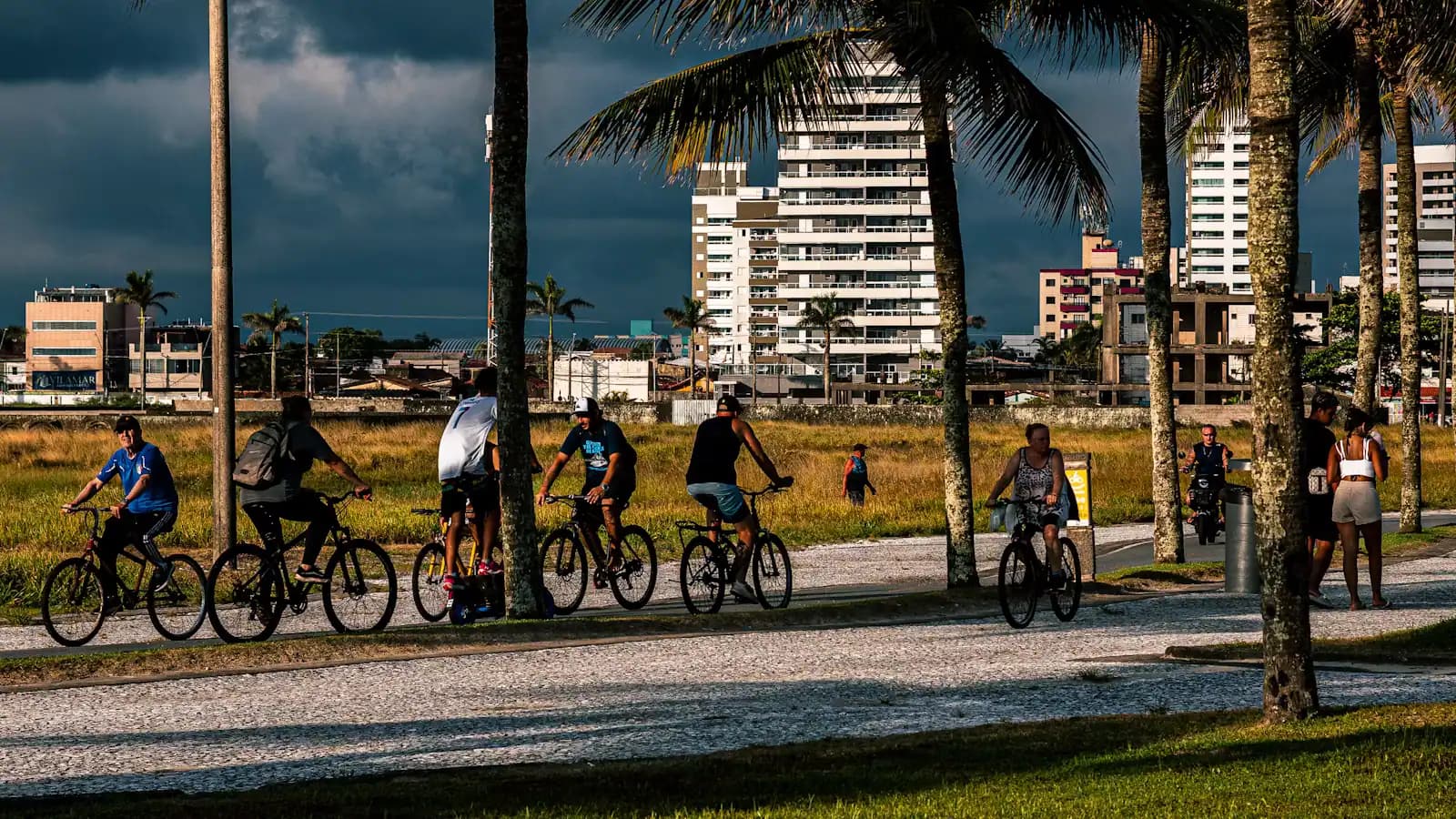
Sanibel is twelve miles long, flat as a table and has no traffic signals anywhere on it, and the consequence of those three facts is a bicycle network that functions as the island's real transport system rather than as a recreational amenity bolted on afterwards. More than twenty-five miles of paved path, separated from the road by a verge rather than a painted line, run from the lighthouse at the eastern point to the bridge over Blind Pass at the western end. Another eight miles or so of natural-surface trail thread through the preserves and connect to it.
The path reaches almost everything a visitor wants. Every beach park. The refuge gate. The shell museum. The plazas along Periwinkle Way where the groceries, the bike shops and most of the restaurants are. The schools, the library, the recreation centre. It is why a Sanibel week feels structurally different from a Gulf resort week: you can arrive, put the car down and not touch it again until you leave, which on an island charging by the hour for beach parking is an economic decision as much as a pleasant one.
Riding it is easy in the sense that there are no hills and hard in exactly one sense, which is wind. A steady onshore breeze on a twelve-mile island with no shelter turns an outbound leg into a different exercise from the return. Plan the wind direction into the route rather than discovering it at mile nine with a child on a trailer bike.
The hazard here is not speed, it is crossings. The path meets driveways, side roads and plaza entrances constantly, and the risk is a driver turning across it who has looked for cars and not for bicycles. Ride as if that is happening, particularly at the plaza entrances on Periwinkle Way where the turning traffic is heaviest and the sightlines are worst.
Rules are real and enforced. The default limit is 15 mph, dropping to 10 within fifty feet of anyone on foot. Only pedal-assist e-bikes are allowed and their riders must be sixteen or over, and the city put rangers on the network in 2025 because it got busier than it was built for.
The path runs the length of the island, so the question is where to join rather than how to reach it. The three easiest entry points are the lighthouse end at Point Ybel, the plaza cluster along Periwinkle Way near Tarpon Bay Road, and the Bowman's Beach car park roughly two thirds of the way west.
If you have driven over, parking at any City of Sanibel beach lot is paid by the hour through the city's mobile system, and the same session transfers between city lots while it is running. Riding out from a rental house avoids the charge entirely, which is the point.
Coming from the causeway, the path begins near the eastern end and you can be on it within a mile of the toll plaza.
The network ends at the Blind Pass Bridge. Continuing to Captiva means riding Captiva Drive with traffic, on a narrow carriageway with no separated provision at all. Strong adult riders do it. It is not a family route.
Lighthouse end to Tarpon Bay Road, along Periwinkle Way. The commercial spine and the busiest riding on the island. Path on both sides in places, constant plaza entrances, and the highest concentration of turning traffic. Useful rather than pleasant. This is the segment that gets you to the supermarket, the bike shops and the shell museum.
Gulf Drive, in its three sections. The beach-side route, quieter, with glimpses of dune and Gulf between houses. It runs parallel to Periwinkle rather than to the water itself, so the sea views are intermittent. Best for connecting beach parks without touching the main road.
Sanibel-Captiva Road, from Tarpon Bay Road to Blind Pass. The long, open, fast stretch. Refuge on one side for much of it, slough and hardwood on the other, and the least traffic anywhere on the network. This is where you see the wildlife a car misses: alligator in the ditch, osprey overhead, gopher tortoise cropping the verge. Also where the headwind lives.
The preserve trails. Natural-surface, shorter, not always rideable after rain, and a genuinely different experience from the paved network. Several link directly to it, so you can detour into a shaded loop and rejoin without backtracking.
Pedal-assist e-bikes only. The motor may help only while you are actually pedalling, there must be no throttle, and the assistance has to stop at twenty miles an hour. Throttle-operated machines are barred from the network outright. A hire shop that cannot tell you which kind it is renting is a shop to walk out of, and e-bike riders must be sixteen or over.
Speed. The default limit is 15 mph. Within fifty feet of a pedestrian it drops to 10. These are not decorative numbers on a network shared with walkers, dog walkers, children on training wheels and a very large number of people looking sideways through binoculars rather than forwards.
Rangers. The city put path rangers out in 2025 after the network got busier than it was designed for. They are there to educate more than to punish, but the rules they are enforcing are real ones.
Right of way. Pedestrians have it, always. Announce yourself before you pass, out loud, early enough to be useful. A bell is better than a shout.
Lights. There is very little street lighting on Sanibel, deliberately, because of turtle nesting. Riding after dark without lights here is genuinely dangerous rather than merely illegal.
Dogs are welcome on the path on a lead. A retractable lead across a shared path is how collisions happen.
Several shops rent on-island and most will deliver to a rental house or condominium by the week, which is the normal arrangement here and usually cheaper per day than a counter hire. Delivery means the bike is waiting when you arrive rather than costing you an afternoon.
What to ask about, in order of how much it will affect your week:
A week's rental typically costs less than two days of hourly beach parking, which is the arithmetic most visitors work out on about day three.
The refuge run, about eight miles return from the Tarpon Bay Road area. Ride out along Sanibel-Captiva Road to the refuge entrance and into Wildlife Drive, which costs a dollar per cyclist and is closed every Friday. On a bicycle you can stop where a car cannot, and the four-mile drive takes as long as you want it to. Go on a falling tide in winter, when the birds concentrate on the exposed flats.
Lighthouse to Blind Pass, the full length, about twenty-four miles return. The classic. Do it westbound in the morning if the wind is easterly and you will regret nothing. Do it westbound into a sea breeze and you will remember it for other reasons. Break it at Bowman's Beach.
The plaza loop, about six miles. Periwinkle Way out, Gulf Drive back, with stops for coffee, the shell museum and a grocery run. Entirely unheroic and the ride most people actually repeat.
First light is the best hour on the whole network, in any season. The path is empty, the wildlife is on the verge rather than hiding from it, and the temperature is doing something civilised.
Operators run these trips past Shared Use Path, or stop there as part of a longer route. We list what the booking data supports — not everything that mentions the name.
Some links below go to Viator, our booking partner. We earn a commission on bookings made through them — at no extra cost to you, and with no influence on what we recommend.

Private and Luxury
Join us for a scenic 90 minute cruise at sunset that blends comfort, adventure, and the wonders of nature. Book your spot today and…
1–2 hours
Prices checked

Involves Animals
Come join us for a once in a lifetime experience that is great for all skill levels. There are only a few places on earth to see the West…
2 hours
Prices checked

Wildlife Watching
SWFL sunsets are the best, and there is no better place to watch them than from the deck of our 36ft. Sailing Catamaran, "Copacetic". The…
2 hours
Prices checked

Short term availability
On this trip, Guests will be exploring the local Islands around Fort Myers and Naples area. The Islands are well known for their excellent…
2 hours
Prices checked

Bus Tours
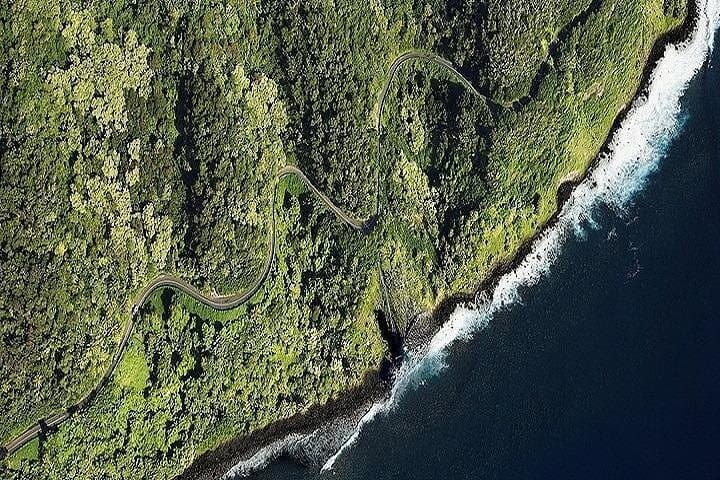
Experience the road to Hana in ultimate comfort in a private luxury SUV for groups of up to 5 or a transit van for groups of up to 12. We…
Full day
Prices checked

Short term availability
Enjoy speeding over the waters of Fort Myers Beach with a fun Sea-Doo rental! We offer the fastest and most stable water craft for you to…
1 hour
Prices checked
Straight-line distances, so allow more on the road — the island is long and has one main parkway.

Shopping
Sanibel's main street and the birthplace of its bike path network. No traffic lights, no chain fast food, shops set back behind planting.
1–4 hoursFree. The plaza car parks along the street are free to customers.0.3 mi away

Museum
The only museum in the country devoted to shells and the animals that make them — and now an accredited aquarium as well.
1.5–3 hoursAdults $25, seniors and veterans $20, youth and students $15, children 5–11 $10, under 5 free.2.7 mi away

Nature preserve
Around 5,200 acres of mangrove estuary named after a newspaper cartoonist, covering a large share of the island. Closed one day a week.
1.5–5 hoursWildlife Drive costs $10 per vehicle, or $1 per cyclist and pedestrian over 15. The Bailey Tract is free.3.9 mi away

Trail
The island's wettest public trail, named for a tree that grows standing in water — and the closest walk to the causeway toll plaza.
0.5–1.5 hoursFree, with no gate, no ticket and no staff.1.9 mi away
Where this place fits into a day, and the pages that plan one.

Guide hub
Sanibel lies east to west. Nearly every other barrier island on Florida's Gulf coast lies north to south, running parallel with the mainland, and…

Plan your trip
Two facts shape every journey you will make here. There is exactly one road onto Sanibel and you pay to use it. And once you are on the island, the…

Who it suits
Sanibel is a good island for children and a poor one for entertaining them. The distinction matters, because it decides whether your family will…

Budget
Almost everything worth doing on Sanibel is free. The beaches are free. Shelling is free and requires no equipment. The interior trails are free…

Things to do
Almost everyone arrives here in a car, because the causeway is the only way on and there is no other option. Almost everyone then spends the week…

Guide
The island chose a bicycle network over wider roads. Twenty-five-plus miles of separated paved path, flat end to end, and the better way to see almost everything.
8 min readRosa Villanueva

Guide
No theme park, no arcade, no pier. What Sanibel gives children instead is a beach that hands them something new every twenty feet.
9 min readRosa Villanueva

Guide
One road on, no traffic lights, metered sand and a law about what you may pick up. Sanibel rewards a visitor who understands it before they cross the bridge.
10 min readHarriet Lowell
More than twenty-five miles of paved, separated path, running the length of the island from Lighthouse Beach Park at the eastern point to the Blind Pass Bridge at the western end, with spurs into the beach parks, the refuge and the shopping plazas. A further eight miles or so of natural-surface trail run through the preserves and connect to the paved network. End to end and back is roughly twenty-four miles, which is a comfortable half day on a flat island.
Only the pedal-assist kind. The motor has to work through the pedals, there can be no throttle, and the help must stop at twenty miles an hour. Throttle-operated machines are barred from the network, and e-bike riders have to be sixteen or over. Speed on the path is capped at 15 mph and at 10 mph within fifty feet of anyone walking. Confirm what you are being given before you pay, because the answer becomes your problem rather than the shop's.
For most of a week, no. The path reaches every beach park, the refuge, the shell museum, the supermarket and the plazas, and the island is flat and twelve miles long. You will want a vehicle to get from the airport, to carry a large grocery shop over the causeway and to reach the mainland. Once you are on the island, the bicycle is faster in season than circling a full beach lot.
Yes, and it is the better way to do it. Cyclists pay a small per-person fee to enter Wildlife Drive, considerably less than the vehicle rate, and the four-mile one-way route is flat and slow. Riding lets you stop wherever the birds are rather than wherever the pull-offs are. Wildlife Drive is closed every Friday, so plan around that, and check current gate times before you set out.
It is one of the better family cycling networks in Florida, being flat, paved and fully separated from the road. The real hazard is not speed but crossings: the path meets driveways, side roads and plaza entrances constantly, and the risk is a driver turning across it while looking for cars. Ride with children on the inside, stop at every crossing, and avoid the Periwinkle Way plaza stretch at midday in season.