Seasonal
Sanibel wetlands flood seasonally to support wildlife
Summer rains fill Sanibel's wetlands, creating essential habitat for frogs, birds, and rare species. Learn how the seasonal cycle impacts your visit.
Seasonal
Nine bald eagle nests are under volunteer watch on Sanibel Island, Captiva and North Captiva through May 15. No eggs yet, and the Captiva eagle cam is offline.
Volunteers are watching nine bald eagle nests across Sanibel, Captiva and North Captiva this season, and not one of those nests has an egg in it yet. The season runs through May 15, so the interesting part is still ahead. If you are coming for the birds, both facts matter: the eagles are being counted right now, and the habitat work behind them is under construction.
Of the nine bald eagle nests SCCF volunteers are monitoring this season, five are on Sanibel, three are on Captiva and one is on North Captiva. Last season, the nests those volunteers watched fledged 13 eaglets. This time around, no eggs have been reported in the monitored nests so far.
One detail worth knowing if you keep a life list: a Captiva bald eagle pair has been observed modifying an osprey nest on Sanibel. That is exactly the kind of movement the volunteer network exists to catch.
The Window to Wildlife Captiva eagle cam has been taken down, so if you were picturing a live feed from your laptop, there isn't one this season. What there is instead is a paper trail: observations from SCCF's eagle monitoring are shared with Audubon Florida's EagleWatch program, a statewide network of 750 volunteers that keeps tabs on more than 1,200 bald eagle nests. Eagle questions and sightings can be emailed to eagles@sccf.org.
The same organization doing the eagle count is building a mangrove nursery, with construction planned through the fall and winter and support from the Sanibel-Captiva Rotary Club. The nursery will have room for growing red, black and white mangroves, plus pools for raising hardier plants destined for tougher restoration sites. It will also include space to host students and field trips.
Skye McDonald Newman, SCCF's community conservation coordinator, runs the Adopt-a-Mangrove program, and she said the nursery gives it a central hub for everything the program does. According to McDonald Newman, mangroves reduce wave impact, provide habitat for juvenile fish and help shorelines recover between storms in Southwest Florida. She has also said the Adopt-a-Mangrove plants are simple to care for and, according to program volunteers, difficult to kill because they cannot be over-watered.
Bob Moore, who chairs the SanCap Resilience Coalition, is participating in Adopt-a-Mangrove for his third year. He said nature-based shoreline solutions are critical to the island's resilience and encouraged people to adopt mangroves and get involved.
Allie Pecenka said recording the episode at the mangrove nursery was the best setting for discussing the project, and she recalled that the first mangrove she planted on the rookery islands looked small at planting time but could one day protect future generations.
For a birding visitor, the shape of the season matters more than the raw numbers. Five of the monitored nests sit on Sanibel and three on Captiva, so an eagle sighting anywhere on the islands is possible through May 15, just not something you can plan an afternoon around, especially with no eggs reported yet. The eagle cam is down, which means the birds have to be seen in person or not at all.
The nursery is a different kind of access point. It is being built out during the fall and winter, so there is nothing to visit yet, and no public opening has been announced. What a visitor can do today is adopt a mangrove: the program is open to individuals, schools and businesses, and sign-ups run through the Point volunteer app or a search for 'SCCF Volunteer' online.
Bald eagle nesting season on Sanibel, Captiva and North Captiva runs through May 15, 2027. The nine monitored nests break down as five on Sanibel, three on Captiva and one on North Captiva. SCCF's mangrove nursery is being built out during the fall and winter; no public opening date has been announced.
Save eagles@sccf.org in your phone before you arrive; that is the address for eagle questions and sightings. If you want to take part rather than watch, Adopt-a-Mangrove sign-ups go through the Point volunteer app or a search for 'SCCF Volunteer' online. And manage expectations at the lookout: with no eggs in the monitored nests yet, eaglets are a maybe, not a promise.
Eagle-watching here is a bonus, not the main event. The dependable birding happens at Ding Darling, where the Wildlife Drive is the island's most concentrated route for waders and other birds, and our birding guide covers what turns up when. For the wider picture, from the refuge to the shoreline the mangroves are meant to protect, start with our nature and wildlife hub. If you would rather be on the water than on the trail, Tarpon Bay Explorers is the wildlife-oriented option.
Nine nests sounds small until you see where the data goes. Everything SCCF's eagle monitors record is shared with Audubon Florida's EagleWatch program, which is built on 750 volunteers and tracks more than 1,200 bald eagle nests statewide. The islands' nests are one node in that network, and last season's 13 fledged eaglets are the baseline this year's volunteers are working from.
Newsroom
Seasonal
Summer rains fill Sanibel's wetlands, creating essential habitat for frogs, birds, and rare species. Learn how the seasonal cycle impacts your visit.
Seasonal
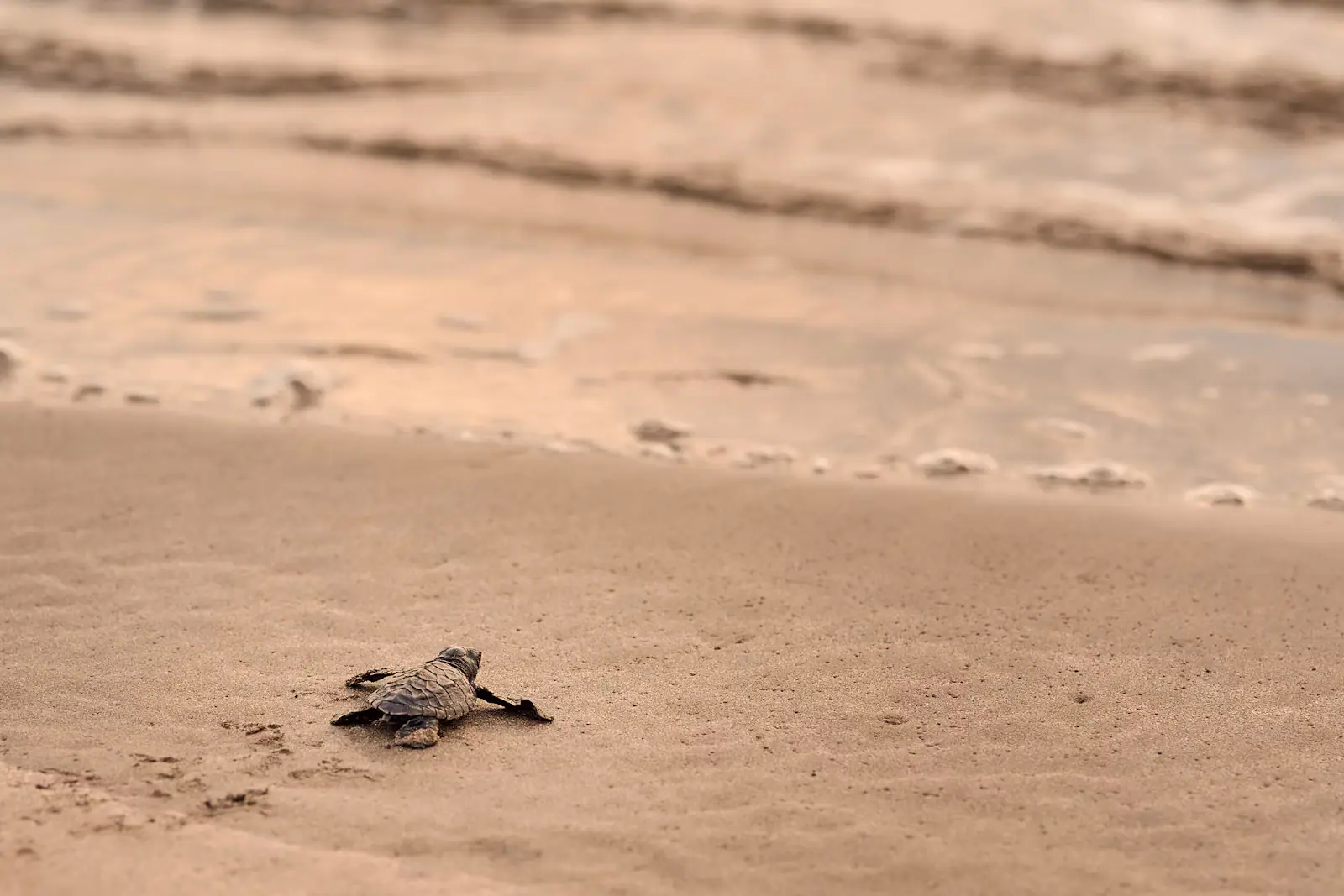
No street lights, no lit beachfront, and from mid-April to the end of October a set of rules that applies to your balcony as much as to the resort behind it.

Seasonal
Four variables decide whether a morning on the tide line is ordinary or the reason people move here. Two of them are published; two you watch the sky for.
Who reported this
Senior Editor
Harriet has covered the Lee County islands for eleven years and owns the pages that decide a reader's day: which lot charges what, which causeway crossing is tolled, what reopened this season and what is still a bare lot. She quotes fees as bands because the city revises them, and she will say plainly when a place could not be confirmed.
Our newsroom is machine-assisted and human-edited: stories are drafted from verified public sources and checked before they publish. How that works is set out in our editorial standards.