Seasonal
Nine bald eagle nests are under watch on Sanibel and Captiva this season
Nine bald eagle nests are under volunteer watch on Sanibel Island, Captiva and North Captiva through May 15. No eggs yet, and the Captiva eagle cam is offline.
Seasonal
Summer rains fill Sanibel's wetlands, creating essential habitat for frogs, birds, and rare species. Learn how the seasonal cycle impacts your visit.
Summer rains have begun filling Sanibel's interior wetlands, triggering the annual cycle that supports the island's diverse wildlife. This seasonal flooding creates essential habitat for frogs, toads, and wading birds, reinforcing the island's commitment to remaining a barrier island sanctuary.
The water bodies on Sanibel include the Sanibel Slough and interior Spartina marshes, which flood seasonally. These wetlands, along with ephemeral wetlands, follow a dry-flooded annual cycle that can occur more than once a year depending on rainfall. Historically, some developments excavated lakes from wetland areas and used the soil as fill, creating deep man-made lakes with homes sited around them. However, the most natural water bodies are the ephemeral wetlands and interior Spartina marshes.
Visitors should expect to see wildlife concentrated in shallow, shrinking isolated pools as prey animals build up their numbers over the summer. Flooded residential yards can also host some of the island's rarest species and are described as very productive habitat. This cycle aligns with Sanibel's Vision Statement to remain a barrier island sanctuary where a diverse population lives in harmony with the island's wildlife and natural habitats.
The flooding occurs during summer months when rain fills the wetlands. Frogs and toads wait for this rain to breed and lay eggs. Tadpoles develop in fishless or predator-free water bodies. The Sanibel Slough and interior Spartina marshes remain flooded for about half the year before drying up. You can look for wildlife in these areas or in flooded residential yards.
Questions about ephemeral wetlands or wildlife sightings can be emailed to Chris Lechowicz at clechowicz@sccf.org. When viewing wildlife, remember that amphibian tadpoles require fishless or predator-free water bodies to develop. View flooded residential yards as isolated wildlife oases and respect the island's vision of living in harmony with wildlife.
Explore the Sanibel Slough and interior marshes for wildlife viewing. Visit the Sanibel-Captiva Conservation Foundation to learn more about local ecosystems. Participate in educational programs like the A Chance to Sea Program to understand marine conservation. Sanibel Sea School operates a disability navigation initiative called NavAbilities, which teaches community partners practical tools for serving individuals with disabilities.
The history of Sanibel includes developments from the 1970s and 1980s that excavated lakes and raised homesites. While this created deep man-made lakes, the island prioritizes its natural wetlands today. Marshes, swamps, and seasonal water bodies are given as examples of wetlands, and a river's floodplain is classified as a wetland.
Newsroom
Seasonal
Nine bald eagle nests are under volunteer watch on Sanibel Island, Captiva and North Captiva through May 15. No eggs yet, and the Captiva eagle cam is offline.
Seasonal
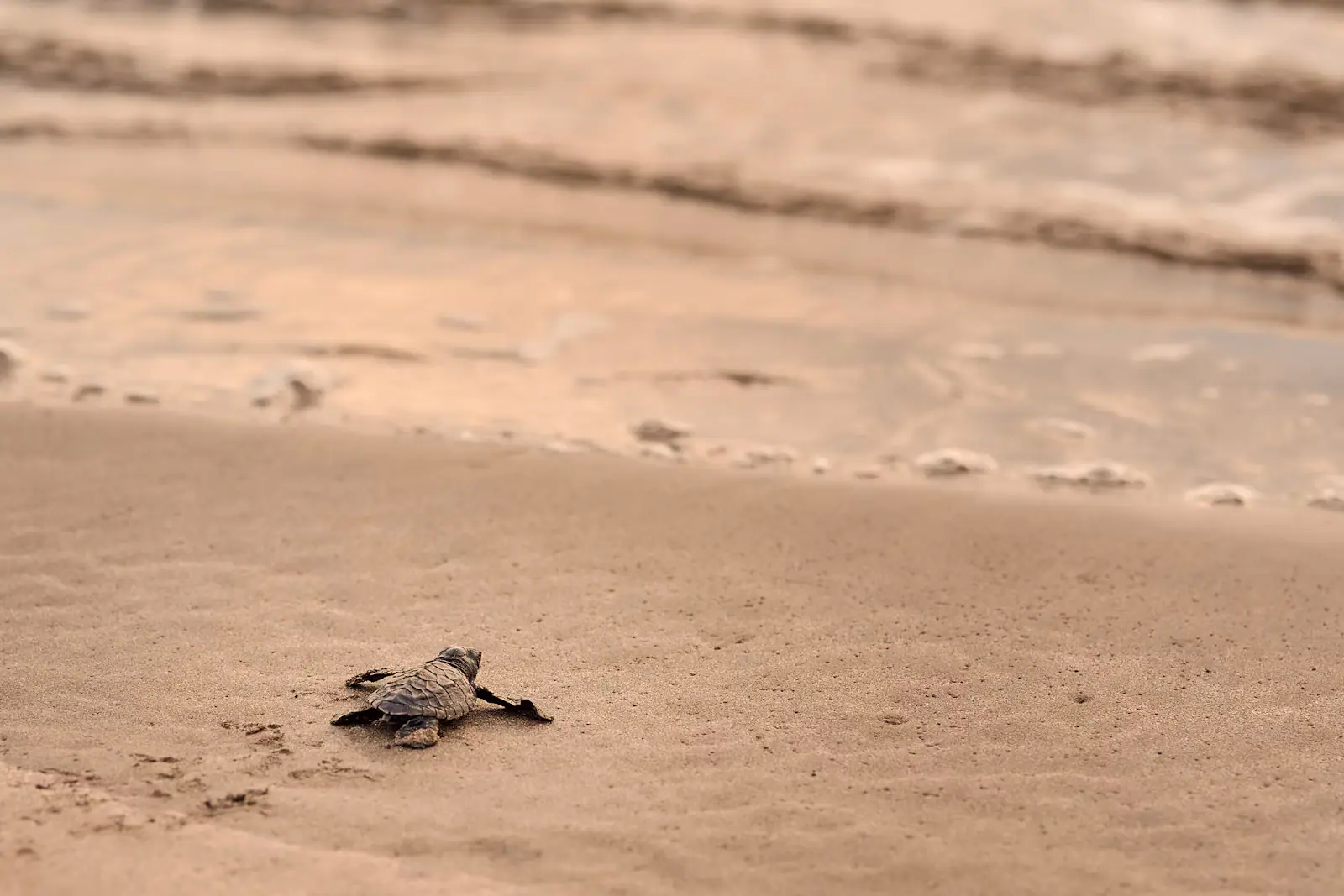
No street lights, no lit beachfront, and from mid-April to the end of October a set of rules that applies to your balcony as much as to the resort behind it.

Seasonal
Four variables decide whether a morning on the tide line is ordinary or the reason people move here. Two of them are published; two you watch the sky for.
Who reported this
Senior Editor
Harriet has covered the Lee County islands for eleven years and owns the pages that decide a reader's day: which lot charges what, which causeway crossing is tolled, what reopened this season and what is still a bare lot. She quotes fees as bands because the city revises them, and she will say plainly when a place could not be confirmed.
Our newsroom is machine-assisted and human-edited: stories are drafted from verified public sources and checked before they publish. How that works is set out in our editorial standards.