Travel alert
The Refuge Shuts on Fridays, and It Catches Somebody Out Every Week
Featured
One day a week the gate at the most visited place on Sanibel does not open. Plan your Friday around it rather than discovering it from the car park.
Travel alert
Sand dollars and sea stars are covered too. A first offence carries a fine of up to $500. Here is how the rule came about and how to stay the right side of it.
 Unsplash
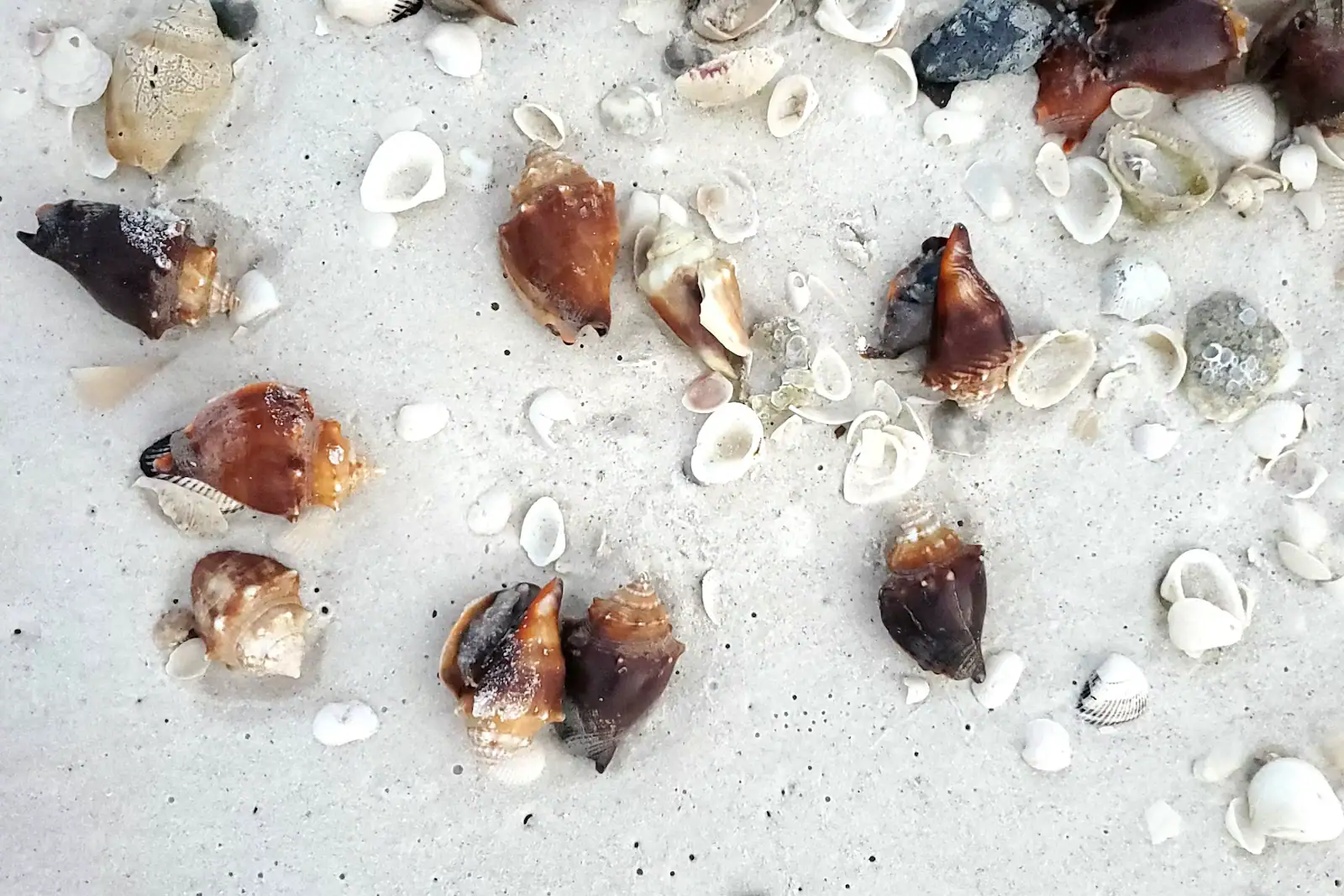
Taking a shell with the animal still in it is illegal on Sanibel. Not discouraged, not frowned upon by locals. Illegal, with a penalty attached.
The history is worth knowing because it explains why the island takes it so seriously.
In the late 1980s Sanibel petitioned Florida's Marine Fisheries Commission for protection and was granted a limit of two live specimens per species per person per day. That was judged insufficient. In 1993 the city petitioned again, this time for a complete prohibition out to the city limit half a mile offshore. It was approved in October 1994 and took effect on 1 January 1995. A Lee County-wide ban followed, approved in January 2002, and the prohibition now sits within state rule.
A first offence carries a fine of up to $500 and up to sixty days in jail.
More than most visitors assume. The ban covers any mollusc shell containing a living animal, and it explicitly extends to sand dollars, sea stars and sea urchins, which people routinely believe are exempt because they do not look like shells.
Florida's statewide rules add their own layer: possession of a live queen conch is prohibited at any time, and an empty queen conch shell must have no living organism in it.
Turn it over and look into the opening.
A living snail — a fighting conch, a whelk, a tulip, an olive — will show either a soft body or a hard horny trapdoor called an operculum sealing the aperture. Either means it is alive.
A live sand dollar is brown, grey or purplish with a velvety nap of moving spines. A dead one is bleached white, smooth and rigid. The white ones are the ones you keep.
A bivalve with both halves hinged and closed, or closing as you handle it, is alive.
Put anything living back in the water, not on the sand. A conch returned to dry sand above the tide line will die there, which turns an honest mistake into a dead animal.
And do not lift a live sea star out of the water to photograph it. The exposure kills them more easily than people realise.
This rule is the reason there are still shells to find on this island after a century of people looking for them.
SourcingSummarised from the documented history of the City of Sanibel's shelling petitions to Florida's Marine Fisheries Commission, the complete prohibition effective 1 January 1995, the Lee County-wide ban approved in January 2002, and Florida Fish and Wildlife Conservation Commission rules on sea shell collection including the prohibition on possessing live queen conch. Penalties and rule citations are set by the city, county and state and can be amended; confirm current regulations and follow posted signage at the beach access.
Plan around it
The pages that carry the practical detail behind this story — hours, costs, access and where it sits on Sanibel.
Things to do
How to shell Sanibel: why an east-west island catches what the Gulf carries, which species you will find, how to read the tide, and the…
Things to do
Sanibel's public beaches compared: hourly parking, walk-in times, the current at Blind Pass, red tide, turtle season and why nobody sells…
Things to do
Sanibel's wildlife, habitat by habitat: alligators, manatees, dolphins, turtles and molluscs the island protects by law. Where to go and…
Things to do
Things to do on Sanibel Island, Florida: where the shelling actually works, the 26-mile bike path, Ding Darling refuge, and what has…
Newsroom
Travel alert
One day a week the gate at the most visited place on Sanibel does not open. Plan your Friday around it rather than discovering it from the car park.
Who reported this
Nature & Shelling Editor
Caleb has worked the wrack line on this island since he was a teenager and can separate a juvenile horse conch from a worn tulip at arm's length. He covers shells, birds and the refuge, keeps a tide table where other people keep a calendar, and is unbending about the one rule that matters here: if there is an animal in it, it stays.
Our newsroom is machine-assisted and human-edited: stories are drafted from verified public sources and checked before they publish. How that works is set out in our editorial standards.