Skip to content
Menu

We earn a commission if you book through this link. You pay the same price.

Search

Beach update

How to Check for Red Tide Before You Drive Out to the Islands

Blooms are patchy, they move, and last week's report is not this morning's beach. The state publishes daily sampling and a weekly status report.

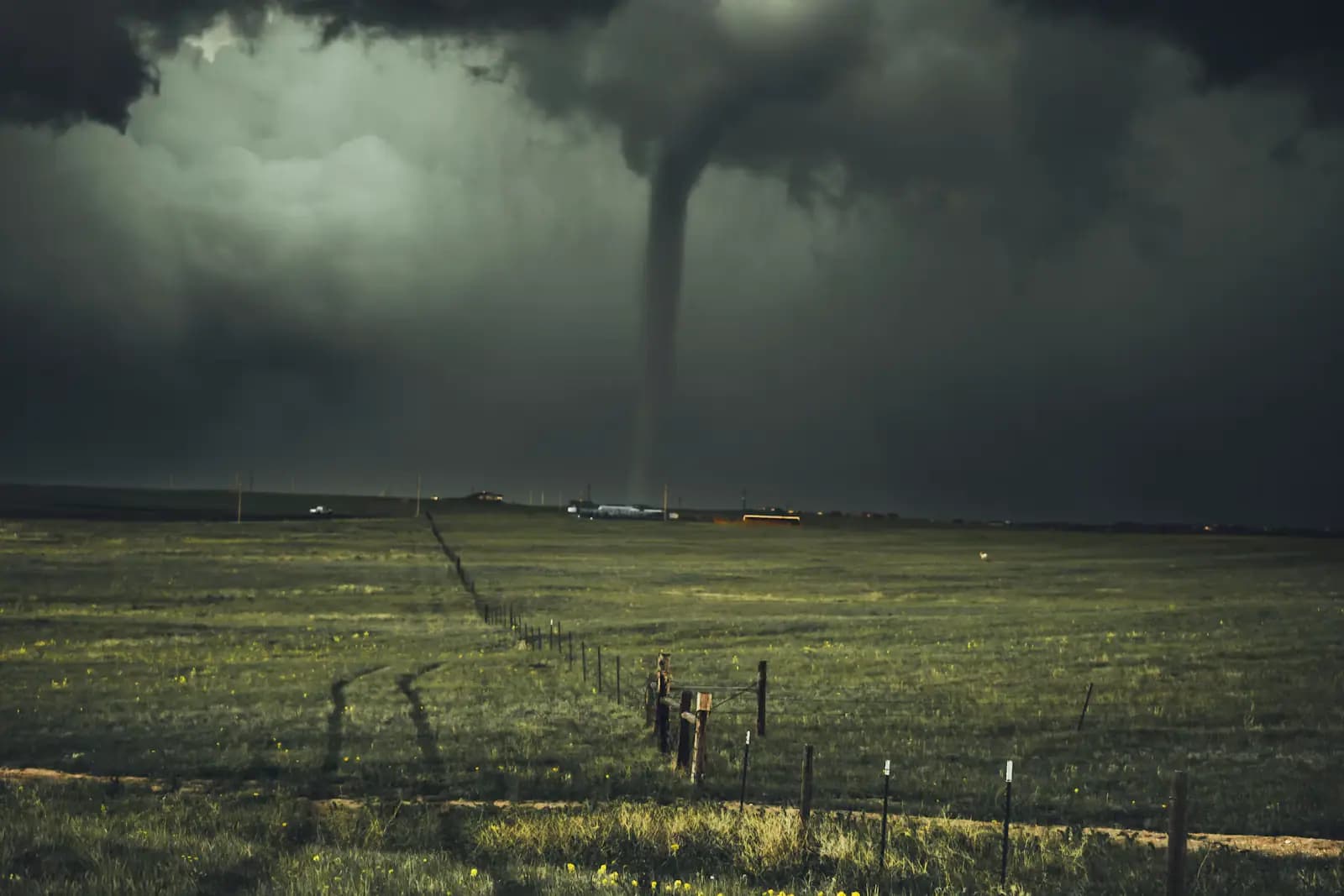
Heavy cloud building over open water in the late afternoonUnsplash

Red tide is a bloom of Karenia brevis, a naturally occurring marine organism, and it turns up along Florida's Gulf coast with no fixed schedule. It is most commonly a late-summer and autumn problem here, but it has appeared in every season and it is genuinely unpredictable.

The important practical point is that it is patchy. One beach can be affected while another five miles along the same island is clear, and conditions change day to day with wind and current. A report from last week tells you very little about this morning.

What it does

At very low concentrations it can cause respiratory irritation — a dry cough, a scratchy throat, watering eyes — which is worse for people with asthma or other respiratory conditions and is usually relieved by leaving the beach.

At higher concentrations you get fish kills along the tide line, shellfish harvesting closures and, at the top end, visible discolouration of the water.

It is not a reason to cancel a trip to Southwest Florida. It is a reason to check which beach to go to on the day.

Where to check

The Florida Fish and Wildlife Conservation Commission publishes a daily sample map, updated in the late afternoon, and a weekly status report released on Fridays. Both give sampling by county, so you can see what is happening in Lee County specifically rather than statewide.

There is also a state hotline on 866-300-9399 for current conditions.

Lee County and the state health department post beach-level advisories when conditions warrant.

Where things stood in mid-September 2026

The most recent state status report at the time of writing, dated 18 September 2026, recorded K. brevis at background concentrations in a single sample from Sarasota County and no detections elsewhere along the Southwest Florida coast. No red tide-related respiratory irritation was reported over the preceding week.

That is a snapshot, not a forecast. Blooms develop offshore and move inshore on the wind, and the situation can change within days.

Check the day you are travelling, not the day you are reading this.

SourcingSummarised from the Florida Fish and Wildlife Conservation Commission's published red tide monitoring programme, including its daily sample map, its weekly statewide status report and the published condition hotline. Conditions quoted are from the status report dated 18 September 2026 and are a snapshot rather than a forecast. Check the current daily map and status report for Lee County on the day you travel.

Plan around it

What this means for visitors

The pages that carry the practical detail behind this story — hours, costs, access and where it sits on Sanibel.

  • Things to do

    Beaches

    Sanibel's public beaches compared: hourly parking, walk-in times, the current at Blind Pass, red tide, turtle season and why nobody sells…

  • Things to do

    Best Time to Visit

    Best time to visit Sanibel Island: shelling, birding, heat, no-see-ums and hurricane season run on different calendars. Month by month…

  • Things to do

    Things to Do

    Things to do on Sanibel Island, Florida: where the shelling actually works, the 26-mile bike path, Ding Darling refuge, and what has…

  • Things to do

    Getting Around

    Getting around Sanibel Island: the causeway toll, 26 miles of separated bike path, no traffic signals, and what beach parking really costs…

Related

Explore Things to Do

This story touches something you can book. These are live listings from our booking partner, not a recommendation attached to the report above.

Some links below go to Viator, our booking partner. We earn a commission on bookings made through them — at no extra cost to you, and with no influence on what we recommend.

Who reported this

Senior Editor

Harriet has edited Gulf Coast travel coverage for fourteen years and handles the practical pages on this site: the causeway toll, the beach parking app, what a week on a bicycle actually costs. She reads a city agenda before she reads a press release, and since 2022 she has refused to describe a building on these islands without confirming first that it is still standing.

Our newsroom is machine-assisted and human-edited: stories are drafted from verified public sources and checked before they publish. How that works is set out in our editorial standards.

More from Harriet Lowell